
Executive Overview
When the initial marketing campaign and teaser trailer for Digger dropped, even the most seasoned cinephiles and industry insiders felt that something was slightly off. Promoted as an eccentric, high-concept farce centering on an unchecked, megalomaniacal corporate tycoon whose insatiable hunger for global dominance unwittingly triggers an apocalyptic worldwide catastrophe, the project immediately captured global attention. Yet, beneath the slick editing and chaotic imagery of the trailer lay an undercurrent of industry rumors. Whispers suggested that Warner Bros. and the creative team were hiding a massive narrative pivot—a structural and thematic twist designed to entirely recontextualize the viewing experience.
Those rumors were entirely true. As early screenings began to roll out, it became abundantly clear that Digger contains a narrative hand grenade in its third act—a polarizing narrative pivot that will undoubtedly make or break the film for audiences worldwide. At the direct request of visionary director Alejandro González Iñárritu, early critics and reviewers, including teams from The Independent, agreed to maintain strict silence regarding these tightly guarded surprises. This atmosphere of secrecy has only heightened the aura of unpredictability surrounding the picture.
The result is arguably the most fiercely polarizing release of Tom Cruise’s legendary career. The film deliberately challenges viewers, practically daring audiences to reject its maximalist ambitions over its sprawling runtime. Co-written by Iñárritu alongside Sabina Berman and Jez Butterworth, Digger represents a radical departure from conventional Hollywood storytelling. It occupies a rare, risky cinematic space akin to Adam McKay’s stylistically audacious Vice or Todd Phillips’s subversively divisive Joker: Folie à Deux. However, despite early fan theories and internet speculation, industry insiders have confirmed one persistent rumor to be false: Digger is definitively not a musical.
As the film prepares for its global theatrical rollout on October 2, the conversation has shifted from standard box-office tracking to a deeper, more critical evaluation of cinematic risk-taking. For Tom Cruise, 64, the project represents a calculated, fearless pivot away from high-octane franchise blockbusters and gravity-defying stunts, staking a serious claim for his fourth career Academy Award nomination. Yet, for Iñárritu, the reception signals a more complicated trajectory, balancing brilliant technical achievements against a narrative structure that may ultimately prove too abrasive for mainstream Academy voters.
Detailed Chronology: From Concept to Controversial Release
To fully understand the cultural phenomenon surrounding Digger, one must trace its development from an ambitious auteur-driven concept to one of the most heavily guarded releases of the decade.
The Genesis of an Unconventional Partnership
The seeds of Digger were planted years prior to its announcement, born out of a mutual desire between Tom Cruise and Mexican auteur Alejandro González Iñárritu to push past the boundaries of their respective comfort zones. Cruise, universally renowned as the last true bastion of traditional, practical-effects-driven Hollywood action cinema through franchises like Mission: Impossible and Top Gun: Maverick, was actively seeking a dramatic vehicle that would demand absolute psychological vulnerability. Iñárritu, meanwhile, was looking to pivot away from the grueling, naturalistic survivalism of The Revenant and the magical-realist meta-commentary of Birdman, aiming his lens squarely at modern corporate corruption and sociopathic ambition.
Bringing on acclaimed screenwriters Sabina Berman and Jez Butterworth, the creative trio crafted a screenplay that functioned simultaneously as an absurd comedy, a sprawling geopolitical thriller, and a deeply unsettling character study. Production quietly commenced under intense security protocols, with cast and crew members reportedly bound by strict non-disclosure agreements regarding the film’s unique third-act structure.
The Marketing Campaign and the Rumor Mill
The first major fracture in the film’s veil of secrecy occurred with the release of the official teaser trailer. To the casual moviegoer, the footage presented a frenetic, slightly unhinged dark comedy. Cruise, sporting a radical physical transformation and an unhinged, predatory grin, inhabited the role of the titular "Digger"—a billionaire industrialist whose insatiable extraction projects pierce the Earth’s crust, releasing an unspecified, catastrophic environmental and geopolitical collapse.
However, film Twitter and dedicated movie forums immediately sensed misdirection. Insiders who had attended early test screenings began leaking vague hints about structural shifts, tonal whiplash, and a late-stage narrative break that transformed the movie from a satirical romp into something profoundly existential and deeply bleak. Warner Bros. leaned heavily into these rumors, refusing to confirm or deny plot details while leaning on Iñárritu’s formidable reputation as a cinematic provocateur to build a wall of prestige around the project.
The Festival Circuit and the Critical Divide
The true test for Digger arrived during its heavily guarded press and festival screenings. Bound by embargoes and direct pleas from Iñárritu himself to protect the audience’s virgin experience of the film’s twists, critics walked a fine line. First reactions praised the sheer audacity of the undertaking, even as reviewers openly admitted to feeling bruised and disoriented by the viewing experience.
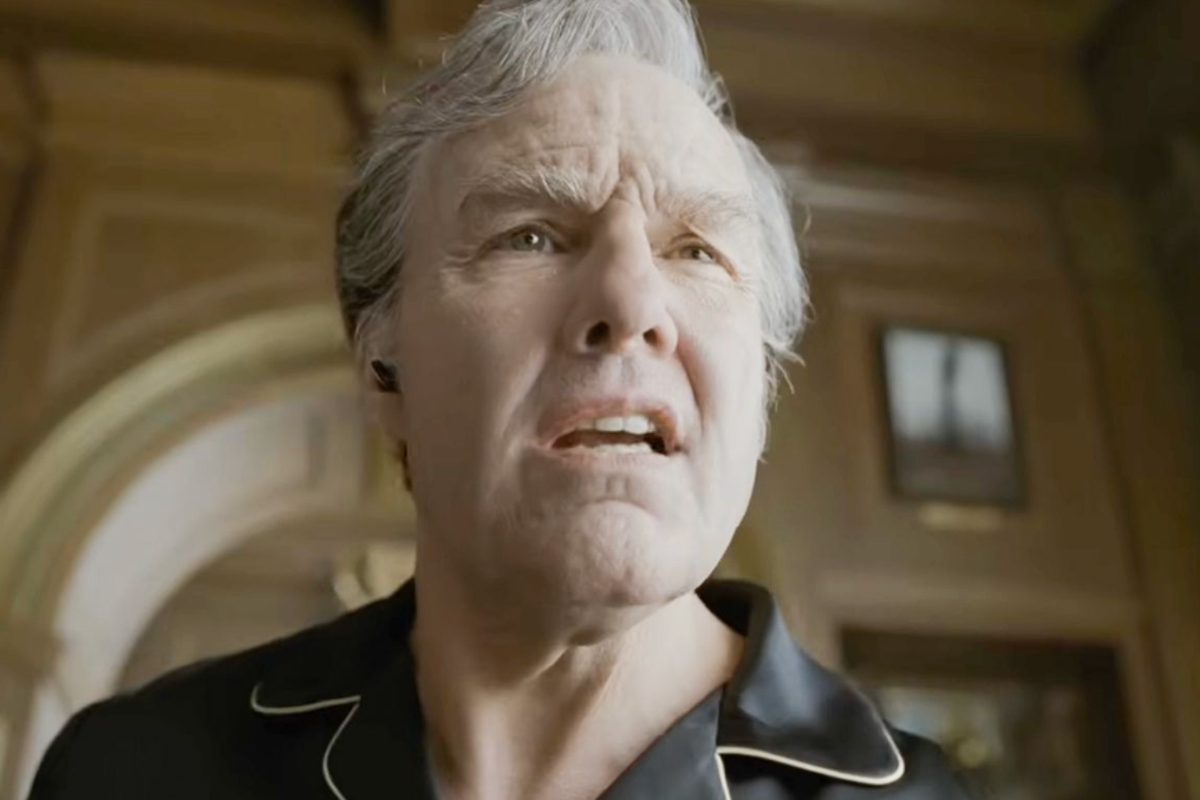
When the embargo lifted fully, the critical consensus fragmented completely. Reviewers split down the middle: one camp hailed the film as a daring, structurally inventive masterclass in modern satire, while the other condemned it as an overlong, self-indulgent misfire that collapses under the weight of its own ambition. This intense polarization, far from being an accidental byproduct of production, appears to be precisely the reaction the filmmakers intended to provoke.
Supporting Context & Metrics: Awards Buzz, Box Office Projections, and Ensemble Power
While the narrative secrets of Digger remain locked behind closed doors, industry analysts and awards pundits have already begun crunching the metrics to determine how the film will perform during the upcoming Hollywood awards season and at the global box office.
Tom Cruise and the Oscar Equation
At 64 years old, Tom Cruise stands at a fascinating crossroads in his storied career. Despite being one of the most commercially successful and globally recognized movie stars in cinema history, his shelf contains just three competitive Academy Award acting nominations:
- Best Actor in a Leading Role for Born on the Fourth of July (1989)
- Best Actor in a Supporting Role for Jerry Maguire (1996)
- Best Actor in a Supporting Role for Magnolia (1999)
Despite his immense cultural footprint, Cruise has famously eluded the Oscar win column, often penalized by a conservative voting body that historically undervalues pure movie-star charisma and physical commitment in favor of transformative, self-effacing character work.
With Digger, Cruise has engineered a definitive pivot. Shedding the heroic, infallible persona that defined his past three decades of blockbusters, his performance in Digger is reportedly ferocious, ugly, and uncompromisingly committed. Industry pundits indicate that on the sheer strength of his performance—which demands he shoulder the psychological decay of a man presiding over the end of the world—Cruise is a near-lock for his fourth career Oscar nomination. Whether this performance can finally break his winless streak, however, will depend entirely on how voting members digest the film’s aggressively divisive narrative choices.
The Supporting Ensemble: Powerhouses on Display
While Cruise anchors the narrative tempest, Digger benefits immensely from a powerhouse supporting cast that has received near-universal acclaim across early reviews:
- John Goodman: Delivering what critics are calling an explosive, earth-shaking performance, Goodman serves as a vital anchor to the film’s shifting tones, bringing a grounded, terrifyingly authentic weight to the corporate machinery surrounding Digger.
- Riz Ahmed: Bringing his trademark nervous energy and intellectual depth to the screen, Ahmed plays a wide-eyed corporate adviser trapped in the escalating doom of Digger’s geopolitical fallout.
- Michael Stuhlbarg: Renowned for his ability to seamlessly blend vulnerability with intellectual authority, Stuhlbarg rounds out the inner circle of advisers, offering a masterclass in reactionary dread as the world crumbles around them.
Directorial Prospects and Technical Merits
While Alejandro González Iñárritu made history by winning back-to-back Academy Awards for Best Director for Birdman (2015) and The Revenant (2016), Oscar historians are signaling that a historic third directorial win is unlikely for Digger. The film’s fractured narrative and antagonistic relationship with its audience make it a tough sell for the broader directing branch, which typically favors cohesive, universally admired execution.
Nevertheless, Digger is virtually guaranteed to make a massive splash in the below-the-line technical categories. Boasting breathtaking production design, immersive soundscapes, and visionary cinematography, the film showcases the absolute pinnacle of contemporary cinematic craftsmanship, ensuring its presence will be felt deeply throughout the technical races.
Official Statements and Industry Reactions
The shroud of secrecy surrounding Digger has naturally generated significant commentary from its creators, studio executives, and early critics. The strategic deployment of silence has become a masterclass in modern film marketing, turning audience curiosity into cultural FOMO.
During a private Q&A following an early press screening in London, director Alejandro González Iñárritu addressed the deliberate friction built into the film’s DNA:
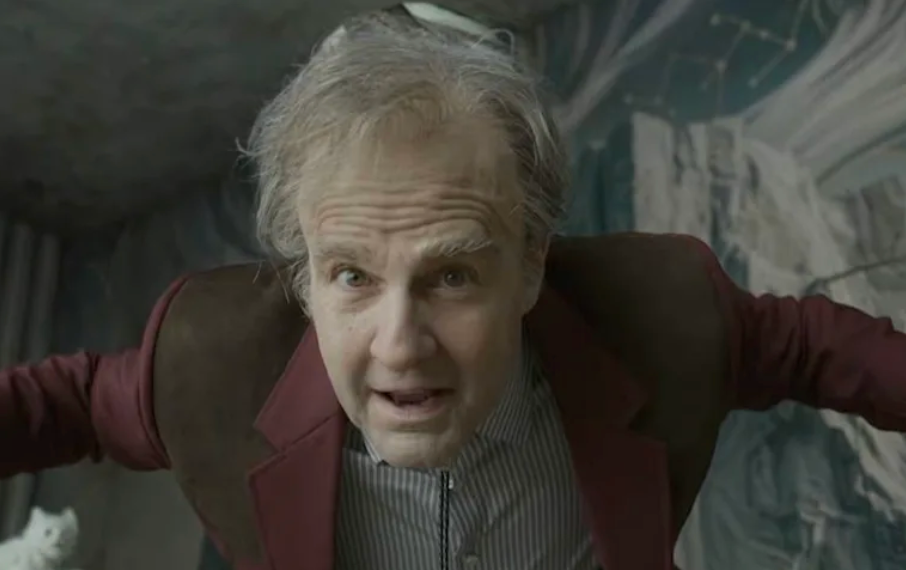
"Cinema in the modern landscape has become too comfortable, too predictable, and too afraid of its own shadow. When we set out to build the world of Digger, we did not want to create an amusement park ride that flatters the audience’s expectations. We wanted to hold up a mirror that is sometimes difficult to look into. If everyone leaves the theater with the exact same opinion, we have failed. Art should provoke, it should challenge, and above all, it should demand a reaction."
Warner Bros. studio executives, while initially nervous about greenlighting such an aggressively non-commercial framing for a project starring one of the world’s most bankable movie stars, have ultimately embraced the polarizing discourse. In a confidential statement shared with industry trade publications, a senior distribution executive noted:
"In an era dominated by algorithmic safety and franchise fatigue, Digger represents the exact opposite: pure, unfiltered artistic conviction. We knew going in that this film would not play safely in every market, but the sheer level of engagement, debate, and cultural curiosity it has generated proves that audiences are starving for bold, unpredictable cinema."
Early reactions from The Independent’s film desk echoed this sentiment, emphasizing the physical and emotional toll the film exacts upon its viewers:
"The film almost dares the audience to dislike it for large swathes of its running time. It is abrasive, it is chaotic, and it refuses to offer easy catharsis. Yet, precisely because of its willingness to alienate viewers in pursuit of a grander, more dangerous artistic statement, it remains one of the most unforgettable cinematic experiences of the year."
Future Outlook: The Road to October 2 and Beyond
As the global release date of October 2 rapidly approaches, the true test for Digger will transition from exclusive festival screenings and guarded critical circles to the vast, unforgiving court of public opinion.
Will mainstream audiences embrace the structural risks and aggressive tonal shifts baked into Iñárritu and Cruise’s collaboration, or will the film suffer from audience rejection similar to other high-profile, swing-for-the-fences cinematic experiments? The answer will likely dictate not only the film’s box-office legs throughout the lucrative autumn theatrical window, but also its ultimate trajectory on the awards circuit.
For Tom Cruise, Digger represents a pivotal career milestone. By stepping away from the comforting confines of high-budget action franchises and handing his star power over to an uncompromising auteur like Iñárritu, Cruise has signaled a renewed hunger for prestige and artistic reinvention. Even if the film divides households and sparks fiery debates in parking lots across the globe, it cements his status as an actor willing to risk his cinematic capital for the sake of boundary-pushing art.
As theaters prepare to pull back the curtain on October 2, one reality remains indisputable: Digger is not a film that will be easily forgotten. Whether loved or loathed, it has successfully injected a rare, volatile dose of unpredictability back into the heart of modern Hollywood.