Executive Overview
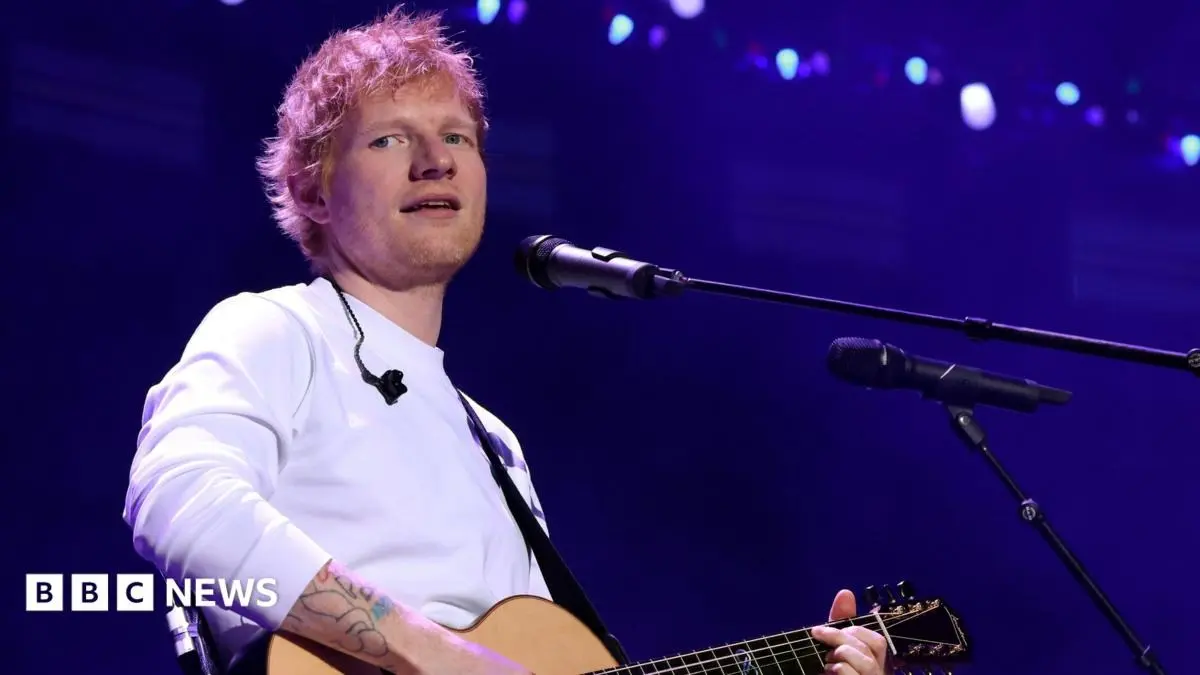
Pop superstar Ed Sheeran faced a dramatic and turbulent weekend in Foxborough, Massachusetts, as his highly anticipated back-to-back stadium performances were abruptly canceled due to hazardous weather conditions. The British singer-songwriter was scheduled to take the stage at the iconic Gillette Stadium on Friday and Saturday as part of his sweeping United States tour. However, severe meteorological warnings—including high winds and heavy downpours sweeping across Boston and New England—forced organizers, local emergency officials, and venue management to pull the plug on the events to safeguard tens of thousands of concertgoers, touring staff, and venue personnel.
While the immediate driver of the weekend’s cancellations was environmental safety, the timing compounds what has already been an exceptionally grueling and contentious period for the artist. For the past week, Sheeran has found himself at the epicenter of a fierce cultural and political firestorm. The controversy stems from the controversial removal of his supporting act, American rapper Macklemore, who was dropped from the tour following politically charged on-stage remarks regarding the ongoing conflict in Gaza. The fallout from Macklemore’s dismissal has generated widespread debate regarding artistic expression, the boundaries of political speech on concert stages, the influence of high-profile venue owners, and the broader social responsibilities of major global touring acts.
This dual crisis—weather-induced logistics colliding with deep-seated geopolitical tensions—highlights the immense vulnerabilities facing contemporary live entertainment operations. As promoters navigate unpredictable climate patterns and volatile socio-political landscapes, the events in Foxborough serve as a stark reminder of how quickly a major commercial tour can be derailed by forces entirely outside the performer’s control.
Detailed Chronology
The Build-Up to the Foxborough Weekend
The lead-up to Ed Sheeran’s Gillette Stadium residency was already fraught with tension. Weeks prior, the tour had been running smoothly, drawing massive crowds and generating critical acclaim for its immersive "in-the-round" staging. However, the atmosphere shifted drastically following a series of performances where Macklemore—serving as one of the primary support acts—utilized his platform to address international politics.
The Catalyst: On-Stage Protests and Immediate Fallout
During preceding tour dates, Macklemore delivered impassioned speeches advocating for Palestinian rights, explicitly calling for a "free Palestine," referencing genocide in Gaza, and displaying visual imagery related to the conflict on the venue’s large-scale screens. These remarks provoked an immediate and polarized reaction.
Prominent figures within the entertainment and business communities quickly scrutinized the tour’s direction. Robert Kraft, the billionaire owner of the New England Patriots and Gillette Stadium, alongside other key venue stakeholders, strongly objected to the rhetoric. Kraft, a prominent Jewish American philanthropist, condemned the statements, classifying them as inflammatory and accusing the rapper of hate speech. Consequently, venue leadership made it clear that Macklemore would not be permitted to perform at Gillette Stadium under any circumstances.
The Promoter’s Intervention and Artist Backlash
Faced with an impending boycott or outright ban from a critical stadium venue, tour promoters made the executive decision to remove Macklemore from the remainder of the lineup. The decision immediately triggered a secondary wave of controversy. Freedom of speech advocates, fans, and industry peers criticized the move as an act of censorship and corporate overreach.
In a show of solidarity, several of Sheeran’s other supporting acts and backing artists chose to pull out of the tour in protest, leaving the production scrambling to manage internal discord. Sheeran himself addressed the tumultuous situation during a subsequent live performance, offering an emotional apology to his fans, admitting that he had been forced to navigate deeply painful, difficult decisions, and acknowledging that mistakes had been made along the way.
The Weather Crisis Unfolds
As the dust from the Macklemore controversy began to settle, logistical preparations shifted toward the weekend weather forecasts. By Thursday evening, meteorological services across Massachusetts and the broader New England region issued severe weather warnings, citing rapidly deteriorating atmospheric conditions, including sustained high-winds and torrential rainfall expected to persist throughout the weekend.
Local emergency management teams held emergency consultations with Gillette Stadium operators and tour promoters on Friday morning. With wind gusts threatening the structural integrity of temporary stage rigging, lighting arrays, and outdoor audio equipment, officials determined that proceeding with the concerts posed an unacceptable risk to public safety.
The Cancellation Announcement and Refund Process
By midday Friday, the official cancellation notices were dispatched across digital channels. The abrupt halt left thousands of traveling fans stranded or scrambling to alter their weekend itineraries. Tour organizers and Gillette Stadium management swiftly mobilized customer service protocols, announcing comprehensive refund structures to mitigate fan frustration.
Supporting Context & Metrics
The Scale of Gillette Stadium and the US Tour
Gillette Stadium, located in Foxborough, Massachusetts, is one of the premier entertainment and sports venues in the United States, boasting a seating capacity of over 65,000 for concerts. A two-night cancellation at this scale represents a massive financial and logistical disruption.
- Estimated Impact:
- Ticket Sales: Approximately 130,000 aggregate tickets affected across both Friday and Saturday nights.
- Economic Footprint: Millions of dollars in localized revenue lost for Foxborough and greater Boston hotels, restaurants, transportation networks, and retail businesses.
- Production Logistics: Dozens of semi-trucks, hundreds of touring crew members, and complex stage configurations left idle or forced into rapid rescheduling.
The Geopolitical Flashpoint in Live Music
The clash over Macklemore’s participation reflects a broader trend within the global entertainment industry, where artists are increasingly pressured to take public stances on complex geopolitical conflicts—or conversely, penalized for doing so.
[Macklemore On-Stage Remarks]
       │
       ▼
[Venue Leadership / Robert Kraft Objections]
       │
       ▼
[Promoter Decision: Removal from Tour]
       │
       ▼
[Industry Backlash & Support Acts Pulling Out]
       │
       ▼
[Ed Sheeran Apology & Public Scrutiny]
Industry analysts note that modern stadium tours operate within a delicate ecosystem involving corporate sponsors, municipal authorities, venue moguls, and diverse fanbases. When political activism intersects with commercial entertainment, the financial stakes often force promoters to make swift, risk-averse decisions that can alienate segments of both the workforce and the audience.
Official Statements
Gillette Stadium Management Statement
In an official release issued on Friday, venue operators detailed the collaborative decision-making process that led to the cancellations:
"Due to the severe weather warnings in place in Boston and across New England throughout the weekend and following consultation with local officials, the promoter and tour have made the difficult decision to cancel the Ed Sheeran concerts at Gillette Stadium.
The decision was made with the safety of fans, staff and everyone involved in the shows as the top priority.
Refunds are available now at the point of purchase. Ticketholders who purchased through Ticketmaster will be automatically refunded."
Official Meteorological Advisories
National Weather Service bulletins underscored the severity of the atmospheric conditions, noting that high-wind warnings remained in strict enforcement across eastern Massachusetts through the early hours of Sunday morning. Municipal authorities strongly urged area residents and visitors to minimize non-essential travel, citing downed tree branches, potential power outages, and hazardous driving conditions on major regional corridors like Interstate 95 and Route 1.
Ed Sheeran’s Stance and Promoter Clarifications
Throughout the unfolding controversies, Ed Sheeran’s camp maintained that the removal of Macklemore was executed strictly at the behest of tour promoters and venue owners rather than as a direct creative censorship decree by the headliner.
Promoters reinforced this position, explaining that major venue owners—most notably Robert Kraft—wield contractual authority and would have legally blocked the concerts from occurring entirely if the controversial support act remained on the billing. Sheeran’s candid remarks from the stage last week—wherein he confessed to navigating a series of impossible choices and expressed profound regret—demonstrated the heavy emotional toll the situation has taken on the artist as he attempts to steer his massive global enterprise through turbulent waters.
Future Outlook
Rescheduling Realities and Logistical Hurdles
As the meteorological warnings subside and clean-up operations commence in Foxborough, attention turns toward the future of the tour. Promoters have not yet confirmed whether the canceled Gillette Stadium dates will be successfully rescheduled later in the itinerary. Given the tightly packed logistics of an international stadium tour, finding a vacant window at a venue as heavily booked as Gillette Stadium presents a monumental scheduling challenge.
Industry Ramifications
The dual crises encountered in Massachusetts will likely serve as a watershed moment for concert touring protocols. Moving forward, industry analysts predict several key shifts:
- Enhanced Weather Contingency Planning: Promoters may incorporate stricter climate thresholds and more flexible rescheduling clauses into venue contracts to account for increasingly volatile weather patterns driven by climate change.
- Clearer Guidelines on Political Speech: Venues and promoters are expected to review rider agreements and speech clauses to preemptively address how political discourse is handled by supporting acts, minimizing the risk of sudden, reactive bans.
- Crisis Communication Strategies: Major touring entities will likely refine their public relations strategies to address internal artist disputes and external boycotts with greater transparency and speed, mitigating long-term brand erosion.
For Ed Sheeran and his team, the immediate priority remains stabilizing the tour, restoring morale among remaining crew members, and reconnecting with fans in upcoming cities. However, the events in Foxborough will leave a lasting mark, illustrating how quickly the worlds of climate instability, corporate influence, and global politics can converge to disrupt even the most meticulously planned musical spectacles.