Executive Overview
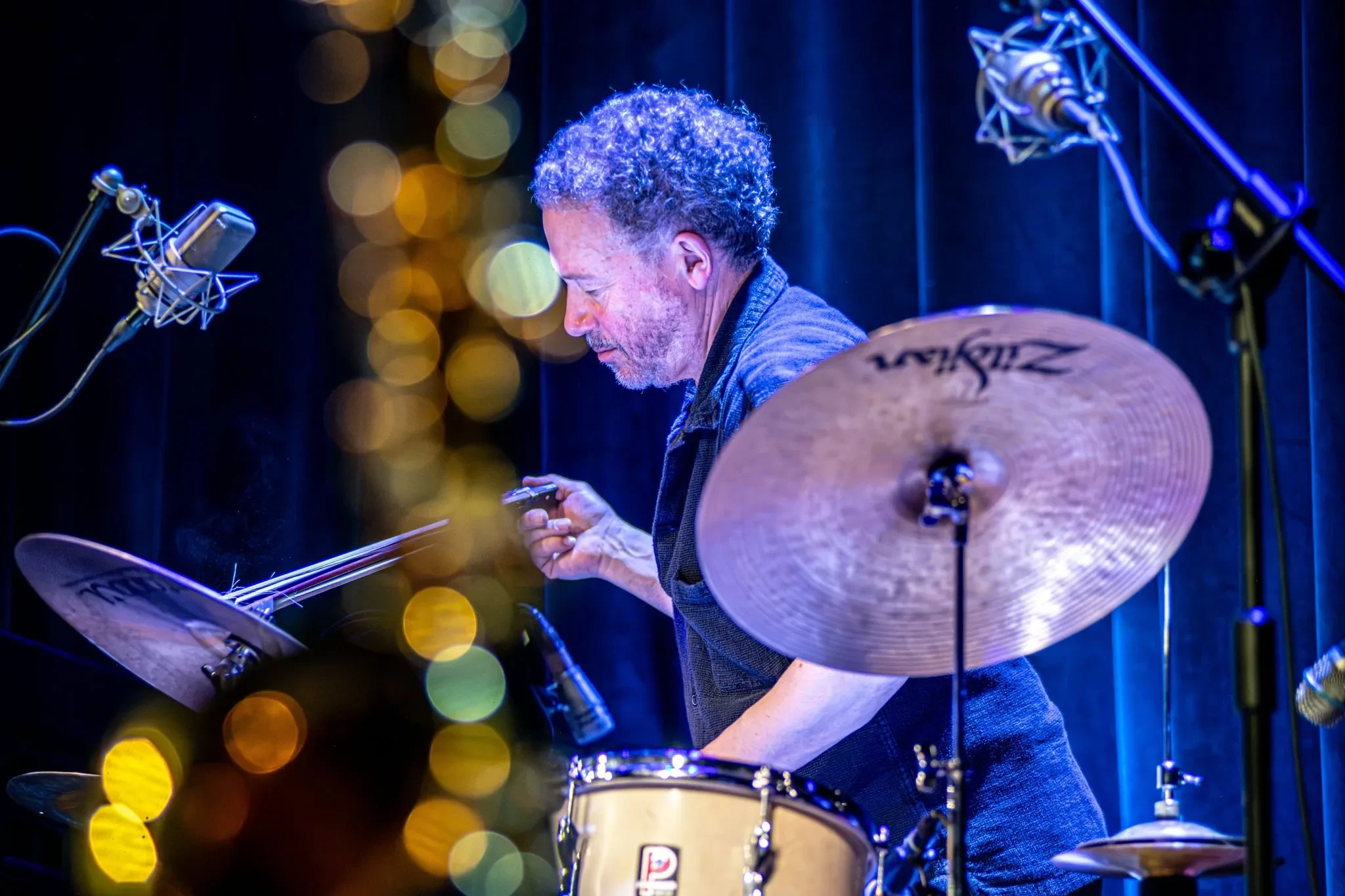
To speak with Mark Sanders is to trace the invisible architecture of modern British jazz, free improvisation, and avant-garde music over the past five decades. Born in Beckenham, Kent, in 1960 and carrying a rich British-Belizean heritage, Sanders has quietly established himself as one of the most inventive, sensitive, and sought-after percussionists in contemporary music. With a discography spanning upwards of 200 recordings, his rhythmic vocabulary bridges the gap between structured jazz, punk rock energy, reggae basslines, and radical spontaneous composition.
From workingmen’s clubs touring ABBA covers to spiritual jazz festivals curated by the Dalai Lama in Hiroshima, Sanders’ career is a masterclass in versatility. Operating from his home in Birmingham via a Zoom conversation that bridges history and the present day, Sanders reflects on an extraordinary life in music—a journey fueled by curiosity, fueled by a relentless work ethic, and defined by an unwavering commitment to the unknown.
Detailed Chronology: From Beckenham Beats to the Stockwell Collective
The Formative Years: Records, Rock, and the Roundhouse
Sanders’ initiation into music began long before he ever sat behind a drum kit. Growing up in Kent, his early sonic worldview was shaped by a familial juxtaposition of genres.
"He was listening to good rock music," Sanders recalls of his uncle, whose record collection proved pivotal. "I fell in love with it all. I loved Keith Moon. The Who was it for me, but I really enjoyed the jazz my dad was listening to as well."
As a teenager in the late 1970s, Sanders sought formal instruction, beginning lessons with Warrington-based musician Nobby Clark. These lessons served as a portal into London’s fertile underground music scene. Clark’s house in Stockwell functioned as an informal salon for creative spirits. When Clark moved out, Sanders inherited his place in the commune.
Living arrangements were dense with creative potential. Down the hall were future members of the alternative and post-punk waves, including musicians who would play with Lene Lovich and trumpet player Ted Emmett of The Teardrop Explodes. Upstairs lived double bassist Paul Rogers, who would go on to work with British jazz titans Stan Tracy and Evan Parker.
Simultaneously, Sanders immersed himself in the live music revolution of the capital. "I fell in love with this amazing creative music," Sanders says. "I’d be going to all sorts of gigs all the time. Punk gigs at the Roundhouse. The Jam. Motörhead supporting the Damned—that was amazing."
The Workingman’s Crucible and the Melody Maker Era
Before diving headfirst into the avant-garde, Sanders cut his teeth in the unforgiving trenches of commercial gigging. His earliest professional performances involved playing in a disco covers band alongside a bass-playing peer.
"We did all the workingmen’s clubs up north. Three sets of ABBA a night," Sanders laughs, reflecting on the rigorous endurance required for the job. "We went to Germany and played American Air Force bases. It was a good education."
Returning to London, Sanders found himself captivated by the post-punk DIY ethos championed by bands like The Slits and The Raincoats. Seeking kindred spirits, he placed an advertisement in the legendary music weekly Melody Maker. The ad drew the attention of musician Simon Rose, leading to the formation of Animal Answer. The group secured a record deal with Bonaparte Records and cut their teeth on the live circuit, notably placing second at the Woolwich Tramshed Battle of the Bands.
Jazz Education and the Brixton Scene
By the age of 20, Sanders was ready to formalize his jazz education. He enrolled in council-run evening classes in Brixton, led by trumpeter Brian Tueson.
"He really helped me, and Paul Rogers introduced me to lots of people," Sanders notes. Through these connections, he rubbed shoulders with reggae session luminaries such as Tony Uta (noted for his work with Linton Kwesi Johnson) and saxophonist Michael "Bami" Rose, known for his work with Cymande and Aswad. "I was learning with great players," he reflects.
In 1978, Sanders made a bid for a high-profile punk-adjacent gig, auditioning for Public Image Ltd (PiL). The position ultimately went to Jim Walker, a Berklee alumnus.
"It was between me and Jim Walker, who got the job. He’d just left Berklee. He was fantastic. I was just starting out," Sanders recalls candidly. Decades later, the PiL connection would come full circle when Sanders forged a long-term artistic partnership with the band’s former bassist, Jah Wobble.
The Rise of Free Improvisation
While navigating the mainstream and alternative rock scenes, Sanders attended afternoon classes in free improvisation led by violinist Philipp Wachsmann. There, he crossed paths with electronic musician and violinist Phil Durrant.
"He was playing electronics and violin. He suggested we run a regular gig as a duo, with a special guest each week," Sanders explains.
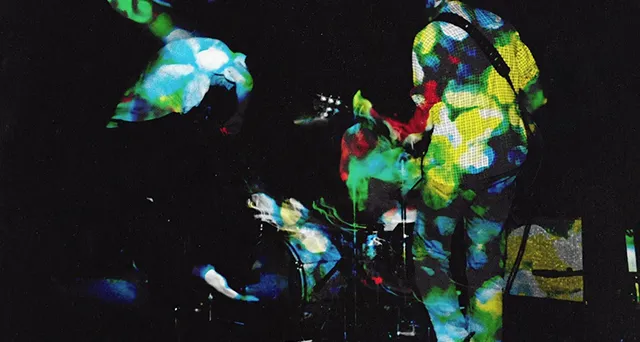
That weekly residency became a watershed moment. Saxophonist Evan Parker was among the early guest artists. Impressed by the young percussionist, Parker called him the next day for an engagement. Saxophonist Elton Dean soon followed, extending an invitation to join his band.
As the 1980s jazz boom—spearheaded largely by a vibrant community of Black British artists centered in London—swept the capital, Sanders found himself in high demand. Because young jazz drummers were scarce, he balanced restaurant and bar gigs with avant-garde collaborations alongside Jon Lloyd, Paul Rogers, and John Edwards.
Supporting Context & Metrics: The 1990s and Beyond
Navigating "Feast and Famine"
Throughout the 1990s, Sanders solidified his status as an indispensable component of the European improvised music infrastructure. He recorded extensively with Evan Parker, Elton Dean, composers Tim Richards and Simon H Fell, and pianist Veryan Weston. In 1996, he collaborated with British improviser Steve Beresford on the acclaimed albums Fish Of The Week and Cue Sheet, alongside participating in sessions for pop-art icon David Sylvian.
Despite his critical acclaim, financial stability in the realm of free improvisation remained precarious.
"You have this sort of feast and famine, especially playing improvised music," Sanders admits. "In the mid-90s, I was able to come off the dole. I started touring more high-profile gigs. I started working in Europe. I was getting calls from France and Germany. When EasyJet and Ryanair started, it was easier."
The Jah Wobble Era and Global Collaborations
The turn of the millennium marked the beginning of Sanders’ creative partnership with Jah Wobble. The two met through Clive Bell, a specialist in Asian wind instruments and a mutual collaborator of Wobble’s.
"He brought Wobble around to my place, we had a play, and that was it," Sanders says. "I learned a lot from Wobble. He was great for long, improvised grooves, each lasting about half an hour."
Over the subsequent decade, Sanders contributed to 10 albums with Wobble. This period also saw him expand his international footprint, recording with experimental composer John Wall, electronic duo Spring Heel Jack, the London Improvisers Orchestra, trumpeter Wadada Leo Smith, and Art Ensemble of Chicago saxophonist Roscoe Mitchell.
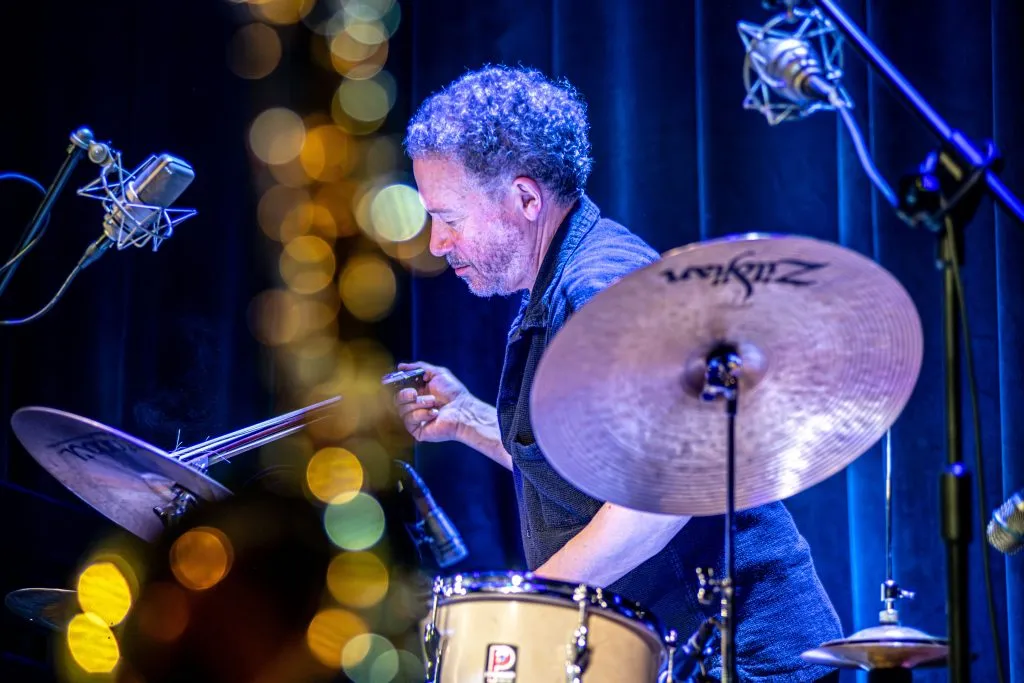
More recent additions to his discography include exploratory records with bassist-composer Neil Charles, saxophonist Larry Stabbins, and saxophonist John Butcher.
Official Statements & Highlights
Reflecting on a career that has yielded over 200 credited recordings, Sanders points to several transcendent moments that validate his lifelong dedication to acoustic exploration.
- The Hiroshima Sacred Music Festival (2000): Performing with Jah Wobble’s band and a collective of Laotian musicians (captured on the album Molam Dub) at a festival curated by the Dalai Lama stands out as a profound memory. "It was a wonderful band, and an amazing experience," Sanders notes.
- Tarab Cuts with John Butcher: Sanders regards his ongoing creative relationship with saxophonist John Butcher as defining. "John Butcher is a big part of my career. I’d wanted to play with him for so long. He had this project called Tarab Cuts with improvising and soloing. We went to Brazil, the USA, and to Beirut, which was a wonderful experience."
- Eclectic Encounters: Beyond his major partnerships, Sanders cherishes "lots of great gigs with Evan [Parker], playing with people like Harold Budd. Playing with [trumpeter] Wadada Leo Smith was always a joy, and doing Glastonbury with [saxophonist] John Tchicai as a duo."
Future Outlook
Despite an impressive legacy that bridges the generation of pioneering British free jazz architects and contemporary avant-garde practitioners, Mark Sanders displays zero inclination toward resting on his laurels. For him, the drum kit remains an ongoing research laboratory.
"I’m always practising," Sanders states, offering a glimpse into his daily regimen. "I was up at six this morning to avoid the heat. I love working on possible new directions. I’ve tried sticking to one area, but I really just love being versatile."
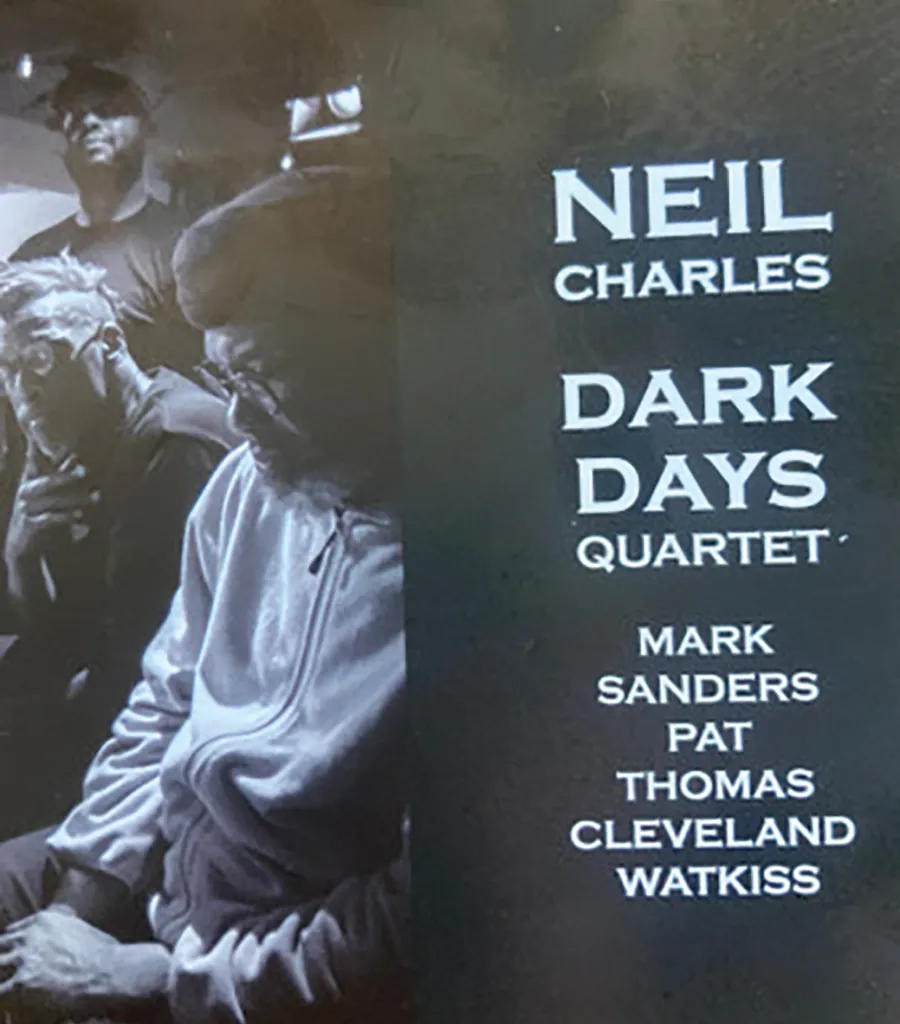
As evidenced by recent contemporary releases—such as Neil Charles, Cleveland Watkiss, and Pat Thomas’s album Dark Days on Jazz Now Records—the ecosystem of British improvised music remains vibrant, challenging, and deeply vital. At the rhythmic heart of this movement sits Mark Sanders: a percussionist whose curiosity remains as boundless as the spaces he chooses to fill.