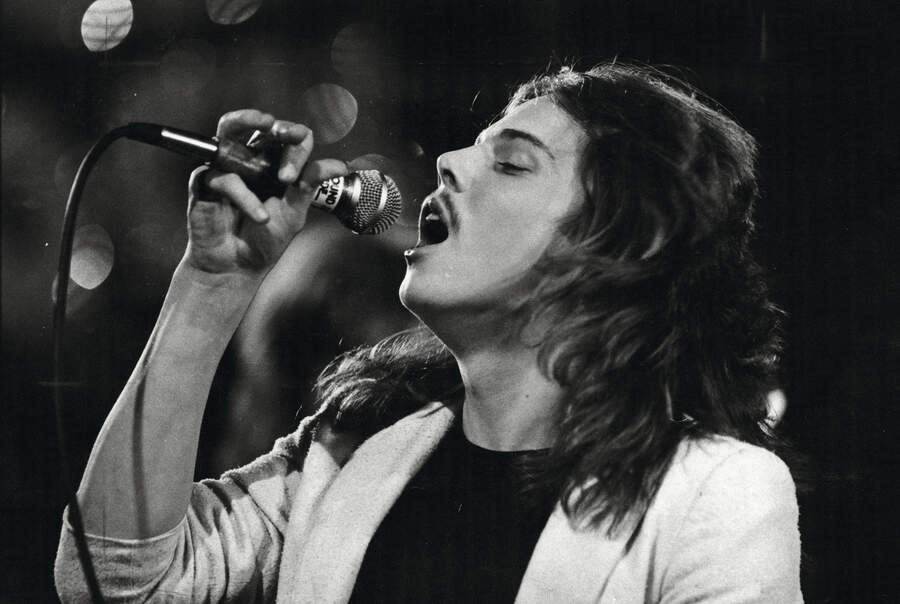
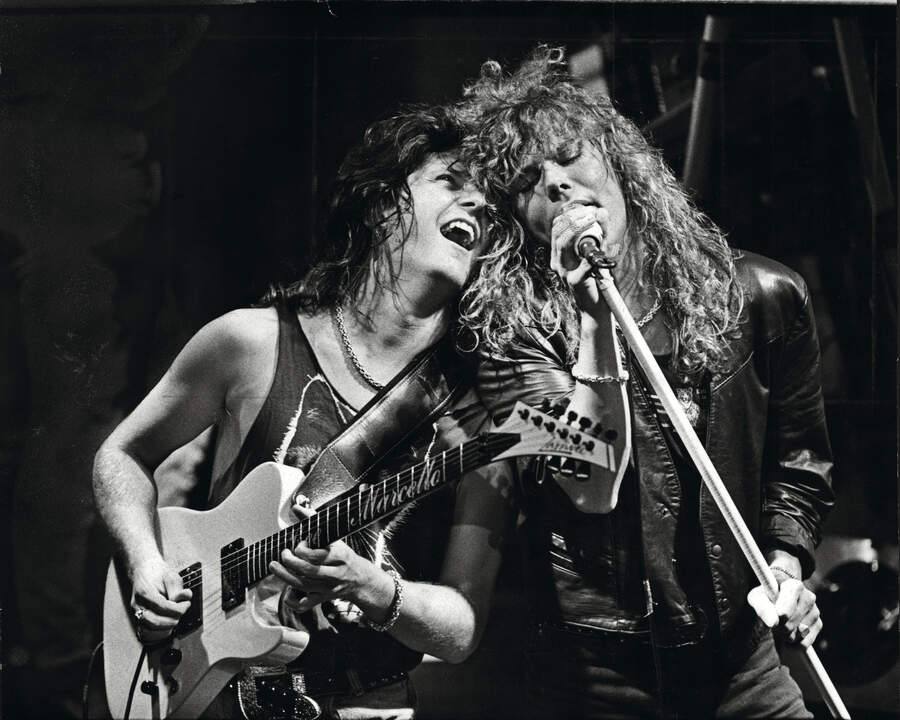
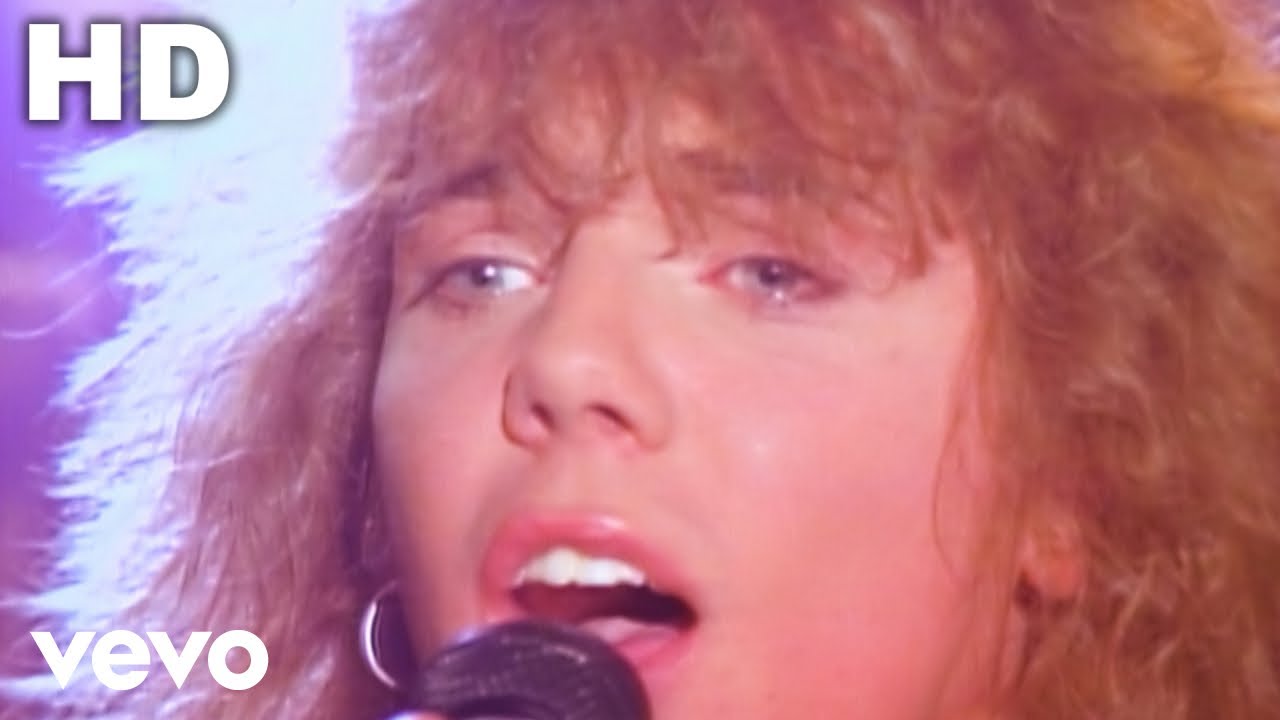
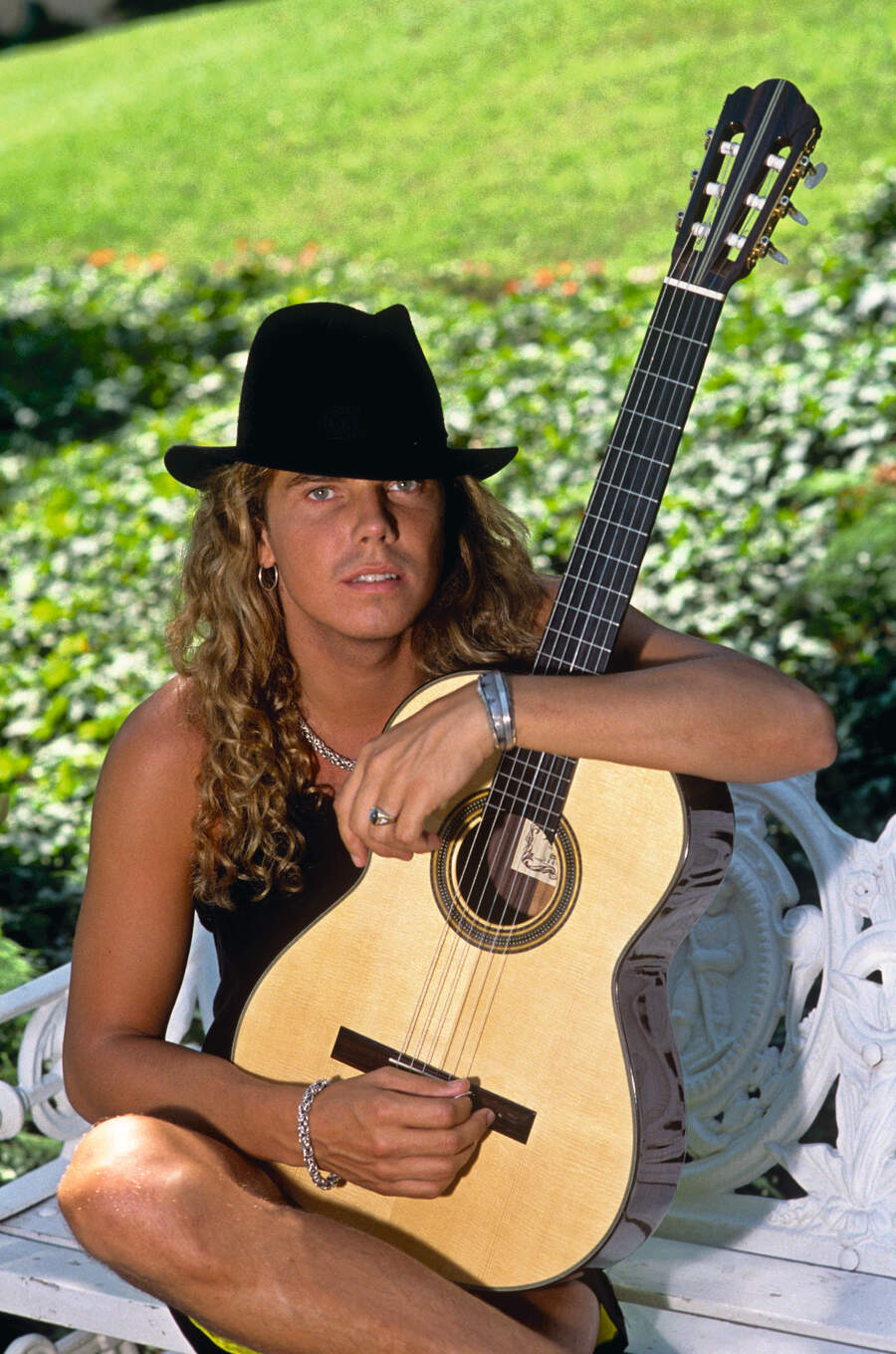
For over four decades, Rolf Magnus Joakim Larsson—known globally by his stage name Joey Tempest—has navigated one of the most dynamic careers in modern rock history. From a suburban sports enthusiast in Upplands Väsby to the frontman of one of Sweden’s most successful cultural exports, Tempest has evolved through multiple artistic identities: 1980s pop-rock icon, rootsy solo singer-songwriter, and the driving force behind Europe’s modern classic-rock renaissance.
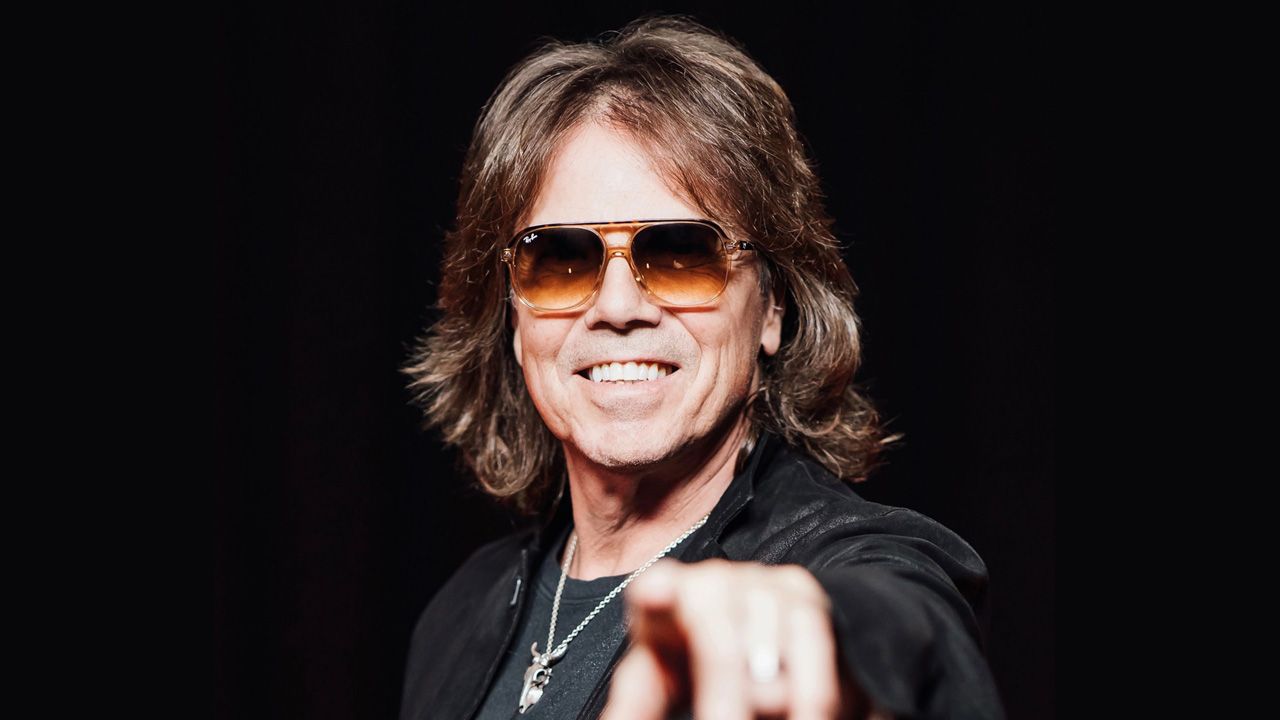
Today, at 62, Tempest stands at the helm of a band that has defied the typical trajectory of 1980s hard rock acts. Following an eight-year studio gap amplified by the global pandemic, Europe has returned with their latest studio album, Come This Madness (released via Silver Lining Music). The record marks another milestone in a 21st-century resurgence that has earned critical respect across generations of hard rock fans. Featuring the band’s classic lineup alongside guest backing vocals from fellow Swedish heavyweights Tobias Forge (Ghost) and Mikael Åkerfeldt (Opeth), the project represents both a nod to Europe’s mid-80s production heights and the organic, heavy-hitting rock punch perfected across their recent discography.
Below is an exhaustive retrospective of Tempest’s life, the trajectory of Europe, key industry metrics, and directly stated perspectives from the vocalist himself.
Detailed Chronology: From Upplands Väsby to Global Stardom
+-----------------------------------------------------------------------------------+
|                                 BAND TIMELINE                                     |
+-----------------------------------------------------------------------------------+
| 1979: Formed as Force in Upplands Väsby by Tempest, Norum, Levén, & Reno.        |
| 1982: Renamed Europe; Win Rock-SM contest; Release self-titled debut album.       |
| 1985: Lineup solidifies with Mic Michaeli (keys) & Ian Haugland (drums).          |
| 1986: "The Final Countdown" released; John Norum departs, Kee Marcello joins.     |
| 1992: Band enters extended hiatus; Tempest pursues Americana solo career.          |
| 1999/2003: Classic lineup reunites; Release "Start From The Dark" (2004).          |
| 2012–2017: Critical renaissance with "Bag Of Bones", "War Of Kings", "Walk The Earth".|
| Present: Release of 11th studio album "Come This Madness" & global touring.       |
+-----------------------------------------------------------------------------------+
Youth, Sports, and the Genesis of Force (1963–1981)
Born on August 19, 1963, in Upplands Väsby, a northern suburb of Stockholm, Tempest grew up in a supportive household. His father, a commercial pilot, initially steered young Joey toward competitive sports. Tempest excelled in gymnastics, ice hockey, and kart racing—a sport where he competed nationally while his father served as his primary mechanic.
However, music quickly superseded athletic pursuits. Tempest taught himself piano on an instrument originally purchased for his sister, picking up melodies by ear from radio hits like Elton John’s Crocodile Rock. By age ten, he had penned his first song (I Long For The Country) and formed his first band, Made In Hong Kong, followed by short-lived projects Jet, Blazer, and Roxanne.
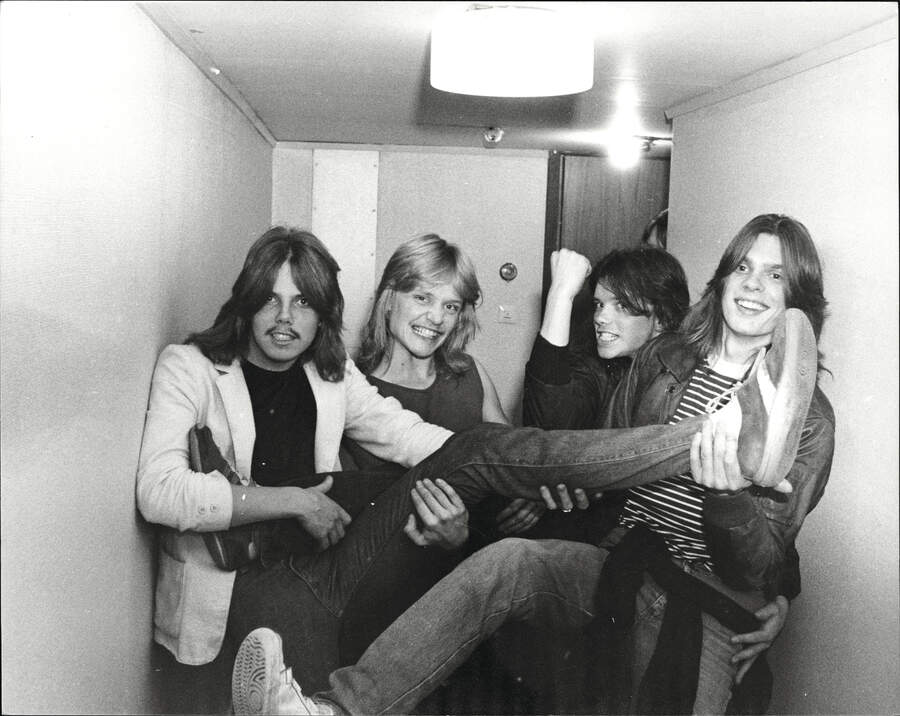
A pivotal shift occurred when a 15-year-old Tempest attended a local gig by WC, a band featured by 14-year-old guitarist John Norum. Impressed by Norum’s technique despite the guitarist’s quiet demeanor, Tempest forged a friendship that led to the creation of Force alongside bassist John Levén and drummer Tony Reno (born Tony Niemistö). The group honed their chops in local rehearsal rooms, bonding over imported records by Thin Lizzy, UFO, Deep Purple, and Mahogany Rush.
The Breakthrough and the "Final Countdown" Phenomenon (1982–1987)
In 1982, encouraged by Tempest’s then-girlfriend, Force entered Rock-SM, a national Swedish talent contest. Renaming themselves Europe, the group took first place out of thousands of entrants. Tempest won Best Lead Singer, and Norum took home Best Guitarist. The prize included a record deal, culminating in their self-titled 1983 debut and 1984’s Wings of Tomorrow.
To enhance their live performances, Tempest stepped away from double-duty on keyboards. In 1985, the lineup expanded to include full-time keyboardist Gunnar "Mic" Michaeli and powerhouse drummer Ian Haugland, establishing the core quintet that defines the band today.
In late 1985, Europe relocated to Power Play Studios in Maur, Switzerland, with producer Kevin Elson to record their third album. Driven by a synth motif Tempest had written years earlier on a borrowed keyboard, The Final Countdown was released in May 1986. The title track became a cultural juggernaut, reaching #1 in 25 countries and propelling the album to multi-platinum status worldwide.
However, global pop stardom created internal friction. Overwhelmed by grueling promotional circuits and stylistic shifts away from heavy rock, founding guitarist John Norum departed in late 1986, replaced by former Easy Action guitarist Kee Marcello.
                  [1986 GLOBAL CHART EXPLOSION]

                +-------------------------------+
                |   #1 Single in 25 Countries   |
                +---------------+---------------+
                                |
        +-----------------------+-----------------------+
        |                                               |
+-------v---------+                           +---------v-------+
|  8 Million+     |                           |  15 Million+    |
| Singles Sold    |                           | Albums Sold     |
+-----------------+                           +-----------------+
Tour Pressure, Lineup Shifts, and the Grunge Paradigm (1988–1992)
With Marcello on lead guitar, Europe released Out Of This World (1988), produced by Ron Nevison, and Prisoners In Paradise (1991), produced by Beau Hill. While both records spawned hits like Superstitious and achieved major commercial success, they struggled to match the unprecedented metrics of The Final Countdown.
By 1992, the music industry was experiencing a seismic shift. As grunge and alternative rock reshaped radio formats and record label priorities, Europe elected to take a formal hiatus following a UK tour. The band members drifted apart to pursue personal lives and alternative creative outlets.
Solo Exploration, Reunion, and Hard Rock Renaissance (1993–Present)
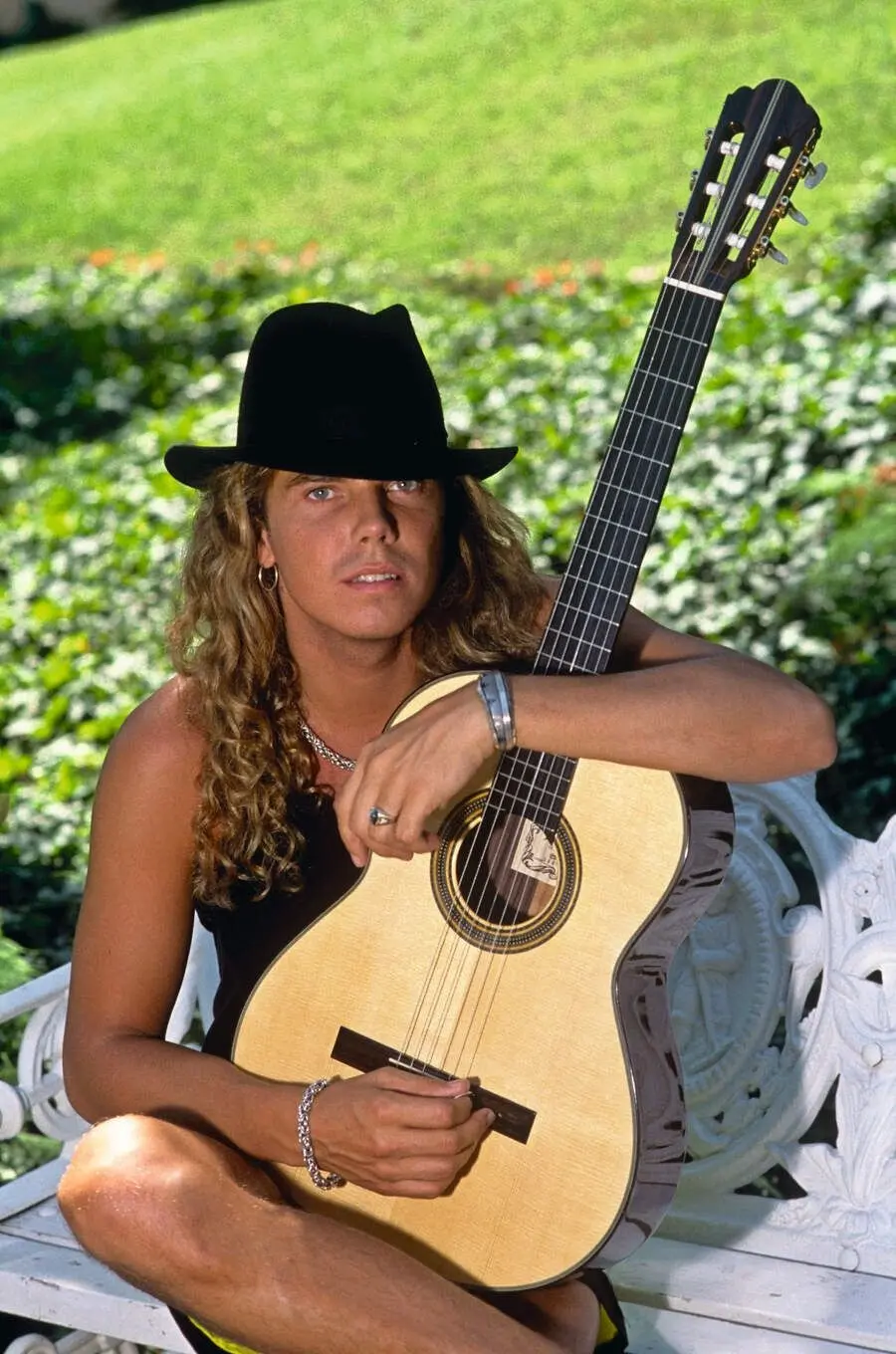
During the hiatus, Tempest relocated to London and later Ireland. Re-rooting his musical identity, he embraced Americana, folk, and singer-songwriter influences, releasing three solo albums: A Place to Call Home (1995), Azalea Place (1997), and Joey Tempest (2002).
In late 1999, the classic lineup (Tempest, Norum, Levén, Michaeli, Haugland) reunited for a one-off New Year’s Eve performance in Stockholm. The chemistry proved undeniable. By 2003, Europe formally declared their permanent reunion, explicitly rejecting nostalgia-only package tours in favor of writing modern material.
Beginning with Start From The Dark (2004), Europe initiated a run of gritty, classic-rock albums, including Bag Of Bones (2012), War Of Kings (2015), and Walk The Earth (2017). Their 2024–2025 campaign around Come This Madness solidifies their standing as one of the few 80s rock groups maintaining critical respect alongside arena-filling status.
Supporting Context & Metrics
Key Commercial Metrics
Release
Year
Key Single(s)
Global Sales / Achievements
Europe
1983
"Seven Doors Hotel"
Swedish Top 10 breakthrough
Wings of Tomorrow
1984
"Open Your Heart", "Stormwind"
International label attention (CBS)
The Final Countdown
1986
"The Final Countdown", "Carrie", "Rock the Night"
15M+ Albums / 8M+ Singles (#1 in 25 countries)
Out Of This World
1988
"Superstitious", "Open Your Heart ’88"
2M+ Albums worldwide
Prisoners In Paradise
1991
"Prisoners in Paradise", "I’ll Cry for You"
Certified Gold in multiple territories
Bag Of Bones
2012
"Not Supposed to Sing the Blues"
Certified Gold in Sweden; producer Kevin Shirley
Walk The Earth
2017
"Walk The Earth"
Grammis Award (Best Hard Rock/Metal in Sweden)
Come This Madness
Present
"Scandinavian Eyes", "Come This Madness"
Features guest vocals by Tobias Forge & Mikael Åkerfeldt
Sonic Evolution Analysis
Phase 1: Early Heavy/Progressive (1979–1984): Fast tempos, neoclassical guitar solos, dual keyboard-guitar arrangements heavily influenced by UFO, Thin Lizzy, and Rainbow.
Phase 2: Polished Arena Rock (1985–1991): Lush synth hooks, pristine backing vocals, radio-ready production engineered for stadiums and MTV.
Phase 3: Americana & Roots Solo (1992–2002): Acoustic instrumentation, storytelling lyricism, influences ranging from Bob Dylan and Neil Young to Jackson Browne.
Phase 4: Vintage Hard Rock (2004–2017): Blues-based riffs, analog recording equipment, production led by heavy-rock purists like Dave Cobb and Kevin Shirley.
Phase 5: Hybrid Polish & Punch (Present): Combines the refined structural arrangements of their 80s work with the heavy, unvarnished classic-rock tone built across their second act.
Official Statements: Tempest on Fame, Longevity, and Artistic Discipline
Reflecting on his career during a quiet respite in London, Tempest provided direct insight into the band’s history, survival tactics, and creative philosophy.
On the Whirlwind of "The Final Countdown" Stardom
"It was kind of Beatlemania in Manchester… we couldn’t make it from the limo to the venue, they’re grabbing hold of everything! But the good thing about this band is that we’re musicians—that’s what keeps bands going… the love for learning and playing. That can get you through being thrown into the pop world, because you can get stuck there.
When we came to Paris… the record company told us: ‘You can move here and play TV shows for the rest of your lives, you don’t have to do anything else.’ It was kind of scary. But when you’re steeped in Deep Purple, Zeppelin, Thin Lizzy, Gary Moore, you can survive any pop thing."
On Avoiding the Traps of Hard-Rock Excess
"Personally, I wasn’t so interested in [heavy drugs]. I was scared of getting stuck. I always wanted to move—move forward with the band ideas, with my life. You can get stuck in Paris doing family TV shows; you can get stuck in LA up in the hills going to these parties every night for years and years. That always scared me a bit. So I always left any town… I always wanted to move on and learn."
On Navigating Internal Friction and Early Band Breakups
"The problem with young bands and young egos is that you start riding in different limousines. You don’t talk to each other any more. You talk through the tour manager… So we stopped talking. And what we’ve learned over the years is to talk. Even if it’s a small thing, just talk about it."
On the Reunion Strategy and Modern Production Philosophy
"We had a meeting in 2003 and agreed that we would write more together. We also agreed to think long-term… we didn’t want to just do a ‘comeback tour’. We agreed in that meeting that it could take three or four albums before we start feeling really happy again.
On this new album [Come This Madness], we went back towards how we worked with Beau [Hill] and Kevin [Elson], putting more work into arrangement, preparation, production, mixing. We’re not hiding the fact that we wanted to produce this record properly, like we used to."
On Family Life and Personal Balance
"We respect each other. I think in our case it’s good because [my wife Lisa] is not really a musician or part of the music business. It gives me a great balance. It works for me to have a completely separate personal life… I’m more of a family guy too. I’m quite private, so I love family life with my two boys."
Future Outlook: The Enduring Legacy of Europe
As Europe prepares for an extensive European headline tour, their position within the global rock landscape remains uniquely secure. Unlike many of their 1980s contemporaries who rely strictly on legacy nostalgia or perform with fragmented original line-ups, Europe operates with the exact same five musicians who recorded The Final Countdown nearly four decades ago.
The critical reception to Come This Madness demonstrates that Europe’s contemporary output stands on its own merits rather than riding on past achievements. By striking a deliberate balance between polished stadium arrangements and heavy classic-rock performances, the band continues to attract both longtime followers and younger rock fans brought into the fold by high-profile modern admirers like Ghost’s Tobias Forge.
For Joey Tempest, the goal remains unchanged from his teenage years writing songs in his parents’ house in Upplands Väsby: to keep pushing his vocal range, refining his songwriting, and taking the stage alongside his childhood friends.
"To be in a rock band—one of the biggest bands for a while—and to still be here," Tempest reflects, "means so much to me. Being able to do that in my life is really exciting, and I don’t really regret anything."