Executive Overview
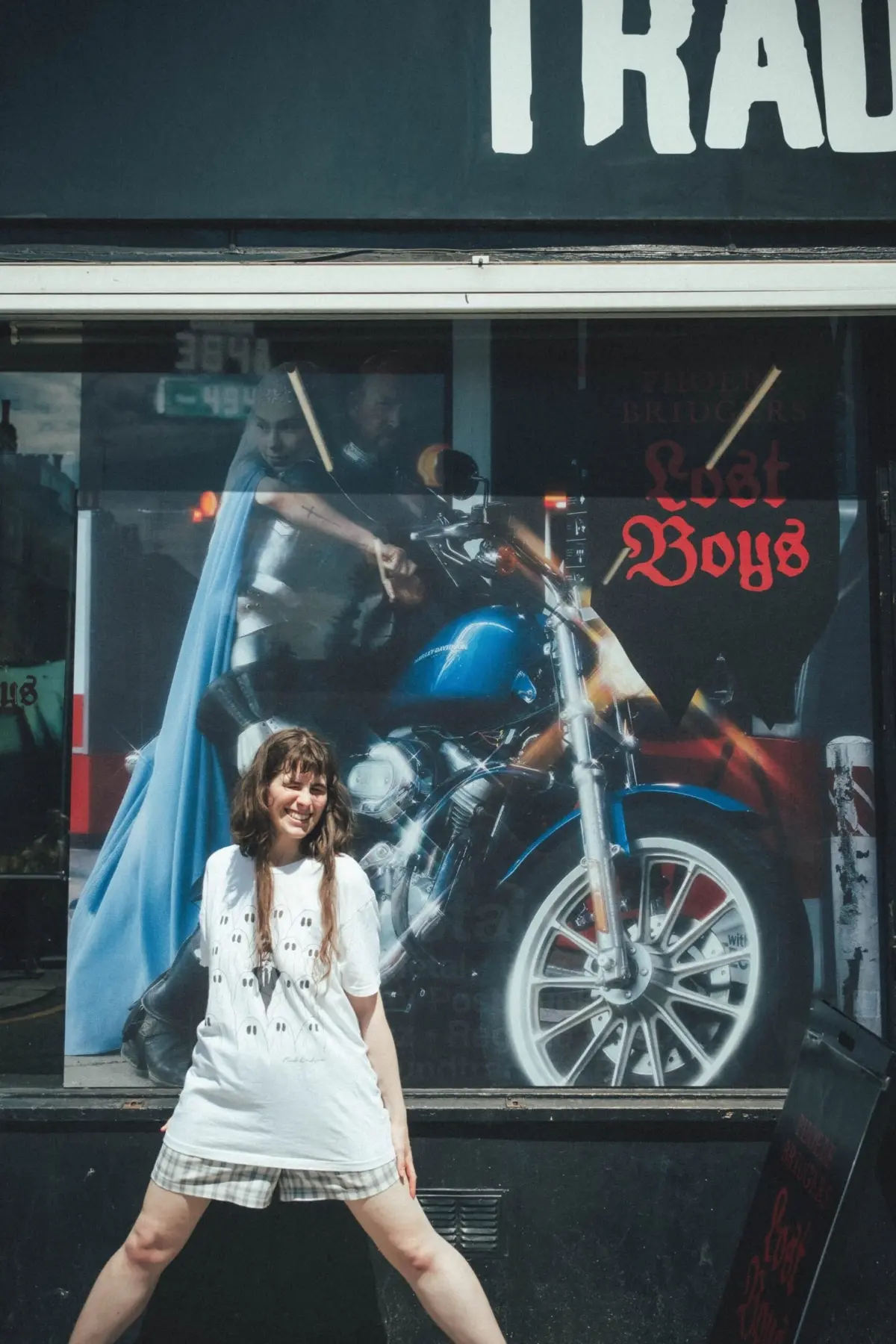
In the contemporary landscape of alternative singer-songwriters, few artists command the rare intersection of profound vulnerability and communal devotion quite like Phoebe Bridgers. From her confessional 2017 debut, Stranger in the Alps, to the existential sonic expansiveness of 2020’s Punisher, the collaborative triumph of boygenius, and her latest crowning achievement—Lost Weekend, named Rough Trade Album of the Year 2026—Bridgers has continuously redefined the parameters of modern indie rock.
This deep retrospective, curated through the lens of Celeste Madden of Rough Trade West, explores a singular fan-to-industry trajectory. It traces how Bridgers’ music evolved from a solitary adolescent discovery into a global phenomenon, culminating in an uncompromising, phone-free era that challenges the transactional nature of modern fandom.
Detailed Chronology: From Pre-Lockdown Discovery to ‘Lost Weekend’
1. The Genesis: Stranger in the Alps (2017)
Long before stadium tours and Grammy nominations, Phoebe Bridgers entered the public consciousness as an acute observer of human melancholy. Her 2017 debut, Stranger in the Alps, acted as an immediate revelation for teenagers navigating the shifting terrain of modern youth. Blending heavy metaphorical imagery with devastating lyrical directness—such as the stark conversation about drums and marriage immortalized in "Scott Street"—Bridgers established an observational songwriting style that has been frequently imitated but rarely equaled.
The album functioned less as a collection of standalone tracks and more as an emotional collage. It captured the blue, liminal spaces between everyday mundane actions and existential grief, punctuated by unconventional production choices like the ghostly weeping of the theremin. It was intimate, quiet, and uniquely hers—until the world caught up.
2. Isolation and Expansion: The Era of Punisher (2020)
When Punisher dropped in the summer of 2020, it arrived against the backdrop of global lockdown. For millions confined to their homes, the record became an anchor. As Madden reflects, "It was, at least for a little while, just me and Phoebe against a world that had disappeared."
Sonically, Punisher represented a massive structural evolution. Produced alongside Tony Berg and Ethan Gruska, the album layered lossy guitar compression, back-masked vocals, banjos, and synthesizers. It ranged from the propulsive, pop-rock drive of "Kyoto"—originally conceived as a slow ballad before Berg sped up the tempo—to the apocalyptic grandeur of "I Know The End." Channeling the observational grit of Joan Didion, the latter track’s explosive, horn-driven climax transformed personal heartbreak into a universal, cathartic scream against the end of days.
3. The Power of the Collective: boygenius and Stardom
As live music returned, Bridgers’ world expanded exponentially. The triumphant 2022 Reunion tour—highlighted by sweat-drenched nights at Brixton Academy—cemented her physical presence on the global stage.
Almost immediately following this grueling solo cycle, Bridgers plunged into the long-awaited debut full-length from her supergroup boygenius (alongside Lucy Dacus and Julien Baker). The Record propelled all three artists into unprecedented stratospheric success, culminating in Grammy wins and a monumental headline show at Gunnersbury Park in 2023. Within boygenius, Bridgers displayed a newfound playfulness and communal ease, before the trio gracefully stepped back into a temporary hiatus.
4. The Anti-Rollout: Reclaiming Memory in Lost Weekend (2026)
Navigating personal loss following the passing of her father, coupled with intense media scrutiny, Bridgers spent the intervening years quietly crafting her third solo LP. The arrival of Lost Weekend in late 2025 and early 2026 signaled an intentional counter-movement against modern pop-music hyper-exposure.
Kicking off with device-free pop-up shows tracked via UFO-related map coordinates across the United States, Bridgers demanded that her audiences experience her art untethered from smartphone screens. Lost Weekend directly confronts the concept of memory in the digital age, arguing that an emotional experience holds intrinsic value even without a 30-second video snippet attached to it.
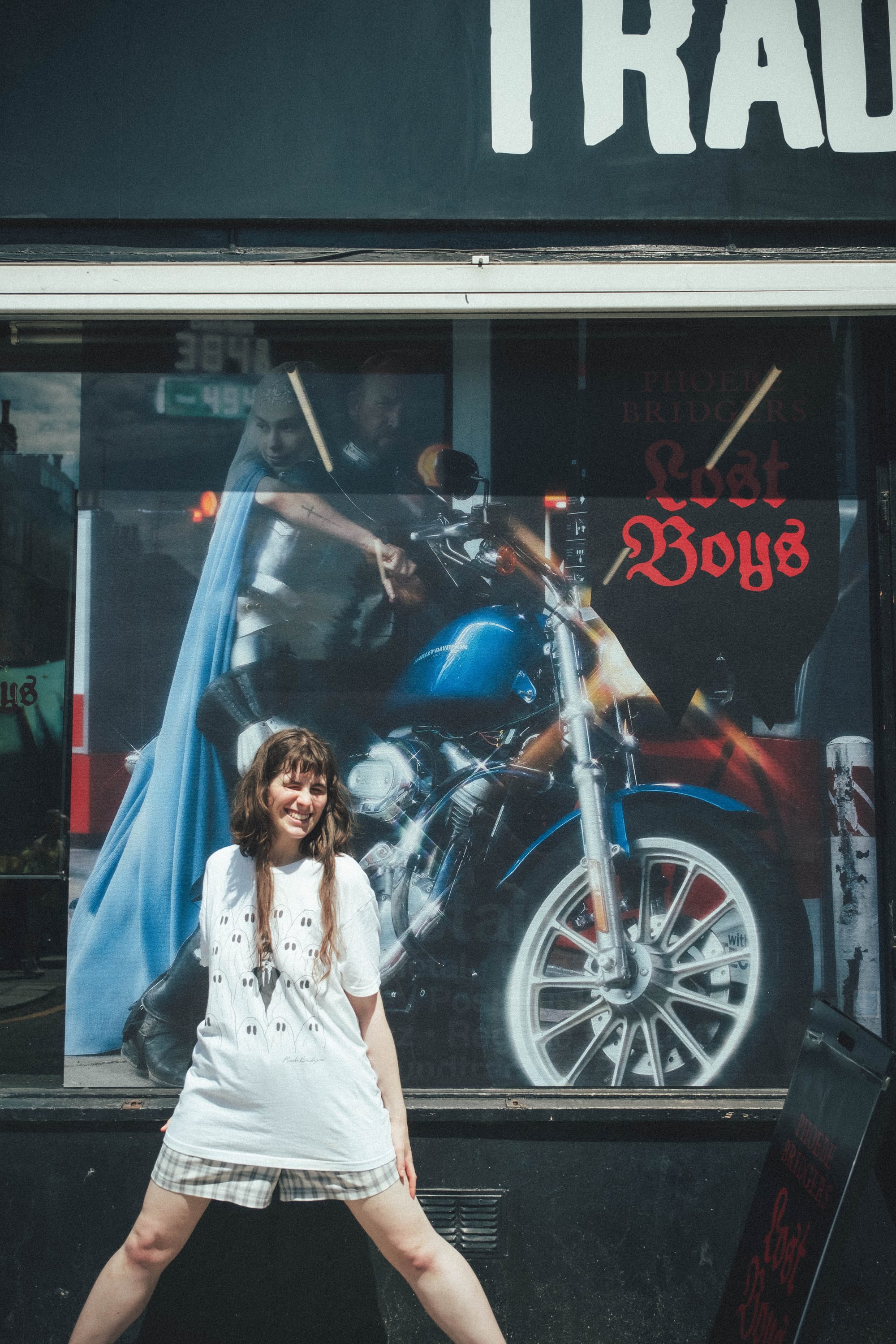
Opener "The Outside" sets a vulnerable, vocoder-laced tone, grappling with grief at a father’s funeral while simultaneously navigating the exhilaration of new romance. Far from an album of pure regret, tracks like lead single "Lost Boys," the bluegrass-inflected "Haunted," and the Cameron Winter duets ("Kill Me") mark a celebratory transition. They celebrate the shedding of old pain, looking toward an unwritten future beyond the apocalypse of Punisher.
Supporting Context & Metrics
- Critical Reception: Lost Weekend has garnered universal critical acclaim, culminating in its official crowning as Rough Trade’s Album of the Year 2026.
- Live Innovations: The accompanying Lost Weekend tour stands as one of the largest modern concert series to strictly enforce a phone-free environment, sparking industry-wide conversations about audience engagement, mindfulness, and the sanctity of the live music space.
- Fandom Dynamics: The term "punisher"—coined by Bridgers on her sophomore title track in reference to her idol Elliott Smith—has become a foundational piece of community lexicon, defining the delicate psychological tightrope between profound artistic devotion and the fear of overwhelming the artist.
Official Statements and Industry Reflections
Reflecting on her journey from listening to guitar tabs in her bedroom to working behind the scenes at Rough Trade West, Celeste Madden summarizes the enduring emotional architecture of Bridgers’ catalog:

“Phoebe Bridgers makes the deeply personal feel shared. From the intimate storytelling of Stranger in the Alps to the emotional worlds of Punisher and Lost Weekend, her music reminds us why we stay devoted to the songs that stay with you.”
The ethos of the Lost Weekend era—championed by independent record stores and intimate, device-free performances at venues like London’s Union Chapel—represents a conscious pushback against the commodification of fandom. By refusing to let digital documentation overshadow physical presence, Bridgers and her collaborators have re-established the sacred, irreplaceable bond between artist and listener.
Future Outlook
As Lost Weekend continues to dominate year-end lists and cultural conversations following its crowning as Rough Trade Album of the Year 2026, the question turns to what lies ahead for an artist who has seemingly survived the apocalypse and lived to tell the tale.
Having systematically dismantled the traditional album rollout—opting instead for mystery, tactical phone bans, and radical vulnerability—Bridgers has charted a blueprint for sustainable, high-integrity artistry in the 21st century. Whether through future collaborations, further sonic experimentation, or simply the quiet comfort of her lyrical candor, Phoebe Bridgers has proven that the magic of the music does not fade when the screens go dark. It only gets louder.