Executive Overview
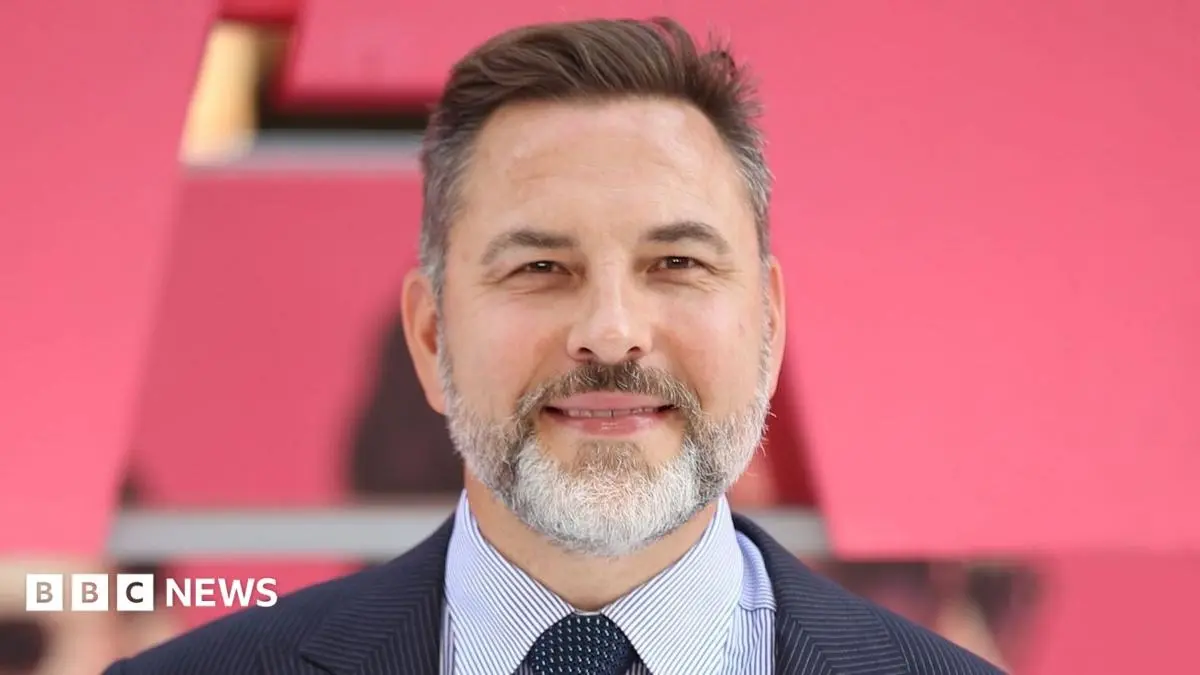
British entertainer and author David Walliams is facing severe public scrutiny and professional isolation following the publication of explosive allegations regarding his conduct over the past two decades. A comprehensive three-year joint investigation by The Guardian and ITN has accused the 55-year-old Little Britain star and former Britain’s Got Talent judge of preying on teenage girls—some as young as 15—and young women for sexual purposes, alongside mounting accusations of workplace harassment.
The publication of these serious allegations followed a failed legal bid by Walliams to secure a High Court injunction to block the reports. Legal representatives for the embattled celebrity argued before the court that the release of the investigation’s findings could lead him to take his own life. The High Court rejected the injunction, allowing the joint investigation to be made public.
While Walliams has strenuously denied all allegations of sexual predation and criminality, his career has experienced a devastating collapse. Longtime corporate partners, including major publishing houses, have severed ties, transforming one of Britain’s most prominent literary and television figures into a cultural pariah. This investigative report explores the timeline of these allegations, the legal battles preceding their publication, the broader history of professional controversies surrounding Walliams, and the structural implications of his downfall for the British entertainment and publishing industries.
Detailed Chronology
The Three-Year Investigation and Legal Showdown
The culmination of the joint investigative effort by The Guardian and ITN represents a pivotal moment in the ongoing cultural reckoning within the British entertainment industry. For three years, journalists pursued accounts from numerous women detailing concerning interactions with Walliams dating back ten to twenty years.
As the publication date approached, Walliams’ legal team attempted to preempt the release by pursuing a High Court injunction. The defense argued that the severe public fallout would jeopardize Walliams’ mental health, claiming he was a suicide risk. The judiciary ultimately ruled against the injunction, upholding the public interest in publishing allegations of a serious nature against a prominent public figure.
Career Trajectory: From Sketch Comedy to Literary Stardom
Born David Williams—a surname altered to avoid confusion with an existing member of the entertainment union Equity—Walliams rose to national prominence in the early 2000s. Alongside comedy partner Matt Lucas, he co-created and starred in the BBC sketch show Little Britain, which became a defining cultural touchstone of the era, though several of its satirical tropes and characterizations have since drawn significant modern criticism.
Transitioning from television comedy to children’s literature in 2008 with The Boy in the Dress, Walliams rapidly emerged as a commercial powerhouse. Often compared to Roald Dahl due to his whimsical, mildly subversive storytelling style, he published 23 children’s books that cumulatively sold over 50 million copies worldwide.
His mainstream appeal was further cemented in 2012 when he joined the judging panel of ITV’s Britain’s Got Talent, securing four National Television Awards (NTAs) for Best TV Judge. However, the seeds of his professional undoing were sown concurrently through a series of off-camera controversies and behind-the-scenes complaints.
Escalating Professional Fallout (2020–2026)
- The 2022 BGT Leak and Settlement: Walliams exited Britain’s Got Talent in 2022 following the disclosure of a leaked recording from 2020. During filming breaks, Walliams made derogatory remarks about contestants, including an elderly participant and a female contestant. Walliams subsequently sued the show’s producers, Fremantle, for misuse of private information and data protection breaches, resulting in an amicable resolution and an apology from the production company regarding the leak.
- The Nazi Salute Incident (June 2025): Controversy deepened in mid-2025 when reports surfaced that Walliams had performed two Nazi salutes during the recording of a BBC One Would I Lie to You? Christmas special. Banijay UK, the parent company of production house Zeppotron, issued an apology, clarifying that the segment was immediately flagged for deletion and never broadcast. Walliams remained silent on the incident.
- The HarperCollins Separation (December 2025 – September 2026): Following internal complaints regarding his behavior toward female staff members, publisher HarperCollins initiated an internal review. Reports indicated that junior staff had previously been advised to meet Walliams strictly in pairs and to avoid visiting his private residence. In December 2025, under new leadership, the publisher announced it would no longer acquire new titles from Walliams. By September 2026, HarperCollins severed all remaining ties, confirming that his existing backlist would not be reprinted once current stock was exhausted.
Supporting Context & Metrics
The decline of Walliams’ public profile involves a complex intersection of historic behavioral scrutiny, professional misconduct allegations, and changing industry standards regarding workplace safety.
Metrics of Walliams’ Commercial Footprint
- Literary Output: 23 published children’s books.
- Global Sales: Over 50 million copies sold worldwide.
- Television Acclaim: Four-time winner of the National Television Award for Best TV Judge.
- Duration of Investigation: 3 years of coordinated reporting by The Guardian and ITN.
Historical Precedents of Controversy
Long before the current allegations of grooming and workplace harassment emerged, Walliams’ career was marked by boundary-pushing behavior that frequently courted controversy:
- Charity Event Incidents: During two separate charity performances, Walliams physically pulled down the trousers and underwear of actor Jeremy Edwards and music producer Mark Ronson without warning, an action that drew substantial retrospective criticism.
- The 2020 NTAs Host Controversy: While hosting the National Television Awards, Walliams faced public backlash and boos after making a joke directed at television presenter Caroline Flack, who had recently stepped down from Love Island amid legal proceedings.
Official Statements
In response to the publication of the investigative findings, representatives for David Walliams, as well as the media organizations and corporate entities involved, released formal statements outlining their respective positions.
Statement from David Walliams
While explicitly denying all allegations of predatory behavior, illegality, and workplace harassment, Walliams acknowledged past interpersonal failings in a letter addressed to investigative journalists:
"I am not a sexual predator. I have not broken the law, but I am devastated that some of the women I met 10 to 20 years ago have now expressed hurt or anger towards me. At times I behaved thoughtlessly towards other people I had casual sexual relationships with."
Response from Legal Representation and Publishers
Legal teams representing Walliams maintained throughout the preliminary injunction hearings that the publication of unsubstantiated historic claims would cause irreparable harm to his psychological well-being. Conversely, corporate stakeholders emphasized institutional accountability.
In its statement regarding the termination of his publishing contract, HarperCollins noted:
"The company takes employee wellbeing extremely seriously and has processes in place for reporting and investigating concerns."
Banijay UK similarly addressed production-floor standards following the unbroadcast Nazi salute incident, confirming immediate intervention during the recording process to ensure offensive material never reached the public domain.
Future Outlook
The comprehensive severing of commercial ties between David Walliams and major British institutions marks a definitive shift in how the entertainment and publishing sectors manage allegations of misconduct against high-value talent.
For the publishing industry, the decision by HarperCollins to drop not only future titles but also to purge Walliams’ backlist signals a zero-tolerance framework regarding workplace harassment claims involving staff. In the television sector, broadcasters and production houses face heightened pressure to vet talent rigorously and ensure robust reporting mechanisms for crew members, junior staff, and participants alike.
As Walliams confronts the legal, reputational, and professional aftermath of the Guardian and ITN investigation, his trajectory serves as a prominent case study in the modern vulnerability of cultural icons to investigative journalism and institutional risk management. Whether the embattled author will mount any formal legal challenges against the publishers and broadcasters remains to be seen, but the structural foundations of his multi-million-pound empire have been fundamentally and likely permanently altered.