Executive Overview
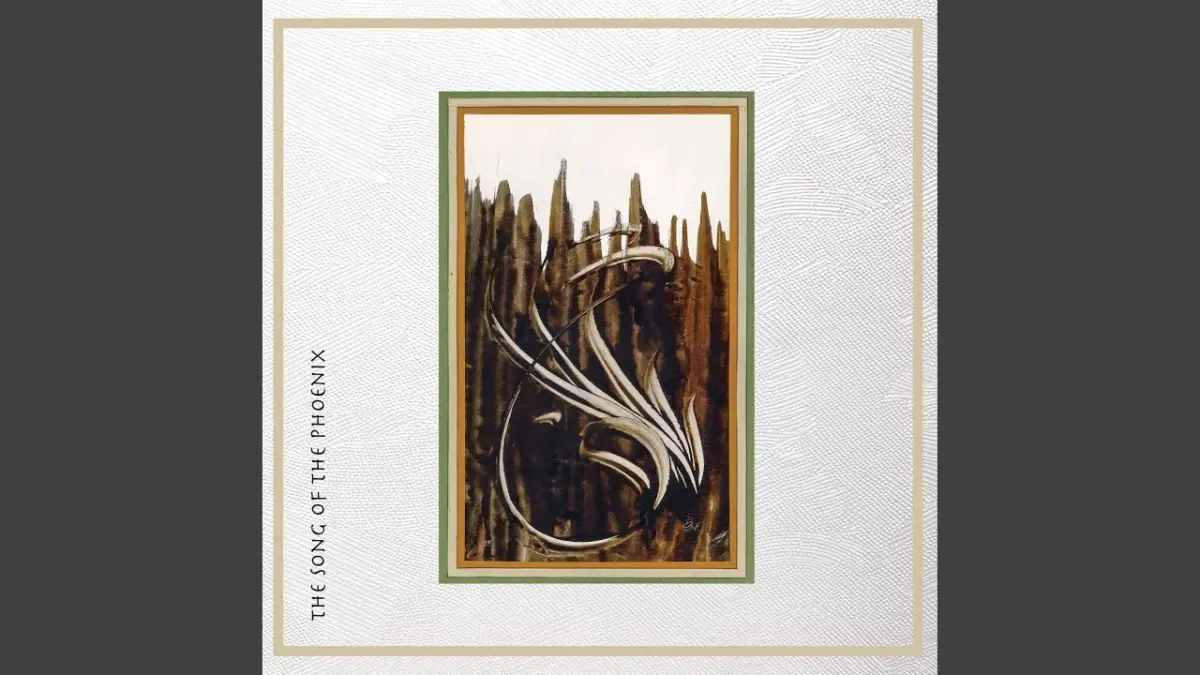
In an era defined by cultural fragmentation and geopolitical borders, art continues to serve as the ultimate vessel for transnational dialogue. Enter MEHRNAVAA, a groundbreaking Flemish-Iranian quartet whose debut album, The Song of the Phoenix, represents a masterclass in cross-cultural synthesis. Released via the Ghent-based independent label Zephyrus Records, the album is far more than a collection of musical compositions; it is a profound philosophical journey rooted in 12th-century Persian mysticism and filtered through the lenses of contemporary European jazz, classical training, and folk traditions.
At the heart of this project is a synthesis of four distinct musical voices: Tehran-born composer and multi-instrumentalist Shahab Azinmehr, virtuoso daf player Farnoosh Khodadadeh, multi-instrumentalist and classical European conservatory product Seraphine Stragier, and genre-bending saxophonist Nathan Daems of Black Flower fame. Together, this cross-cultural ensemble has breathed new life into the ancient legend of the phoenix—a mythological archetype that, according to the visionary 12th-century Persian Sufi poet and mystic Attar of Nishapur, originated all of music through its self-immolation and subsequent rebirth.
The release of their debut album on October 16 following strategic single rollouts has marked a significant milestone for both Zephyrus Records and the vibrant Belgian world-jazz scene. By interweaving traditional Middle Eastern instruments—such as the setar and the daf—with the Western cello, harp, and saxophone, MEHRNAVAA has constructed a sonic bridge across centuries and continents. This feature-length overview explores the genesis of The Song of the Phoenix, profiles its virtuoso members, deconstructs its mystical lineage, and outlines the ensemble’s extensive upcoming touring schedule across Flanders.
Detailed Chronology: From St. Bavo’s Abbey to the Global Stage
The realization of The Song of the Phoenix is a story of meticulous artistic incubation, cross-cultural collaboration, and deliberate timing. The project’s timeline charts a steady, intentional ascent from ancient inspirations to modern performance spaces.
The Mystical Roots and the 12th-Century Inspiration
The conceptual architecture of MEHRNAVAA’s debut is built upon the literary foundation of The Conference of the Birds (Mantiq al-Tayr), the masterwork of Farid al-Din Attar, commonly known as Attar of Nishapur. In Sufi cosmology, Attar posits that the melodic lament sung by the phoenix upon its self-constructed funeral pyre—and the subsequent emergence of the young bird from the ashes—is the primordial source of all musical expression.
Shahab Azinmehr seized upon this mythos, conceptualizing a 10-piece musical journey that mirrors the stages of the phoenix’s cycle: lamentation, conflagration, silence, and glorious rebirth.
The Summer and Autumn Rollout (2024)
- June 20, 2024: MEHRNAVAA officially introduced their sound to the world with the release of the album’s closing track and lead single, "Ardor." Written and composed by Azinmehr, "Ardor" encapsulates the fervent energy of spiritual awakening and transformation.
- June 20, 2024 (Live Premiere): Coinciding with the digital release of "Ardor," the quartet hosted the world premiere of their live programme in the historic, resonant acoustics of the old refectory at Ghent’s St. Bavo’s Abbey. The setting—steeped in centuries of architectural and spiritual history—provided an ideal backdrop for music designed to bridge the ancient and the modern.
- September 2024: Building on the momentum of their debut single, the ensemble released their second single, "Ashes, Silence and Rise of the Light." This atmospheric piece underscored the transitional phases of the phoenix myth, preparing listeners for the expansive sonic landscapes of the full-length record.
- October 16, 2024: The Song of the Phoenix officially dropped worldwide via Zephyrus Records, accompanied by critical acclaim and immediate distribution across major streaming platforms and Bandcamp.
The Live Circuit Across Flanders
Following the album’s release, MEHRNAVAA transitioned from the studio to the stage, embarking on an extensive tour across cultural centers throughout Flanders. Key milestones in this live chronology include:
- October 29, 2024: A triumphant performance at CC Asse, introducing regional audiences to the intricate interplay of traditional Persian lutes and Western horns.
- November 12, 2024: An eagerly anticipated stop at the atmospheric Predikherenkerk in Mechelen, a former monastery turned cultural hub that offered an acoustic environment well-suited to the group’s dynamic range.
- February 21, 2027: Looking far ahead, the ensemble’s itinerary features a major performance at Schouwburg Noord in Antwerp’s Merksem district, cementing the enduring relevance and long-term viability of the Phoenix programme on the Belgian cultural calendar.
Supporting Context & Metrics: The Artisans and Their Instruments
To truly understand the sonic architecture of MEHRNAVAA, one must examine the individual backgrounds of its members and the specialized instruments they bring to the collective table. The quartet operates as an egalitarian democracy of sound, where European classical rigor meets Middle Eastern spiritual tradition and modern jazz improvisation.
+-------------------------------------------------------------------------+
|                         MEHRNAVAA QUARTET PROFILE                       |
+--------------------+---------------------------+------------------------+
| Artist             | Primary Instruments       | Cultural/Musical Roots |
+--------------------+---------------------------+------------------------+
| Shahab Azinmehr    | Tar, Setar, Vocals        | Tehran, Jordi Savall's |
|                    |                           | Orpheus XXI            |
+--------------------+---------------------------+------------------------+
| Farnoosh           | Daf, Text/Translation     | Tehran/Ghent,          |
| Khodadadeh         | Curation                  | Collaboration w/       |
|                    |                           | Josse De Pauw          |
+--------------------+---------------------------+------------------------+
| Seraphine          | Cello, Harp, Yayli        | Royal Conservatory of  |
| Stragier           | Tambur                    | Brussels               |
+--------------------+---------------------------+------------------------+
| Nathan Daems       | Saxophone                 | Black Flower, Ethio-   |
|                    |                           | jazz, Zephyrus Records |
+--------------------+---------------------------+------------------------+
Shahab Azinmehr: The Custodian of Persian Strings
Born in Tehran, Shahab Azinmehr is a master of the tar and the setar—two cornerstone instruments of classical Persian music. Having relocated to Belgium, Azinmehr has integrated himself into Europe’s premier early- and world-music circles, most notably performing within Jordi Savall’s renowned Orpheus XXI ensemble. On The Song of the Phoenix, Azinmehr acts as principal composer and lyricist. His command of microtonal modal systems (dastgah) provides the emotional framework upon which the entire album rests.
Farnoosh Khodadadeh: Rhythm and Literary Translation
Fellow Tehran native Farnoosh Khodadadeh anchors the ensemble’s rhythmic core via the daf, while also driving its conceptual narrative. Khodadadeh, who has made Ghent her permanent home, collaborated closely with prominent Flemish actor and writer Josse De Pauw to curate, prepare, and translate the texts that inform the album’s vocal and dramatic delivery. Her work ensures that the Persian poetry at the heart of the project resonates with contemporary European audiences without losing its classical nuance.
Seraphine Stragier: Bridging Classical and Folk Idioms
A graduate of the Royal Conservatory of Brussels, Seraphine Stragier brings classical European precision to the ensemble while effortlessly crossing over into traditional folk idioms. Stragier’s primary instrument is the cello, but her sonic palette extends to the harp and the yayli tambur—a bowed, long-necked lute originating from Turkey. Her ability to transition from lush, romantic cello harmonies to the earthy, resonant drones of the yayli tambur is a defining characteristic of MEHRNAVAA’s genre-fluid sound.
Nathan Daems: The Ethio-Jazz Catalyst
Representing the contemporary Belgian jazz and groove underground, Nathan Daems brings his saxophone to MEHRNAVAA from Black Flower, the acclaimed Brussels-based band he leads. For over a decade, Daems has pioneered the integration of Ethiopian pentatonic scales into modern jazz frameworks. His presence on The Song of the Phoenix prevents the album from feeling like a museum piece; instead, Daems infuses the compositions with improvisational fire, modal exploration, and a distinctly modern European jazz sensibility.
Deep Dive into the Instruments: Setar and Daf
Two of the primary instruments utilized by the quartet share a direct lineage with the Sufi traditions referenced in Attar’s poetry:
- The Setar: A small Persian lute traditionally played by striking the strings with the index fingernail. Its historical evolution includes the addition of a fourth string in the 18th century by the dervish master Moshtaq Ali Shah, a modification that expanded its harmonic capabilities.
- The Daf: A large, wide-rimmed frame drum central to Iranian Sufi gatherings. The instrument features dozens of metal rings suspended inside its wooden frame, which produce a shimmering, cascading metallic rattle that accompanies every stroke of the player’s fingers and palms.
Official Statements and Artistic Vision
The philosophical underpinnings of The Song of the Phoenix are best understood through the statements and collaborative ethos of its creators. Rather than pursuing fusion for the sake of novelty, the members of MEHRNAVAA view their collaboration as an act of cultural translation and spiritual reclamation.
In interviews surrounding the release of "Ardor" and the album itself, the ensemble has emphasized that the legend of the phoenix is fundamentally a metaphor for personal and collective transformation. In a world fraught with socio-political friction, the image of a creature reducing itself to ash only to rise anew serves as a potent reminder of humanity’s capacity for renewal through art.
Farnoosh Khodadadeh’s work with Josse De Pauw was designed specifically to bridge the linguistic divide between Persian mysticism and the Flemish cultural landscape. By pairing classical Persian verse with De Pauw’s theatrical sensitivity, the quartet ensures that the literary roots of Attar’s 12th-century text are articulated with dramatic clarity.
Furthermore, the involvement of Zephyrus Records underscores a commitment to uncompromising, independent artistic expression. As a Ghent-based label that has consistently championed boundary-pushing projects—including Nathan Daems’ work with Black Flower—Zephyrus has provided MEHRNAVAA with an ideal platform to distribute music that defies easy categorization.
Future Outlook: The Global Trajectory of MEHRNAVAA
As The Song of the Phoenix continues to find receptive audiences across Europe, MEHRNAVAA’s trajectory points toward an increasingly prominent role in the international world-music and contemporary jazz landscapes.
Expanding the European Footprint
The quartet’s touring schedule, which extends well into 2027 with high-profile dates like their upcoming performance at Schouwburg Noord in Merksem, demonstrates that their live programme is built for longevity. Cultural centers across Belgium and neighboring European nations have embraced the ensemble’s unique ability to merge disparate musical lineages into a cohesive, emotionally resonant live experience.
The Evolution of Cross-Cultural Jazz
MEHRNAVAA stands at the vanguard of a broader movement in contemporary European music—one that moves past sterile multiculturalism into deep, structural collaboration. By placing Iranian classical traditions on an equal footing with Western chamber music, Belgian jazz improvisation, and Turkish folk instrumentation, the quartet has established a new benchmark for intercultural dialogue.
For listeners eager to experience this synthesis, "Ardor" and the entirety of The Song of the Phoenix are available for streaming and purchase via Zephyrus Records’ official Bandcamp page. As MEHRNAVAA continues to take its Phoenix-inspired programme from the historic cloisters of Ghent to stages across the continent, they prove that the oldest songs, when handled with genuine artistic reverence, still possess the power to make the world catch fire and rise anew.