Film is fundamentally a visual medium, but its emotional resonance is inextricably tied to what echoes in the dark. While terrifying imagery, masterclass cinematography, and visceral practical effects capture the eye, it is sound that captures the psyche. The right song, ambient soundscape, or avant-garde score can shape a film’s atmosphere, dismantle an audience’s sense of safety, and become entirely inseparable from the scares themselves.
From John Carpenter’s pioneering, minimalist synth-dreads in Halloween to Queen’s gloriously incongruous, adrenaline-fueled needle-drop in Shaun of the Dead, audio acts as the true architect of fear. It disorients the nervous system, lingers long after the credits roll, and transforms standard genre tropes into culturally defining masterpieces.
This deep dive explores cinema’s most iconic spooky musical moments, examining how sound acts as the emotional heartbeat of the scene. Whether you are looking to build or expand a physical soundtrack collection or uncover staple cult horror scores for your collection, these compositions prove that what you hear is often far more terrifying than what you see.
Detailed Chronology: A Sonic History of Cinematic Terror
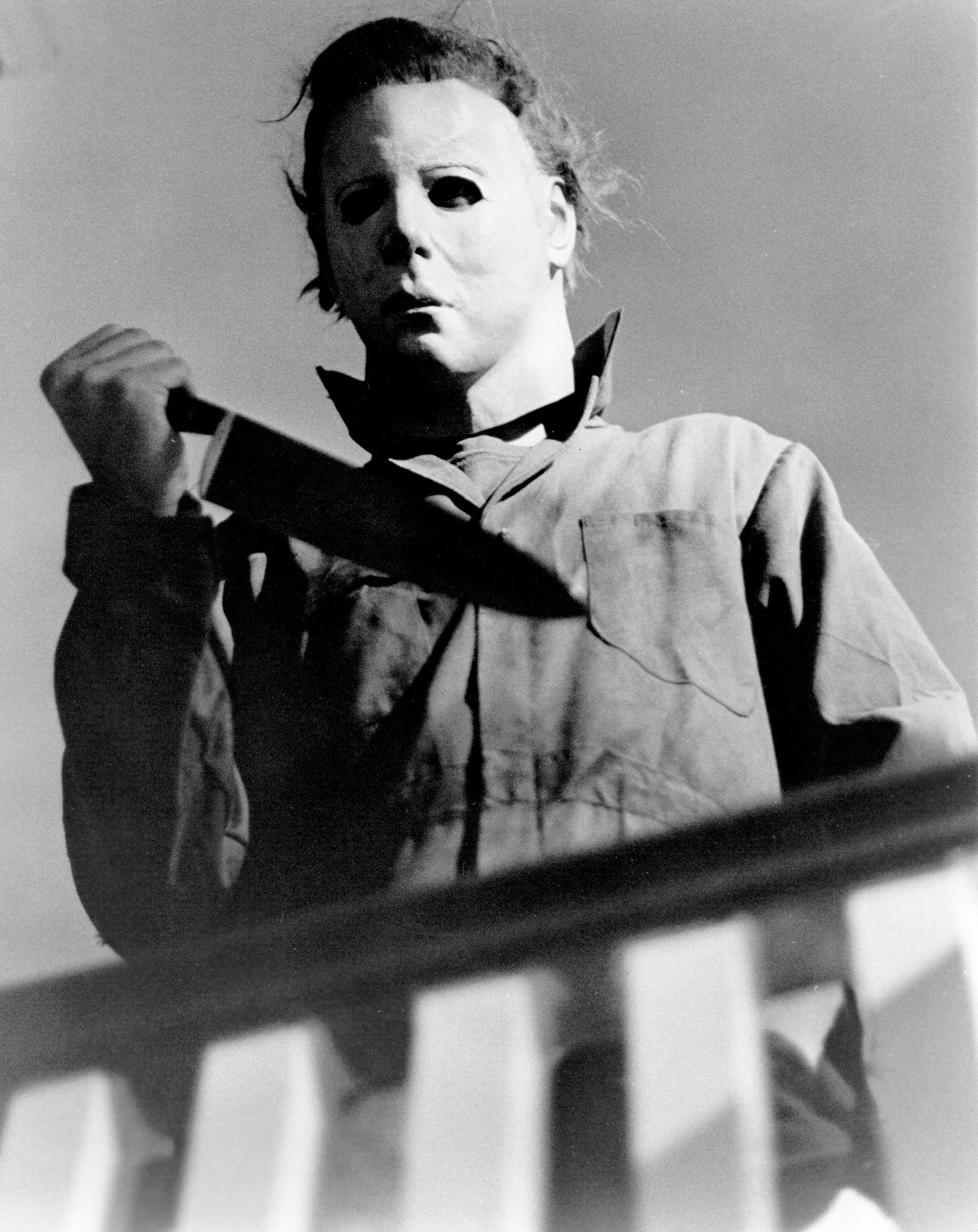
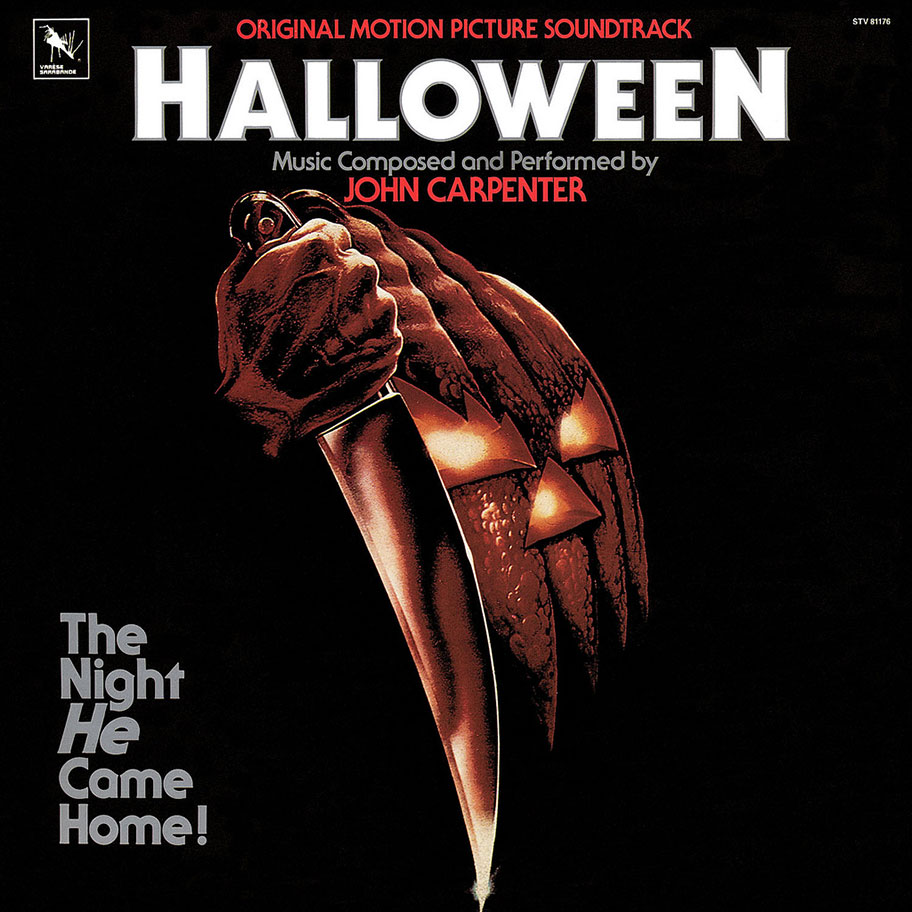
Halloween (1978): The Birth of Slasher Minimalism
Key Track: John Carpenter – Halloween Theme – Main Title
John Carpenter’s instantly recognizable synth theme stands as a monolith of modern horror scoring. Its relentless, off-kilter rhythm creates an inescapable sense of unease before Michael Myers even materializes on screen, capturing the unhinged, mechanical energy of the film’s central villain. Composed and performed by Carpenter himself, the minimalist score utilizes a Moog III synthesizer—a brittle, repetitive piano-like cluster of notes set against an unsettling 5/4 time signature over a tinny, metronomic tick.
One of the most fascinating aspects of Carpenter’s creation is that he was given just three days to complete the score. Working in what he and co-producer Dan Wyman termed "double-blind mode," Carpenter wrote and recorded the music in the studio without watching or synchronizing it to the actual film footage, later editing it directly into the cuts to match the psychological tempo of each scene.
"Michael [Myers] doesn’t run—he walks, which makes him much scarier. And then listen to the score: There’s not a lot of fuss in the score. It’s as minimalist and effective as that butcher knife that Michael carries."
— Film critic Matt Zoller Seitz for NPR, 2018
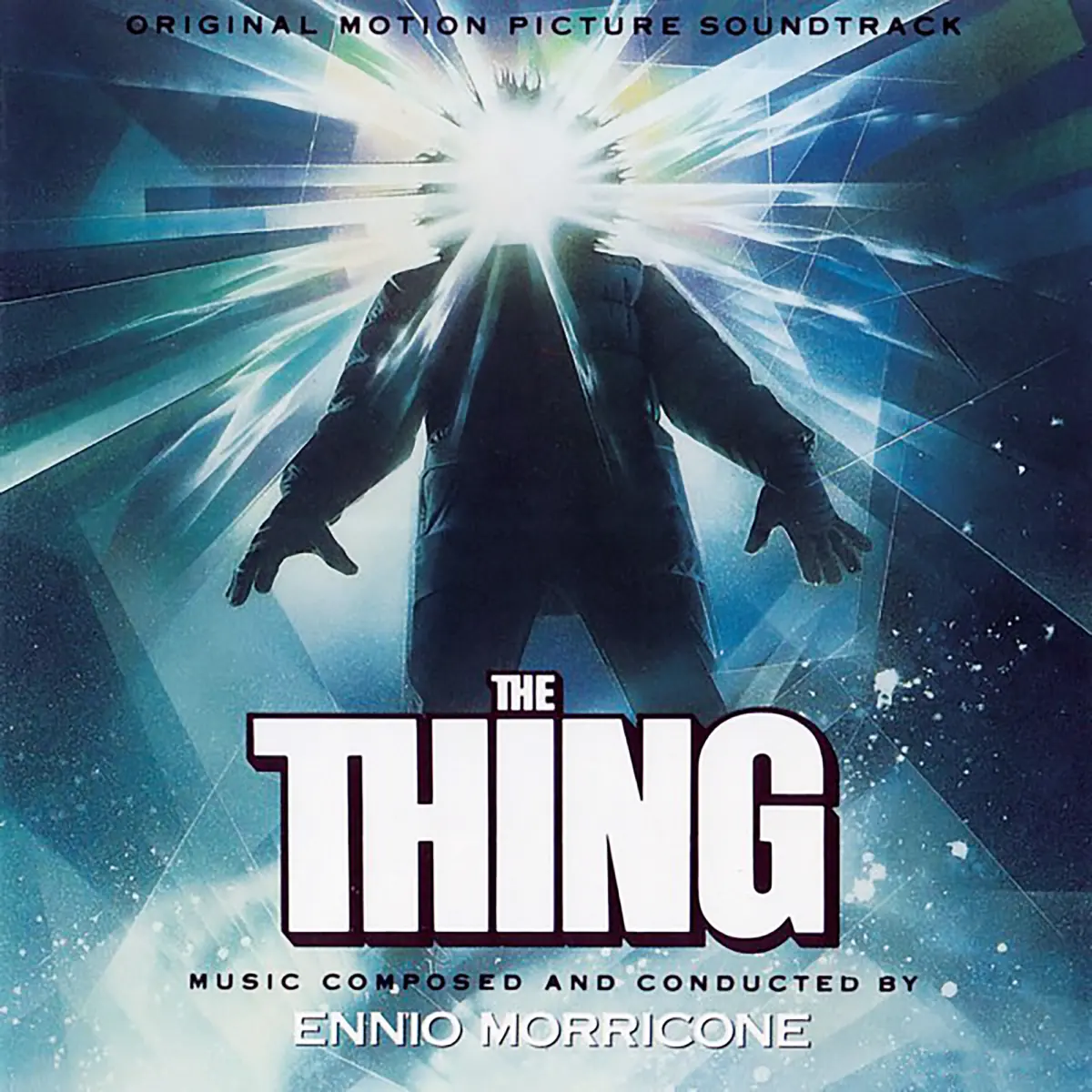
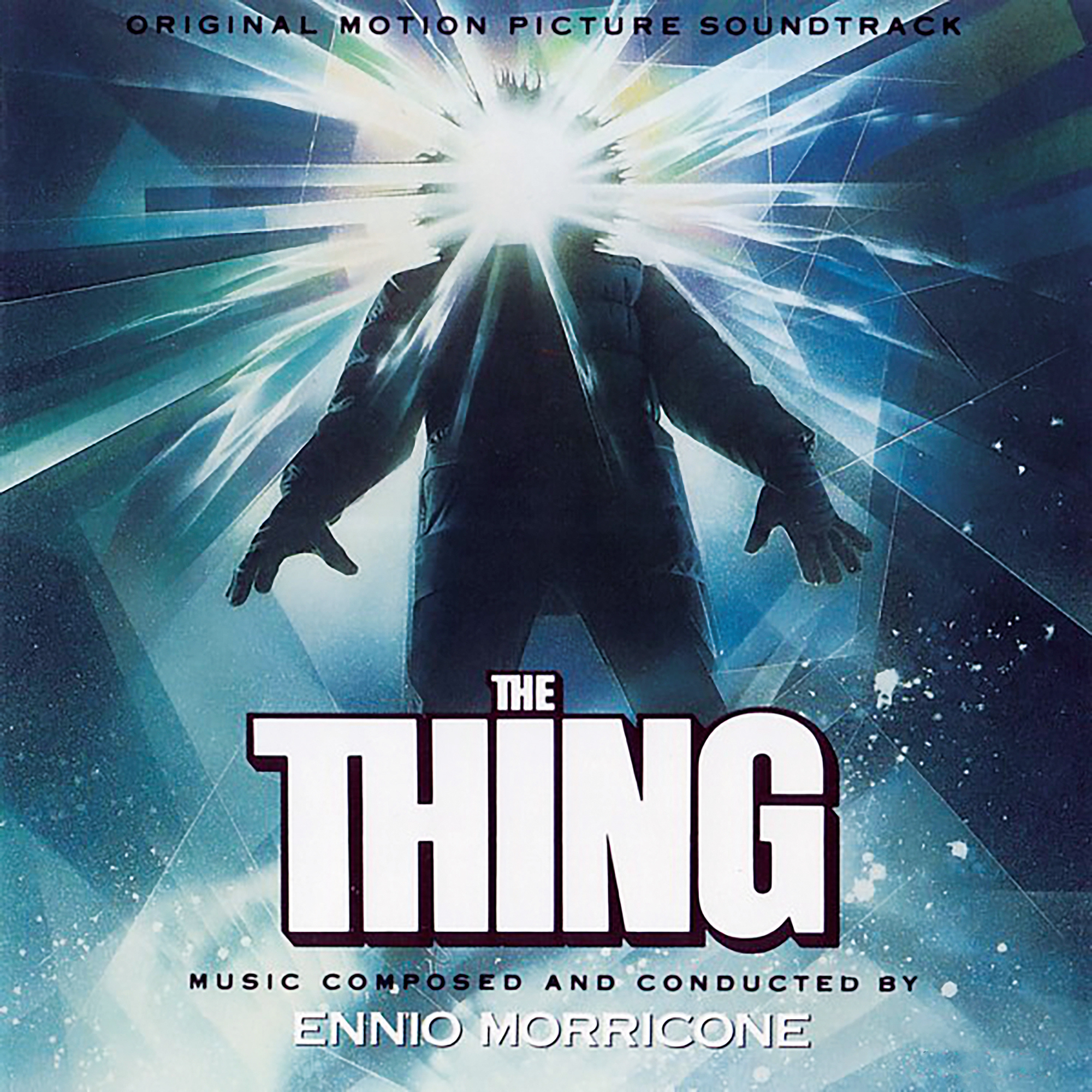
The Thing (1982): Ennio Morricone’s Symphony of Existential Dread
Key Track: Ennio Morricone – Humanity Part II
Humanity (Part II) serves as the bleak, gravitational anchor running through John Carpenter’s grotesque and sinister body-horror classic, The Thing. Eschewing his typical orchestral warmth, legendary composer Ennio Morricone fused his expansive atmospheric style with synthetic, drone-heavy tones to mirror the film’s fatalistic conclusion. Pulsing with a low, agonizing heartbeat, the score unmistakably nods to Carpenter’s own synth-heavy preferences while elevating them to monumental heights. Accompanying an unresolved ending where survival is uncertain and civilization is frozen out, the track leaves behind pure existential dread as the camp burns to ash.
"He added something to it, that I didn’t realise, didn’t ask for. He brought it: this deep, tragic sense that this is the end of things, of everything."
— John Carpenter on Ennio Morricone’s score for The Thing
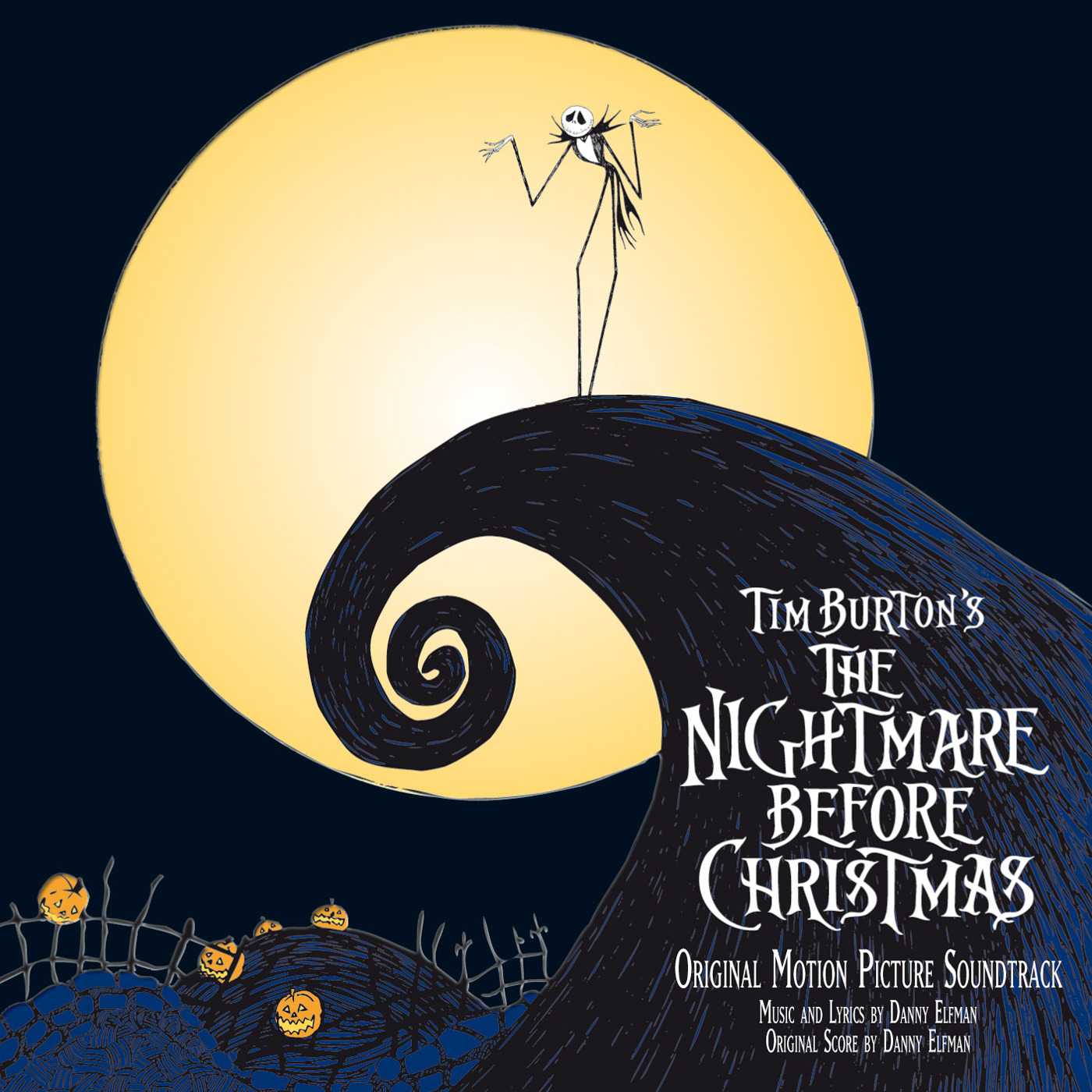
The Nightmare Before Christmas (1993): Danny Elfman’s Gothic Holiday Anthem
Key Track: The Citizens of Halloween – This is Halloween
Is it a Christmas movie or a Halloween film? If Tim Burton intended to strike two cultural targets at once, both bullseyes were cleanly hit. The iconic opening sequence introducing the grotesque, charming monsters and ghouls of Halloweentown is driven by the undisputed anthem of spooky festivities. Naturally, no Burton-produced classic would be complete without a masterclass score from Danny Elfman, who also lent his own singing voice to the Pumpkin King, Jack Skellington.
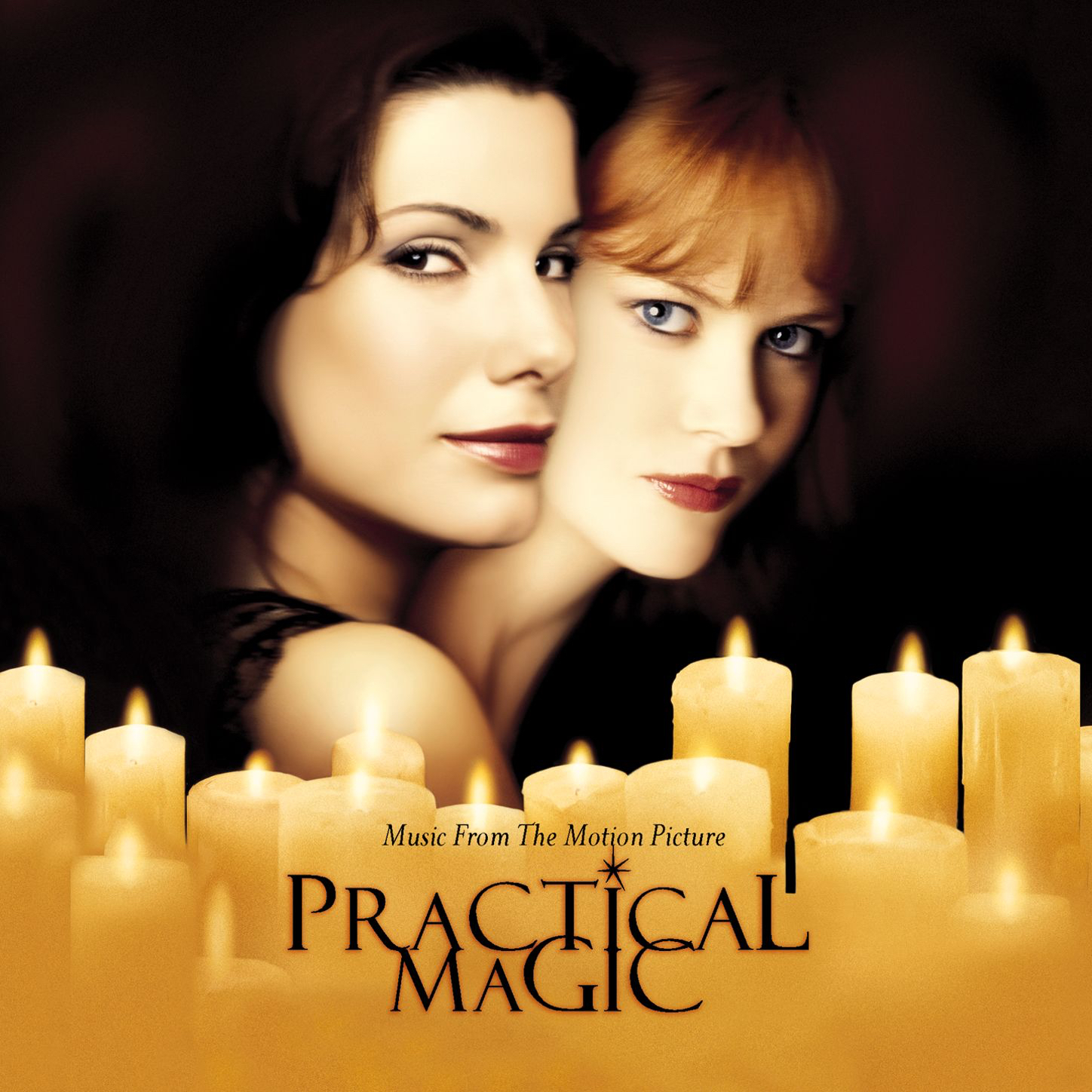
Practical Magic (1998): Stevie Nicks and the Ethereal Autumnal Cult
Key Track: Stevie Nicks – Crystal
Witchcraft, sisterhood, and supernatural realism collided in this 1998 cult favorite, where Stevie Nicks’ ethereal, mystical vocals proved to be the ultimate sonic companion. While Practical Magic features multiple unforgettable musical moments—from the eerie rendition of Elvis Presley’s Always on My Mind to the whimsical midnight margaritas set to Harry Nilsson’s Coconut—Nicks’ themes of love, loss, and female resilience define the film’s emotional core. The Fleetwood Mac songstress re-recorded both Crystal and If You Ever Did Believe with backing vocals by Sheryl Crow. The former sets the tone in the film’s opening sequence, playing as a young Sally Owens gathers herbs and flower petals under a full moon to cast a spell against love.
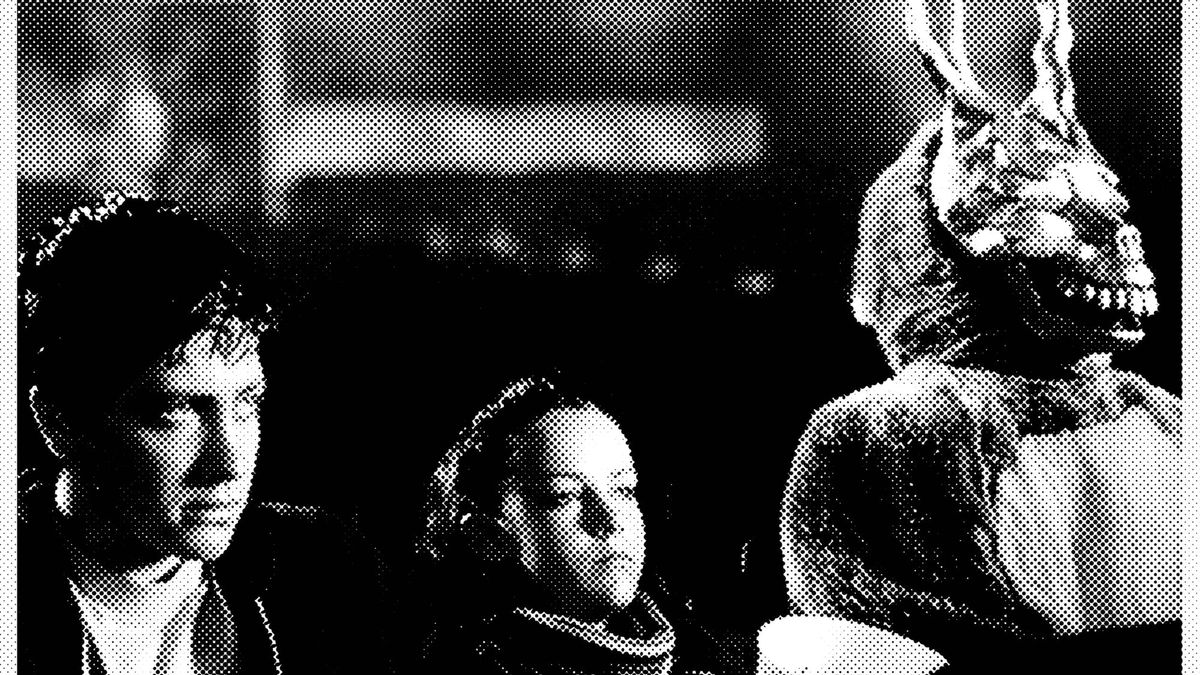
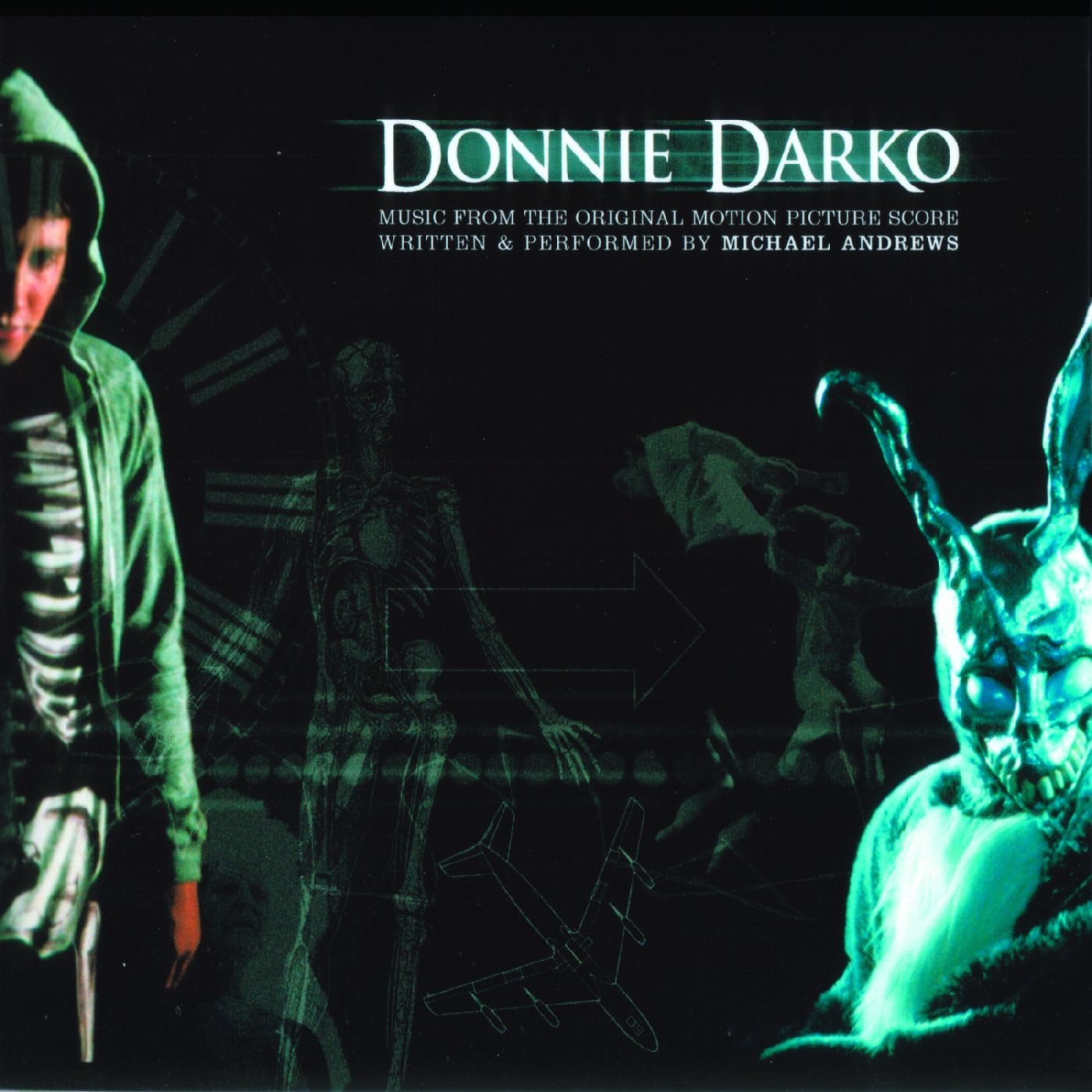
Donnie Darko (2001): Alternate Universes and the Sound of Melancholy
Key Track: Tears for Fears – Mad World (Cover by Michael Andrews and Gary Jules)
To isolate a single musical cue in Donnie Darko is a nearly impossible task, given its unparalleled alternative soundtrack. From the opening frames, music drives the narrative, utilizing Echo and the Bunnymen’s eerie classic The Killing Moon. Director Richard Kelly originally intended to use INXS’s Never Tear Us Apart, but financial constraints forced a pivot—resulting in a serendipitous swap that established a melancholic, foreboding mood from second one.
However, the film’s defining auditory moment arrives at its tragic climax. Michael Andrews and Gary Jules recorded their haunting cover of Tears for Fears’ Mad World specifically for the film, completely subverting the original’s synth-pop bounce into a somber, funereal lament.
"Mad World predates this film by nearly twenty years, yet it sounds like it was written from inside Donnie’s head, like an echo from an alternate universe that arrived before the story did."
Shaun of the Dead (2004): Deadpan Chaos and Queen
Key Track: Queen – Don’t Stop Me Now
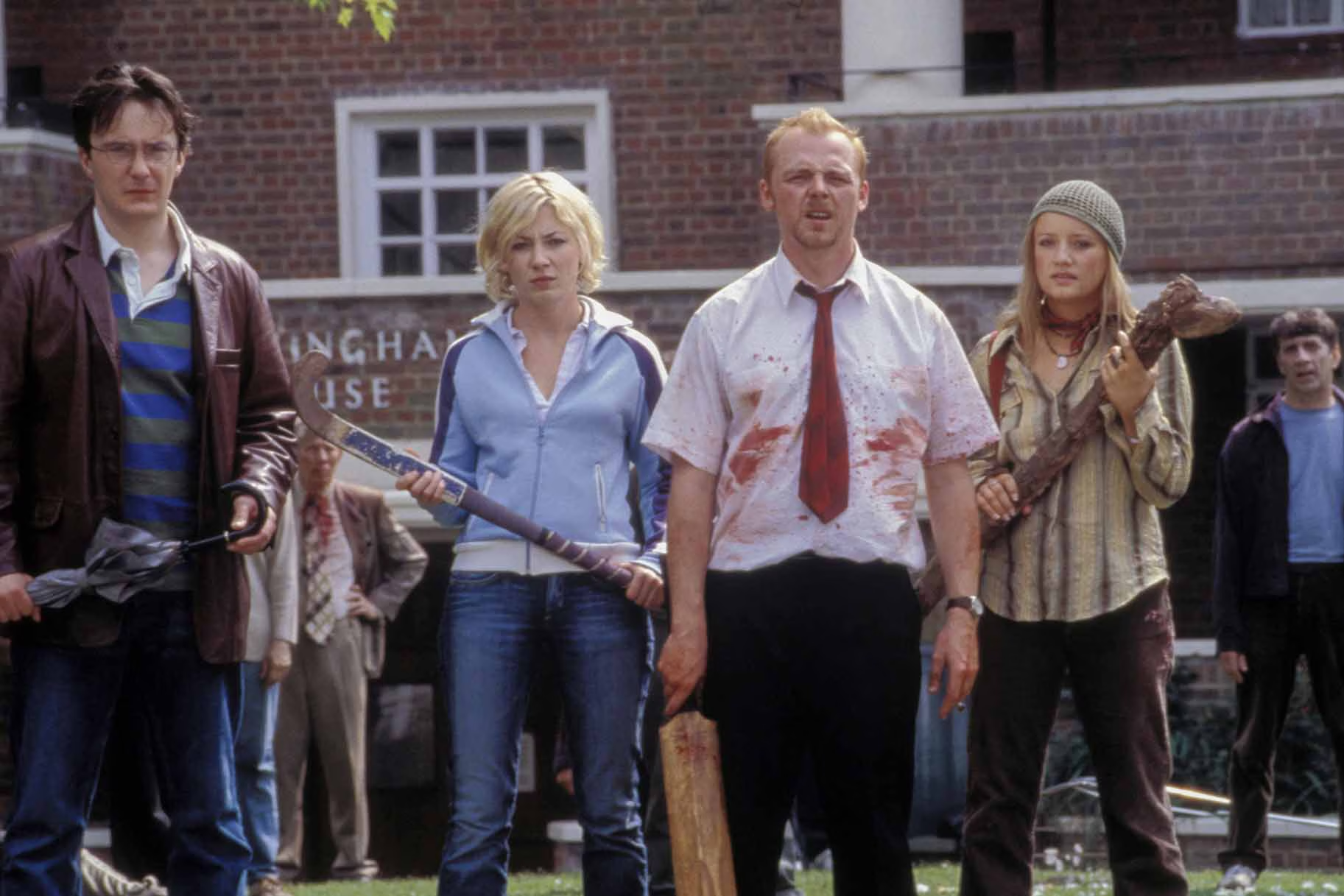
Edgar Wright is a master of the cinematic "needle-drop," and the opening installment of his acclaimed Cornetto Trilogy is no exception. The hilariously slapstick, brutal pub defense scene was choreographed entirely to Queen’s Don’t Stop Me Now before the production had even secured the rights to use the track. The meticulous synchronicity of pool cue strikes landing directly on the beat—while playing diegetically on the pub’s jukebox—cements an absurd, blood-soaked brilliance unique to comedy horror.
Black Swan (2010): Clint Mansell’s Psychological Deconstruction
Key Track: Clint Mansell – Nina’s Dream
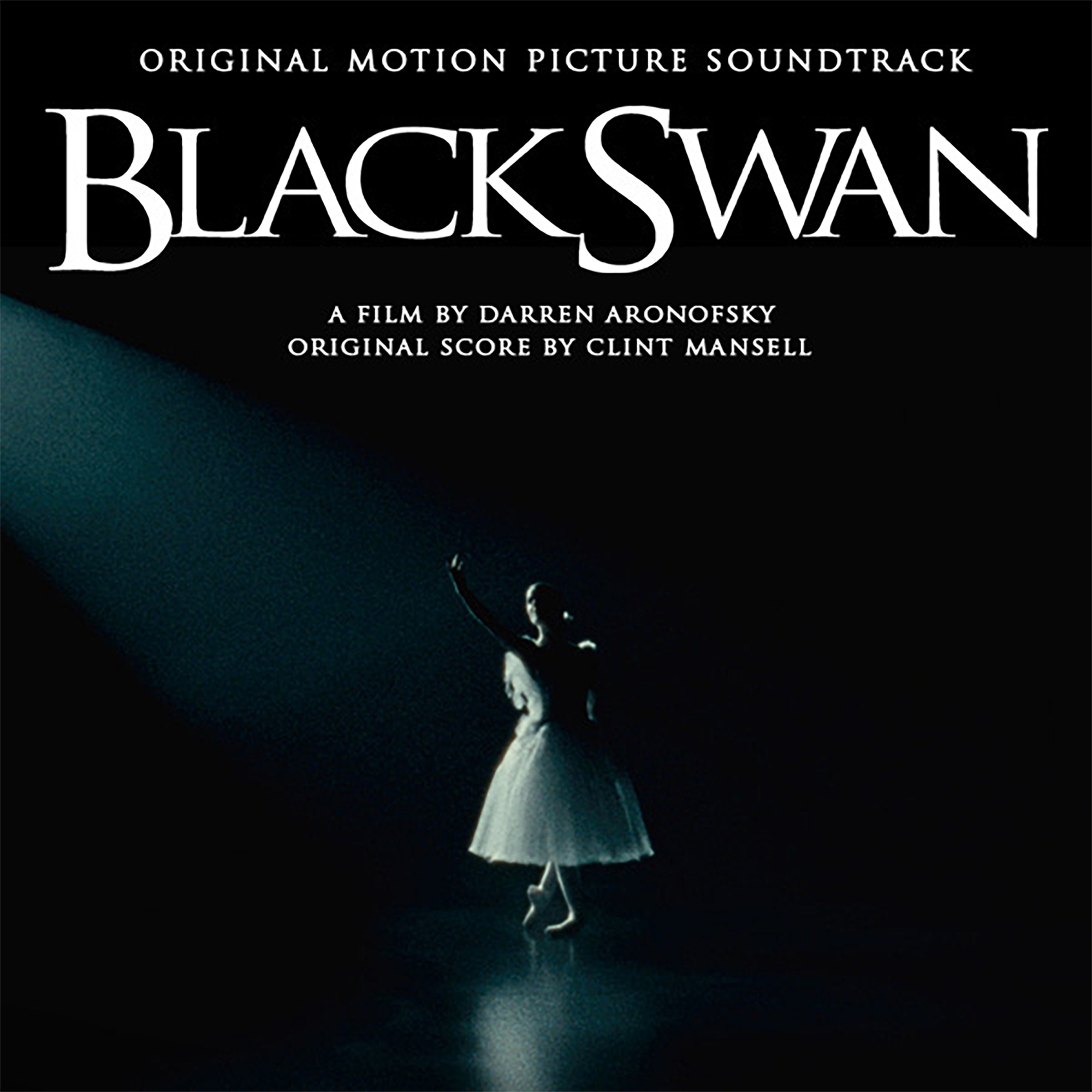
Despite earning five Academy Award nominations—including a Best Actress win for Natalie Portman—Darren Aronofsky’s Black Swan suffered a controversial Oscar disqualification for its score, which the Academy deemed "not original enough." Clint Mansell had brilliantly built upon Tchaikovsky’s canonical Swan Lake themes, weaving darker, more harrowing textures to mirror Nina Sayers’ spiral into psychological paranoia.
"It’s a shame, because there’s a lot more work put into this than normal scores. You’ve got to basically pull it apart and reinterpret it for the screen."
— Director Darren Aronofsky
Insidious (2010): The Auditory Juxtaposition of Tiny Tim
Key Track: Tiny Tim – Tiptoe Through the Tulips
Few horror needle-drops achieve the skin-crawling dissonance of Tiny Tim’s Tiptoe Through the Tulips in James Wan’s Insidious. Originally a whimsical, romantic novelty tune recorded by jazz crooner Nick Lucas in 1929 and immortalized in early Looney Tunes cartoons, Wan repurposed Tiny Tim’s falsetto falsetto-and-ukulele cover to herald the arrival of the dancing demon. The real-life history of Tiny Tim—who suffered a fatal heart attack on stage in 1996 while performing this exact song—adds a tragic, ghostly weight to an already deeply unsettling scene.
Weapons (2025): Folk Warning Signs
Key Track: George Harrison – Beware of the Darkness
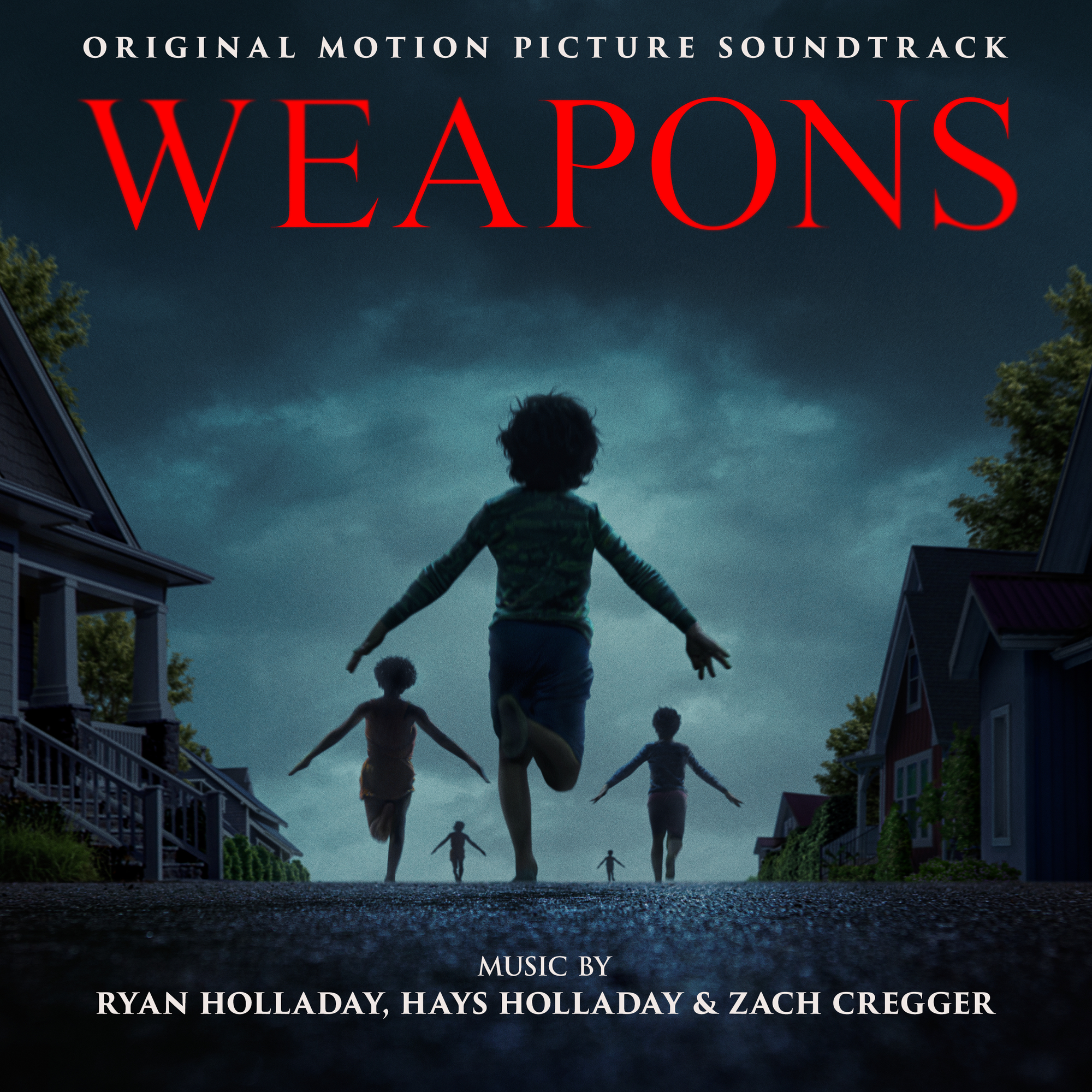
Despite its ominous title, George Harrison’s Beware of the Darkness is a remarkably gentle, rolling acoustic composition. Its inclusion in Zach Cregger’s supernatural mystery horror film Weapons proves that wholesome, pastoral music can be weaponized with terrifying effectiveness. Playing over the film’s chilling opening sequence—where a group of children vanish into the night—Harrison’s spiritual warning against despair takes on a literal, sinister resonance, transforming a classic rock track into an exercise in dread.
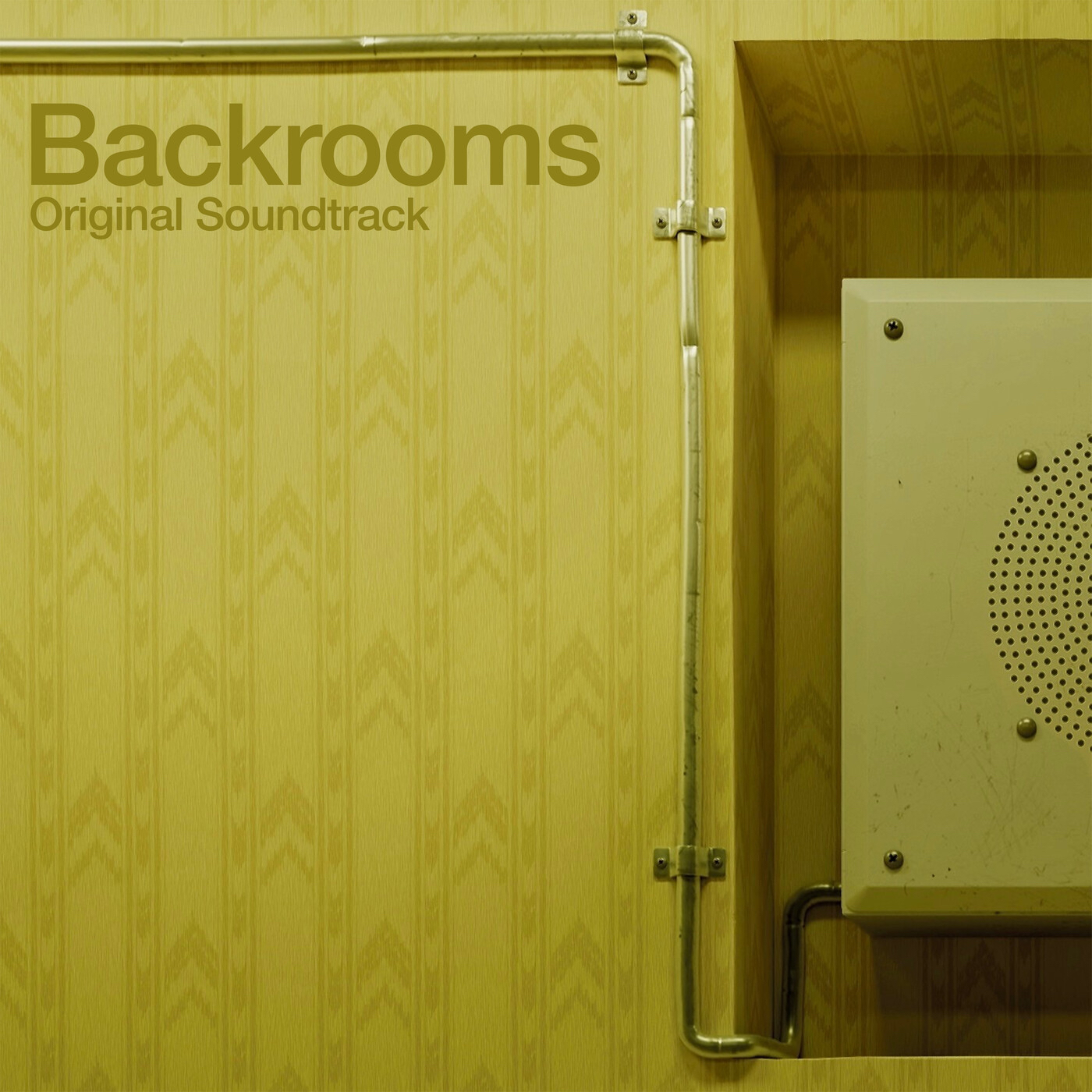
Backrooms (2026): Liminal Spaces and Ambient Terror
Key Track: Boards of Canada – The Word Becomes Flesh
A24’s cinematic adaptation of Kane Parsons’ viral web series, Backrooms, translates endless yellow corridors and liminal architecture into a canvas for psychological unravelling. Parsons, serving as the youngest high-grossing director in A24 history alongside co-composer Edo Van Breemen, constructed a dark ambient soundscape heavily indebted to Aphex Twin, Burial, and Boards of Canada. The inclusion of Boards of Canada’s The Word Becomes Flesh during the film’s closing credits functions as a devastating mic-drop, allowing the ambient horror to linger long after the audience leaves the theater.
Supporting Context & Metrics: The Science of Scares
Why do certain frequencies induce panic? Psychoacoustics reveals that the human ear is biologically wired to react to specific ranges of sound with physiological distress.
Infrasound (Below 20 Hz): Often referred to as "fear frequencies," sounds below the threshold of human hearing can induce shivers, feelings of intense sorrow, and unease. Filmmakers frequently mix low-end synth rumbles to mimic this natural phenomenon.
The "Devil’s Interval": The diminished fifth (or tritone) has been avoided or utilized for centuries to signal instability and danger. Classical composers dubbed it diabolus in musica (the devil in music), a foundational tool utilized by John Carpenter and Clint Mansell alike.
Vinyl Resurgence in Horror: According to physical media metrics, horror soundtracks represent one of the fastest-growing sectors in the vinyl market. Collectors increasingly view limited-edition colored presses (such as glow-in-the-dark pressings of The Nightmare Before Christmas or debut vinyl runs of Practical Magic) as tactile artifacts of fear.
Official Statements and Industry Insights
The intersection of sound design and storytelling continues to evolve as directors recognize the independent value of their audio tracks.
Industry veterans emphasize that sound is no longer treated as an afterthought during post-production. As John Carpenter noted regarding his collaboration with Ennio Morricone on The Thing, music possesses the capacity to introduce thematic dimensions that the script alone cannot convey: “He brought this deep, tragic sense that this is the end of things, of everything.”
Similarly, directors like Edgar Wright and James Wan approach screenwriting with specific tracks already embedded in the shot list, ensuring that rhythm and visual editing operate as a single cohesive unit.
Future Outlook: The Next Wave of Sonic Horror
As the boundaries between web-native horror (such as Kane Parsons’ Backrooms) and traditional studio releases continue to blur, the sonic landscape of scary cinema is expanding into new territory.
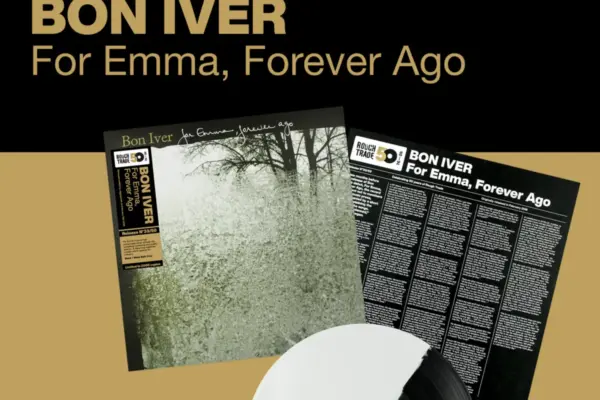
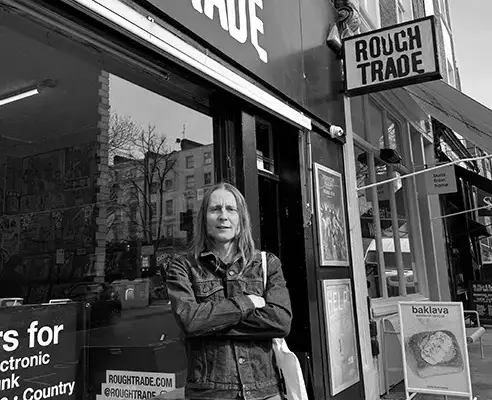
We are witnessing a shift away from predictable jump-scare orchestral stings toward immersive ambient soundscapes, hauntology-inspired electronic music, and subversive pop needle-drops. Independent record labels like Rough Trade continue to champion this movement, archiving these cultural touchstones on physical vinyl for a generation of cinephiles and music collectors alike.
Ultimately, as long as filmmakers seek to disturb, disorient, and captivate, the marriage of celluloid and sound will remain one of art’s most powerful mechanisms for confronting the dark.