Executive Overview
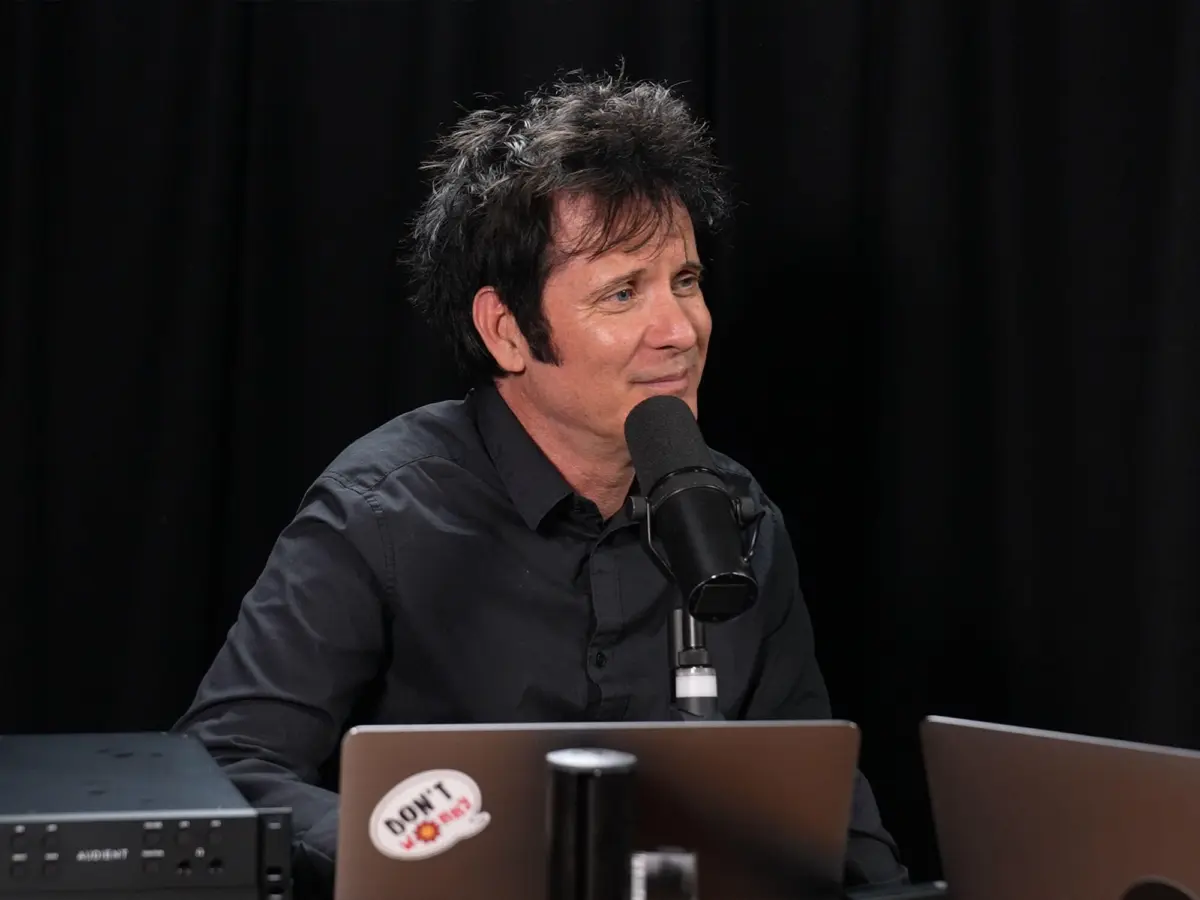
In the high-stakes, hyper-pressurized environment of professional music production, gear failures are not a matter of if, but when. Even the most legendary, road-tested hardware can buckle under the relentless demands of high-profile recording sessions. Few people understand this better than Warren Huart, the industry veteran, multi-platinum producer, and creative force behind Produce Like A Pro—one of YouTube’s most influential and educational music production channels.
With a career spanning decades, Huart has worked alongside rock royalty and pop icons alike, including Aerosmith, James Blunt, and Korn. His resume reads like a masterclass in modern recording history. However, a lengthy career at the bleeding edge of audio engineering guarantees an equally rich archive of near-disasters, technical meltdowns, and nerve-wracking saves.
During a recent appearance on MusicTech’s My Forever Studio podcast—created in partnership with Audient—Huart peeled back the curtain on one of the most stressful moments of his career. Tasked with recording a holiday cover with rock band The Fray at the world-famous Studio at the Palms in Las Vegas, Huart was dealt a worst-case scenario: the center section of a legendary Neve VR analog mixing console suffered a complete thermal shutdown. With a strict one-day deadline, an incoming children’s choir, and dead auxiliary sends, Huart was forced to abandon conventional workflow entirely.
This deep-dive investigation explores the anatomy of that high-pressure Las Vegas session, the realities of maintaining analog hardware under extreme desert conditions, and Huart’s broader philosophy on professionalism, studio psychology, and the mindset required to survive modern audio engineering.
Detailed Chronology: The Las Vegas Meltdown
The Setup: High Stakes in Sin City
The setting was Studio at the Palms, a world-class facility perched inside the Palms Casino Resort in Las Vegas, Nevada. Known for its luxurious accommodations, star-studded clientele, and top-tier gear, the studio serves as a sanctuary for major label artists looking to escape the traditional confines of Los Angeles or New York.
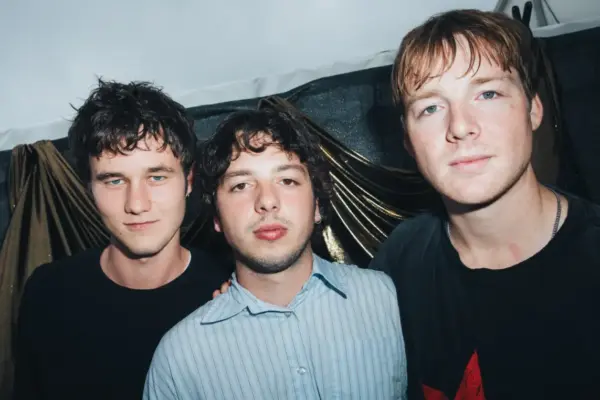
Huart had been brought in to produce and track a cover of John Lennon and Yoko Ono’s timeless holiday anthem, Happy Xmas (War Is Over), performed by American rock band The Fray. The schedule, as is standard in modern commercial production, was mercilessly tight. The band had booked the room for a single, high-intensity day. To complicate matters further, the production featured a live children’s choir, adding a moving, unpredictable variable to an already packed itinerary.
The Failure: When Vintage Gear Meets Desert Heat
At the heart of the control room sat a vintage Neve VR series analog mixing console. Revered for its massive sonic footprint, legendary preamp warmth, and unparalleled routing flexibility, the Neve VR is universally acknowledged as a masterpiece of analog engineering. However, it comes with a notorious caveat: it generates an immense amount of heat.
"The studio was fantastic, but unfortunately, the air conditioning had gone down on the Neve VR console," Huart recalls. "If you know anything about VRs, they run really, really hot. So the centre section basically just overheated, and all my auxiliary sends went down."
In the signal flow of an analog recording session, auxiliary sends are the lifeblood of communication and headphone monitoring. They allow the engineer to route custom headphone mixes to the artists in the live room, ensuring that vocalists and instrumentalists can hear themselves and each other clearly. With the auxiliary section completely fried, Huart was suddenly staring at a massive, multi-million-dollar piece of hardware that offered zero way to send headphone mixes to the band.
The Workaround: Three Hours on Foot
Faced with a catastrophic equipment failure and a ticking clock, an amateur engineer might have panicked, called maintenance, or halted the session to explain the issue to the band. Huart, however, understood the psychological fragility of a recording session. Momentum is everything; once an artist senses technical friction, creative energy evaporates.
Rather than letting the band in on the crisis, Huart engineered an ingenious, exhausting workaround.
"I had no way to send headphone mixes," Huart explains. "So I had to walk into the live room to talk to the band for three hours."
For an agonizing 180 minutes, every single instruction, cue, adjustment, and piece of encouragement required Huart to physically leave the control room, open the heavy studio doors, walk into the live room, and communicate face-to-face with the musicians. Once the direction was given, he would march back into the control room, make the necessary adjustments on the crippled console, and repeat the grueling cycle.
The Psychological Illusion
What makes Huart’s Las Vegas story remarkable is not just the physical exertion required to manage a session on foot, but the psychological precision he maintained throughout. To The Fray, nothing appeared out of the ordinary. Huart maintained a serene, unflappable facade, projecting total control over the environment.
"Not at one point, thank God, did they ever say, ‘Why aren’t you doing this talking through our headphones? Why haven’t we got our headphones up yet?’" Huart notes with visible relief.
By shielding the artists from technical anxieties, Huart preserved the creative sanctity of the room. The band delivered their performances uninhibited by studio stress, completely unaware that their producer was performing a high-wire balancing act behind the glass.

Supporting Context & Metrics: The Anatomy of Studio Engineering
The Neve VR Legacy and Thermal Realities
To fully appreciate the magnitude of Huart’s crisis, one must understand the hardware involved. Designed in the late 1980s, the Neve VR (V-Series Recall) was adopted by elite recording facilities worldwide. It featured total recall automation, pristine acoustics, and a sprawling layout capable of handling complex tracking and mixing sessions.
However, the architecture of large-format analog consoles makes them notoriously sensitive to environmental conditions. Packed with thousands of components, op-amps, and power supplies, consoles like the Neve VR require dedicated, robust HVAC (Heating, Ventilation, and Air Conditioning) systems to dissipate heat. When studio air conditioning fails—particularly in a hyper-arid, high-ambient-temperature climate like Las Vegas—the interior temperature of a console can skyrocket within minutes, leading to thermal shutdown, solder joint failures, and component degradation.
The Psychology of the Producer
Huart’s handling of the Studio at the Palms incident highlights an unwritten rule of professional audio production: the producer is as much a psychologist as an engineer. Artists vulnerability is at an all-time high inside the recording booth. They are exposing creative ideas, pushing their vocal ranges, and baring their emotions.
When technical mishaps occur, pointing fingers at faulty studio gear or external infrastructure shatters the illusion of safety. Huart’s golden rule—"Never have I ever blamed a studio"—is rooted in this philosophy.
"When I put a video up, I get a comment like, especially if I’m playing back a song of a genre which is maybe not favourable to a huge portion of our audience," Huart explains, reflecting on the online ecosystem of Produce Like A Pro. "There’s one thing about Produce Like A Pro that we do, is we are completely agnostic. We’ll have a hip-hop song followed by a death metal song, followed by a country. But people say, ‘How do you work on this thing?’ And you’re just like, ‘You’ve got to adjust your opinion. If you’re going to walk into a situation criticising the band or the music or the studio or the gear or whatever… look at your question.’"
Huart argues that negativity acts as an immediate creative repellent. While a producer does not need to walk around wearing rose-colored glasses, they are obligated to foster an empowering environment for the artist.
"You don’t have to walk around going, ‘Everything is unicorns and rainbows,’ don’t get me wrong," he clarifies. "But you need to walk into a situation where it’s a positive experience for the artist."
Official Statements & Insights: The My Forever Studio Podcast
The revelation of the Las Vegas session came to light during Huart’s appearance on My Forever Studio, an acclaimed podcast produced by MusicTech in partnership with audio hardware titan Audient.
The premise of the podcast is simple yet intellectually rigorous: hosts Chris Barker and Will Betts invite legendary artists, producers, and engineers to design their ultimate, fantasy "Forever Studio." Guests are granted the freedom to select just six pieces of gear, with no budgetary restrictions or practical limitations, to build their dream creative workspace.
However, the hosts enforce strict constraints:
- The Six-Item Limit: Guests must carefully curate their choices, forcing them to prioritize essential workflow tools over redundant gear.
- No Bundles: Multichannel hardware bundles or catch-all packages are strictly banned, ensuring every single choice is deliberate and earned.
Throughout the episode, these technical constraints act as a springboard for nostalgic anecdotes, industry war stories, and philosophical musings on the evolution of music production. Huart’s recounting of the Neve VR meltdown stands out as a masterclass in adaptability—proving that no amount of high-end software or vintage hardware can replace human resourcefulness when disaster strikes.
Future Outlook: The Evolution of Studio Problem-Solving
As the music production landscape rapidly shifts toward hybrid workflows—blending vintage analog consoles with high-powered digital audio workstations (DAWs) like Pro Tools, Logic Pro, and Ableton Live—the nature of studio mishaps is also evolving.
While thermal meltdowns on analog desks like the Neve VR remain a classic hazard of destination recording, modern engineers face an entirely new suite of technical demons: crashing plug-ins, sample-rate mismatches, buffer underruns, and network latency issues during remote sessions. Yet, the core lesson of Warren Huart’s Las Vegas trial remains unchanged: technology will always fail when you least expect it.
The distinction between a novice and a seasoned professional lies entirely in the response. As hardware becomes more complex and client expectations grow increasingly demanding, the industry relies heavily on veterans like Huart to mentor the next generation of engineers. Through platforms like Produce Like A Pro and candid podcast appearances, Huart continues to demystify the realities of the studio environment, teaching aspiring producers that technical perfection is an illusion, but professional resilience is absolute.
Whether facing a fried mixing console in the Nevada desert or navigating complex digital routing errors in a home studio, the ultimate mandate for the audio engineer remains clear: protect the artist, maintain the creative momentum, and ensure the music makes it to tape—no matter how many miles you have to walk across the control room floor.
To hear Warren Huart’s full interview, along with other insightful episodes exploring the philosophy of studio design, subscribe to My Forever Studio on Apple Podcasts, Spotify, or via the official MusicTech website.