Executive Overview
In the late 1980s, global heavy metal was undergoing a seismic evolution. Thrash metal had erupted into a dominant commercial and artistic force, propelled by North American juggernauts such as Metallica, Megadeth, Slayer, and Anthrax, alongside West Germany’s formidable "Teutonic Four" (Kreator, Sodom, Destruction, and Tankard). Yet despite the United Kingdom having laid the foundational blueprint for heavy metal via the New Wave of British Heavy Metal (NWOBHM) a decade prior, the UK underground struggled to yield a thrash act capable of achieving global supremacy.
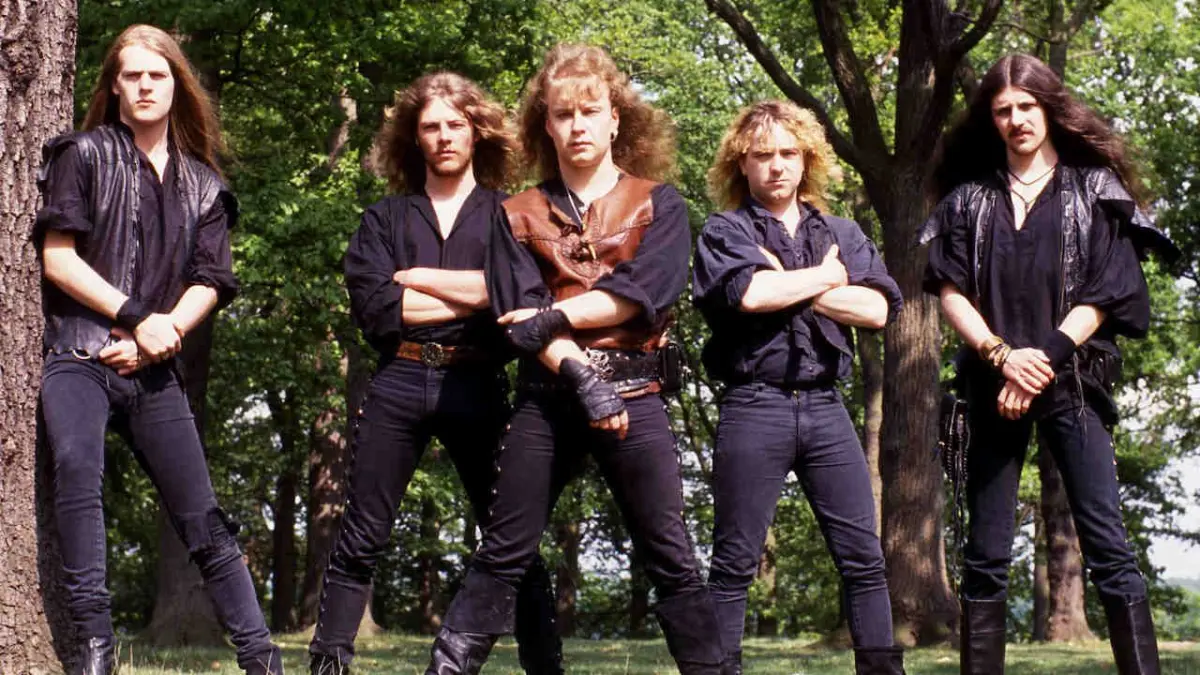
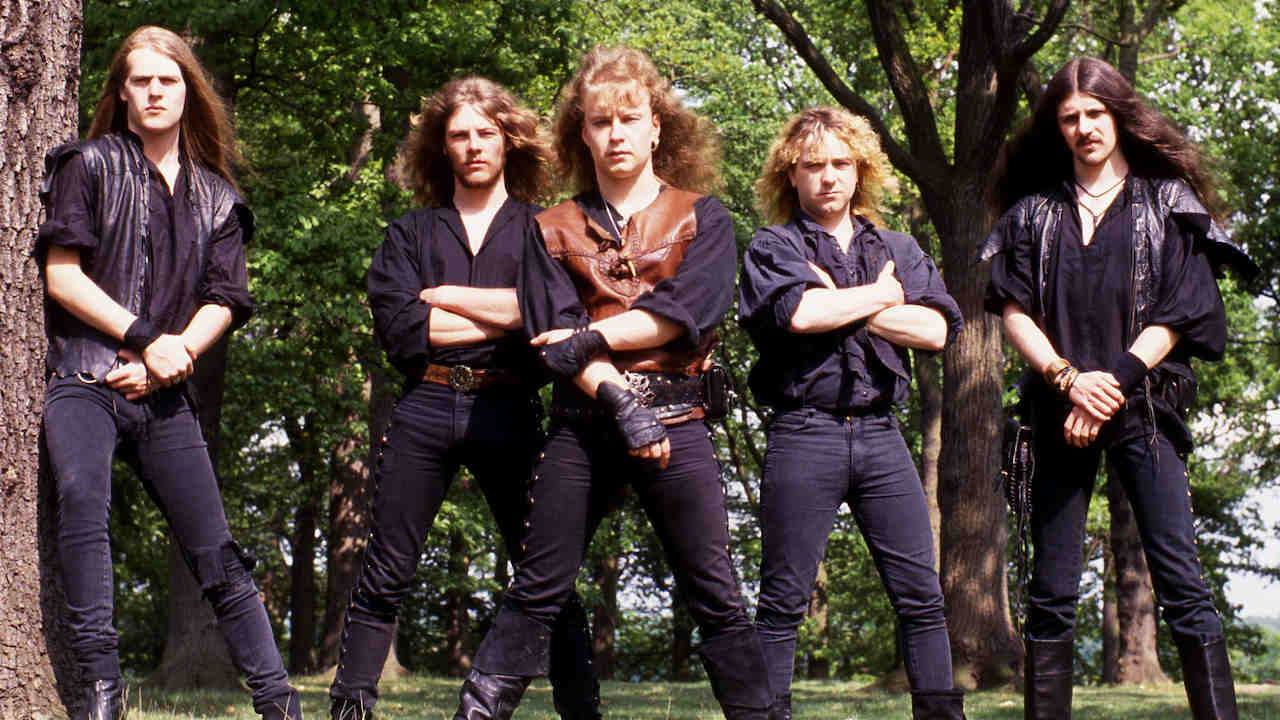
Among the handful of contenders capable of reshaping the international landscape, Nottingham’s Sabbat stood head and shoulders above their peers. Characterized by intricate guitar arrangements, theatrical progressive tempos, and deep literary explorations of pagan philosophy and Anglo-Saxon folklore, Sabbat represented a stark, intellectually ambitious departure from the prevalent nuclear-war and street-thrash tropes of the era.
       [1985] Formed as Hydra -> Renamed SABBAT
                         │
       [1987] Signed to Noise Records (Demos: 'Magik...', 'Fragments...')
                         │
       [1988] Debut Album: 'History Of A Time To Come'
                         │
       [1989] Release of Concept Landmark: 'Dreamweaver'
                         │
       [1990] Core Lineup Collapse (Walkyier & Craske Exit)
                         │
       [1991] 'Mourning Has Broken' & Final Dissolution
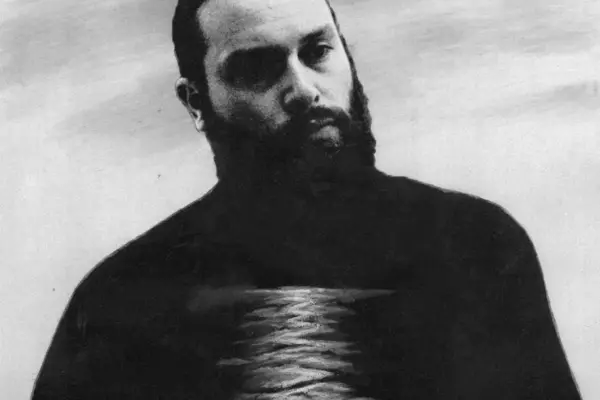
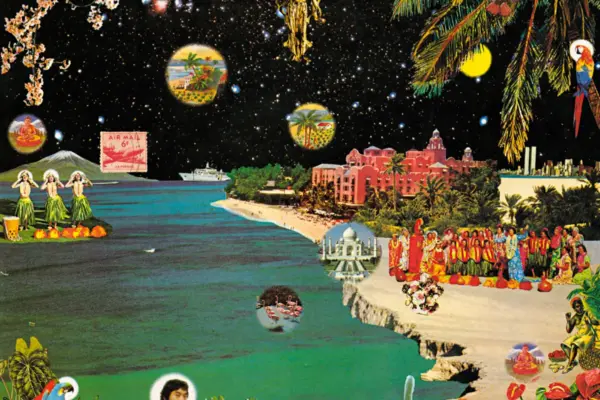
Released in June 1989, Sabbat’s sophomore effort, Dreamweaver: Reflections Of Our Yesterdays, stood as the apex of their creative output. A full-length conceptual adaptation of Brian Bates’ 1983 historical fantasy novel The Way of Wyrd, the record merged high-speed technical thrash with complex storytelling.
However, behind its critical success lay severe financial distress, studio miscalculations, analog technical failures, and escalating creative friction. The album ultimately marked both the peak of British progressive thrash and the death knell of Sabbat’s original incarnation.
Detailed Chronology
+-------------------------------------------------------------------------------+
|                             CHRONOLOGY OF SABBAT                              |
+--------------+----------------------------------------------------------------+
| June 1985    | Formed under the name Hydra by Martin Walkyier, Fraser Craske, |
|              | and Andy Sneap. Renamed Sabbat following drummer line-up shift.|
+--------------+----------------------------------------------------------------+
| 1986–1987    | Release underground demos 'Magik In Theory And Practice' and   |
|              | 'Fragments Of A Faith Forgotten'. Sign to Noise Records.       |
+--------------+----------------------------------------------------------------+
| April 1988   | Debut album 'History Of A Time To Come' released. Second       |
|              | guitarist Simon Jones joins to complete five-piece lineup.     |
+--------------+----------------------------------------------------------------+
| Early 1989   | Recording sessions for 'Dreamweaver' begin at Noise Studios,   |
|              | West Berlin, plagued by acoustic issues and tape wear.         |
+--------------+----------------------------------------------------------------+
| June 1989    | 'Dreamweaver: Reflections Of Our Yesterdays' released to       |
|              | widespread critical acclaim.                                   |
+--------------+----------------------------------------------------------------+
| 1990         | Walkyier and Craske depart post-Manowar tour due to financial  |
|              | hardship and musical divergence; Walkyier forms Skyclad.       |
+--------------+----------------------------------------------------------------+
| 1991         | 'Mourning Has Broken' released with revised lineup; band       |
|              | disbands shortly thereafter.                                   |
+--------------+----------------------------------------------------------------+
| 2006         | Brief reunion tour supporting Cradle of Filth.                 |
+--------------+----------------------------------------------------------------+
1985–1987: Formation, Demos, and the Noise Records Signing
Sabbat was formed in Nottingham in June 1985 under the moniker Hydra by vocalist Martin Walkyier, bassist Fraser Craske, and guitarist Andy Sneap. Following the departure of early members Mark Daley (drums) and Adam Ferman (second guitar), drummer Simon Negus joined the group. Markings of a distinct identity prompted a name change to Sabbat.
The band quickly recorded two influential cassette demos:
- Magik In Theory And Practice
- Fragments Of A Faith Forgotten
These tapes garnered extensive press coverage in publications like Kerrang! and caught the attention of Karl-Ulrich Walterbach’s West German independent metal label, Noise Records. Indicative of their youth, the contractual signing had to be deferred until guitarist Andy Sneap reached his 18th birthday.
1988: History Of A Time To Come and Expansion
In early 1988, Sabbat released their debut studio LP, History Of A Time To Come, recorded at Sky Trak Studios in Berlin with producer Roy Rowland. The album was praised for its speed, ferocious execution, and Walkyier’s intricate, venomous vocal delivery. To replicate the record’s dual-guitar harmonies live, the band recruited former Holosade guitarist Simon Jones, establishing Sabbat as a formidable five-piece act.
1989: The Conception, Recording, and Release of Dreamweaver
Desiring a broader canvas for their sophomore release, Walkyier proposed a conceptual framework based on Brian Bates’ 1983 novel The Way Of Wyrd, which explored pre-Christian Anglo-Saxon shamanism and pagan spiritual philosophies. Simultaneously, Sneap composed increasingly complex, multi-tempo musical arrangements.
                  [CONCEPT SOURCE]
            'The Way Of Wyrd' by Brian Bates
                           │
                           ▼
          [MARTIN WALKYIER]     [ANDY SNEAP]
          Pagan Narratives  +   Multi-Riff Technicality
          & Poetry              Arrangements
                           │
                           ▼
                 [NOISE STUDIOS, BERLIN]
            Producer: Roy Rowland
            • Ripped-out acoustic carpets
            • Low ceiling reflections
            • 2-inch tape degradation
                           │
                           ▼
             'DREAMWEAVER' ALBUM (1989)
In early 1989, Sabbat relocated to Noise Studios in West Berlin to re-team with producer Roy Rowland. The production process immediately ran into physical and structural setbacks:
- Studio Acoustics: The recording space—recently purchased by Noise Records from ambient pioneers Tangerine Dream—had been stripped of its dampening carpets and fitted with hardwood floors. Combined with low ceilings, this generated an uncontrollable room echo. Production stalled for two weeks while the band waited for acoustic tiles to arrive, for which Noise Records billed the band.
- Analog Tape Degradation: Recorded on standard two-inch multi-track analog tape, the sheer volume of overdubs and repeated playback caused physical wear on the tape medium, visibly degrading the audio fidelity of the album’s opening and closing tracks.
- Financial Deprivation: Band members received a per diem allowance of approximately £3 (roughly $5 USD at the time), resulting in severe malnutrition and isolation in Berlin.
Despite these hurdles, Dreamweaver: Reflections Of Our Yesterdays was released in June 1989 to widespread critical enthusiasm, lauded for its sheer technical ambition and unique narrative scope.
1990–1991: Fractures, Exit, and Final Dissolution
The pressure of touring, lack of professional management, and severe financial distress rapidly eroded band unity. Following a European tour supporting Manowar, internal conflict reached a breaking point:
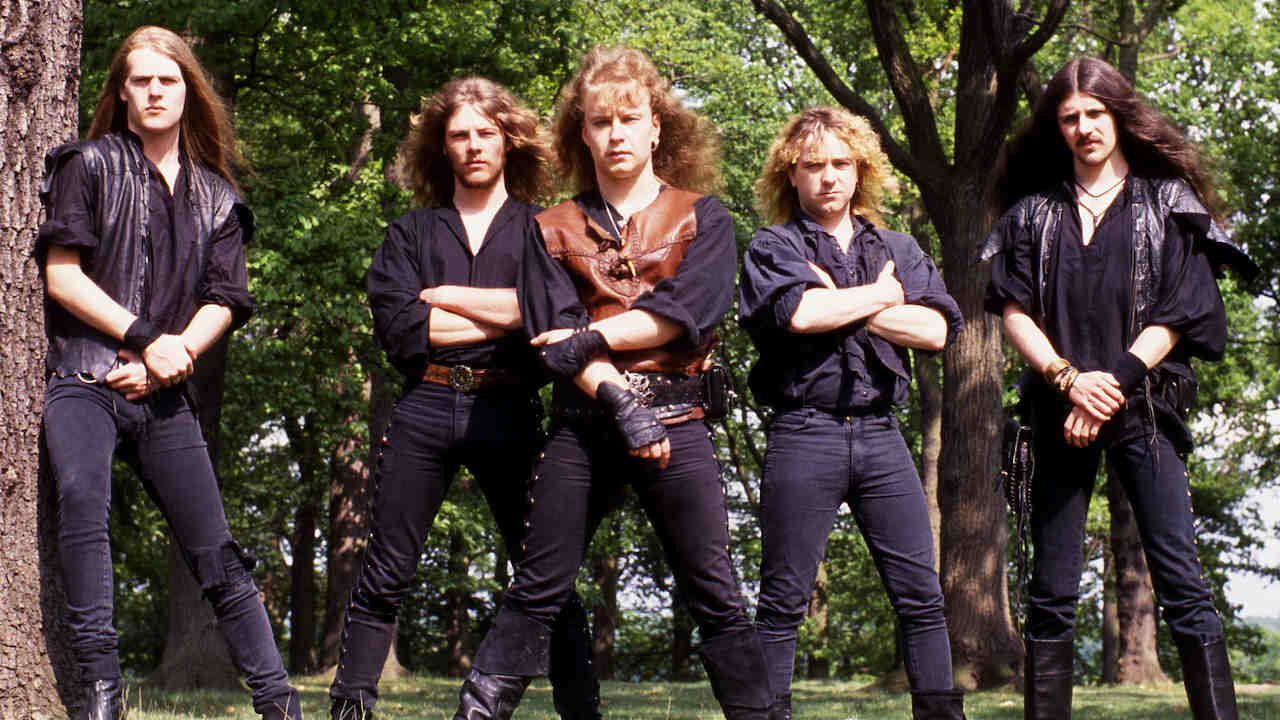
- Musical Direction: Sneap’s songwriting leaned toward sprawling, technical epics spanning up to 11 minutes, which Walkyier found structurally impossible to lyricize. Walkyier advocated for incorporating folk instrumentation, such as violins, which Sneap rejected.
- Personal Finances: Upon returning home, Walkyier was living on £27 per week in state income support with a pregnant partner, seeing zero financial yield from Sabbat’s record sales or touring.
In 1990, Walkyier and Craske exited Sabbat. Walkyier immediately joined forces with guitarist Steve Ramsey to form Skyclad, effectively birthing the folk metal genre.
Sneap and Negus attempted to maintain Sabbat, recruiting vocalist Richie Desmond, bassist Wayne Banks, and guitarist Neil Watson. This line-up released Mourning Has Broken in 1991. Universal critical panning and poor sales led directly to the group’s total dissolution later that year.
Supporting Context & Metrics
The Late-1980s British Metal Landscape
While the NWOBHM movement (1979–1983) brought acts like Iron Maiden, Saxon, and Diamond Head to worldwide attention, the UK thrash scene suffered from structural neglect. Unlike the Bay Area or German thrash ecosystems, British bands faced a lack of specialized independent labels, minimal venue infrastructure catering to extreme metal, and indifference from domestic music executives.
| Region | Key Bands | Domestic Record Label Support | Global Market Reach (1985–1990) |
|---|---|---|---|
| United States | Metallica, Megadeth, Slayer, Anthrax | Megaforce, Combat, Metal Blade, Elektra | Massive (Gold/Platinum certifications) |
| West Germany | Kreator, Sodom, Destruction, Tankard | Noise Records, Steamhammer/SPV | High (Dominant across Europe/Japan) |
| United Kingdom | Sabbat, Onslaught, Xentrix, Slammer | Earache (early), Music for Nations | Moderate to Niche (Restricted by funding) |
Sabbat was one of the few UK acts to secure an international contract with a premier continental label (Noise Records). However, as a foreign act on a German roster, they received secondary promotional priority behind established labelmates like Helloween, Running Wild, and Grave Digger.
Production and Technical Metrics: Dreamweaver
       [TYPICAL 1989 THRASH TRACK]
       • 4 to 6 Riffs per Song
       • Standard Verse-Chorus Structure
       • Direct, Aggressive Vocal Phrasing

       [SABBAT'S 'DREAMWEAVER' TRACK]
       • Up to 20 Riffs per Song
       • Linear, Non-Repeating Progressive Structures
       • Highly Dense Metrical Poetry over Time Shifts
The album’s sonic density presented unique engineering challenges:
- Riff Density: Songs routinely featured up to 20 distinct guitar riffs per track, far exceeding the standard 4-to-6 riff structure typical of late-1980s thrash metal.
- Analog Limitations: Tracked entirely onto 2-inch analog tape, the excessive physical movement of the tape across magnetic heads during months of mixing degraded the top-end high frequencies, particularly on opening and closing tracks like "The Sabbatical Tear" and "Advent of Insanity."
- Finances: Band members subsisted on an estimated £3 daily per diem in Berlin, while back in the UK, income averaged £27 per week on government assistance.
Official Statements
On the Conceptual Foundation and Literary Adaptation
Martin Walkyier on selecting Brian Bates’ novel as the foundation for Dreamweaver:
"I had read a novel called The Way Of Wyrd by Brian Bates, and thought it could be easily adapted to Sabbat. I was always into the idea of doing concepts anyway, and the rest of the band were up for that idea."
Andy Sneap on approaching the lyrics and narrative integration:
"I had loads of riffs and arrangements already worked out. They were more involved than had been the case on our debut, but that was to some extent because I was trying to keep myself entertained. I had no problem with the idea of a concept album. I was into King Diamond and Mercyful Fate, so went along with Martin on this one. I did read The Way Of Wyrd, and enjoyed it. Not exactly what I was into, but Martin did an amazing job in fitting the whole story into the lyrics."
On the Berlin Recording Nightmare and Label Neglect
Andy Sneap detailing the acoustical issues at Noise Studios:
"We had two weeks in Berlin before we could even record. Roy [Rowland] was waiting for a delivery of acoustic tiles because the studio sounded awful. Noise had bought it from Tangerine Dream and ripped out a carpet that was in there. It was replaced with a pine floor and, as the ceiling was low, the sound was dreadful. A great start for us, especially when you consider that Noise were charging us for studio time while Roy waited for those tiles!"
Martin Walkyier on production flaws and financial neglect by Noise Records:
"We wanted to use Roy again, although in the end I think he was the wrong choice. That’s typical of us, always making mistakes back then. The thing is that everything about Dreamweaver… suggests, even now, that it could have been a great album — except the production… The tracks which bookended the album, the opening and closing ones, started to wear out on the tape.
We each got the equivalent of £3 per day, which meant that we could barely afford to eat anything! I guess that was typical of the way Noise treated us. There was no financial commitment at all from their end… I still believe that had Noise bothered with Sabbat, then Dreamweaver… would have been really successful, and we’d have gone on to have a great career."
On the Creative and Financial Split
Martin Walkyier refuting rumors regarding his departure:
"There are stories that I quit Sabbat because the rest of the band didn’t like my Pagan lyrics. That’s not true. All of us shared an interest in that side of things… No, the truth was that I could see the music was going to get even more complex. Andy was writing 11-minute metal epics, and I couldn’t even begin to see how I’d write lyrics for something like that. I wanted to explore other musical styles, to bring in violins for instance. That would never have worked with Sabbat.
The other trouble was that I was broke… I was living at home on £27 a week income support, and my girlfriend was pregnant with my son. I just couldn’t go on like that."
Andy Sneap reflecting on the album’s compositional density:
"Basically, we packed so many riffs onto the record; I think there must be about 20 on each track. What this album ended up being was Martin screaming poetry over loads and loads of riffs. If a band came to me today with these ideas, I’d pull it apart and get them to rethink the songs. But, we were so young back then — I was barely 20 — that we didn’t have the experience. One thing that does come through is what a clever lyricist Martin was — and is. There’s nobody who can touch him, in the way he uses words."
Future Outlook & Legacy
The Emergence of Folk Metal and Production Careers
Though Sabbat’s core line-up fractured in 1990, the stylistic divergent paths of Walkyier and Sneap went on to leave a lasting impact on extreme metal worldwide:
                         SABBAT SPLIT (1990)
                                  │
         ┌────────────────────────┴────────────────────────┐
         ▼                                                 ▼
  MARTIN WALKYIER                                    ANDY SNEAP
  • Formed SKYCLAD                                   • Premier Heavy Metal Producer
  • Pioneered Folk Metal Genre                       • Backstage Studios Founder
• Fused Thrash with Celtic Violins • Touring Guitarist for JUDAS PRIEST- Martin Walkyier & Skyclad: By embedding traditional Celtic fiddle, violins, and folk melodies directly into thrash structures, Walkyier’s work with Skyclad laid the structural groundwork for modern folk metal, directly influencing later bands like Eluveitie, Ensiferum, and Korpiklaani.
- Andy Sneap’s Production Empire: Sneap leveraged his technical experience with Sabbat’s recording issues to build a career as a metal engineer and record producer. Operating out of Backstage Recording Studios in Derbyshire, Sneap produced and mixed defining albums for Machine Head, Megadeth, Arch Enemy, Killswitch Engage, and Testament. In 2018, Sneap was named official touring rhythm and lead guitarist for Judas Priest, replacing Glenn Tipton.
Long-Term Critical Re-Evaluation of Dreamweaver
While Sabbat’s subsequent reunion attempts—including a brief late-1990s iteration named Return To The Sabbat and a 2006 tour supporting Cradle of Filth—ended due to renewed interpersonal and legal friction, Dreamweaver: Reflections Of Our Yesterdays continues to hold a revered spot in metal history.
Contemporary critics and historians view the album not as a failure of vision, but as an audacious, remarkably ahead-of-its-time masterwork that fell victim to the economic and technical constraints of its era. It remains a high-water mark for late-80s British heavy metal—a testament to what might have been had talent, label backing, and financial stability aligned.