Executive Overview
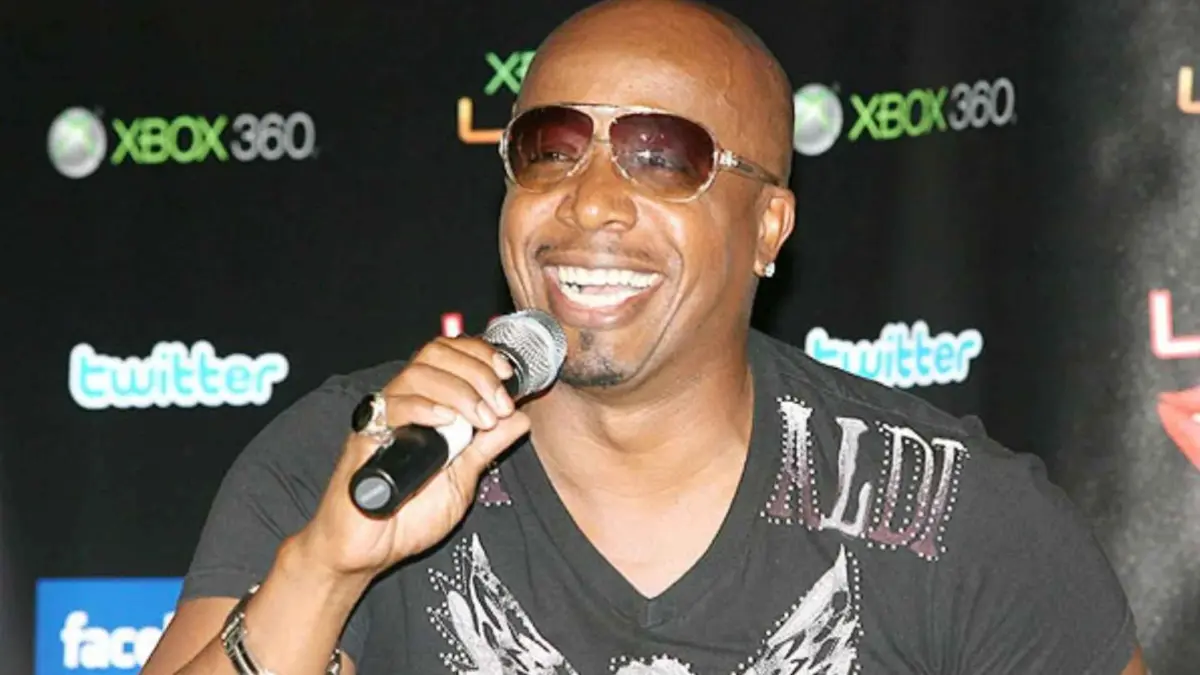
To understand the financial footprint of Stanley Kirk Burrell—better known to the world as MC Hammer—is to examine a masterclass in cultural dominance, hyper-inflationary spending, a humbling judicial reckoning, and an unlikely, forward-thinking reinvention.
In 2026, MC Hammer’s estimated net worth sits firmly between $1.5 million and $2 million. For most individuals, a multi-million-dollar valuation represents substantial security. Yet, when juxtaposed against his early 1990s peak—when his empire commanded an astronomical $70 million fortune—the figure highlights one of the most dramatic trajectories in entertainment history.
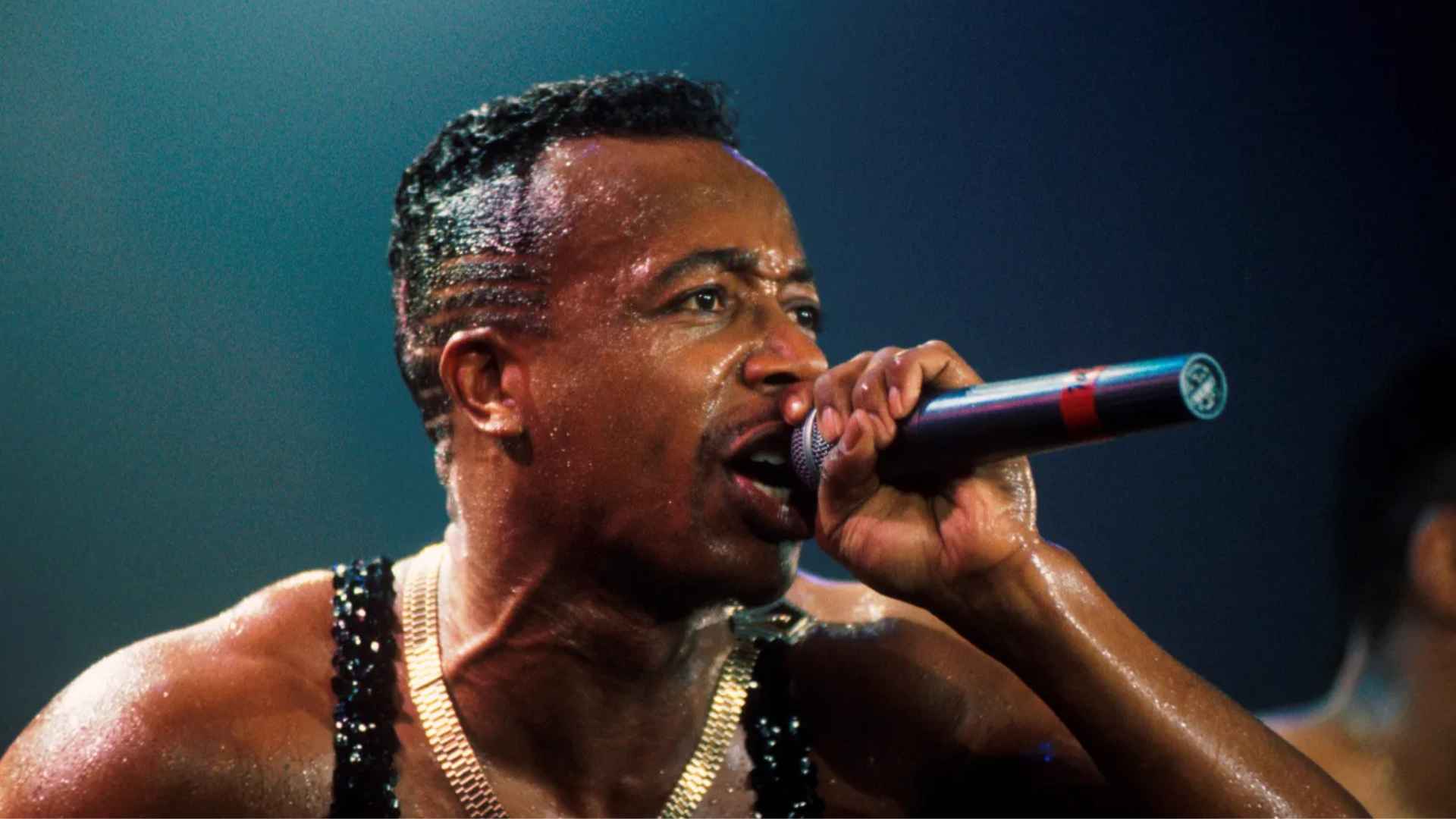
Hammer was not merely a rap star; he was a global phenomenon who broke unprecedented commercial barriers. His 1990 magnum opus, Please Hammer, Don’t Hurt ’Em, shattered industry ceilings as the first hip-hop album to achieve RIAA Diamond certification (surpassing 10 million copies sold). He traveled with private jets, maintained a payroll for an entourage of nearly 200 people, and inhabited a sprawling, customized $12 million California estate.
However, by 1996, a combination of shifting musical tastes, astronomical overhead, and a $10-plus million debt burden forced him into a Chapter 11 bankruptcy filing. While many artists caught in similar financial crises fade into obscurity, Hammer engineered a quiet, remarkably prescient second act. Long before modern celebrities routinely launched venture capital funds, Hammer was embedding himself in Silicon Valley, forging early equity partnerships with tech giants, and laying the groundwork for a digital advisory career. Today, his wealth is sustained by legacy music royalties, technology consulting, and selective public engagements—proving that resilience can outlast even the most colossal fall from grace.
Detailed Chronology: From Oakland to Global Dominance and Bankruptcy
The life of Stanley Kirk Burrell is defined by distinct chapters: an unorthodox entry into fame, an unprecedented meteoric rise, a staggering financial collapse, and a calculated technological renaissance.
[1962: Birth in Oakland] ──> [1980s: Navy & Indie Music] ──> [1990: Diamond Peak ($70M)]
                                                                    │
[2026: Tech Advisor ($2M)] <── [1996: Chapter 11 Bankruptcy] <──────┘
1. Humble Beginnings and the Birth of "Hammer"
Born on March 30, 1962, in Oakland, California, Burrell grew up in a large family navigating limited financial means. Athleticism was his first true love. During his youth, his exceptional energy and baseball acumen landed him a job as a bat boy for the Oakland Athletics.
During breaks in the action, young Stanley would entertain the stadium crowds with improvisational dance routines. His physical agility and hustle drew comparisons from players to baseball legend Hank Aaron, who was affectionately nicknamed "Hammer" due to his powerful swing. The moniker stuck, branding young Stanley for life.
When a professional baseball career failed to materialize after high school tryouts, Burrell enlisted in the United States Navy, serving proudly for three years. This disciplined military stint provided him with a structured environment to reflect on his future, steering him decisively back toward his true passion: performance and music.
2. The Meteoric Rise: 1990–1992
Upon completing his naval service, Burrell poured his energy into the burgeoning Bay Area independent music scene, self-releasing early projects before securing a landmark record deal with Capitol Records.
The turning point arrived with the 1990 release of Please Hammer, Don’t Hurt ’Em. Fueled by the infectious, inescapable cultural touchstone "U Can’t Touch This," the album transformed Hammer into a cross-over icon. The record spent 21 weeks at the number-one spot on the Billboard 200 and opened doors for hip-hop on mainstream radio and television. By 1991–1992, at the absolute height of his touring empire, Hammer’s net worth touched an estimated $70 million, making him one of the highest-earning musicians on the planet.
3. The 1996 Financial Reckoning
Hammer’s empire was built on a notoriously high-burn-rate business model. His stage shows featured massive, synchronized dance troupes, elaborate pyrotechnics, and a traveling entourage reportedly numbering up to 200 individuals. Monthly payroll and operational costs alone routinely chewed through $500,000 to $1,000,000.
Compounding these expenses was his lifestyle. He purchased a massive Fremont estate for roughly $12 million, subsequently sinking tens of millions into opulent renovations, a fleet of luxury vehicles, racehorses, and aviation assets.
When musical tastes shifted toward the harder-edged West Coast gangsta rap pioneered by artists like Dr. Dre and Snoop Dogg, Hammer’s album sales cooled off. Yet his overhead did not. By 1996, burdened by over 200 creditors, uncollected back taxes, and a debt load stretching between $10 million and $14 million against roughly $1 million in remaining assets, Hammer filed for Chapter 11 bankruptcy protection in federal court.
Supporting Context & Metrics: Financial Breakdowns
Evaluating celebrity wealth requires navigating public registries, industry reports, and estimated asset valuations. The table below illustrates Hammer’s financial evolution across pivotal decades.

| Year | Estimated Net Worth | Primary Catalysts & Financial Milestones |
|---|---|---|
| 1990 | ~$33 million | Release and explosive sales of Please Hammer, Don’t Hurt ’Em. |
| 1991–1992 | ~$70 million (Peak) | Global touring dominance; peak single-year cash generation. |
| 1996 | Bankruptcy Filing | Chapter 11 filing; $10M+ in cumulative debt versus $1M in assets. |
| 2010s | Under $1 million | Asset liquidation phase; structural pivot toward Silicon Valley tech consulting. |
| 2026 | ~$1.5M – $2 million | Stabilized income derived from legacy royalties, tech advisory, and selective appearances. |
Comparative Wealth Analysis in Hip-Hop
To understand Hammer’s financial trajectory, it is instructive to compare his business model with contemporary rap titans who mastered modern equity and enterprise building.
| Metric | MC Hammer | Jay-Z | Dr. Dre |
|---|---|---|---|
| Primary Historical Income | Album sales, high-cost live touring | Music catalog, premium brand creation, venture capital | Music production, high-end hardware, consumer electronics |
| Core Business Focus | Early tech startups, digital marketing advisory | Roc Nation, Armand de Brignac, D’Usse, tech equity | Beats by Dre, Aftermath Entertainment |
| Financial Trajectory | Rapid accumulation, catastrophic bankruptcy, structural rebuilding | Consistent, compounding multi-industry asset growth | Systematic ownership acquisition and high-value corporate exits |
| Key Strategic Lesson | Diversification and conservative operational overhead are vital | Retain equity and build businesses outside of core performance | Own the distribution and hardware pipelines |
Official Statements and Industry Perspectives
While financial analysts debate the exact valuation of legacy catalogs, industry insiders frequently point to Hammer’s foresight in the technology sector as a masterclass in post-crisis recovery.
Reflecting on his Silicon Valley ventures, fellow artist Chamillionaire noted in historical interviews that while many performers in the 2000s were scrambling for nominal social media endorsement checks, MC Hammer was quietly securing actual equity stakes in foundational platforms like Twitter, alongside investments in Bump Technologies (acquired by Google) and early funding rounds for Square and DanceJam.com.
Regarding his past financial mistakes and the subsequent bankruptcy, Hammer has maintained a philosophy of radical acceptance. In past retrospective interviews, when asked if he would alter his past decisions, Hammer steadfastly answered in the negative. He reasoned that altering the painful financial missteps of his past would invariably mean erasing the hard-earned peace, family stability, and spiritual grounding he enjoys today.
His marriage to his wife Stephanie, which began in 1985, has endured for over four decades, serving as the bedrock of his personal life while he raised his five children—Bobby, Jeremiah, Sammy, Sarah, and A’keiba—in the Bay Area.
Future Outlook: Legacy, Tech Consulting, and Enduring Influence
As MC Hammer navigates the mid-2020s, his financial profile is characterized by stability rather than speculative volatility. Large-scale corporate endorsements are no longer a primary driver of his cash flow; instead, his revenue model relies on three steady pillars:
- Legacy Music Royalties: The perpetual licensing and streaming revenues generated by his iconic 90s catalog—anchored forever by "U Can’t Touch This"—provide a reliable baseline of passive income.
- Technology Consulting & Advisory: Having established deep roots in Silicon Valley over nearly two decades, Hammer continues to consult for tech startups, marketing firms, and entrepreneurs seeking guidance on digital media integration and brand positioning.
- Select Appearances & Cultural Engagement: From curated media interviews to selective live performances celebrating hip-hop milestones, Hammer remains an active, highly respected elder statesman of urban music culture.
Ultimately, MC Hammer’s narrative transcends the sensationalized headlines of a 1990s bankruptcy. His journey stands as a vital cautionary tale about the dangers of unchecked overhead, but more importantly, it serves as an inspiring blueprint for reinvention. By trading the transient trappings of extreme pop stardom for sustainable intellectual property, long-term family stability, and early-stage technology investments, Hammer successfully secured his place not just in music history, but in the modern business landscape.