Executive Overview
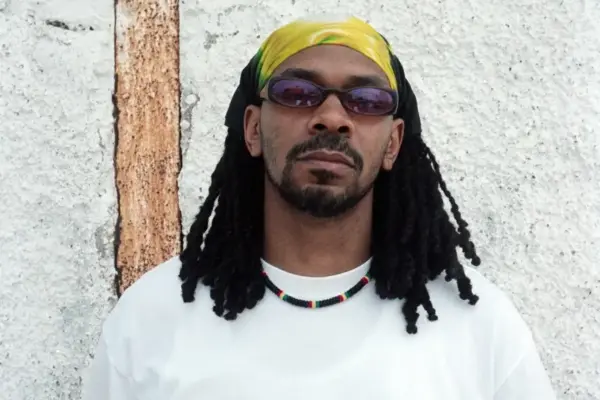
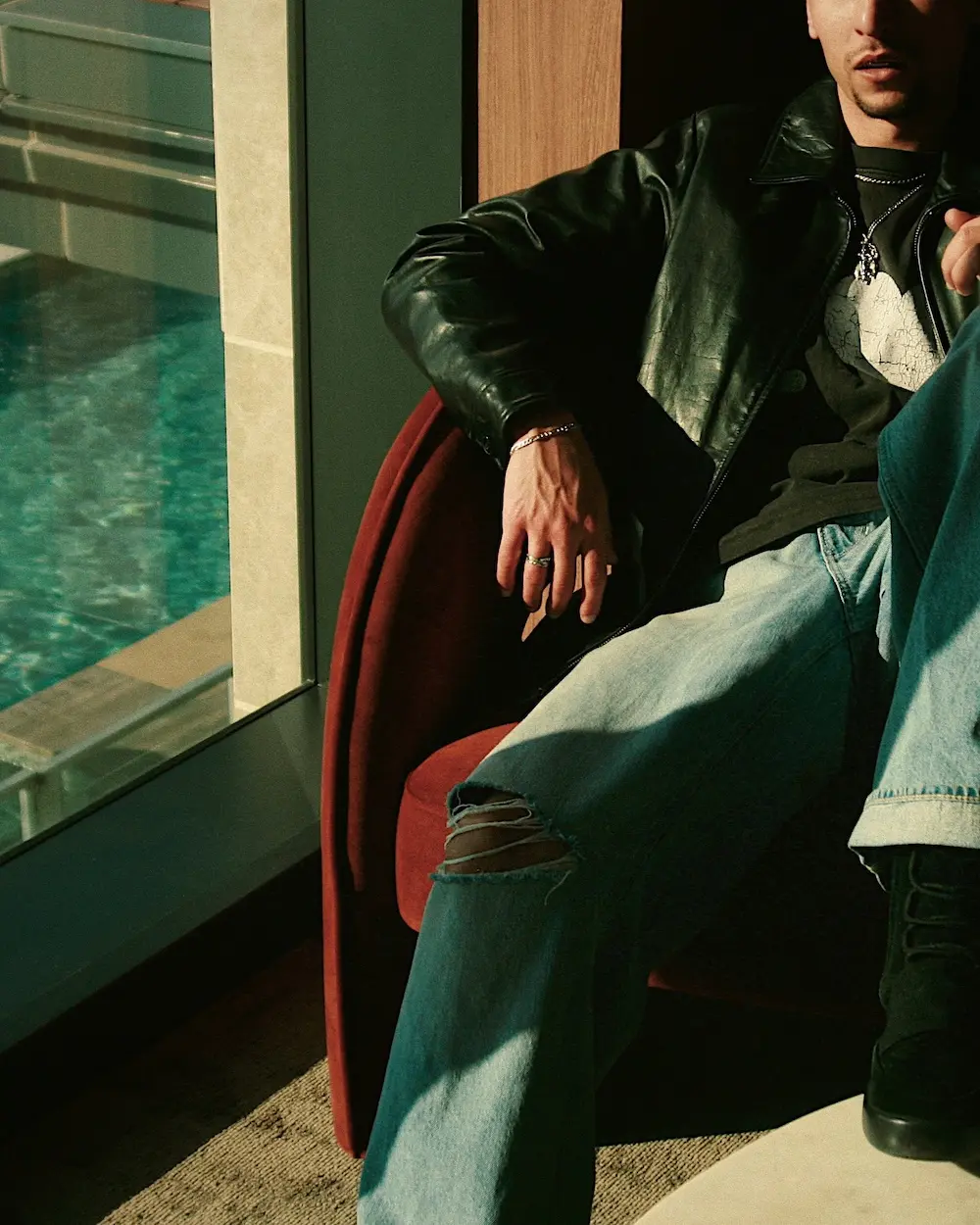
In the modern landscape of popular music, where background streams and algorithm-optimized loops frequently dominate the listening experience, certain producers continue to champion the art of intentional listening. Among them is Austin, Texas-based producer Omar Guetfa, an emerging creative force quietly shaping the sonic horizons of contemporary hip-hop and rap.
Far from engineering sterile, factory-line beats, Guetfa’s signature approach revolves around building rich, atmospheric, and immersive sonic environments. His work is characterized by a distinct aesthetic that is simultaneously vivid, dark, and wonderfully imperfect—an intentional rejection of over-quantized, overly sanitized digital music production.
Guetfa’s fingerprints are already all over some of the genre’s biggest releases. Most notably, he co-produced the standout hit "Private Landing"—a blockbuster collaboration featuring Don Toliver, Justin Bieber, and Future—alongside heavy-hitting tracks like "Hitek Tek."
In this expansive interview feature, drawn from the Sonic Architects series, Guetfa reflects on the realities of navigating major-label politics, the battle to preserve his authentic artistic voice amid heavy collaborative tinkering, the socio-economic implications of democratization in production software, and why a healthy dose of industry "gatekeeping" might actually protect the culture’s authenticity.
Detailed Chronology: The Rise of an Immersive Soundscaper
Breaking Boundaries from Austin, Texas
While traditional hip-hop infrastructure has historically centered on traditional powerhouses like Atlanta, Los Angeles, New York, and Houston, the modern internet-driven music ecosystem allows exceptional talent to emerge from anywhere. Based in the heart of Austin, Texas, Omar Guetfa carved out his lane through unwavering dedication to his craft, focusing heavily on texture, mood, and spatial depth.
Rather than chasing quick algorithmic trends, Guetfa focused on developing a recognizable signature. When asked to define his production style, Guetfa keeps it direct:
"My name is Omar Guetfa, and I’m based in Austin, Texas. The beats I feel closest to are vivid, dark, and imperfect."
This embrace of imperfection is crucial. In an era where digital audio workstations (DAWs) allow producers to snap every note to a rigid grid and pitch-correct every harmonic imperfection, Guetfa looks for the human element—the subtle grit, the analog warmth, and the haunting atmosphere that gives a beat its pulse.

The Blueprint of a Hit: Dissecting "Private Landing"
Guetfa’s catalog boasts significant streaming heavyweights. When asked about his most popular creations, he points directly to "Private Landing" and "Hitek Tek." He also acknowledges the unfortunate realities of the digital age, referencing a leaked collaboration between Gunna and Marshmello that circulated prematurely through unverified leak communities ("booo").
Yet, among all his credits, "Private Landing" remains his crown jewel and personal favorite. Major-label records are notoriously collaborative pressure cookers. By the time a song makes its way from an underground bedroom producer to a multi-platinum-selling superstar lineup like Don Toliver, Justin Bieber, and Future, it usually passes through dozens of hands.
During this rigorous multi-step refinement process, original ideas are frequently altered, chopped up, or completely discarded. Samples get flipped beyond recognition, extra synthesizer keys are layered on top, and the original creator’s unique sonic identity can easily get lost in the shuffle.
For Guetfa, "Private Landing" was a rare exception where his foundational vision remained completely intact. Explaining why this track holds such a special place in his heart, Guetfa notes:
"When music passes through so many hands, your voice can get lost in the mix. Samples get chopped, keys get added. But with ‘Private Landing’, the sample I made was preserved—BPM, key, arrangement. Everything I created is in there, speaking for me. We fight so hard to have our voices cut through, and that’s one where I helped define the sound of the track."
Guetfa is quick to credit the industry veterans who recognized his vision and gave him the space to shine, expressing gratitude to Cardo, Derek, Sickamore, and Rob for "hearing the kid out."
Supporting Context & Metrics: The Democratization Dilemma
Software Accessibility: A Double-Edged Sword
As music production software (DAWs like Ableton, FL Studio, Logic Pro) and high-quality virtual instruments have become cheaper, cloud-based, and widely accessible, the barrier to entry for aspiring producers has plummeted. Anyone with a laptop and an internet connection can download a trial version of a DAW, pull free MIDI loops from the web, and start making beats.
This technological shift has sparked a fierce ongoing debate across the global music community: Is the democratization of music production an unmitigated triumph, or is it diluting the quality and cultural integrity of the art form?

Approaching the question from his perspective as a guest within the rap ecosystem, Guetfa offers a balanced, nuanced take:
"From my limited perspective as a guest in the rap space, I think it’s a double-edged sword. A lot of the originators of rap come from lower socioeconomic backgrounds, so removing that financial barrier to entry is ultimately a net positive. We need more voices from those communities to continue defining the genre."
This observation highlights the foundational roots of hip-hop, a genre born out of resourcefulness, resilience, and urban ingenuity. If exorbitant gear costs had historically locked out raw talent, hip-hop culture would have missed out on countless legendary innovators. Making tools accessible ensures that creative expression remains open to those with raw talent rather than just those with deep financial backing.
The Case for Healthy Gatekeeping
However, the coin has a reverse side. With production software becoming universally accessible, the market has naturally flooded with low-effort, derivative content. For dedicated artists and producers who treat their craft with reverence, watching the space get crowded can be frustrating.
Guetfa addresses the controversial topic of industry gatekeeping head-on:
"On the other hand, it’s harder to gate-keep, and I believe some gatekeeping is good. Seeing the producing space get diluted by people who only superficially embody the culture can be tough."
In this context, "gatekeeping" is not framed as malicious exclusion or elitism, but rather as a standard of respect, cultural understanding, and quality control. When participants lack a fundamental connection to the history, nuance, and lived experiences that birthed the culture, the music risks losing its emotional depth and becoming soulless background noise. Guetfa’s perspective underscores the tension between mass accessibility and cultural preservation.
Official Statements & Industry Insights
To fully appreciate Omar Guetfa’s trajectory, one must examine the operational dynamics of modern major-label hip-hop production. Producers operating at the highest tier—collaborating with artists of the caliber of Future, Justin Bieber, and Don Toliver—must balance raw artistic integrity with the fast-paced, collaborative demands of commercial music production.
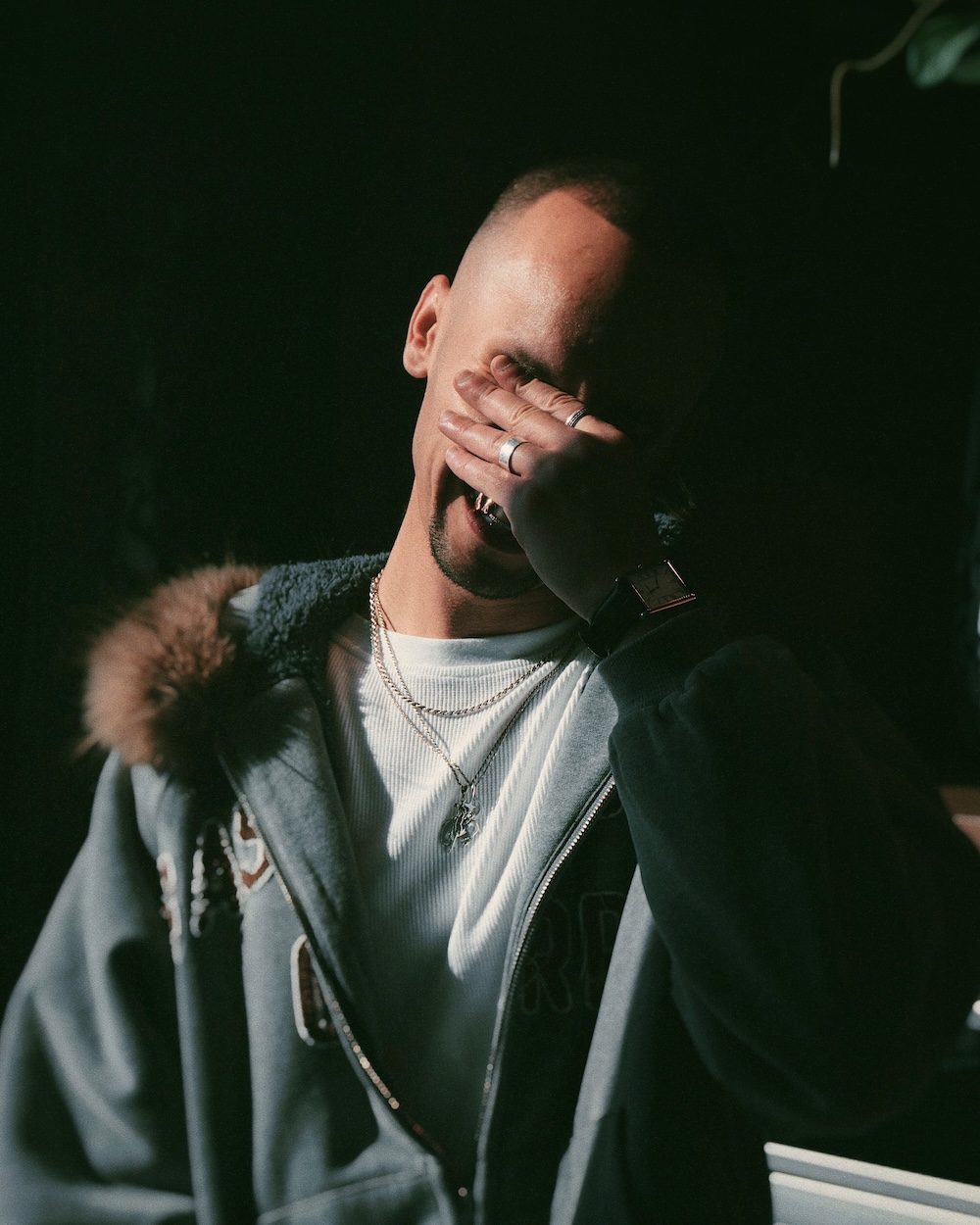
Key takeaways from Guetfa’s industry philosophy include:
- Preservation of Original Intent: As demonstrated on "Private Landing," the difference between a memorable, culture-shifting record and a generic beat often lies in whether the original producer’s core sample arrangement and emotional cadence survive the executive chopping block.
- Audio World-Building: Guetfa treats every beat not merely as an instrumental canvas for a rapper to float over, but as a fully realized cinematic environment that demands active, intentional listening from the audience.
- Embracing Imperfection: By leaning into dark, vivid, and imperfect sonic textures, Guetfa separates himself from the ultra-quantized, plastic production style that plagues much of modern commercial trap and rap music.
- Cultural Stewardship: As production technology continues to evolve and lower barriers to entry, established creatives bear a responsibility to maintain cultural standards and respect the lineage of the genre.
Future Outlook: The Next Chapter for Sonic Architects
As the boundaries between genres continue to dissolve and production technologies advance into the realms of AI assistance and spatial audio, producers like Omar Guetfa represent an essential counterweight. They prove that technological convenience should never replace emotional resonance, texture, and storytelling.
Having already secured major cuts alongside some of the biggest names in global pop and hip-hop, Guetfa’s future looks exceptionally bright. Whether he is tucked away in his Austin studio crafting dark, atmospheric loops or collaborating remotely with major-label heavyweights in Los Angeles and Atlanta, his commitment to intentional listening remains unwavering.
For fans and aspiring producers looking to dive deeper into the mind of this modern sonic architect, the full-length, unedited conversation is available exclusively via the Viper Substack as part of their ongoing deep-dive series into the creative forces shaping hip-hop and global culture.
As the music industry navigates the complexities of streaming economics, software accessibility, and artistic authenticity, creators like Omar Guetfa ensure that the culture’s foundation remains rooted in genuine expression, sonic depth, and uncompromised vision.
For further reading and more exclusive artist profiles, check out the complete archive of music interviews available on the official Viper Magazine Website.