Executive Overview
In the tapestry of modern popular culture, milestones of profound loss, artistic reinvention, and environmental awakening frequently intersect. This week, the cultural landscape has been forced to reckon with the passing of a true American icon—Dolly Parton—whose extraordinary ability to bridge the gap between rural grit and global superstardom left an indelible mark on music and public life. Parton’s departure coincides with a rich canvas of cultural happenings: Willem Dafoe’s poignant cinematic exploration of late-in-life artistic redemption in Late Fame, Olana Light’s striking ecological performance art along the Portsmouth shoreline, and landmark anniversaries for two towering pillars of science fiction: James Cameron’s Aliens at 40 and the original Star Trek series at 60.
This comprehensive overview delves into the heart of these cultural touchstones. We examine Parton’s brilliant lyricism and calculated public persona, analyze the nuanced psychological landscape of Late Fame, explore the apocalyptic imagery of coastal climate art, and revisit the enduring, human-centric legacies of mid-century and late-20th-century speculative fiction. Through a professional journalistic lens, we trace how these disparate artistic expressions collectively mirror humanity’s enduring quest for identity, connection, and survival.
Detailed Chronology & Retrospective Analysis
The Unmatched Legacy of Dolly Parton
The cultural shockwaves generated by the death of Dolly Parton this week underscore a rare phenomenon: a public figure universally beloved across generations, political divides, and musical genres. Sharp, whip-smart, fiercely funny, and possessing an emotional intelligence as vast as her legendary stage presence, Parton continually wrong-footed public perception. Much like her unforgettable portrayal of Doralee Rhodes in the classic 1980 workplace comedy 9 to 5, Parton weaponized her underestimated exterior to disarm critics and champion the underdog.
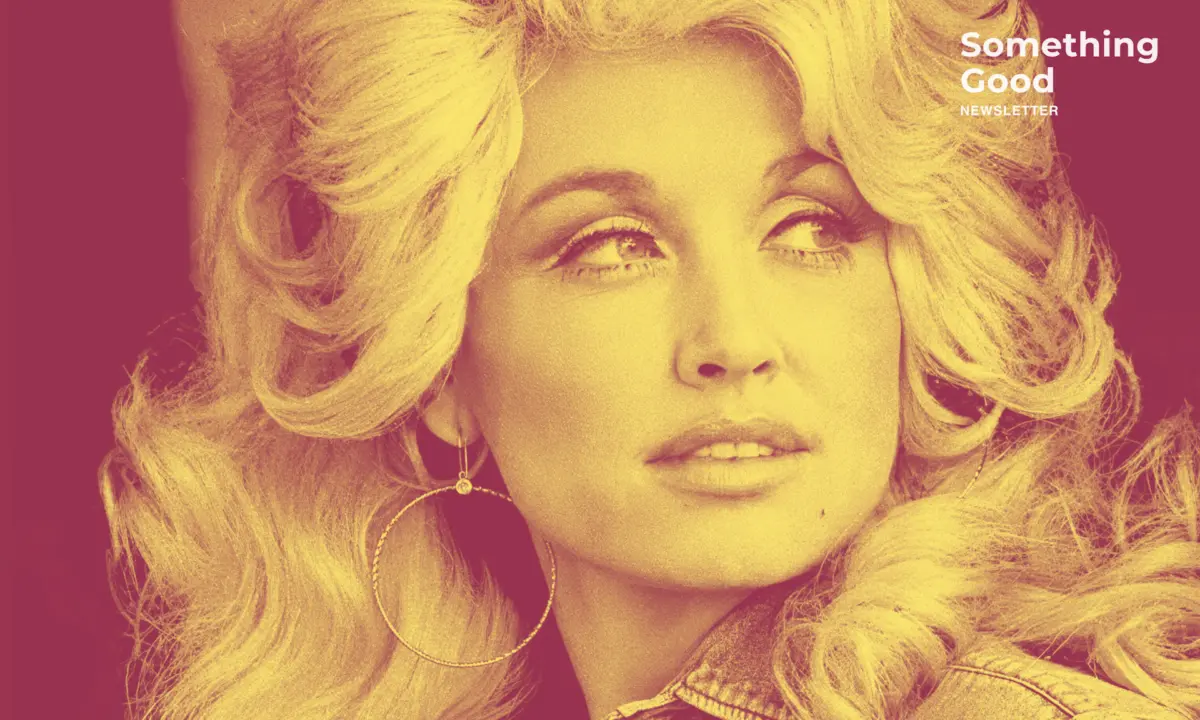
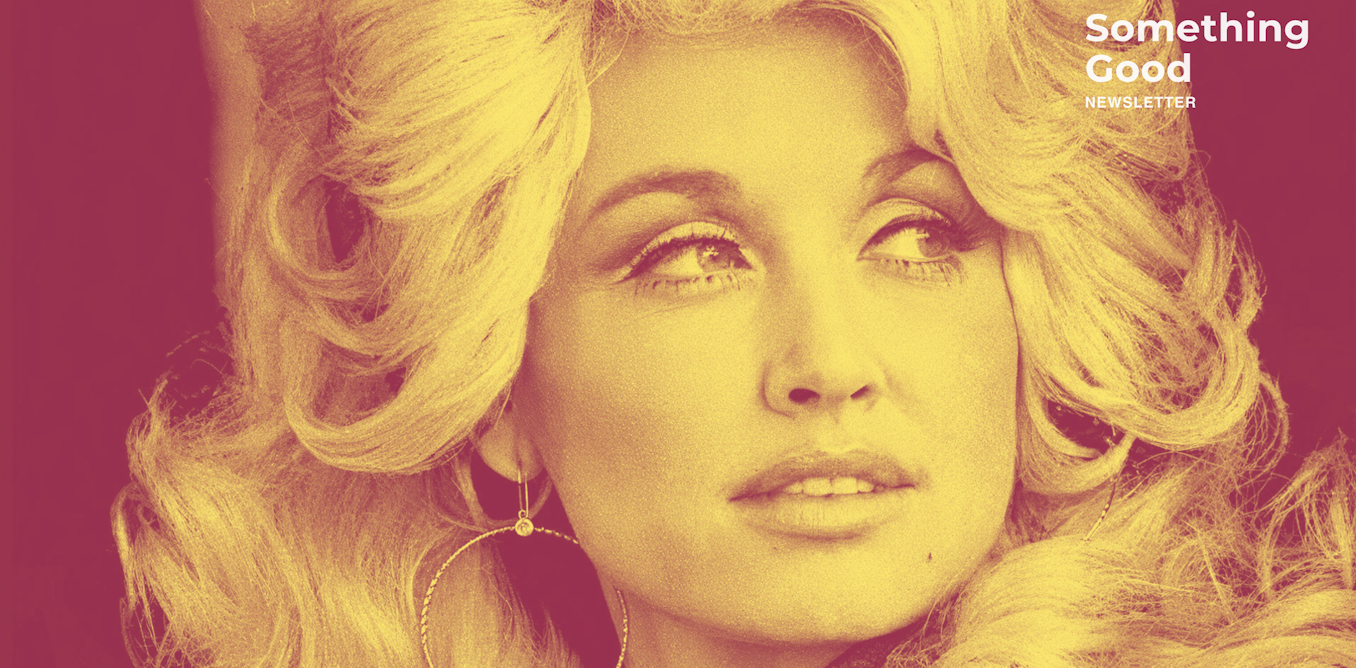
Social media platforms have been inundated this week with a haunting, pre-artifice photograph of Parton likely taken in her thirties. Stripped of the towering wigs, rhinestones, and high-fashion camp of her later decades, the image captures her looking directly into the camera lens with unguarded candor. Her face is a study in raw luminosity—defined by dimples, unforced mischief, and expressive eyelashes—caught in a fleeting moment of genuine laughter.
Yet, the evolution into what she famously characterized as a "cartoon version of herself" was a masterclass in self-determination. Parton famously quipped, "It takes a lot of money to look this cheap!" Behind the self-aware hyper-feminine caricature lay a razor-sharp business mind forged in the crucibles of post-war rural poverty in the backwoods of Tennessee. Her upbringing in Appalachia informed a sweet, vibrato-rich voice and songwriting ability that bypassed intellectual barriers to lodge directly in the listener’s heart.
As Parton herself astutely observed:
"I’ve always believed that a part of my magic, if there was any, was that I look so artificial, but I am so totally real. I think when you hear these kinds of songs, you know that has to come from the heart."
Music researcher Wendy Hargreaves crystallizes the genius of this songwriting through three defining tracks. First, Jolene showcases the unvarnished ache of a vulnerable woman stripped of pretense, appealing directly to her younger rival. Second, 9 to 5 channels the collective frustrations of the American working class into an irresistible, foot-stomping feminist anthem. Finally, the original, unshowy recording of I Will Always Love You—long before its towering Whitney Houston pop-ballad reincarnation—demonstrates the sheer breadth of Parton’s artistry. Together, these tracks reveal an unmatched capacity for bittersweet melodies and deeply affecting lyrical economy.
Supporting Context & Metrics
Cinematic Redemption and Ecological Urgency
Beyond the musical sphere, the current cultural ecosystem is examining the fragility of human ambition and the natural world through striking visual mediums.
Late Fame: The Poetic Second Act
In cinemas now, the wry and tender drama Late Fame offers a meditation on ageing, artistic ego, and the elusive nature of a second act. Directed with nuance, the film stars Willem Dafoe as Ed Saxberger, a once-promising poet lingering on the periphery of the 1960s Beat generation, now quietly serving as a humble postal worker in New York’s Lower East Side.
Ed’s quiet anonymity is shattered when a single, long-forgotten volume of his poetry is unearthed by a coterie of wealthy, bohemian-wannabe youths. Flattered and slightly bewildered by their adulation, Ed is pulled back into a literary demimonde he thought he had escaped. Yet, when he attempts to write anew, he confronts the terror of the blank page.
The film is elevated by a mesmerizing performance from Greta Lee as Grace, a young woman whose sophisticated, worldly facade masks a deeper, more poignant vulnerability. Grace lures Ed into taking one final, desperate gamble on literary ambition. Late Fame raises critical questions regarding the psychological toll of late-blooming recognition and whether validation from the young can truly resurrect a dormant creative spirit.

Between Land and Tide: Performance Art on the Edge
Against the backdrop of extreme summer heatwaves in the south of England, Olana Light’s outdoor performance art piece, Between Land and Tide, offers an urgent wake-up call. Staged along the volatile coastal landscapes of Portsmouth, the work features a massive, wearable starfish sculpture physically inhabited by five "seaborn guardian" women, each acting as a distinct limb of the marine creature.
Running through September 27, the piece serves as a visceral, almost apocalyptic metaphor for the fragility of coastal ecosystems. By embedding human bodies within a marine anatomy, the performance foregrounds our deep-seated, often exploitative relationship with the sea as an island nation, reminding audiences of the urgent ecological tipping points facing our oceans.
Official Statements & Cultural Analysis
The Dual Milestones of Science Fiction: Aliens at 40 and Star Trek at 60
Science fiction aficionados are celebrating landmark anniversaries for two monumental properties that fundamentally shaped collective imaginations: James Cameron’s Aliens (marking 40 years since its 1986 release) and the original Star Trek television series (celebrating 60 years since its 1966 debut).
Aliens: The Apex of Action and Maternal Ferocity
When Aliens thundered into cinemas in the summer of 1986, it defied the cinematic curse of the inferior sequel, matching—and many argued surpassing—Ridley Scott’s 1979 masterclass in atmospheric horror. The film replaced gothic dread with relentless, pulse-pounding militaristic action, introducing audiences to the terrifying biomechanical horror of the queen xenomorph—a creature of polished black carapace, acid-dripping jaws, and chilling efficiency.
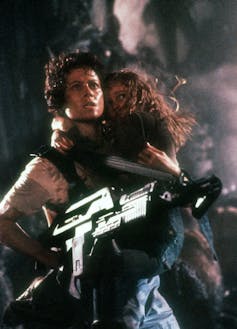
Yet, the cultural legacy of Aliens rests squarely on Sigourney Weaver’s monumental portrayal of Ellen Ripley. Towering, uncompromising, and stripped of Hollywood artifice, Ripley established the gold standard for cinematic action heroines. Her iconic command, "Get away from her, you bitch!"—hurled at the alien queen while protecting the young orphan Newt—crystallized the film’s profound thematic core: a brutal clash between two maternal forces willing to fight unflinchingly to the death for their progeny.
Star Trek: Exploring Humanity in the Cosmos
While Aliens delivers high-octane terror, the original Star Trek series, created by Gene Roddenberry, represents a different philosophical tradition. Though parts of the show have inevitably aged, with its 1960s studio-bound alien sets and William Shatner’s famously scenery-chewing portrayal of Captain James T. Kirk, its cultural footprint remains monumental.
As cultural and historical expert Stephen McVeigh observes, Star Trek achieved greatness precisely because it utilized the backdrop of space exploration—at a historical moment when the US-Soviet space race was reaching fever pitch—to investigate terrestrial human nature. The true legacy of the starship Enterprise does not lie in accurate technological prophecy, but in its unwavering recognition that "the most fascinating and vexing mystery remains humanity itself."
Future Outlook
As we synthesize these diverse cultural threads—mourning the loss of a titan like Dolly Parton while engaging with the reflective poetry of Late Fame, the ecological warnings of Portsmouth’s giant starfish, and the enduring sci-fi legacies of Aliens and Star Trek—a unified theme emerges. Art, in all its manifestations, serves as our primary mirror.
Whether expressed through the Appalachian-rooted storytelling of a country music legend, the existential dread of aging poets, the terrifying visages of deep-space monsters, or the utopian optimism of interstellar diplomacy, humanity continues to seek authenticity. As we look to the future, the challenge for artists and society alike will be to preserve this deep-seated emotional honesty in an increasingly digitized and fragile world.