Executive Overview
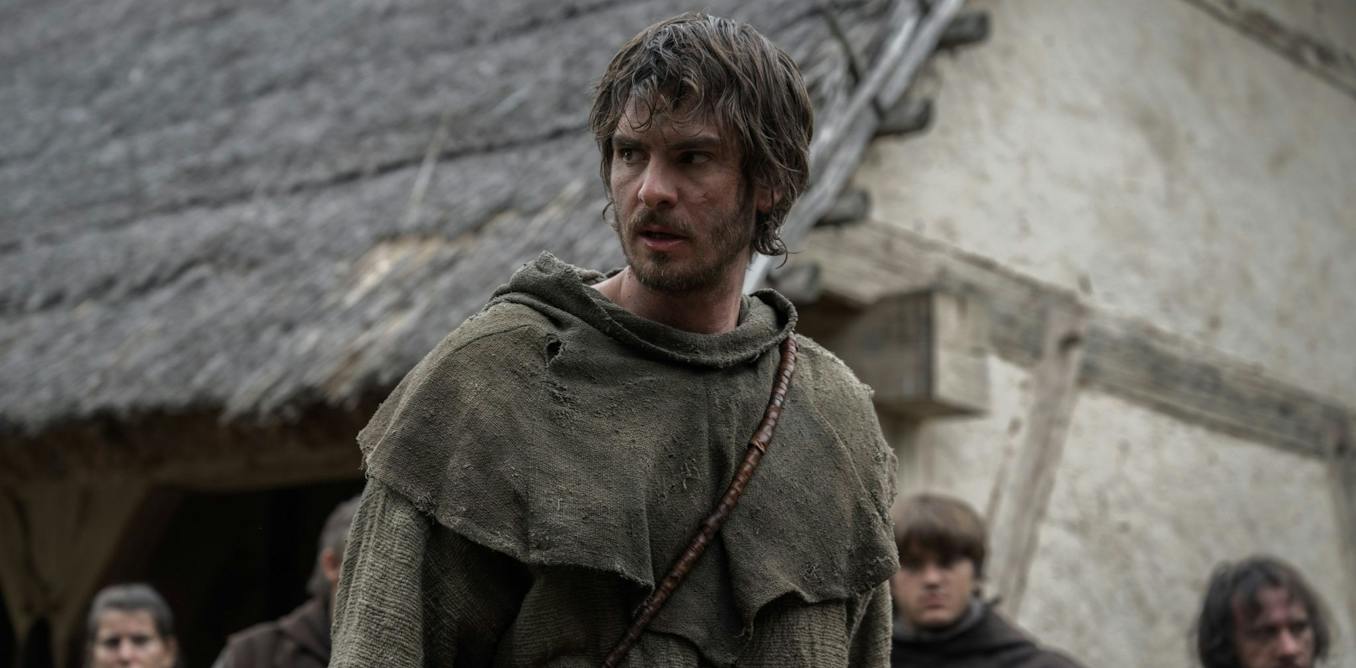
As the cinematic landscape prepares for the autumn release of The Uprising—a high-stakes medieval drama directed by acclaimed filmmaker Paul Greengrass and starring Andrew Garfield—historical attention has turned once again to the tumultuous events of 1381. The film’s promotional synopsis paints a vivid picture of classic populist resistance, positioning Garfield at the head of “an army of the people to face the king’s might in a fight for justice and survival” against “the tyranny of King Richard II.”
However, contemporary medieval chronicles, administrative rolls, and modern historical databases tell a vastly different and more complex story. Far from viewing the youthful monarch as an oppressive tyrant, the participants of the Peasants’ Revolt viewed themselves as his loyal protectors. Their rage was not directed at the crown itself, but at systemic government corruption, deeply unpopular and regressive taxation, and the parasitic network of royal councillors and elites surrounding the throne.
This deep dive examines the historical friction between Hollywood’s framing of the 1381 rebellion and the archival reality. By analyzing primary sources such as the Anonimalle Chronicle, the writings of Henry Knighton and Thomas Walsingham, and the socio-economic pressures of late-14th-century England, this article explores the true motivations, targets, and enduring legacy of one of the most significant popular uprisings in British history.
Detailed Chronology: The Spark, the March, and the Fall
The Peasants’ Revolt of 1381 was not an overnight eruption of violence, but the boiling point of decades of socio-economic strain, exacerbated by a catastrophic geopolitical climate and administrative malfeasance.
The Fiscal Pressure Cooker (1377–1381)
The structural foundations of the revolt were laid during a period of prolonged military and economic decline. England’s ongoing engagement in the Hundred Years’ War (1337–1453) against France was bleeding the national treasury dry. When King Richard II ascended the throne in 1377 at the tender age of ten, actual governance fell to a regency council dominated by royal relatives, most notably his uncle, John of Gaunt, Duke of Lancaster.
To finance failing military campaigns abroad, the crown abandoned traditional subsidy models in favor of a novel, highly regressive fiscal instrument: the poll tax. Levied equally across the population regardless of income, these taxes were enacted three times in rapid succession—in 1377, 1379, and 1381.
According to eyewitness accounts preserved in the Anonimalle Chronicle, an anonymous 14th-century text penned at St Mary’s Abbey in York, these levies were compounded by rampant corruption. The chronicler noted that the taxation “had not been properly or honestly collected, but had been raised from the poor people and not the rich to the great profit and advantage of the collectors.”
The Spark of Insurrection (May–June 1381)
The final poll tax of 1381 served as the final straw. Resistance began in Essex and Kent before spreading rapidly across the southeastern counties. Crucially, the rebels organized themselves under a strict code of ideological loyalty. The Anonimalle Chronicle records that the insurgents used a specific password challenge to verify allies: "With whom haldes [holds] yow?" The mandatory response was: "Wyth kynge Richarde and wyth the trew communes [commoners]." Those unable or unwilling to provide this password faced immediate execution.
As the rebellion swelled into an organized march on London, the insurgents targeted symbols of administrative oppression and royal embezzlement. In June 1381, they breached the capital. Among their primary targets was the Savoy Palace, the magnificent London residence of John of Gaunt. The rebels systematically demolished the palace and its luxury contents. In his contemporary chronicle, Henry Knighton described an incident where a rebel attempted to steal a piece of fine silver plate; his comrades promptly threw him into the burning ruins, declaring “they were lovers of truth and justice, not robbers and thieves.”
The Breaching of the Tower and the Demands at Mile End
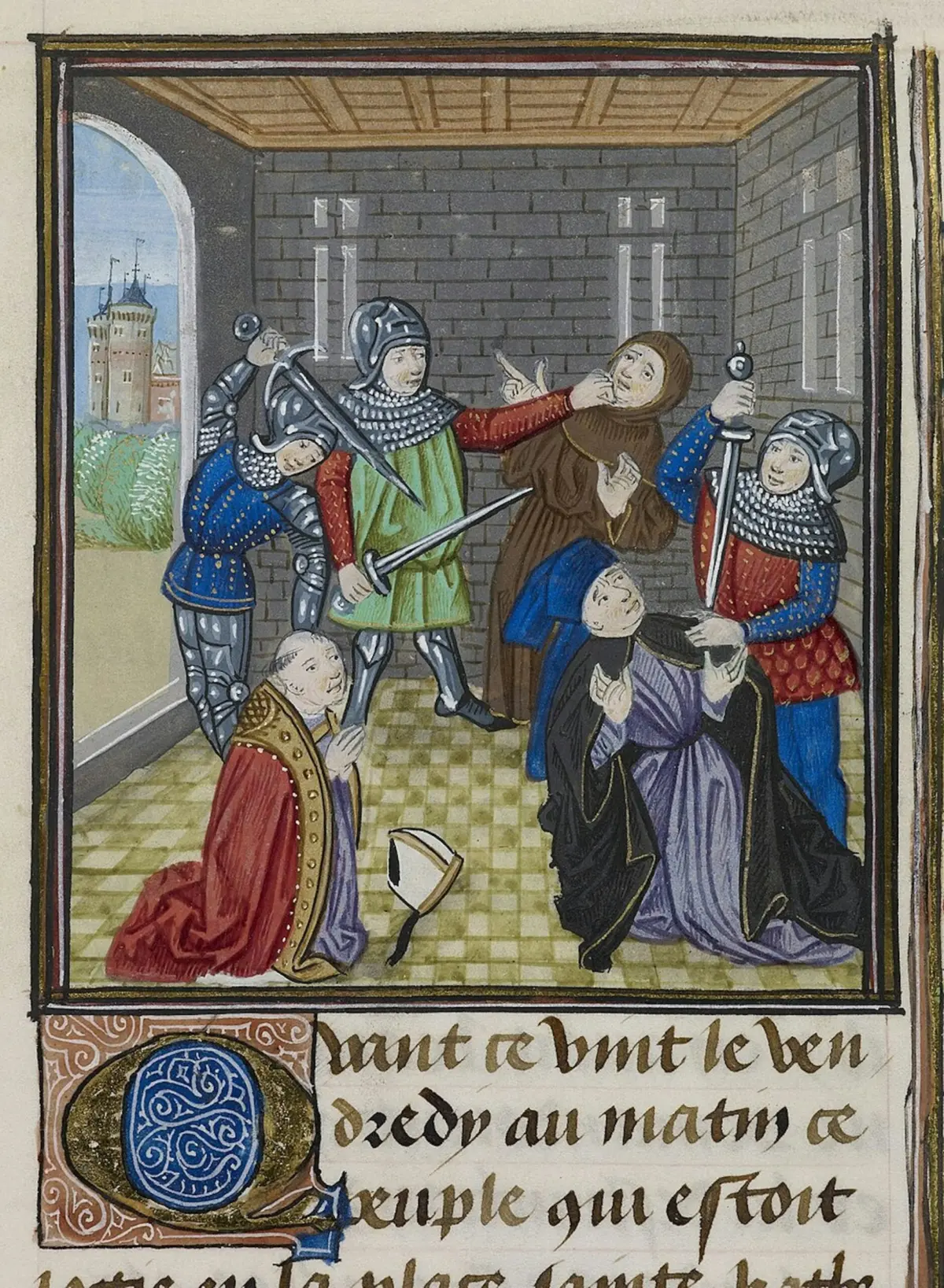
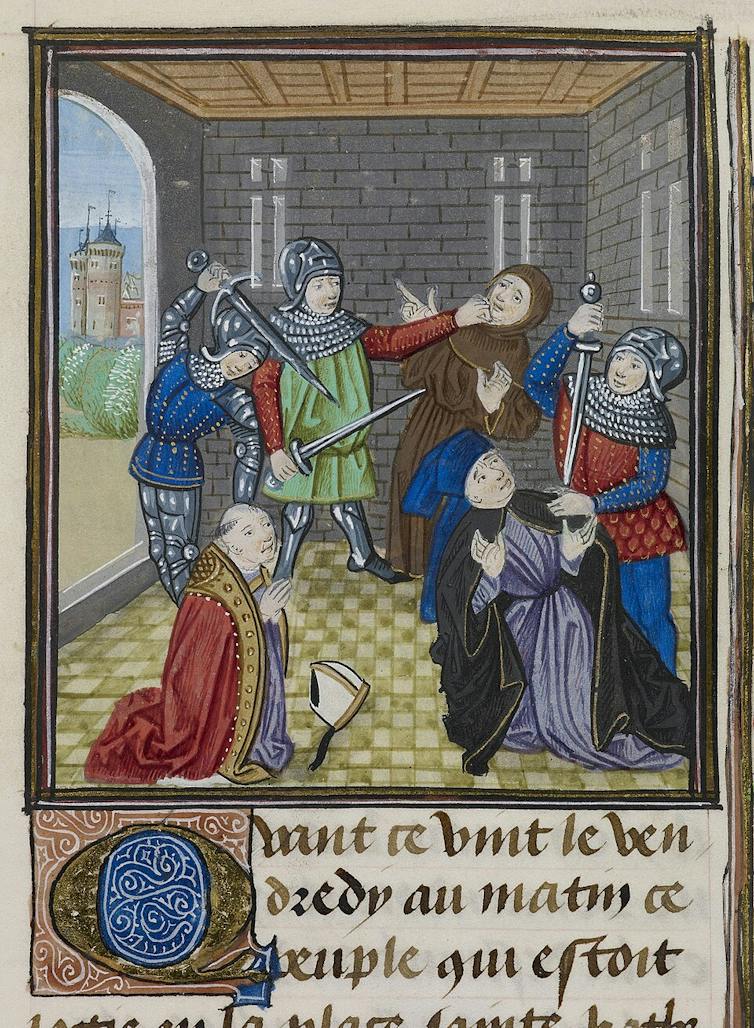
Emboldened by numbers and a sense of divine and royal alignment, the rebels besieged and successfully entered the Tower of London. Inside, they seized two of the crown’s most senior officials whom they held directly responsible for the poll taxes and fiscal ruin: Simon Sudbury, Archbishop of Canterbury and Chancellor of England, and Sir Robert Hales, the Treasurer of England. Both men were dragged out and summarily beheaded.
Thomas Walsingham, a 14th-century monk of St Albans Abbey, expressed utter astonishment and disgust at how the rebels managed this feat, noting that the Tower was garrisoned by 600 men-at-arms and 600 archers. He accused the garrison of shocking cowardice, remarking that they appeared “more like the dead than the living” as they allowed the rebels to seize the high officials.
Following these executions, King Richard II—then just 14 years old—agreed to meet the rebels face-to-face at Mile End. According to the Anonimalle Chronicle, the insurgents knelt before the young king in profound deference, declaring: "Welcome our lord king Richard, if it pleases you, and we will not have any other king but you."
The Charter of Freedom and Brutal Suppression
During the negotiations at Mile End and subsequently at Smithfield, the rebels presented sweeping demands to the king. They asked for the total abolition of serfdom, the eradication of outlawry, the redistribution of church property to local parishes, and the elimination of all intermediaries between the common people and the crown. Furthermore, they systematically attacked legal records, burning register books, chancery rolls at Lambeth Palace, and legal muniments at Temple Bar to erase the documentary evidence of their bondage.
King Richard II acceded to their demands, issuing a royal charter under the Great Seal declaring that “all men in the realm of England should be free.” However, this royal concession was merely a tactical retreat. Once the immediate crisis subsided and the royal military apparatus could be mobilized, the charter was legally quashed, annulled, and declared worthless.
The rebellion was crushed with extreme prejudice. Key leaders, including Wat Tyler—who was killed by William Walworth, the Mayor of London, during negotiations at Smithfield—were hunted down, subjected to show trials, and executed with brutal medieval efficiency.
Supporting Context & Metrics: Decoding the Medieval Mind
To fully understand the paradox of peasants rebelling while swearing absolute allegiance to the king, modern historians rely on a combination of recovered trial records, poll tax returns, and recently digitized databases.
The Socio-Economic Profile of the Rebels
For decades, popular history categorized the participants of the 1381 revolt purely as impoverished, destitute agricultural laborers (serfs). However, recent historical research and database projects tracking late-14th-century demographics reveal a much more stratified movement.
- Diverse Coalition: The revolt was propelled not just by landless peasants, but by prosperous artisans, rural tradesmen, minor local officials, and parish priests (such as the famous radical preacher John Ball).
- The Poll Tax Burden: The 1381 poll tax was structured on a sliding scale intended to make wealthier subjects pay more, but local corruption routinely shifted the heaviest financial burdens downward onto the poorest households, sparking fury across entire village communities.
- Geographic Spread: The uprising affected over 20 counties, demonstrating an impressive level of inter-village communication and coordination weeks before social media or modern postal networks existed.
The Political Theory of the "Good King"
In medieval political philosophy, the concept of divine right coexisted with a reciprocal social contract. The king was viewed as God’s anointed lieutenant on Earth, bound to protect his subjects from injustice. When policies caused widespread suffering—such as predatory taxation or military failure—medieval political culture dictated that the king himself could not be at fault. Instead, political dissidents utilized the trope of the "evil counselor."
By blaming John of Gaunt, Archbishop Sudbury, and Treasurer Hales, the rebels maintained their ideological loyalty to Richard II. They genuinely believed that if they could bypass corrupt ministers and place their grievances directly before the young king, he would rectify the realm. This explains the enthusiastic cry of "Wyth kynge Richarde!" and underscores why Greengrass’s cinematic framing of a direct, anti-royal war for survival, while dramatically compelling, diverges significantly from the psychological reality of the 14th-century commoner.
Official Statements and Industry Perspective
As Focus Features prepares to roll out its marketing campaign for The Uprising, the collision between historical accuracy and Hollywood narrative framing has sparked lively debate among historians and film critics alike.
Studio Vision vs. Historical Fidelity
Focus Features has defended the dramatic framing of The Uprising, emphasizing that cinematic adaptations must distill complex socio-political dynamics into a resonant human story.
"In bringing the Peasants’ Revolt to the modern screen, our goal is to capture the visceral emotional truth of the struggle against institutional power," a spokesperson for the production noted in early promotional materials. "While historical nuances are vital, the timeless resonance of ordinary people risking everything against overwhelming odds remains the heartbeat of this project."
The Academic Response
Historians, conversely, have welcomed the film for bringing mainstream attention to a pivotal yet frequently overlooked chapter of English history, while urging audiences to look beyond the Hollywood lens.
"It is entirely understandable why filmmakers cast Richard II as a tyrannical villain—it fits neatly into modern cinematic tropes of David versus Goliath," noted one medieval historian specializing in the 1381 revolt. "Yet the historical reality is far more fascinating. The rebels didn’t want to overthrow the monarchy; they wanted to purify it. They believed the king was on their side against corrupt elites. Understanding that mindset is crucial to understanding why medieval people acted the way they did."
Future Outlook: The Long Shadow of 1381
Although the Peasants’ Revolt of 1381 was militarily crushed and its leaders executed, its long-term impact on English society was profound and irreversible. The uprising fundamentally altered the trajectory of social structures in late medieval England.
- The Death of Poll Taxes: The crown learned a hard lesson regarding direct taxation. The poll tax format was permanently abandoned, not to be resurrected in British history until the disastrous implementation of the Community Charge (poll tax) under Margaret Thatcher six centuries later in the late 1980s—which similarly sparked massive protests and contributed to her political downfall.
- The Collapse of Serfdom: Although the royal charter of freedom was quickly annulled, the economic realities of post-plague Europe meant that serfdom was already dying. Labor shortages following the Black Death (1347–1351) gave peasants significant economic leverage. The 1381 revolt accelerated the breakdown of traditional manorial controls, as frightened lords became far more hesitant to enforce harsh labor obligations.
- Cultural Legacy: The voice of the common laborer, once invisible in official state records, found permanent expression in the events of 1381. Slogans such as John Ball’s famous egalitarian couplet—"When Adam delved and Eve span, who was then the gentleman?"—cemented themselves in the British radical consciousness.
As The Uprising hits cinemas this autumn, it will undoubtedly re-ignite public curiosity about this violent summer in 1381. Whether viewers tune in for Andrew Garfield’s charismatic lead performance or the high-octane direction of Paul Greengrass, the film offers a golden opportunity to re-examine the true complexities of a medieval world where peasants marched not to destroy their king, but to claim him as their own.