Executive Overview
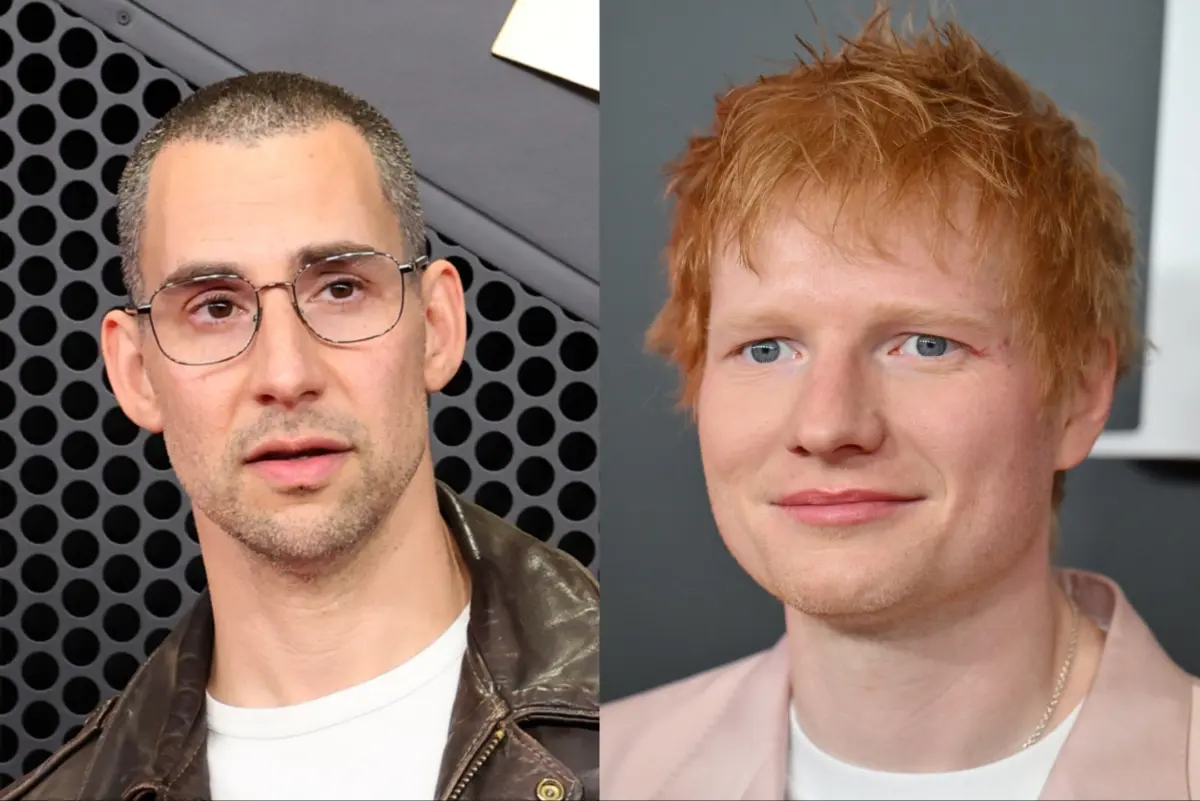
The intersection of modern pop stardom, corporate venue control, and international geopolitics has rarely played out as publicly—or as acrimoniously—as the ongoing fallout from Ed Sheeran’s Loop Tour. Grammy Award-winning producer, songwriter, and Bleachers frontman Jack Antonoff has added his voice to the chorus of industry heavyweights criticizing the British pop superstar. Antonoff’s sharp rebuke, delivered in a wide-ranging interview with The Guardian, targets what he perceives as a profound failure of nerve and moral leadership by Sheeran in the face of corporate censorship.
At the heart of the controversy is the abrupt removal of rapper Macklemore from the Loop Tour lineup following on-stage remarks supporting Palestinian rights amid the ongoing Israel-Hamas conflict. While Sheeran has vehemently maintained that he was “not complicit” in the decision, the fallout has severely impacted his tour, alienated his supporting acts, triggered a mass exodus of social media followers, and drawn the ire of peers who argue that silence and compliance in the shadow of billionaire stadium owners is an abdication of artistic responsibility.
This report provides a comprehensive examination of the controversy, tracing its roots from backstage boardroom politics to the global stage, analyzing the industry-wide shockwaves, and evaluating the broader implications for artists navigating political speech in an increasingly polarized world.
Detailed Chronology: From On-Stage Remarks to Industry-Wide Boycott
The Catalyst: Macklemore’s Pro-Palestine Display
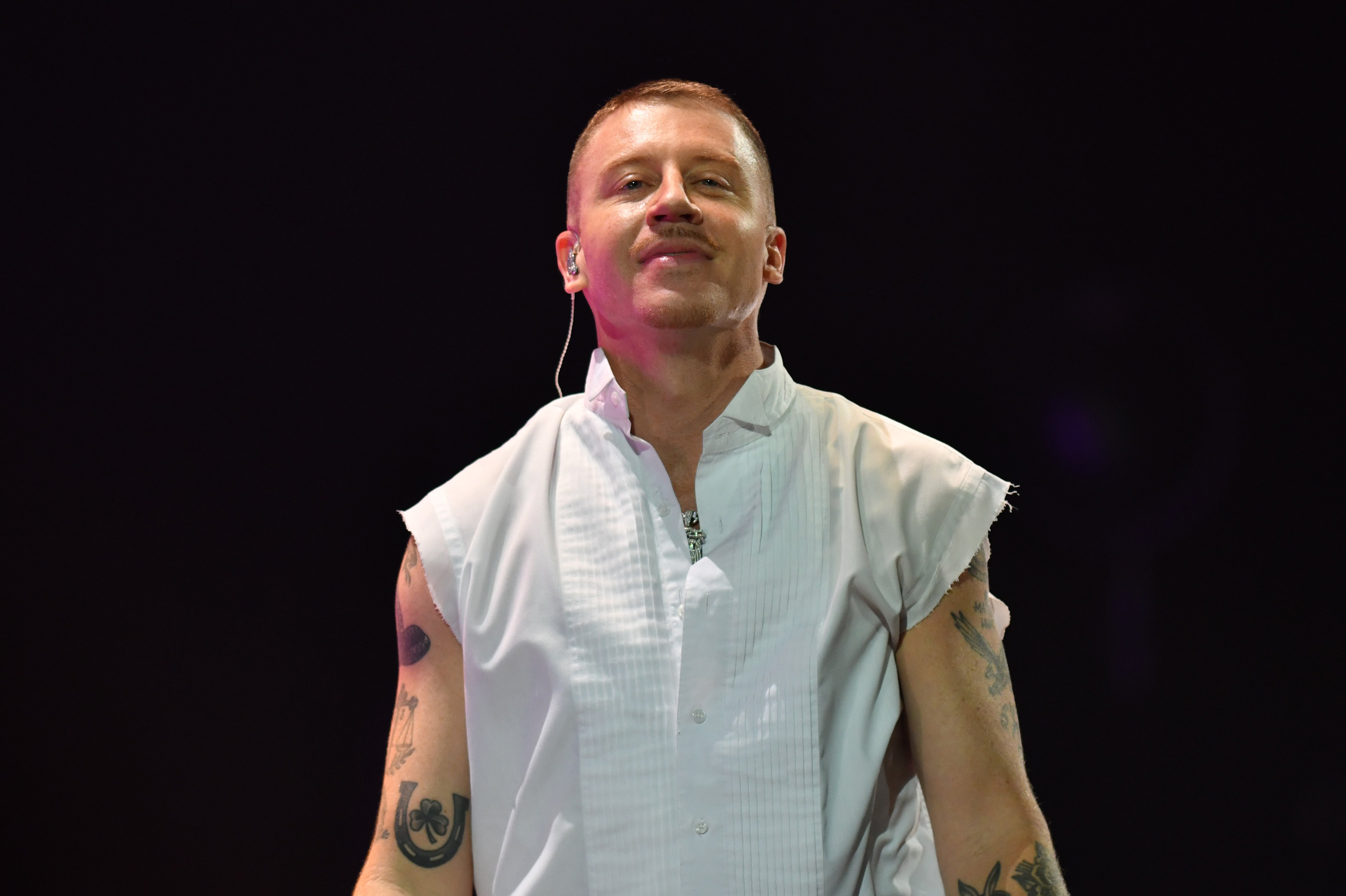
The crisis began when Seattle-born rapper Macklemore—known as much for his outspoken political activism as his chart-topping hits—utilized his platform during a live performance to voice support for Palestine, explicitly echoing the phrase “Free Palestine.” The remarks came against the backdrop of the devastating ongoing conflict in the Middle East, a subject that has sharply divided public opinion, cultural institutions, and the entertainment industry at large.
Corporate Intervention and the Ouster
Macklemore’s on-stage advocacy swiftly triggered a corporate counter-offensive. Billionaire New York Patriots owner and prominent real estate mogul Robert Kraft reportedly coordinated an alliance of major stadium owners and venue operators. Wielding significant economic leverage over tour routing and venue availability, the coalition moved to block Macklemore from performing at their properties.
Faced with the prospect of losing access to critical stadium infrastructure, the tour’s production apparatus removed Macklemore from the bill. The rapper was informed of his dismissal shortly before public announcements were made, setting off a chain reaction of public relations crises for Ed Sheeran.
Immediate Backlash and the Tour Exodus
Macklemore responded swiftly, issuing a statement that pointedly asserted Sheeran’s traditional “apolitical stance” was “being challenged in a way it never had been before.”
The artistic community’s reaction was swift and unforgiving. In an unprecedented display of solidarity, all four of Sheeran’s supporting acts withdrew from the Loop Tour within days of Macklemore’s ouster. Among them was artist Finneas, whose withdrawal underscored the depth of discontent among top-tier performers regarding the suppression of political speech in live entertainment venues.
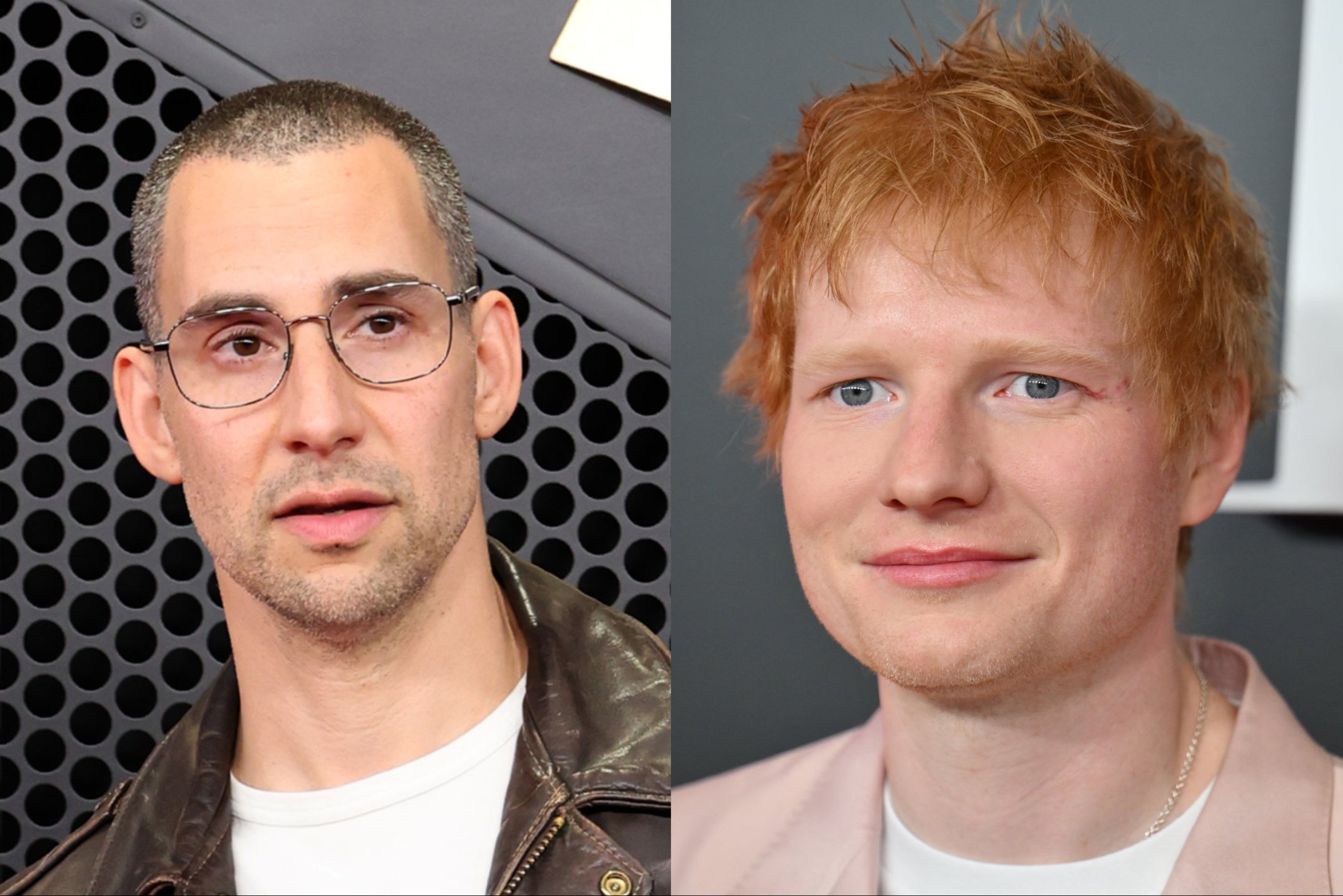
Concurrently, veteran musician Roger Waters and other prominent cultural figures publicly condemned Sheeran for perceived spinelessness and inaction. Social media platforms recorded an immediate backlash, with Sheeran’s follower count plummeting by tens of thousands over a 48-hour period.
The Philadelphia Concert and Tearful Revelations
As the pressure mounted, Sheeran returned to the stage for a highly anticipated concert in Philadelphia. Visibly shaken and fighting back tears, the singer addressed the crowd directly, revealing that the ordeal had left him feeling isolated. He stated that friends and family had “abandoned” him during what he described as “one of the worst weeks of my life.”
Attempting to thread a needle between corporate pressures and personal conviction, Sheeran offered a nuanced, if controversial, statement from the stage:
"What happened in Israel and at the Nova Music Festival on October 7 was horrific and compounded centuries of Jewish pain. What is happening in Gaza is catastrophic and unjustifiable and disproportionate."
Despite these remarks, critics argued that his verbal balancing act fell short of addressing the core issue: his inability—or unwillingness—to protect his supporting acts from corporate blacklisting.
Supporting Context & Metrics: The Anatomy of a PR Disaster
To fully understand the weight of Jack Antonoff’s critique, one must examine the quantifiable fallout and the systemic structures that enabled the controversy.
The Economics of Stadium Tours
Modern stadium tours are complex, high-stakes financial operations. Artists like Ed Sheeran rely on massive venues—often owned or controlled by a small cartel of corporate conglomerates, sports franchises, and billionaire investors like Robert Kraft. When an artist’s supporting act creates friction with venue ownership, the financial risk extends far beyond a single performance; it threatens the viability of entire legs of a global tour through potential lockouts, insurance liabilities, and security disputes.
Quantifying the Backlash
- Social Media Attrition: Sheeran’s verified accounts across Instagram and X (formerly Twitter) hemorrhaged tens of thousands of followers within the first week of Macklemore’s removal.
- Support Act Defection: 100% of the scheduled opening acts for the North American leg of the Loop Tour (all four supporting artists) terminated their contracts in solidarity.
- Media Scrutiny: Over 50 major international music and news publications covered the incident as a watershed moment regarding artistic freedom versus corporate governance in live music.
Antonoff’s Critique: A Blueprint for Resistance
Jack Antonoff, speaking to The Guardian, dissected the power dynamics at play with characteristic bluntness. Long known for his frequent collaborations with Taylor Swift, Lorde, Lana Del Rey, and Kendrick Lamar, Antonoff framed the issue not as a complex geopolitical debate within music, but as a fundamental test of artistic integrity:
"It’s not in any way a strange, uncomfortable or controversial thing to say, it’s a deeply human thing to say," Antonoff told the publication, referencing Macklemore’s advocacy. *"They’re going to let some f**ing promoter tell me what I can say? Don’t book me. I’ll play for free outside."
Antonoff expanded on what he believed Sheeran should have done, outlining a radical alternative to corporate compliance:
*"He missed a massive, beautiful opportunity there: just cancel the whole fing tour, then play for free outside each venue, raise a bunch of money, rather than let a fing billionaire tell you what to do. The reason it’s not an anomaly or niche issue is because we all live in a world where billionaires are constantly telling us what to do. So stand the f** up."
Official Statements and Industry Reactions
The division within the music industry highlights a growing generational and ideological chasm between artists who view commercial success as paramount and those who demand that artistic platforms be used to address humanitarian crises.
| Public Figure / Entity | Stance / Action Taken | Key Quote / Position |
|---|---|---|
| Jack Antonoff | Condemned Sheeran’s compliance; advocated for radical tour cancellation and free outdoor performances. | *"Stand the f up… don’t let a fing billionaire tell you what to do."* |
| Ed Sheeran | Denied complicity; defended his right to an apolitical stance while later acknowledging the tragedy in Gaza and Israel. | "What is happening in Gaza is catastrophic and unjustifiable and disproportionate." |
| Macklemore | Doubled down on political activism; launched an independent "Free Palestine" tour. | Criticized Sheeran’s traditional stance as being challenged in unprecedented ways. |
| Supporting Acts (incl. Finneas) | Boycotted the Loop Tour in total solidarity with Macklemore. | Withdrew services to protest the suppression of political speech on tour. |
| Robert Kraft & Venue Owners | Exercised venue control to block political demonstrations on stadium properties. | Maintained operational boundaries regarding contracted events (implied through actions). |
Macklemore, refusing to be silenced by his removal from the tour, seized the momentum to further his activist agenda. He officially announced a dedicated Free Palestine Tour, scheduled to kick off later this month, ensuring that the dialogue he ignited on Sheeran’s stage will continue in more intimate, independent music spaces.
Future Outlook: The New Frontier of Artist Activism
The Ed Sheeran-Macklemore-Antonoff controversy marks a potential turning point in how live music tours are booked, managed, and politicized. As artists increasingly use their global platforms to comment on international human rights abuses, climate change, and geopolitical conflicts, venue owners and promoters are forced to decide whether stadiums will remain neutral commercial enterprises or ideological battlegrounds.
Key Takeaways for the Industry:
- The Erosion of "Apolitical" Stances: As Antonoff noted, the luxury of remaining neutral in an era of hyper-connected global crises is rapidly evaporating. Fans and peers increasingly expect pop stars to display moral courage, making neutrality look less like diplomacy and more like cowardice.
- The Power of Collective Artist Action: The rapid defection of Sheeran’s support acts proves that artists possess significant horizontal solidarity. When major headliners attempt to sidestep controversy, supporting acts can exert immense pressure by walking away.
- Decentralized Performance Models: Macklemore’s pivot to a dedicated activist tour demonstrates that artists blocked from corporate venues can successfully leverage alternative, independent, and direct-to-consumer performance models to bypass traditional gatekeepers.
Whether Ed Sheeran can rehabilitate his public image and repair relationships within the creative community remains to be seen. However, Jack Antonoff’s blistering critique has ensured that the conversation surrounding corporate censorship, billionaire influence, and artistic accountability will dominate industry boardrooms and fan forums for years to come.