Executive Overview
Comedian Shane Gillis has broken his silence regarding the widespread backlash triggered by his controversial opening monologue on Saturday Night Live (SNL). Appearing on The Joe Rogan Experience more than a month after his October 10 hosting stint, the 38-year-old comic clarified his remarks, asserting that he "doesn’t have a problem" with how women dress at the gym. The quip in question—in which Gillis remarked that he hadn’t been to the gym in a long time and did not know "women just dress like whores now"—drew swift, sharp condemnation from viewers, cultural commentators, and entertainment industry peers alike.
The incident has reignited ongoing debates regarding the boundaries of acceptable discourse in mainstream sketch comedy, the responsibilities of live television platforms, and the cultural climate surrounding the objectification of women. Gillis’s appearance on Rogan’s podcast offered an insider’s perspective on how the monologue made it to air, the lack of pre-broadcast vetting by SNL producers, and the comedian’s belief that external socio-cultural tensions significantly amplified the negative reaction.
This comprehensive report examines the anatomy of the controversy, the cascading reactions from prominent figures such as Dan Levy and Inde Navarrette, the unique mechanics of SNL’s monologue approval process, and Gillis’s turbulent, highly publicized history with NBC’s flagship late-night institution.
Detailed Chronology of the Controversy
The October 10 Monologue
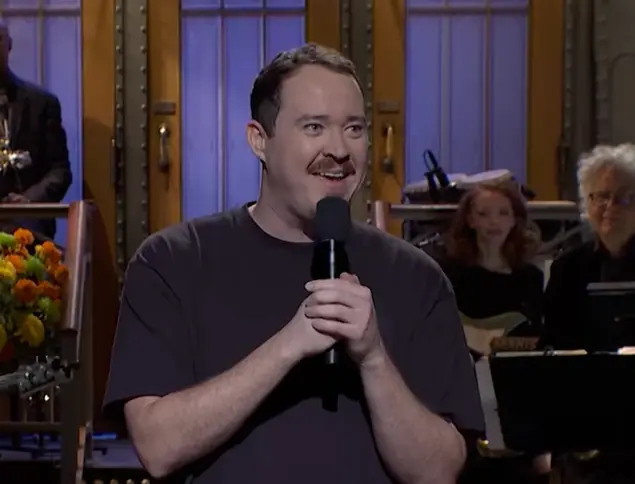
The controversy originated during the cold open and opening monologue of the October 10 episode of Saturday Night Live, hosted by Gillis. Stepping onto the legendary Studio 8H stage for his third time hosting, Gillis launched into a routine centered on his perceived physical shortcomings, aging, and a return to fitness culture.
Midway through the set, Gillis delivered the line:
"I haven’t been to the gym in so long. I didn’t know women just dress like whores now."
The joke focused on modern women’s athletic wear, specifically tight, colorful gym shorts and form-fitting apparel, while joking about the hazards men face if they inadvertently look while women record social media workout videos. While studio audiences offered standard laughs, the live broadcast instantly reverberated across social media platforms, dividing viewers. Supporters viewed the material as quintessential self-deprecating, observation-driven stand-up comedy, whereas detractors immediately labeled the remarks as overtly misogynistic and damaging.
The Immediate Social Media Aftermath
Within hours of the broadcast, digital platforms became a battleground. Clips of the monologue circulated widely on X (formerly Twitter), TikTok, and Instagram, accumulating millions of views and triggering intense debates about contemporary comedy standards. Critics argued that utilizing mainstream network television to mock women’s clothing choices normalizes the policing of female bodies and contributes to a broader culture of disrespect. Conversely, defenders argued that stand-up comedy inherently tests boundaries and that Gillis’s routine was mild compared to the edgier material found in underground comedy clubs.
The Joe Rogan Experience Clarification
Addressing the firestorm on Friday’s episode of The Joe Rogan Experience, Gillis reflected on his mindset prior to taking the stage. He revealed that he had explicitly assured SNL producers that his monologue would not cause major disruptions, even though he privately rated the overall comedic value of his set as a modest "C minus."
"The funniest part was, I was going in—they were like, ‘What’s going on with the monologue?’ And I was like, ‘It’s not great, but I don’t say anything bad,’" Gillis recounted to Rogan.
*"The whole time, I was like, ‘Fellas, I’m giving you a solid C minus of a monologue, but I promise there’s no controversy. I’m calling myself fat for f**ing 10 minutes. That’s it.’"
During the podcast discussion, Joe Rogan weighed in, noting that he perceived contemporary women’s gym attire as "very sexualized." Gillis quickly chimed in to clarify his personal stance:
"For the record, [I] don’t have a problem with it."
Gillis further argued that the intensity of the public backlash "obviously had a lot to do with the climate." A fellow guest on the podcast pointed out that the monologue aired against the backdrop of a volatile news cycle dominated by high-profile legal and social controversies, including the alleged gang-rape case involving a former Cornell University student—events that heightened public sensitivities regarding sexual misconduct and misogyny.
Supporting Context & Metrics
The Mechanics of SNL’s Editorial Process
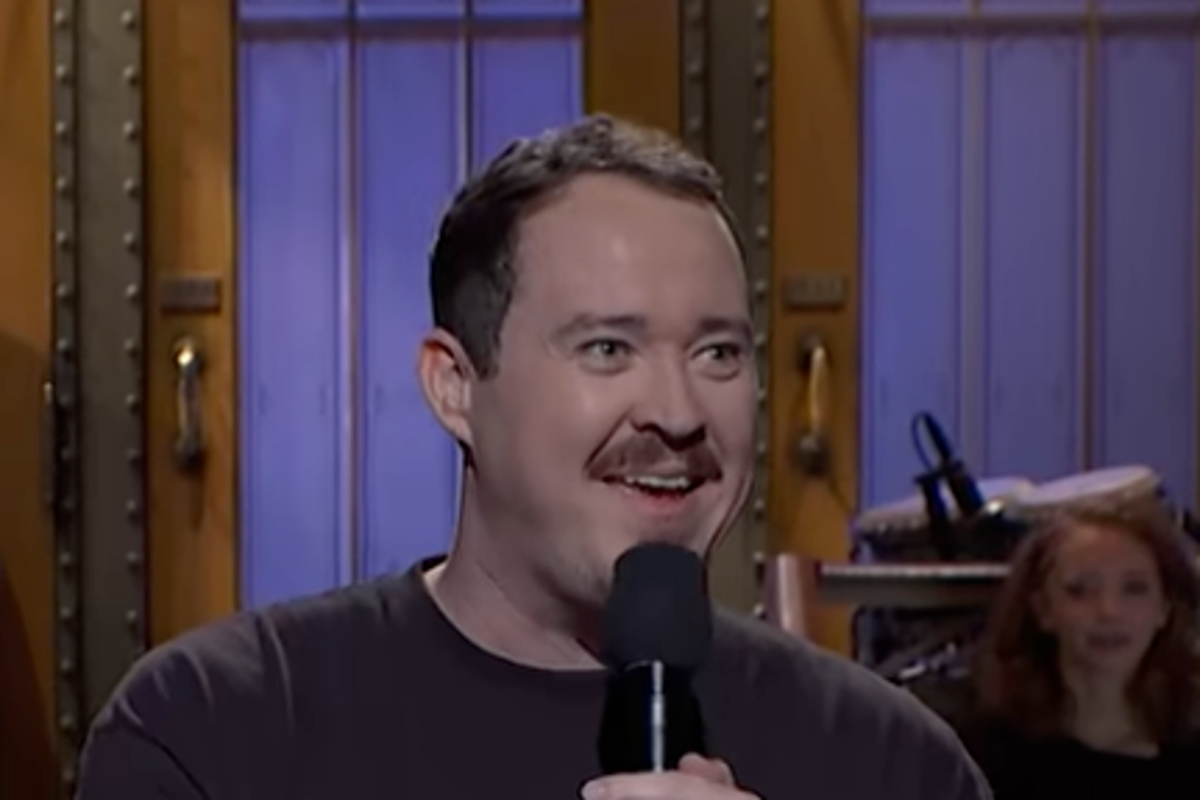
A notable element of Gillis’s defense centered on the operational structure of Saturday Night Live and the autonomy granted to guest hosts. Gillis asserted that SNL producers did not review or censor his monologue prior to the live broadcast, emphasizing that established comedians draft their own material independently.
"Not to defend SNL, they don’t approve it. I mean, they could shut it down," Gillis explained to Rogan. "They could, but you don’t write your set and give it to them. Unless you’re not a comedian. I’m sure non-comics, they write the set for them. They have writers that write the monologue for them."
This revelation highlighted the traditional autonomy afforded to stand-up comics who host the show, contrasting sharply with the tightly scripted and heavily vetted sketches crafted by the show’s internal writing staff. While executive producer Lorne Michaels and senior staff maintain ultimate veto power over all broadcast content, the unvetted nature of opening monologues often places significant trust—and risk—directly in the hands of the guest host.
Cultural Climate and Public Sentiment
The fallout from the monologue underscored a broader cultural divide regarding the permissibility of gender-based humor in the 2020s. Media analysts noted that public tolerance for jokes targeting women’s autonomy, appearance, and public safety has diminished significantly. In an era marked by heightened advocacy for women’s safety in public spaces—such as gyms and fitness centers—comedic routines that frame women’s workout clothing as an invitation for judgment or objectification face immediate and robust pushback.
Official Statements and Industry Reactions
Dan Levy’s Condemnation
The entertainment community did not remain silent. Prominent actor, writer, and former SNL host Dan Levy—co-creator and star of the critically acclaimed series Schitt’s Creek—took to Instagram the day after the episode aired to deliver a passionate denunciation of Gillis’s remarks.
Levy expressed profound disappointment that the joke was permitted to air on live national television, framing the incident not merely as a lapse in comedic judgment, but as a symptom of a dangerous cultural complacency.
"Because it’s complacency that has created the environment in which women are sexually assaulted and it’s a ‘conversation’ as opposed to a crime," Levy stated in his video message.
Levy directly called upon men to take an active role in shifting cultural paradigms surrounding objectification:
"Men need to be defending women more. This is not a women’s issue. This is an everybody issue. Because the more that men objectify women in the media, the more that other men see them as objects and treat them as objects. They are not objects. They are superior human beings to men, OK?"
Inde Navarrette’s On-Air Retaliation
The controversy also found its way back onto the Saturday Night Live stage itself. Weeks after Gillis’s appearance, actress Inde Navarrette—starring in the upcoming Marvel Cinematic Universe film as Rogue in the new X-Men movie—used her own opening monologue during the Halloween episode to take a direct jab at Gillis.
Addressing the audience, Navarrette quipped:
"I can’t believe I’m saying this, but I’m going to be in a Marvel movie. And I know it’s really important for Marvel that you get really fit, so I’ve been working out a lot, so every morning I put on my little whore outfit, and I hit the gym."
The self-referential joke drew enthusiastic applause from the Studio 8H live audience, signaling an internal acknowledgment and satirical rebuke of Gillis’s viral phrasing by a subsequent host.
Future Outlook: Gillis and the SNL Institution
A Complicated History with Studio 8H
Shane Gillis’s relationship with Saturday Night Live remains one of the most tumultuous and unusual in the show’s storied history. In September 2019, NBC announced Gillis as a featured cast member for the show’s 45th season. However, within hours of the announcement, archival podcast recordings surfaced in which Gillis used racial slurs and made derogatory comments about Asian individuals, among other controversial remarks.
Faced with immediate and intense public pressure, NBC took the unprecedented step of firing Gillis before he ever appeared in a single broadcast episode. At the time, the firing was widely interpreted as the definitive end of Gillis’s association with mainstream network television.
Professional Redemption and Ongoing Friction
Despite the dramatic exit, the cultural landscape shifted, and Gillis’s independent stand-up career surged, driven by massive self-released specials, a loyal podcast following, and widespread digital popularity. In a surprising reversal, Lorne Michaels and NBC invited Gillis back to Studio 8H not as a cast member, but as a first-time host in February 2024. The appearance was praised by his fanbase as a triumphant return and an acknowledgment of his rehabilitation within the industry. He hosted the show a second time in March 2025, cementing an uneasy yet lucrative truce between the comic and the network.
His October 2025 hosting stint—and the subsequent gym attire controversy—demonstrates that Gillis’s provocative comedic persona continues to walk a razor-thin line between mainstream network acceptability and anti-establishment edge.
What Lies Ahead
As the dust settles on the gym monologue controversy, industry observers suggest that the incident is unlikely to permanently derail Gillis’s career, given his insulated and fiercely loyal independent fan base. However, it serves as a stark reminder of the persistent friction between traditional broadcast television standards and the unfiltered, provocative style of contemporary stand-up comedy. Whether Saturday Night Live will exercise stricter editorial oversight over guest host monologues in future seasons remains to be seen, but the episode has firmly cemented itself as a defining chapter in the ongoing negotiation of speech, censorship, and accountability in modern media.