In the landscape of contemporary European literature, certain works transcend their regional origins to offer a searing meditation on the universal human condition. Gjak: Tales of Blood, authored by Greek writer Dimosthenis Papamarkos upon its initial publication in 2014, is precisely such a work. Winner of the prestigious Academy of Athens award, this collection of interconnected short stories immediately established itself as a landmark of 21st-century Greek fiction. Now, a decade later, the text has found a definitive English-language voice in the 2026 translation by British-Greek literary scholar and translator Siân Valvis.
Published by Peirene, Valvis’s translation—which earned the Elizabeth Constantinides Translation Prize from the Modern Greek Studies Association of North America—navigates the intricate linguistic topography of the Arvanite villages, capturing a world where cultural memory, historical trauma, and violence intersect. Spanning roughly 140 pages, the book is the culmination of a rigorous, five-year translational endeavor. It forces readers to confront the lingering ghosts of the Greco-Turkish War of 1919–1922, the psychological scars of post-traumatic stress disorder (PTSD), and the unsettling complicity of modern civilization in cycles of bloodshed.
This comprehensive report examines the literary significance of Gjak, the linguistic and cultural triumphs of Valvis’s English edition, the historical realities of the Arvanite communities, and the broader implications of a text that challenges the boundaries of history, trauma, and nationalism.
Detailed Chronology
To fully understand the cultural weight of Gjak, it is essential to trace the historical and publishing timeline that brought the work from the battlefields of early 20th-century Anatolia to the contemporary English-speaking literary market.
1919–1922: The Greco-Turkish War and Its Aftermath
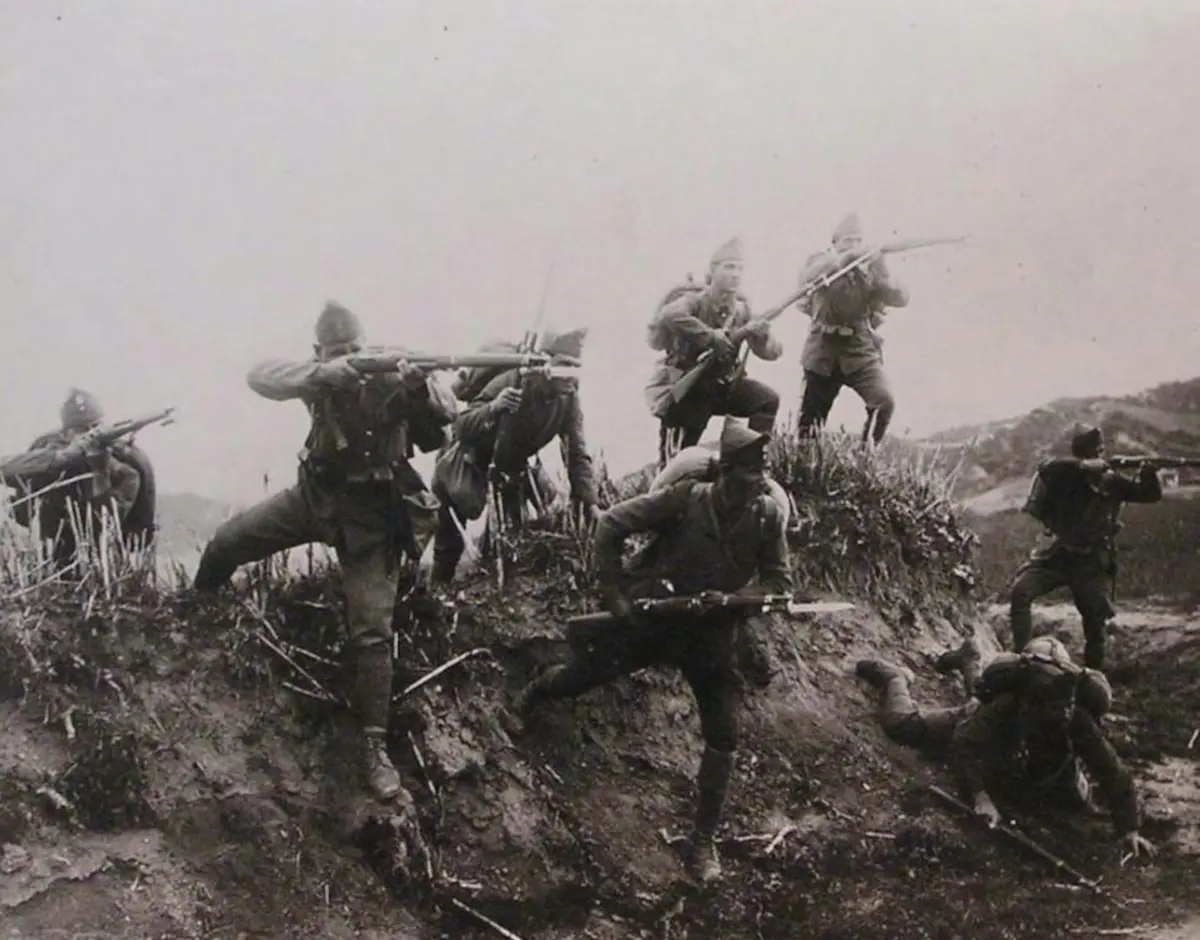
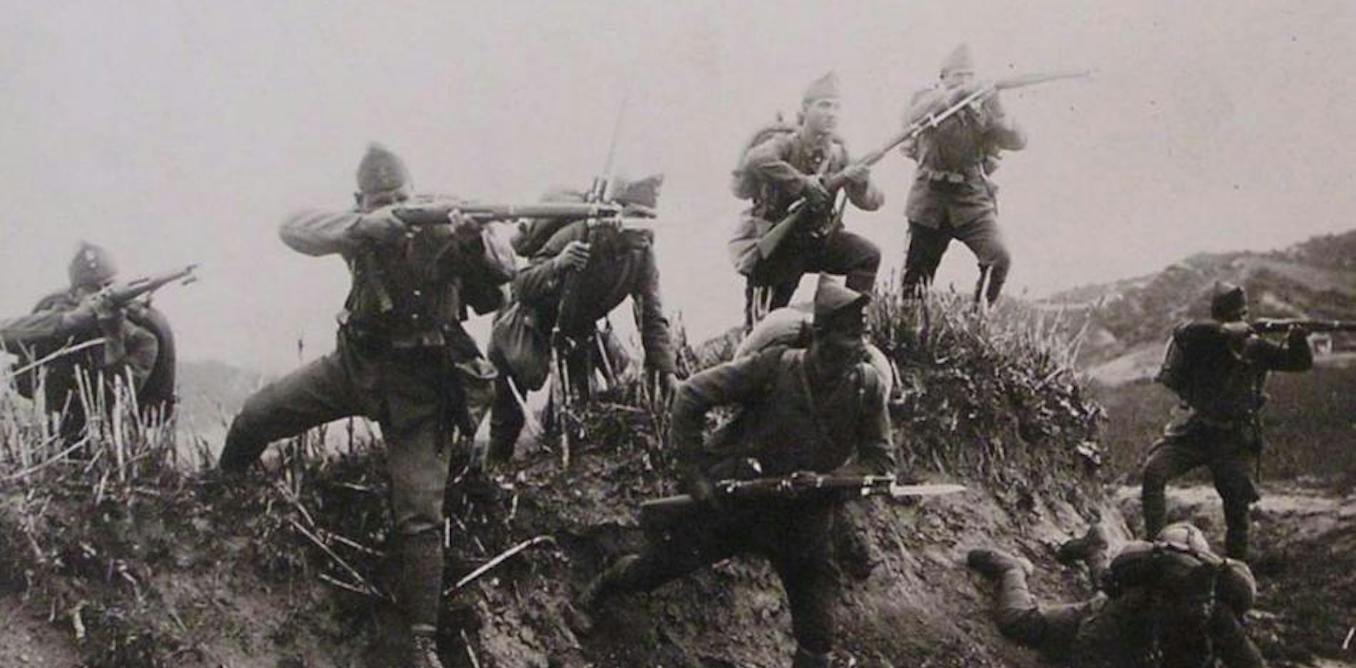
The historical bedrock of Papamarkos’s narratives lies in the catastrophic Greco-Turkish War, a conflict that culminated in the destruction of Smyrna and the forced population exchanges between Greece and Turkey. Soldiers from mainland Greece, alongside bilingual Arvanite fighters, returned from the front lines to remote villages in central and southern Greece. Rather than finding peace, these veterans brought home the visceral realities of war—guilt, psychological trauma, and deep-seated violence that gradually infiltrated family lineages, fraternal bonds, and community structures.
2014: The Greek Publication and Critical Acclaim
Dimosthenis Papamarkos published Gjak in Greece to immediate critical and commercial acclaim. Written in a daring, hybrid dialect that blended elements of the Arvanitic language—an Albanian dialect historically spoken by descendants of 13th- to 16th-century migrants to Greece—with modern Greek, the book captured the national imagination. Its unflinching portrayal of rural life in the shadow of war resonated deeply with literary critics, culminating in the awarding of the prestigious Academy of Athens prize. Over the ensuing decade, the book inspired multiple theatrical adaptations across Greece.
2021–2026: The Five-Year Translation Journey
Recognizing the immense challenge of rendering a text rich in regional dialect, cultural nuance, and historical trauma into English, literary translator Siân Valvis embarked on a painstaking five-year project. Working across her expertise in Greek, Russian, French, and Portuguese, Valvis navigated the complex linguistic ethos of the Arvanite communities. Her meticulous approach included crafting extensive translator’s notes detailing her methodological choices, lexical preservation, and the structural trajectory of the English edition.
2026: The English Release and International Recognition
Published by Peirene in 2026, the English edition of Gjak made an immediate impact on the international literary scene. Shortly after its release, the translation was awarded the Elizabeth Constantinides Translation Prize by the Modern Greek Studies Association of North America, validating Valvis’s ability to transpose a deeply localized Greek-Arvanite text into a startling, raw, and lyrical English register. The book’s arrival signaled a new milestone in cross-cultural literary exchange, opening doors for prospective English-language stage adaptations.
Supporting Context & Metrics
The cultural resonance of Gjak cannot be separated from the unique linguistic and historical minority it portrays, nor from the literary metrics that define its construction.
The Arvanites: History, Language, and Identity
The Arvanites are a bilingual population group residing primarily in central and southern Greece, tracing their ancestry to medieval migrants from Albania who settled in the region between the 13th and 16th centuries. Over centuries of integration into the Greek nation-state, their language—Arvanitic—persisted as a distinct dialect, heavily seasoned with lexical loans from Greek and other regional tongues.
In Gjak, Papamarkos leverages this linguistic heritage not merely as local color, but as a primary structural device. The stories reflect the friction between traditional Arvanite community values and the formalizing pressures of the modern Greek nation-state. This cultural ruggedness is mirrored in the prose, which moves fluidly between the rustic and the poetic.
Structural Metrics and Thematic Threads
- Length: Approximately 140 pages of dense, interconnected narrative vignettes.
- Translation Duration: Five years of intensive lexical and cultural research by Siân Valvis.
- Central Motif: Blood (gjak in Arvanitic/Albanian) functions as both a physical reality and a metaphorical red thread. It links veterans, families, diaspora communities across the Atlantic, and generations marked by guilt.
- The Intermezzo: Positioned at the exact midpoint of the book is a ballad-style poem. Unlike a conventional stylistic breather, this piece recounts a courageous woman’s harrowing encounter with Death personified, elevating the female voice within a traditionally patriarchal landscape of wartime violence.
Quantitative Overview of Gjak‘s Literary Trajectory
| Milestone / Metric | Detail | Significance |
|---|---|---|
| Original Publication Year | 2014 | Established Papamarkos as a leading voice in 21st-century Greek letters. |
| Initial Accolade | Academy of Athens Award | Validated the book’s high literary and cultural merit within Greece. |
| Translation Timeline | 2021–2026 (5 Years) | Reflects the extreme care required to decode the Arvanite-Greek hybrid dialect. |
| English Publisher | Peirene (2026) | Brought the work to an international readership in a polished, lyrical edition. |
| North American Honor | Elizabeth Constantinides Translation Prize | Certified the English text’s scholarly and artistic excellence. |
Official Statements & Expert Analysis
Literary scholars and critics specializing in 20th-century Greek history and trauma studies have lauded the publication of Gjak in English, emphasizing its profound psychological depth and translational triumph.
Experts examining the work note that Gjak serves as an uncompromising masterclass in depicting the psychological mechanics of post-traumatic stress disorder (PTSD). Long before clinical PTSD terminology was integrated into rural vernaculars, the veterans returning from Anatolia exhibited behaviors marked by visceral, cyclical violence. Papamarkos refuses to sanitize these reactions, and Valvis matches this courage in her English rendering.
In her notes accompanying the translation, Valvis addresses the ethical responsibilities of the translator, detailing the delicate balance required to maintain the stylistic integrity of a text that pushes against the tidy boundaries of nationalism and linguistics.
The psychological tension of the work is perhaps best encapsulated in the chilling reflections of the story’s recurring figure known as the "knocker." In a passage translated with deliberate, ironic vernacular roughness, the character exposes the hypocrisy of urban, "civilized" society:
"Folk don’t mind foulness so long as it stays out of sight and it’s not their hands getting dirty. So long as they can go out, dressed up, arm in arm wi their lady friends, free of stink, and pick up cutlery with hands that aren’t swollen with blood and tuck into their steak without getting dirty. That’s what it means to be sivilized. Stepping on shit in high heels. It’s hidden, the work I do at Union, just like what I did in the war was hidden."
This commentary cuts to the core of the collection: the uncomfortable truth that modern civilization relies on the concealment of systemic violence, leaving ordinary citizens complicit in the bloodshed they claim to abhor.
Future Outlook
As Gjak establishes its permanent place in the canon of translated world literature, several future developments are anticipated within literary, academic, and theatrical circles.
1. Expansion of Translation Studies Curricula
Given Siân Valvis’s rigorous methodological approach—particularly her extensive notes on translating hybrid dialects, minority languages, and historical trauma—Gjak is expected to become a staple text in advanced translation studies programs. It offers educators a concrete case study in how to transpose cultural ethos without erasing linguistic friction.
2. International Theatrical Adaptations
Papamarkos’s stories have a proven history of successful theatrical translation on the Greek stage. With the publication of the English edition, international directors and theater companies are actively exploring stage adaptations. The raw, dramatic monologues and ballad-like structures inherent in Gjak lend themselves naturally to minimalist, powerful theatrical performances across European and North American venues.
3. Deeper Academic Engagement with Arvanite Literature
The success of the English translation paves the way for broader academic interest in Arvanite history and literature. As scholars of modern Greece, the Balkans, and diaspora studies examine the multifaceted identities forged in the wake of the 1922 catastrophe, Gjak will undoubtedly serve as a vital primary text for exploring how linguistic minorities navigate nationalism, memory, and inherited guilt.
Ultimately, Gjak: Tales of Blood in English is more than a successful translation; it is a cultural mirror. By forcing readers to look directly at the bloodlines that bind humanity across borders, history, and language, Papamarkos and Valvis deliver a timeless warning: there is no place to hide from the past, and true civilization requires reckoning with the dirt on our hands.