Executive Overview
With the announcement of the 2026 Booker Prize winner looming on 9 November, the inner machinery of the world’s most coveted literary award is finally being laid bare. For most readers, the Booker Prize is a pristine artifact—a glittering seal of approval stamped onto a beautifully bound novel, accompanied by red-carpet glamour and a hefty financial windfall for the victor. However, behind this polished façade lies an invisible landscape of literary endurance: a grueling, seven-month marathon of reading that pushes even the most seasoned authors and critics to their psychological and physical limits.
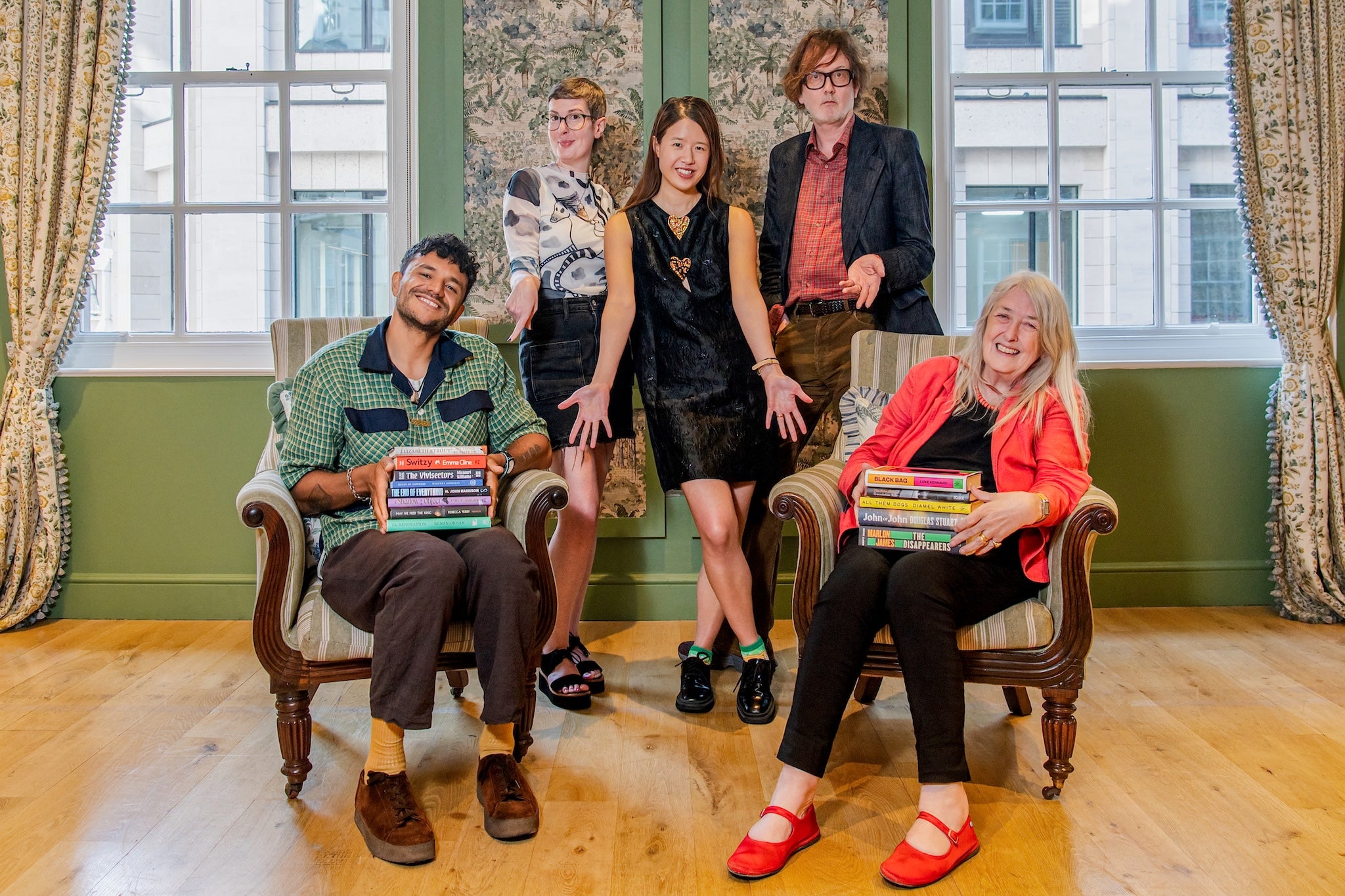
For the 2026 judging panel—comprising poet Raymond Antrobus, author Patricia Lockwood, Pulp frontman Jarvis Cocker, literary critic Rebecca Liu, and classicist Mary Beard—the journey began with an almost unimaginable mountain of text. Together, the five judges were tasked with digesting 163 books in just over 200 days. That shakes out to an unrelenting pace of roughly 23 books a month, or nearly three-quarters of a book every single day.
In an era characterized by plummeting reading rates, shrinking attention spans, and the omnipresent digital distraction of the modern smartphone, reading a single book per month is often championed as an admirable feat. Reading twenty-three? It borders on the realm of clinical insanity.
Yet, this is the price of admission for shaping literary history. To sit on the Booker panel is to enter a legacy populated by giants like Iris Murdoch and Salman Rushdie. But as the judges reveal, the path from 163 hopefuls down to a longlist of 13, and finally to a fiercely contested shortlist of six, required military-style discipline, liquid diets, intense domestic compromises, and more than a few theatrical courtroom-style standoffs. This is the story of how five distinct minds survived the 2026 Booker Prize.
Detailed Chronology: From the Mountain of 163 to the Final Six
Phase One: The Initial Deluge
The process began long before the public caught wind of the longlist. When the books arrived at the judges’ doorsteps, the sheer volume was enough to inspire existential dread. The panel members—hailing from diverse corners of the arts and academia—quickly realized that standard reading habits would not suffice.
Raymond Antrobus initially attempted to tackle the first batch of 40 novels front-to-back without skipping a beat, a strategy he describes as the exact moment he “lost his mind.” The sheer weight of the narrative output meant that traditional, leisurely reading was dead.
As the months rolled on, the emotional toll of the material began to mount. Patricia Lockwood notes that the reading pile was heavily saturated with dark, taxing themes. "You know, there was a lot of dementia, a lot of drowning," she recalls, explaining the psychological exhaustion of navigating one heavy manuscript after another. Selecting a lighter book that could be devoured in a single sitting became an act of profound self-care for the panel.
Phase Two: Whittling Down to the Longlist
Through systematic triage, strategic skimming, and the difficult realization that not every book could—or should—be read to its final page, the judges managed to narrow the field of 163 down to a robust longlist of 13 titles. This stage required rigorous debate, as books championed by one judge faced skeptical scrutiny from others.
Mary Beard, serving as the chair of the panel, approached her reading list with classicist precision, working her way systematically through the titles in alphabetical order. Others, like Lockwood, relied on a more instinctual method, drawing titles from the pile like lottery tickets and hoping for a reprieve from the gloom.

Phase Three: The Shortlist Showdown
From the longlist of 13, the panel faced the ultimate heartbreak: cutting down to a final shortlist of six titles. The stakes were at their highest, and the nine deliberation sessions—split between virtual hookups and intense in-person meetings—grew fiercely competitive.
Philip Larkin, a Booker judge back in 1977, famously remarked that the experience made him want to throw himself out of a window. While no modern judges resorted to defenestration, the atmosphere was thick with tension. Antrobus describes the sessions as proper "tussles," while Lockwood compares herself to the stubborn juror in the classic 1957 legal drama 12 Angry Men.
"I was literally like the guy in that," Lockwood laughs. "I was using a lot of gestures, I was leaping up. I was doing a lot of physical persuasion. And that part was really fun because it’s not something I’ll do for my own work."
Despite the passionate theatrics, raw volume did not always win the day. Antrobus notes that not every rousing, emotional speech managed to salvage a book’s spot on the list. Compromise was the ultimate currency, ensuring that the final six books represented a consensus that every judge could proudly stand behind.
Supporting Context & Metrics: The Anatomy of a Literary Marathon
To truly understand the magnitude of the 2026 Booker Prize, one must look at the numbers and the structural lifestyle adjustments required to cross the finish line.
The Numbers Game
- Total Submissions: 163 novels published in the UK and Ireland.
- Duration: 7 months (roughly 210 days).
- Reading Velocity: ~23 books per month, or approximately 0.75 books per day.
- The Longlist: 13 titles.
- The Shortlist: 6 titles.
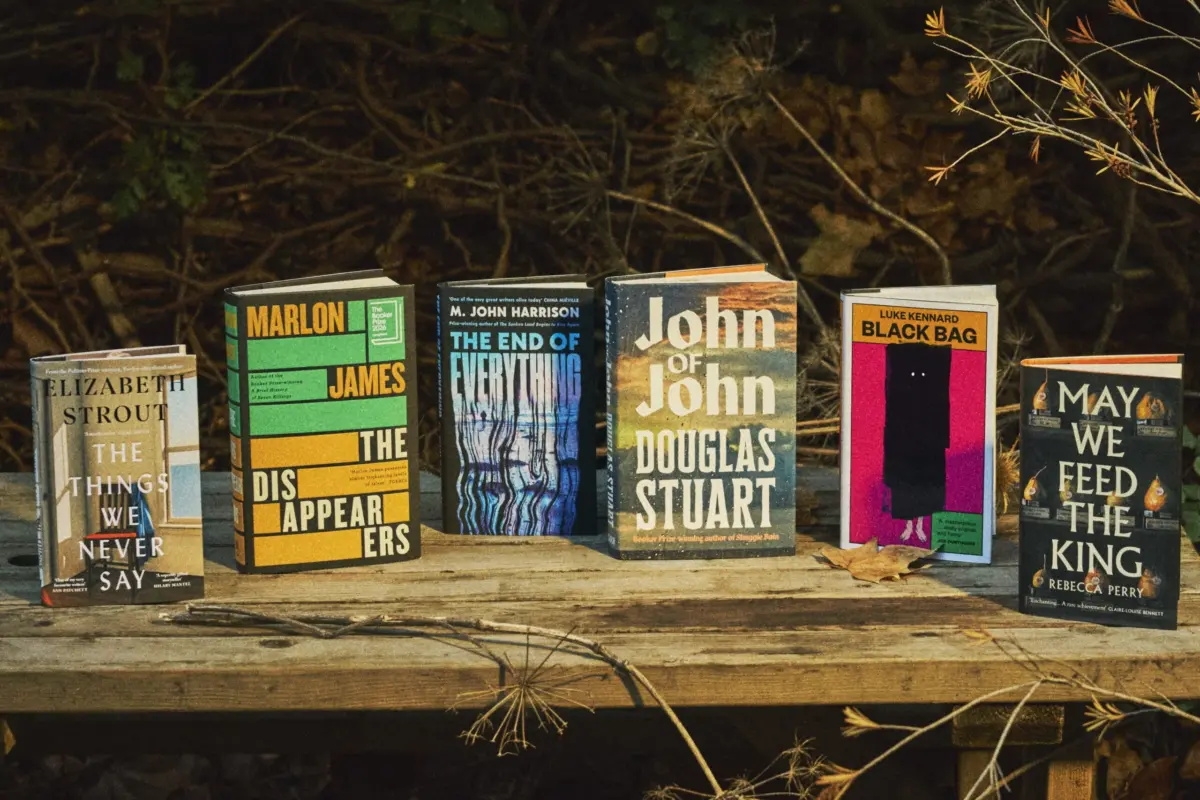
The Final Shortlist
The survivors of this intellectual gauntlet comprise a wildly diverse and daring cross-section of contemporary fiction:
- The End of Everything by M John Harrison – An unsettling, visionary sci-fi novel that stretches the boundaries of reality.
- The Disappearers by Marlon James – A sprawling, atmospheric narrative rooted deep in the cultural fabric of Jamaica.
- Black Bag by Luke Kennard – A sharp, satirical campus comedy packed with modern anxieties.
- May We Feed The King by Rebecca Perry – A timeline-shuttling, formally ambitious debut novel.
- The Things We Never Say by Elizabeth Strout – The master chronicler’s 11th novel, exploring the quiet ruptures of human relationships.
- John of John by Douglas Stuart – A sweeping, multigenerational epic from the Booker-winning author.
Domestic and Professional Collateral Damage
Surviving the Booker requires dismantling one’s normal daily routine. For Raymond Antrobus, who has a young toddler, the workload pushed him to the brink of burnout. When his son fell ill and stayed home from school, the pressure peaked. Reaching out to the Booker directors for guidance proved vital; they reassured him that his feelings of exhaustion were entirely normal and shared by past parent-judges.
Professionally and creatively, life ground to a halt. Antrobus had to temporarily pause his teaching commitments. Lockwood found her hobbies completely hijacked by the reading load. A practitioner of metalsmithing, she discovered that her brain was so thoroughly saturated by literature that she could no longer conceptualize physical jewelry designs. "I would try to make a ring and it would turn out as a book!" she jokes.
However, she did manage to maintain her own critical writing, penning a piece for the London Review of Books on Willa Cather. This served as an unexpected literary litmus test: reading a certified dead legend while swimming in a sea of contemporary fiction provided a sharp contrast, highlighting the stark disparities between masterclass craftsmanship and unpolished midlist toiling.
Official Statements: Strategies for Survival
How do you consume a book a day without losing your sanity? The 2026 judges developed hyper-specific, almost athletic regimens to conquer the workload.
Patricia Lockwood: The Husband Clause and Afternoon Focus
Patricia Lockwood was initially hesitant to accept the invitation to judge. She only agreed after securing a crucial domestic pact: "It wasn’t until my husband said he would read all the books along with me that I was for sure a yes—I thought what a wonderful way to ruin his life for a year!" Beyond the humor, Lockwood noted the partnership mitigated the profound isolation inherent in heavy-duty literary criticism.
Tactically, Lockwood learned to schedule her reading carefully. Trying to read first thing in the morning created a false sense of security, whereas shifting the marathon block to the afternoon prevented the task from entirely swallowing her working day. She also internalized a piece of advice passed down from previous judges: "This is a treasure hunt. It’s not a punishment in hell."
Raymond Antrobus: The Competitive Swimmer’s Regimen
Antrobus channeled his past life as a competitive swimmer to structure his reading habits with clinical precision.
"When you’re training for time trials, it’s very regimented: you know what your best time is and what your best stroke is, but you’re still trying to beat yourself," he explains. "So it got to a point where I knew what my reading time was and I knew what conditions I needed to improve my reading… I knew that if I had done 50 pages before nine o’clock then I was in a good spot, and if not, it was go, go, go!"
His dietary discipline was equally stringent. To keep his cognitive faculties sharp, Antrobus adopted a liquid-heavy diet during the early hours of the day: "I didn’t eat for the first seven hours of the day, nothing that will suck the blood out of my brain… I ate a lot of soup."
Future Outlook: Reclaiming the Modern Attention Span
As the dust settles on the months of reading, debating, and compromising, both Lockwood and Antrobus emerge from the trial not with a weariness of books, but with a renewed evangelical zeal for deep reading. In an age dominated by short-form video algorithms and relentless social media notifications, the Booker judges have unique insight into the state of the human attention span.
"There is so much chatter about how it’s so difficult and how our attention spans have shortened, but it’s something that comes back within a week or two if you’re really diligent about it," Lockwood insists. Her prescription is simple yet radical: banish the smartphone to another room, pick up a physical book, keep a notebook handy, and embrace the analog lifestyle.
Antrobus echoes this sentiment, emphasizing the physiological reward of sustained concentration. "I could actually feel the tingle of my brain turning on… the neurons shifting away from that mindset of checking Instagram all the time," he reflects. "And it was so rewarding. If you can really sit with this story and the language and atmosphere and feeling, you come out and you think, ‘Wow, that was so nourishing.’"
That sense of nourishment is precisely what the judges hope the public will experience when they crack open the winner of the 2026 Booker Prize. With the announcement ceremony arriving on Monday, 9 November, the exhausted panel can finally rest—leaving the rest of us to dive headfirst into the extraordinary literary world they fought so hard to curate.