Executive Overview
The contemporary music industry exists in a state of hyper-acceleration, caught in a relentless cycle where digital algorithms dictate discovery, short-form video dominates audience attention, and traditional gatekeepers fight to retain relevance. For those looking to break into this high-stakes ecosystem, the pathway forward can feel remarkably opaque.
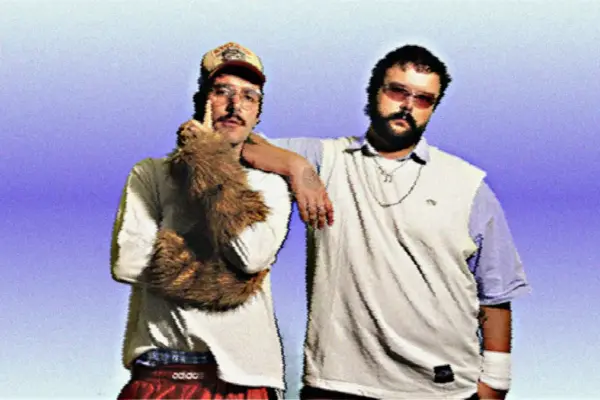
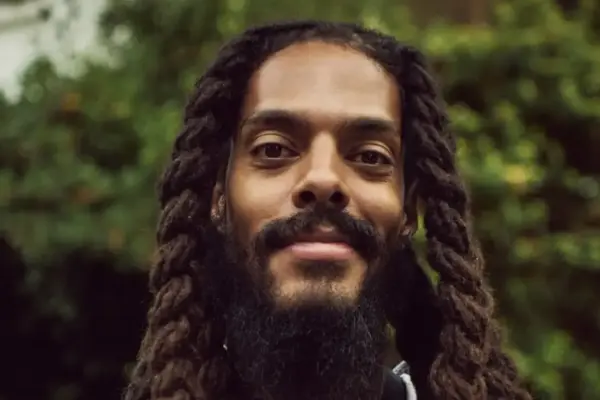
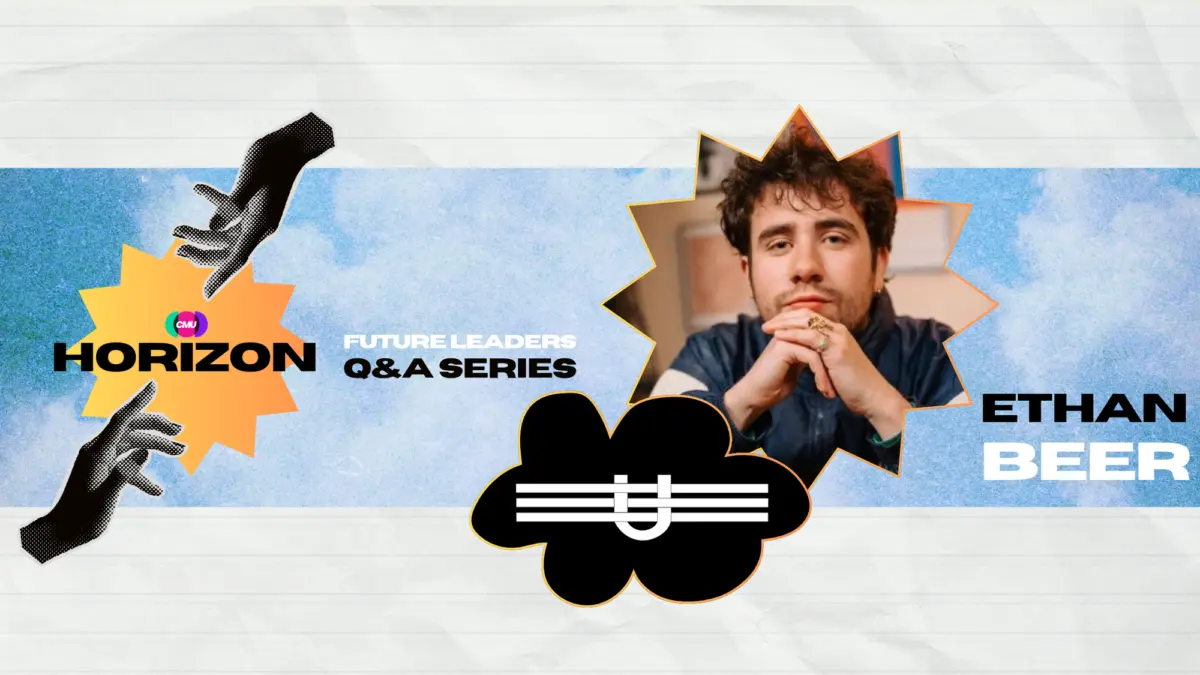
To demystify these mechanics, the Horizon series continues its deep dive into the industry’s current and next generation of leaders. In this installment, we catch up with Ethan Beer, Head of Press at Underplay. Operating at the intersection of music public relations and artist management, Beer oversees a dynamic roster that includes Bathing Suits, Jessica Winter, Kamran Khan, pencil, and Melin Melyn.
His journey offers a masterclass in modern music business survival. From cutting his teeth on a hands-on apprenticeship scheme to navigating the turbulent waters of TikTok tastemakers, digital advertising, and the looming shadow of artificial intelligence, Beer’s trajectory underscores a vital truth: success in the music business requires a blend of old-school grit, digital agility, and an unwavering commitment to authentic human connection.
This article explores Beer’s career evolution, his candid critique of the industry’s accessibility barriers, his insights into the shifting landscape of music journalism and digital marketing, and his pragmatic blueprint for the next generation of creative professionals.
Detailed Chronology: From Apprenticeships to Industry Leadership
Every successful career in the arts has a foundational origin story, and Ethan Beer is remarkably upfront about the privilege and logistics that enabled his own entry into the business.
Growing up just outside London—proudly shouting out Hayes and Slough—Beer was uniquely positioned geographically to take advantage of opportunities concentrated within the capital. This proximity allowed him to live at home with his parents while he enrolled in Big Creative Education’s (BCE) music business apprenticeship.
The Apprenticeship Model: Hands-On and Grounded
The BCE apprenticeship program served as Beer’s launchpad. The structure of the initiative was pivotal: one day a week dedicated to learning the theoretical framework of the music industry in a classroom setting, paired with hands-on, practical experience secured at a company called Republic Media.
"I’m incredibly lucky I grew up just outside London… and could live at my parents’ house whilst I enrolled in Big Creative Education’s music business apprenticeship," Beer reflects.
This dual-track approach allowed him to absorb the realities of media relations and campaign execution in real-time. According to Beer, the only true way to understand the complex mechanics of the music industry is to actively do things. He advocates for a philosophy of relentless participation: trying everything, saying "yes" to as many opportunities as possible, and maintaining the confidence to make—and learn from—early mistakes.
Building a Roster and Dual-Wielding Roles
Today, Beer’s professional life is a high-wire balancing act. As Head of Press at Underplay, he spends his days spearheading PR campaigns, coordinating with journalists, and securing feature pieces and album reviews. Simultaneously, his role as an artist manager demands a wildly different skill set.
A typical day for Beer is rarely routine. It might involve diving into creative direction, handling exhaustive administrative tasks, building comprehensive release campaigns, acting as an informal therapist for artists navigating the psychological pressures of the industry, or simply listening to a flood of new demos. By his own account, most days seamlessly culminate where they began: at a live gig in the evening.
This hands-on dedication paid spectacular dividends in 2025, when Beer experienced a career milestone: attending Glastonbury for the very first time in his professional capacity, standing side-stage with a band he proudly manages.
Supporting Context & Metrics: Accessibility, Class, and the Digital Shift
While Beer’s entry point through the BCE apprenticeship was transformative, he is quick to address the systemic inequalities that continue to plague the modern creative sector.
The Accessibility Crisis Outside the M25
The contemporary music landscape faces a severe socioeconomic bottleneck. Rising living costs and stagnant entry-level wages have made it increasingly difficult for working-class youth—particularly those situated outside major cultural hubs like London—to take on low-paid or unpaid internships.
"People just have less money and things cost more, so taking a low-paid, entry-level job in music has become much harder for working-class people," Beer notes.
He is a vocal advocate for expanding paid, entry-level opportunities and regional training schemes outside the M25 corridor. Beyond BCE, he points to initiatives like Generator’s programs in the north of England as vital blueprints for regional talent development. However, for those without direct access to structured schemes, he maintains that old-fashioned resourcefulness—such as cold-emailing companies whose work you genuinely admire after conducting thorough research—remains a viable entry point.
Democratization and DIY Communities
Paradoxically, while institutional entry has become more economically restricted, the digital landscape has simultaneously democratized creative output. Anyone with an internet connection can record, release, and market music from a bedroom.
To illustrate this, Beer highlights Private Reg / Regcords, a Leeds-based DIY label, management, and live bookings entity spearheaded by a single individual. By immersing himself in his local scene, building a localized community, and executing grassroots strategies, this DIY operator has managed to generate substantial traction far beyond Leeds.
For Beer, this proves that in an increasingly digitalized world, audiences and artists are starving for genuine community. The antidote to corporate sterility is hyper-local, real-world engagement.
Official Insights: The Evolution of Music Press and Digital Marketing
The mechanisms of music promotion have undergone a seismic transformation over the last decade. Beer’s dual perspective as both a press lead and a manager offers a rare vantage point on how culture is communicated and consumed.
The Rise of the Creator Economy vs. Traditional Journalism
In the realm of music PR, the landscape shifts dramatically every few years. We are currently living through a boom where social media influencers and content creators on platforms like TikTok and Instagram act as the primary tastemakers for younger generations.
"That’s where a lot of kids are finding music recommendations from the next generation of tastemakers, so a lot of the job is navigating that and building up a new bank of relationships."
Yet, Beer offers a nuanced defense of traditional music journalism. Rather than rendering print and long-form writing obsolete, the saturation of short-form digital content has made experienced music journalism more vital than ever. Professional critics and journalists serve as essential filters to cut through the digital noise.
Interestingly, this digital fatigue has sparked a counter-movement: a resurgence in independent print zines. While monetizing physical zines remains notoriously difficult, Beer expresses deep admiration for those who publish independent print media purely out of cultural necessity.
Navigating Social Media, Astroturfing, and Authenticity
On the management side, the digital landscape requires constant adaptation. The industry is currently hyper-aware of conversations surrounding "bot accounts," "astroturfing" (the artificial creation of a grassroots buzz), and algorithmic manipulation.
Beer draws a hard line between manufactured deception and genuine content creation:
- Faking an audience through purchased bots or deceptive metrics is a dead-end strategy.
- Consistently creating content, testing what resonates, and running trial reels represents a fundamental requirement of modern artist development.
His warning to aspiring professionals is blunt: if you are reading about a marketing tactic directly from an industry commentary piece, you have already missed the boat. The industry moves too fast; the next evolution is always just around the corner.
Future Outlook: Artificial Intelligence and the Return to Live Experiences
As we look toward the horizon of the music industry, professionals must contend with unprecedented technological disruption and shifting consumer psychological trends.
The Looming Challenge of Artificial Intelligence
When asked about macro-trends, Beer addresses the elephant in the room: artificial intelligence. His outlook is pragmatic, rooted in cautious apprehension rather than blind optimism.
"I fear that soon not only will the music we listen to be made by AI, but AI will also control the way it’s delivered to consumers."
While he would prefer strict regulatory frameworks to curb AI’s encroachment into creative fields, he acknowledges that the technology is already deeply embedded in the commercial ecosystem. For early-career professionals, his advice is clear: become savvy in using AI agents to streamline administrative workflows and data analysis, ensuring you understand their mechanics without surrendering the human core of artistry.
The Digital Detox and the Power of Live Music
Counterbalancing the rise of AI and algorithmic curation is a powerful sociological counter-trend: the digital detox movement. As audiences spend more hours staring at screens, their appetite for real-world connection intensifies.
"What won’t ever die is real-life experiences, amazing gigs and moments where fans can truly feel like they’re part of an artist’s journey."
Beer notes that major acts are increasingly leaning into intimate, physical experiences—a core philosophy that Underplay integrates into its management and PR strategies.
Ethan Beer’s Final Advice for Newcomers
Reflecting on his journey from an aspiring apprentice in Hayes to heading press and managing touring acts at Underplay, Beer distills his core philosophy down to a few fundamental tenets:
- Find Your People: Build a creative community with like-minded peers. Start a band, put on a gig night, and hang out in the smoking areas of local venues (metaphorically or literally).
- Embrace the Fun: Never lose sight of the fact that the music industry is supposed to be enjoyable. When work is fueled by a genuine love for music, the bureaucratic background noise becomes manageable.
- Say Yes: Be open to unexpected turns. As Beer’s own trajectory proves—evolving from an apprentice to a publicist and manager standing side-stage at Glastonbury—you never truly know where a willingness to experiment and say "yes" will take you.