In the lexicon of popular music, few phrases carry as much psychological and professional weight as the "difficult second album"—or, as it is colloquially known across the Atlantic, the "sophomore slump." For decades, the music industry has treated the follow-up record as a high-stakes crucible. It is a moment burdened by an impossible paradox: artists are expected to recreate the magical, lightning-in-a-bottle spontaneity that launched their careers, while simultaneously executing an ambitious, mature artistic reinvention that proves their long-term viability.
From complex, gatekept marketing rollouts to an army of critics ready to dissect every note with clinical precision, the evolution of the modern music business has turned the second album into a cultural pressure cooker. Projects are frequently weighed down by towering expectations long before a single note is heard by the public. Yet, against all odds, history is littered with legendary acts who have not only survived this transitional phase but obliterated the very concept of the curse.
From Bob Dylan and Led Zeppelin to Nirvana, Radiohead, Adele, OutKast, and SZA, visionary musicians have repeatedly demonstrated that the second album can be the definitive turning point of a career—a place where loyal fanbases multiply, artistic identities crystallize, and cultural milestones are forged. What, then, is the elusive recipe for a successful sophomore release? Whether mirroring the blueprint of an acclaimed debut or tearing up the rulebook entirely, there is no single algorithmic path to second-album triumph.
To better understand where it all goes right, we examine a curated selection of definitive sophomore records housed within the prestigious Rough Trade Essential collection. These albums serve as masterclasses in pushing sonic boundaries, meeting towering expectations, and, in many cases, capturing an artist’s absolute masterwork.
Detailed Chronology: Ten Masterclasses in Sophomore Success
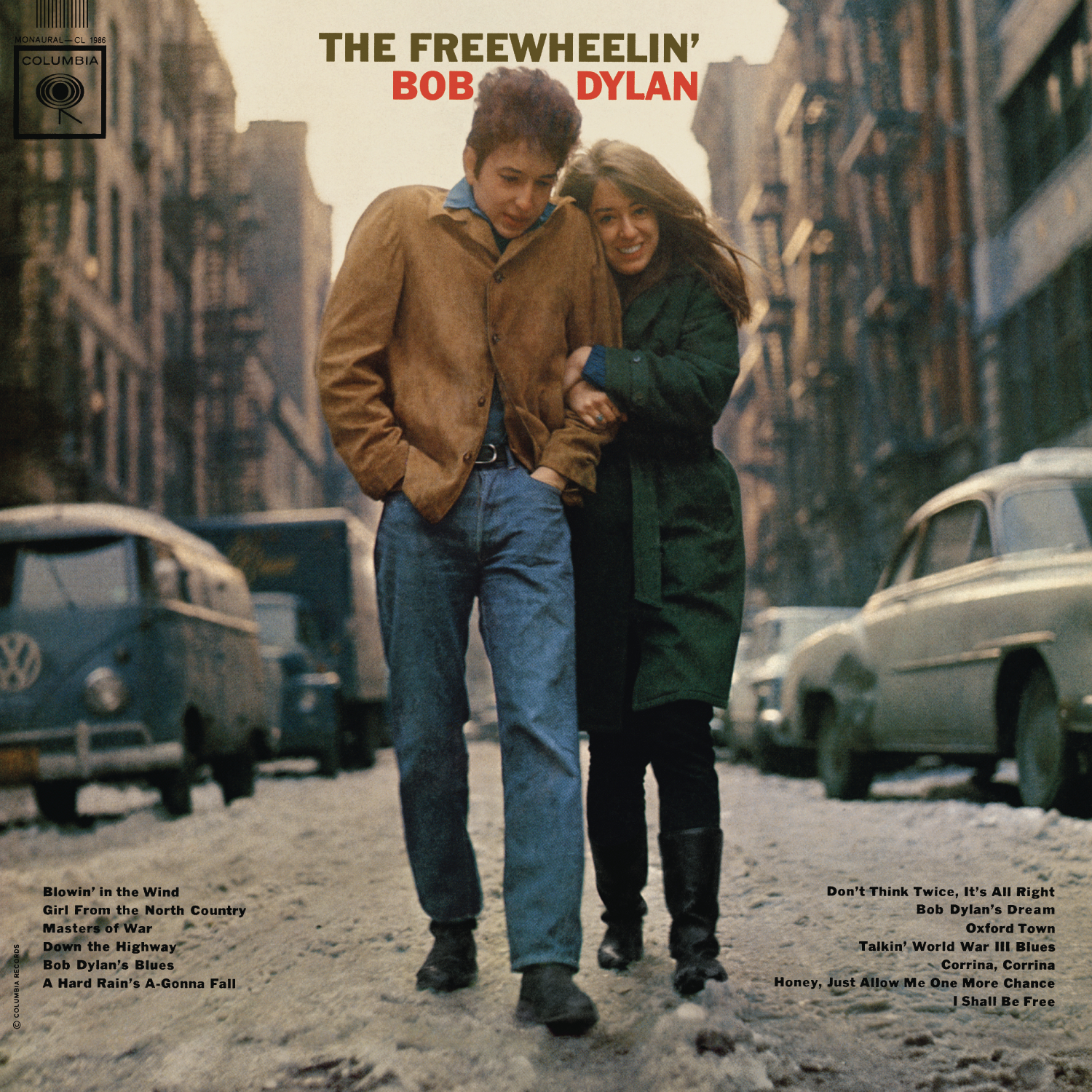
1. Bob Dylan – The Freewheelin’ (1963)
The record that transformed a young Midwestern troubadour into one of popular music’s most vital and enduring songwriters, The Freewheelin’ Bob Dylan changed the cultural landscape. Following the underwhelming commercial performance of his 1962 self-titled debut—which largely comprised traditional blues and folk covers—The Freewheelin’ marked Dylan’s bold pivot toward modern acoustic storytelling. Marrying biting, politically charged protest anthems with tender love songs and deeply impressionistic lyrical poetry, Dylan laid the architectural foundation for modern singer-songwriting. Its influence on folk, rock, and lyricism remains immeasurable.
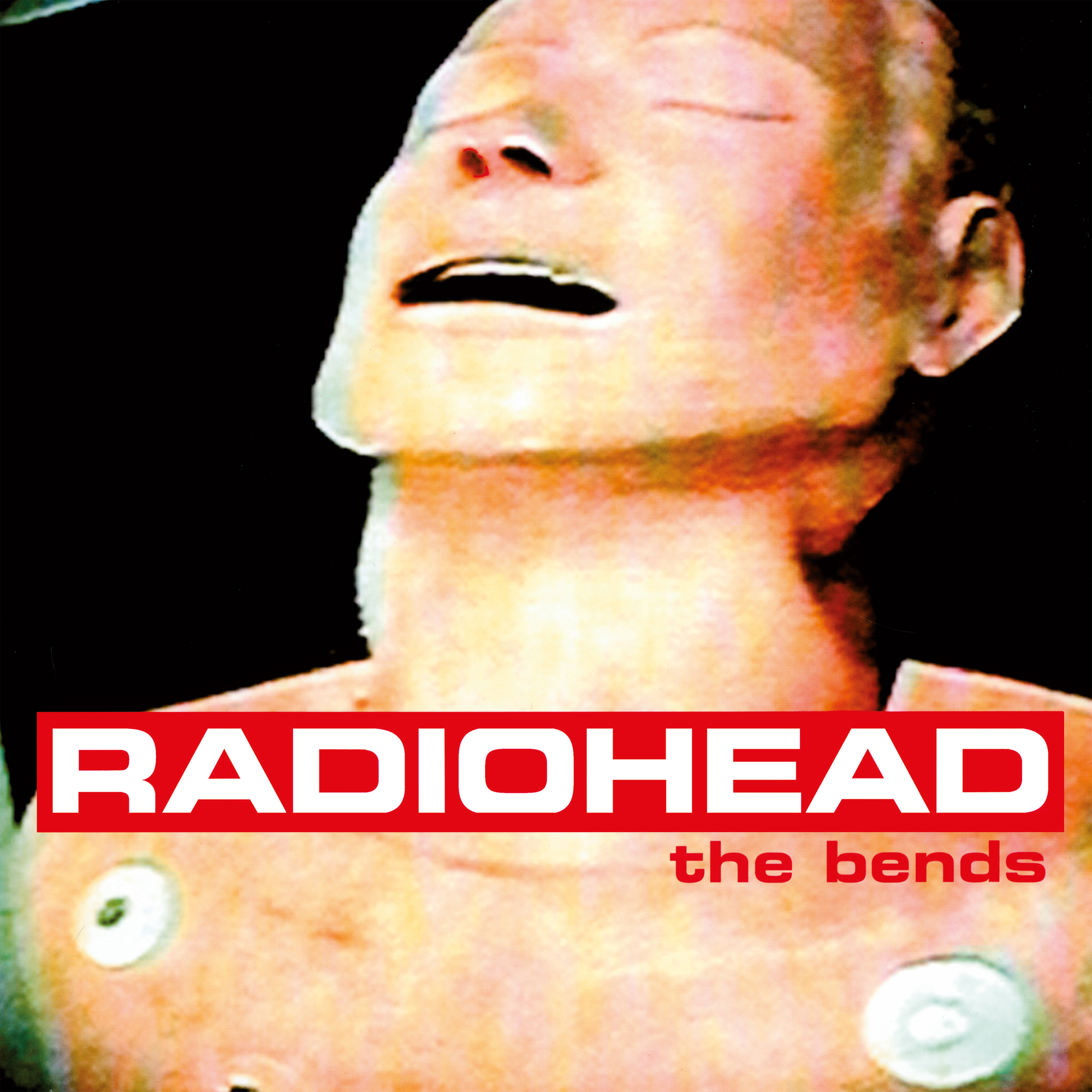
2. Radiohead – The Bends (1995)
Released at the height of the Britpop era, Radiohead’s The Bends stands as one of the most beloved and influential guitar records of the 1990s. Rather than bending the knee to the era’s dominant stylistic tropes, the band confronted their sudden, dizzying success—and the albatross of their unexpected debut hit, "Creep"—head-on. The album’s title, referencing decompression sickness from surfacing too quickly while scuba diving, served as an apt metaphor for their rapid ascent.
While their debut, Pablo Honey, was often pigeonholed as a grunge-adjacent artifact, The Bends was a staggering artistic leap forward. Thom Yorke’s soaring, fragile falsetto pierced through a dense wall of acoustic and electric guitars, balancing abstract sonic textures with concise, emotionally resonant production. Reflecting on this era in a 1996 interview with Addicted To Noise, guitarist Jonny Greenwood noted:
"It’s weird. It’s been kind of a reversal from Pablo Honey. We had an album that sold a lot but wasn’t taken much notice of and now we’ve become that horrible thing of a band’s band, or a critic’s band."
That critical darling status soon translated into enduring cultural currency, anchoring alternative radio with staples like "Fake Plastic Trees," "High and Dry," and "Street Spirit (Fade Out)."
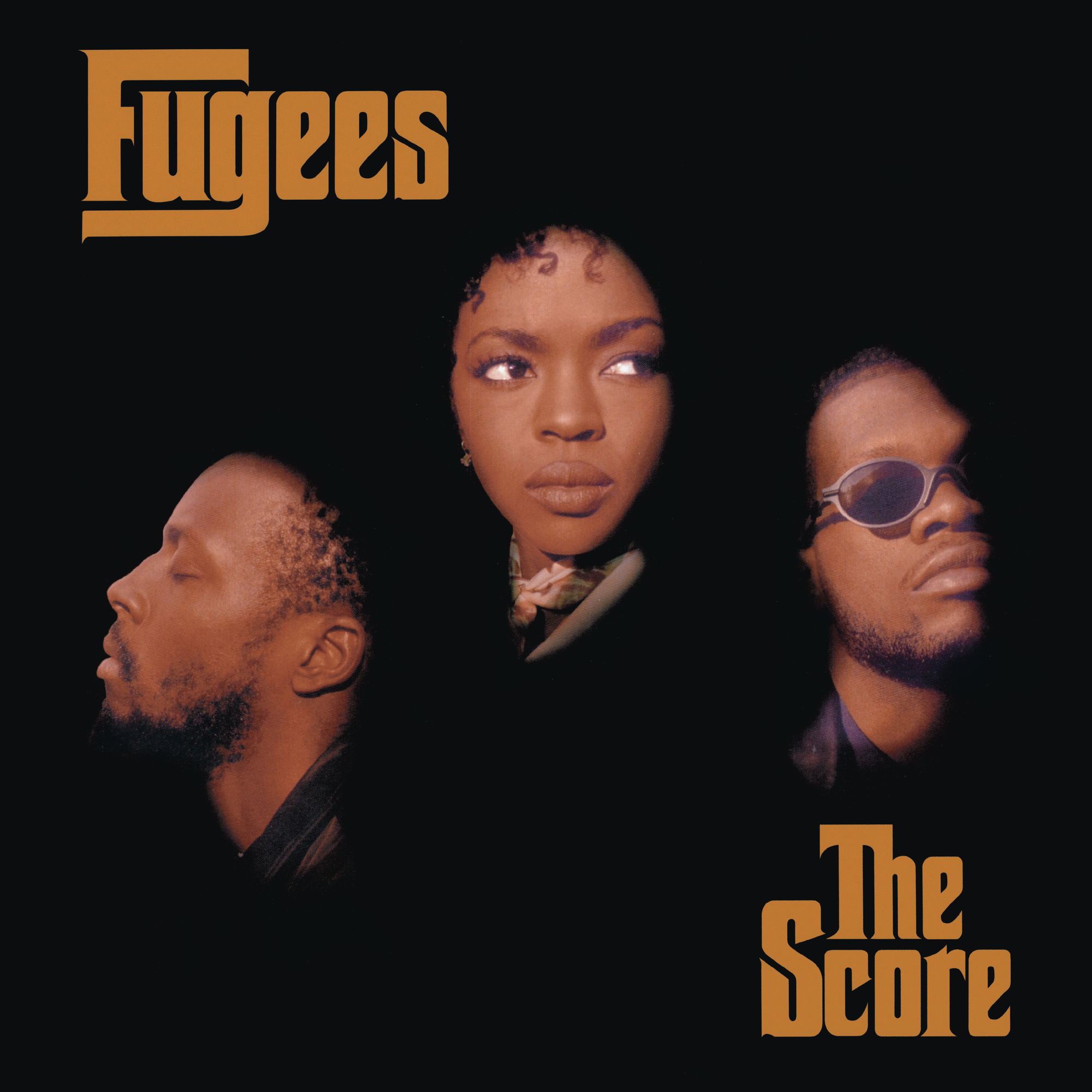
3. Fugees – The Score (1996)
An essential milestone in hip-hop history, The Score showcased the distinct, complementary brilliance of Lauryn Hill, Wyclef Jean, and Pras. Representing a seismic artistic progression from their 1994 debut, Blunted on Reality, the trio delivered a cinematic, sample-rich masterpiece that seamlessly bridged conscious hip-hop, reggae, and lush soul textures. Anchored by Hill’s commanding vocal presence and an iconic, genre-redefining reworking of Roberta Flack’s "Killing Me Softly," The Score captured the Grammy Award for Best Rap Album. Tragically, it also marked their swan song; internal tensions fractured the group shortly after release. Yet, their legacy endures, underlined by rare and legendary live reunions, including Hill and Jean’s surprise appearance during Jay-Z’s Reasonable Doubt 30 tour at London’s Tottenham Hotspur Stadium.
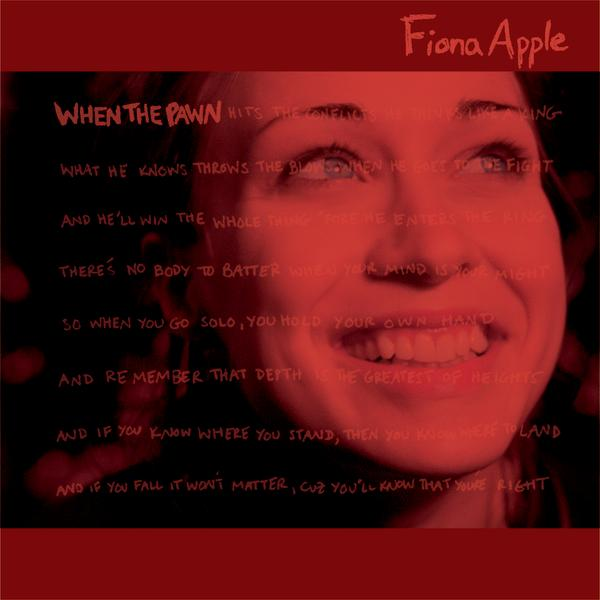
4. Fiona Apple – When the Pawn… (1999)
Fiona Apple’s second album introduced the world to the fierce, unyielding architecture of her singular mind. A thrilling collision of jazz-inflected piano, complex rhythmic cadence, and unflinching lyrical vulnerability, When the Pawn… refused to soften its emotional blows. Lines like "Hunger hurts, but starving works when it costs too much to love" became rallying cries for the emotionally bruised. While her debut, Tidal, was a breathtaking introduction, Apple—not yet 20 years old at the time of its follow-up—proved she was operating on an entirely different plane. This record cemented her devoted cult following, forging a deep connection through its raw excavations of trauma, mental health, and power dynamics.
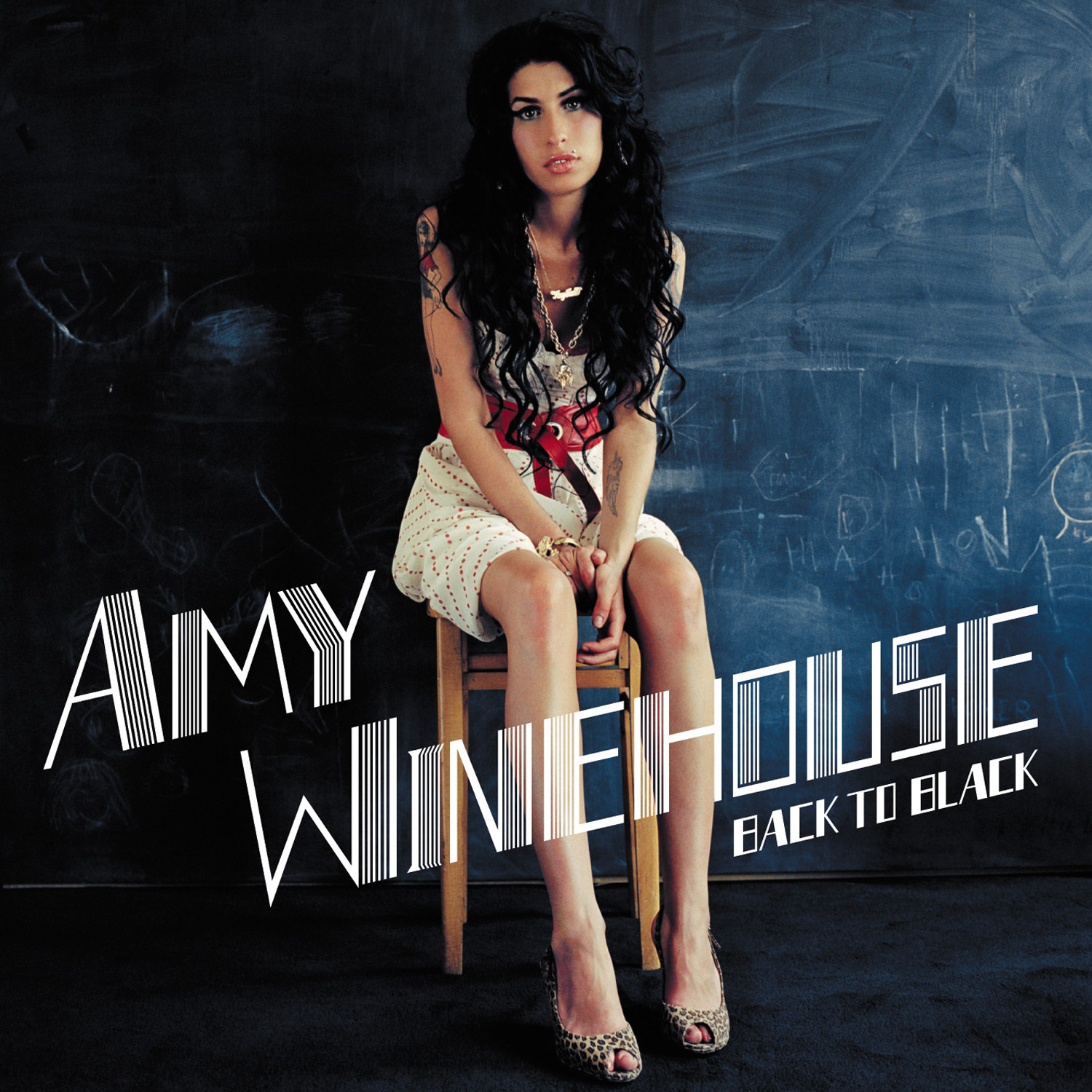
5. Amy Winehouse – Back to Black (2006)
Amy Winehouse possessed a once-in-a-generation voice, and Back to Black captured the staggering emotional weight of her existence. Drawing deeply on heartbreak, guilt, grief, and addiction, Winehouse expanded upon the loose, smoky neo-soul of her debut, Frank, into something epochal. Working alongside producers Mark Ronson and Salaam Remi, she married 1960s girl-group harmonies with a modern, devastatingly confessional lyricism. Becoming the UK’s best-selling album of 2007, Back to Black proved that the "difficult second album" is nothing more than a myth when an artist channels their life’s rawest trials into pure sonic excellence.
6. Big Thief – Capacity (2017)
Barely a year after the release of their acclaimed debut, Masterpiece, Adrianne Lenker and her bandmates delivered a follow-up that was at once quietly devastating and profoundly powerful. Capacity moves effortlessly between intimate folk storytelling, frayed indie rock, and startling emotional vulnerability. Tracks like "Mary" and "Mythological Beauty" highlighted Lenker’s rare gift for transforming deeply specific, often painful personal memories into universal human truths. With this record, Big Thief’s emotional world cracked wide open, establishing them as one of the most vital acts of their generation.
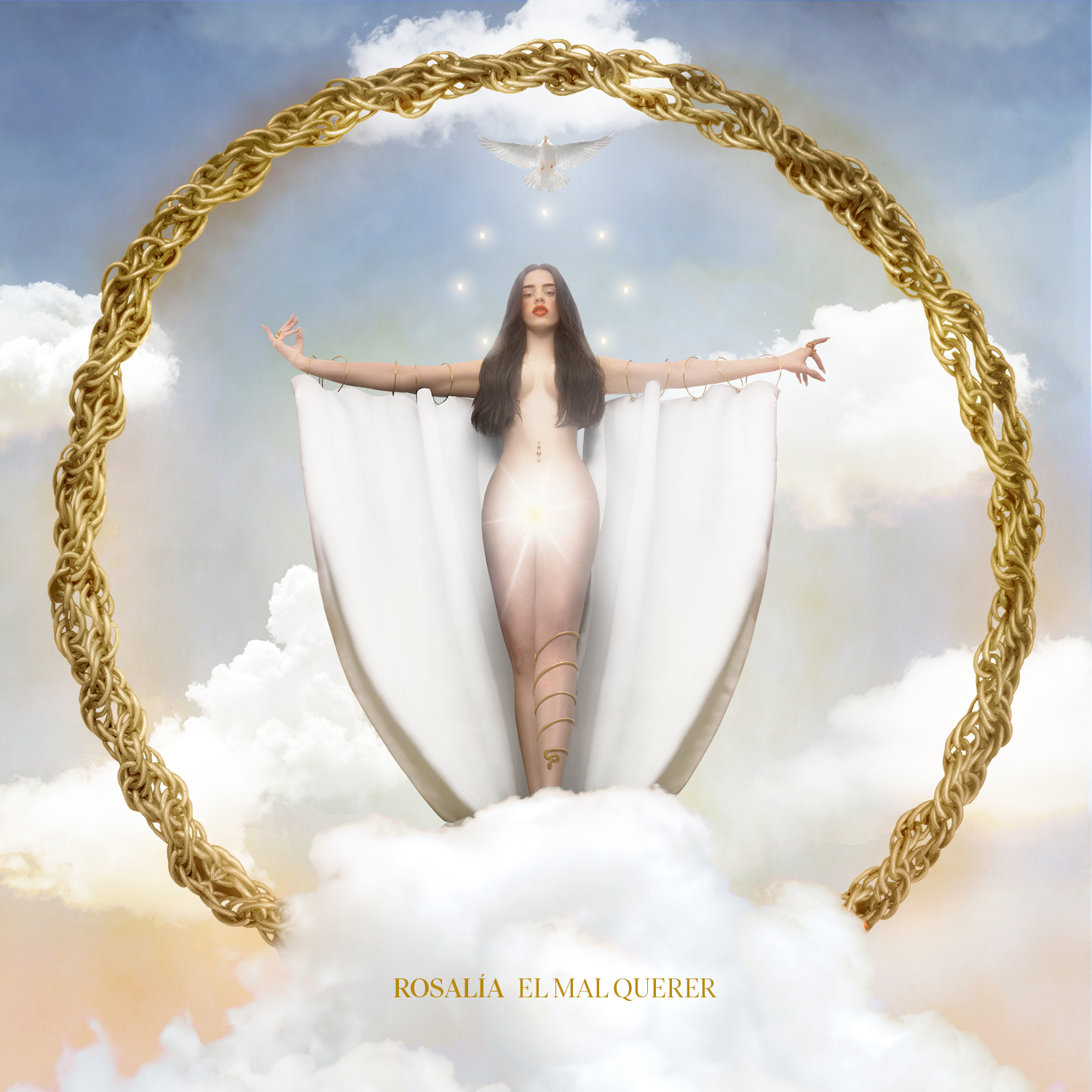
7. Rosalía – El Mal Querer (2018)
Structured around the narrative arc of a 13th-century anonymous Occitan novel concerning toxic love, jealousy, and control, Rosalía’s El Mal Querer is a masterclass in conceptual cohesion. Blending traditional Spanish flamenco with contemporary pop, R&B, and avant-garde electronic production, the album completely rewrote the parameters for what Spanish-language pop could achieve on a global stage. A fearless, meticulously crafted modern classic, it confirmed Rosalía as an uncompromising creative force.
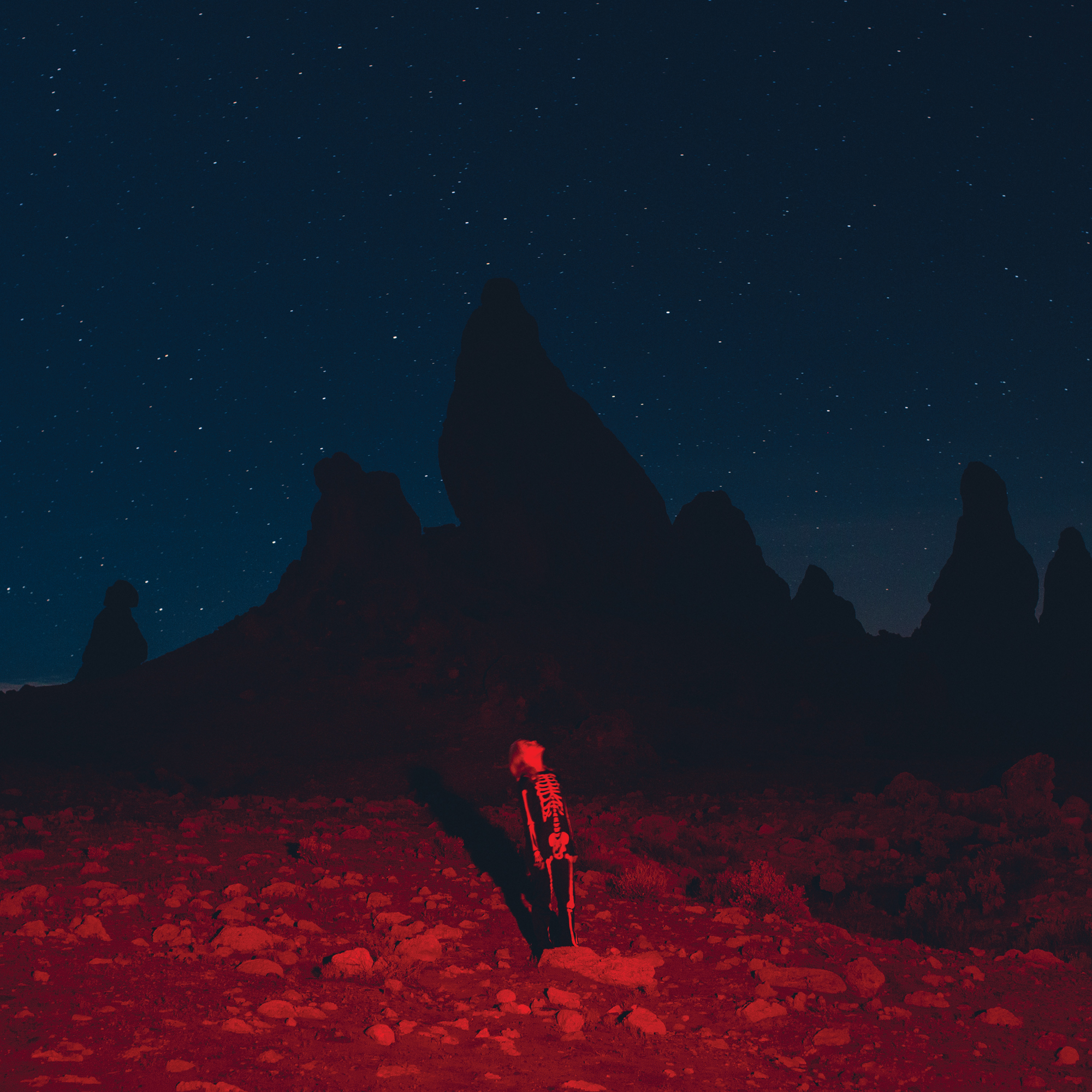
8. Phoebe Bridgers – Punisher (2020)
Expanding upon the fragile, haunting promise of her 2017 debut, Stranger in the Alps, Phoebe Bridgers’ Punisher broadened her sonic palette into lush, cinematic arrangements, chilling vocal harmonies, and lyrical observations that found dark humor in the mundane. Earning a fervent home within the Rough Trade community—dating back to Bridgers’ early in-store performances in 2017—Punisher captured the anxieties of modern life with an uncanny, ghostly grace.
9. Dean Blunt – Black Metal (2014)
The enigmatic Dean Blunt delivered a career-defining statement with Black Metal. Weaving together hazy R&B, experimental electronics, dub, folk, and fractured pop, the record is defined by its thick atmosphere and deliberate ambiguity. Stepping far beyond the scope of his debut, Redeemer, Blunt enlisted frequent collaborator Joanne Robertson to guide the project into strange, beautiful, and occasionally unsettling territory. Released via Rough Trade Records—a rare institutional home for an artist largely governed by his own World Music imprint—Black Metal solidified Blunt’s status as a visionary cult icon.
10. Black Country, New Road – Ants From Up There (2022)
Ants From Up There propelled Black Country, New Road from an underground post-punk curiosity into one of contemporary music’s most adventurous outfits. Brimming with sweeping orchestral strings, dramatic dynamic builds, and fragile, piano-led laments, the record served as the final chapter featuring founding vocalist Isaac Wood. Described by the band as their true creative genesis—a grand, mature overhaul of their early ethos—the album captured a rare lightning-in-a-bottle energy. As band member Lewis remarked to Rough Trade in 2022:
"The music has got its own sound world and, production-wise, has its own sound world too. It feels like the first album we have done. A grown-up album."
Supporting Context & Metrics: Defying the Odds Across Decades
The historical dataset of popular music reveals that the sophomore slump, while common, is frequently over-dramatized. Across every subsequent decade of recorded music, generational talents have leveraged their second outings to expand their commercial reach and critical standing exponentially.
Decadal Milestones of Sophomore Triumph
The 1960s: Led Zeppelin followed their explosive debut with Led Zeppelin II (1969), heavier and more commercially dominant. Similarly, The Beatles (With the Beatles, 1963) and Simon & Garfunkel (Sounds of Silence, 1965) redefined their respective scenes within eighteen months of their initial releases.
The 1970s: Lou Reed perfected his glam persona on Transformer (1972), Black Sabbath solidified heavy metal orthodoxy with Paranoid (1970), and Iggy Pop uncorked Lust for Life (1977).
The 1980s: Public Enemy delivered one of the most culturally seismic rap records in history with It Takes a Nation of Millions to Hold Us Back (1988), while Tears for Fears conquered global charts with Songs from the Big Chair (1985).
The 1990s: A golden era for sophomore releases. Nirvana shifted the global monoculture with Nevermind (1991), My Bloody Valentine revolutionized shoegaze with Loveless (1991), and Oasis cemented Britpop supremacy with (What’s the Story) Morning Glory? (1995).
The 2000s: Daft Punk perfected electronic club music on Discovery (2001), The Strokes proved lightning could strike twice with Room on Fire (2003), and Adele transitioned from local sensation to global titan with 21 (2011).
The 2010s & 2020s: Frank Ocean (Blonde, 2016), SZA (SOS, 2022), Olivia Rodrigo (GUTS, 2023), and Wet Leg (Moisturiser) have continued to prove that modern artists view the second album not as a hurdle, but as a launchpad for boundless reinvention.
Official Statements & Industry Perspectives
The internal friction of crafting a follow-up record often forces artists to re-evaluate their entire relationship with their craft. When musicians transition from anonymous up-and-comers to scrutinized public figures, the psychological shift is profound.
As Jonny Greenwood noted during Radiohead’s transition from Pablo Honey to The Bends, the burden of critical expectation can feel alienating for a rock band attempting to push past commercial formulas. Conversely, artists like Black Country, New Road viewed their sophomore release as an essential shedding of early skin—a deliberate refusal to repeat past triumphs in favor of organic, uncompromised artistic growth.
Industry analysts point out that modern streaming algorithms and immediate social media feedback loops have amplified the stakes of the sophomore release. Yet, the enduring success of records like Back to Black, Punisher, and Ants From Up There proves that authenticity and fearless sonic evolution consistently outlast manufactured hype.
Future Outlook: The Evolution of the Sophomore Experience
As the music industry continues to decentralize—moving away from traditional, rigid album cycles toward fluid, non-linear release strategies—the rigid definition of the "second album" is evolving. With bedroom producers and independent artists dropping myriad EPs, singles, and collaborative projects before ever releasing a formal "debut album," the traditional sophomore slump is losing its traditional grip.
Nevertheless, the cultural cachet of the second album remains intact. It stands as the ultimate test of an artist’s longevity, depth, and creative stamina. Whether an artist chooses to refine their initial formula to a razor-sharp point or blow up their soundscape completely in search of new sonic frontiers, the history of popular music demonstrates one undeniable truth: greatness does not fear the sophomore hurdle—it uses it to leap higher.