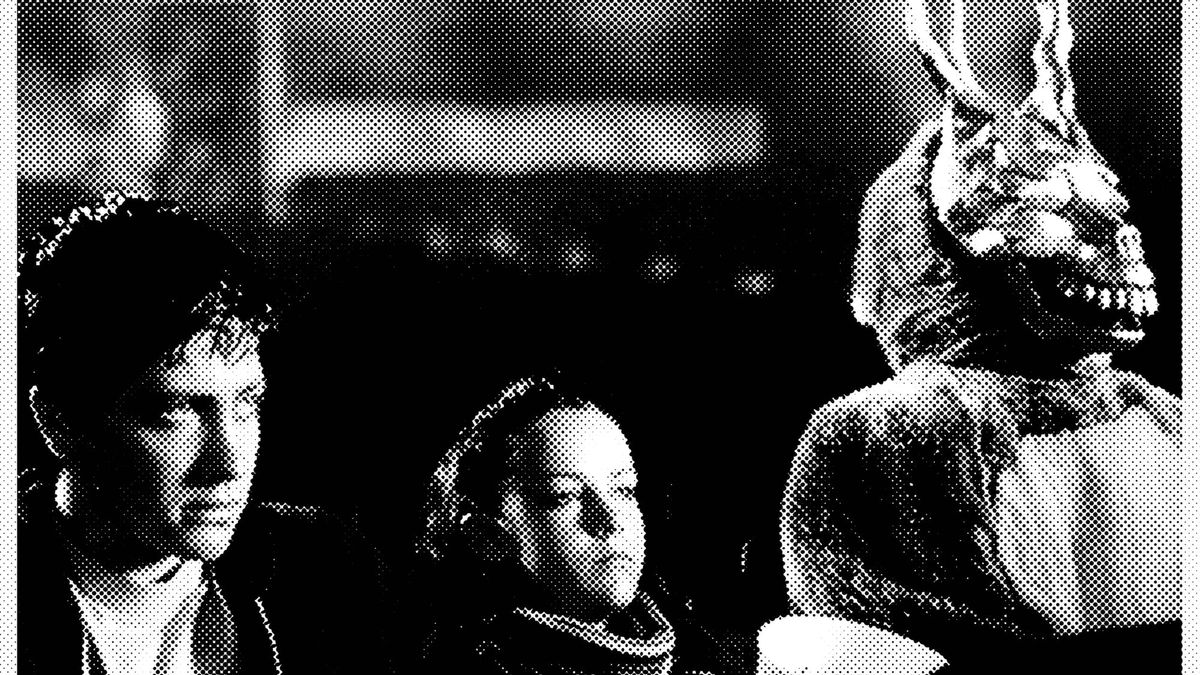
"Mad World predates this film by nearly twenty years, yet it sounds like it was written from inside Donnie’s head, like an echo from an alternate universe that arrived before the story did."
Sometimes the very best films are those that recognize how profoundly sound can manipulate human psychology. What you hear can be just as emotive, disorienting, and visceral as what you see. The right song, needle-drop, or ambient score can instantly shape a film’s atmosphere, fracture its audience’s sense of security, and become utterly inseparable from the scares themselves.
From John Carpenter’s pioneering, ominous synths in Halloween to Queen’s gloriously incongruous, high-octane appearance in Shaun of the Dead, ambient soundscapes and textured sonic choices define modern cinema. Revisiting cinema’s most iconic spooky musical moments uncovers the exact intersections where sound elevates a scene from standard visual storytelling to high-art terror. Whether curating a personal collection or studying the history of audio design, these staple cult horror scores form the bedrock of the genre.
Executive Overview
The relationship between horror and music dates back to the silent era, when organists improvised live accompaniments to mask the clatter of the projector and heighten the tension on screen. However, as recording technology matured through the late 20th century, directors and composers recognized that audio design was not merely an accessory to visual scares—it was the very architecture of dread.
This retrospective explores how specific sonic choices anchor enduring cinematic masterpieces. By evaluating legendary compositions across decades—from minimalist synthesizer experiments to 1990s witch-rock and contemporary liminal soundscapes—we dissect the mechanics of fear. Sound design bypasses intellectual critique, operating directly on the autonomic nervous system. The following chronology chronicles the evolution of horror soundscapes, examining the creative risks, technical limitations, and unexpected cultural impacts that turned background audio into cinematic masterworks.
Detailed Chronology of Iconic Horror Soundscapes
Halloween (1978)
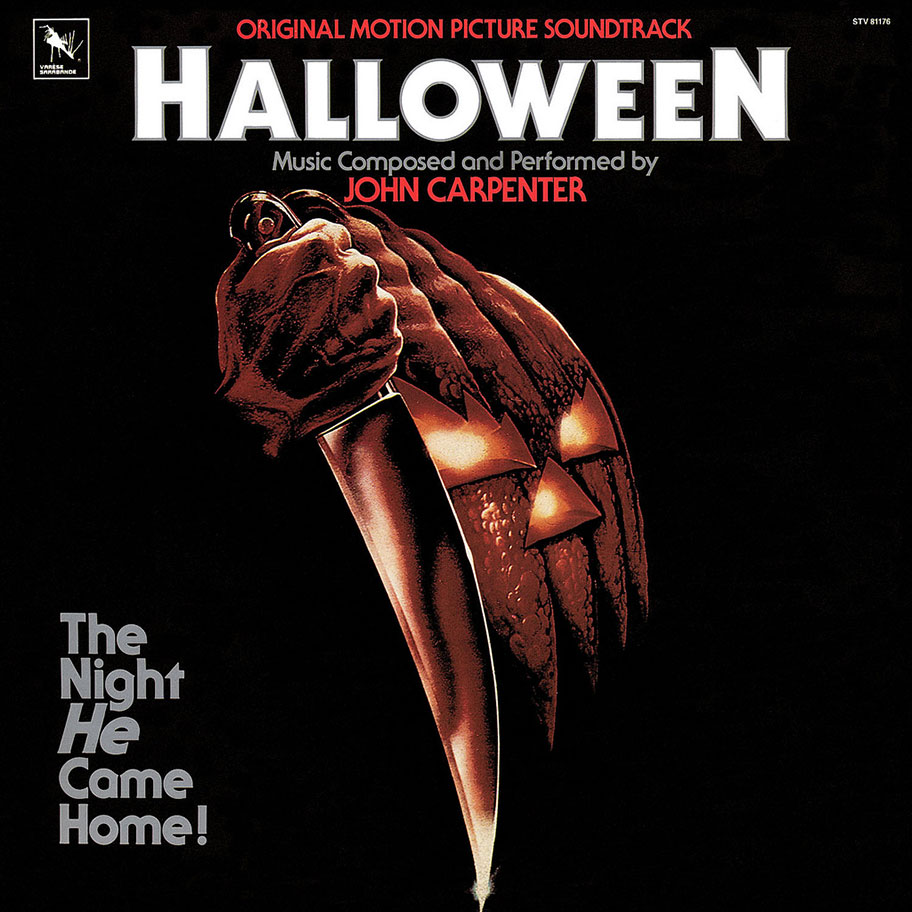
John Carpenter – Halloween Theme – Main Title
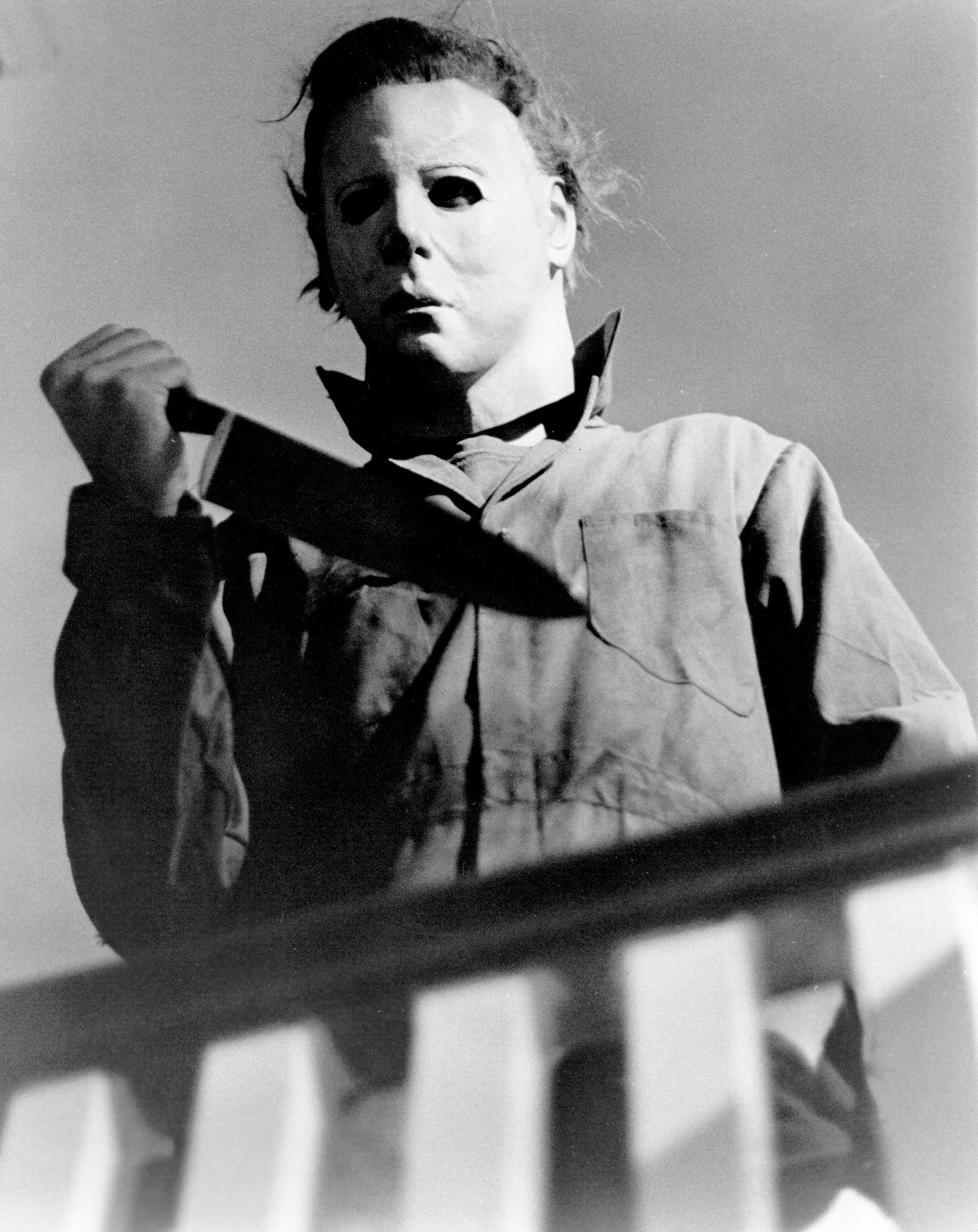
John Carpenter’s instantly recognizable synth theme anchors one of modern cinema’s most famous slasher films. Its relentless, off-kilter rhythm creates an inescapable sense of unease before Michael Myers even appears on screen, perfectly capturing the unhinged, mechanical energy of the film’s villain.
Composed and performed by Carpenter himself, the minimalist score utilizes a Moog III synthesizer—a brittle, repetitive piano-like cluster of notes set to an unsettling 5/4 time signature over a tinny tick. Remarkably, Carpenter had only three days to work on the Halloween score. Working in what he and co-producer Dan Wyman called a "double-blind mode," Carpenter wrote and recorded the music in the studio without watching or synchronizing it to actual film footage, cutting it in afterward to match each scene’s mood.
"Michael [Myers] doesn’t run—he walks, which makes him much scarier. And then listen to the score: There’s not a lot of fuss in the score. It’s as minimalist and effective as that butcher knife that Michael carries."
— Film critic Matt Zoller Seitz for NPR, 2018
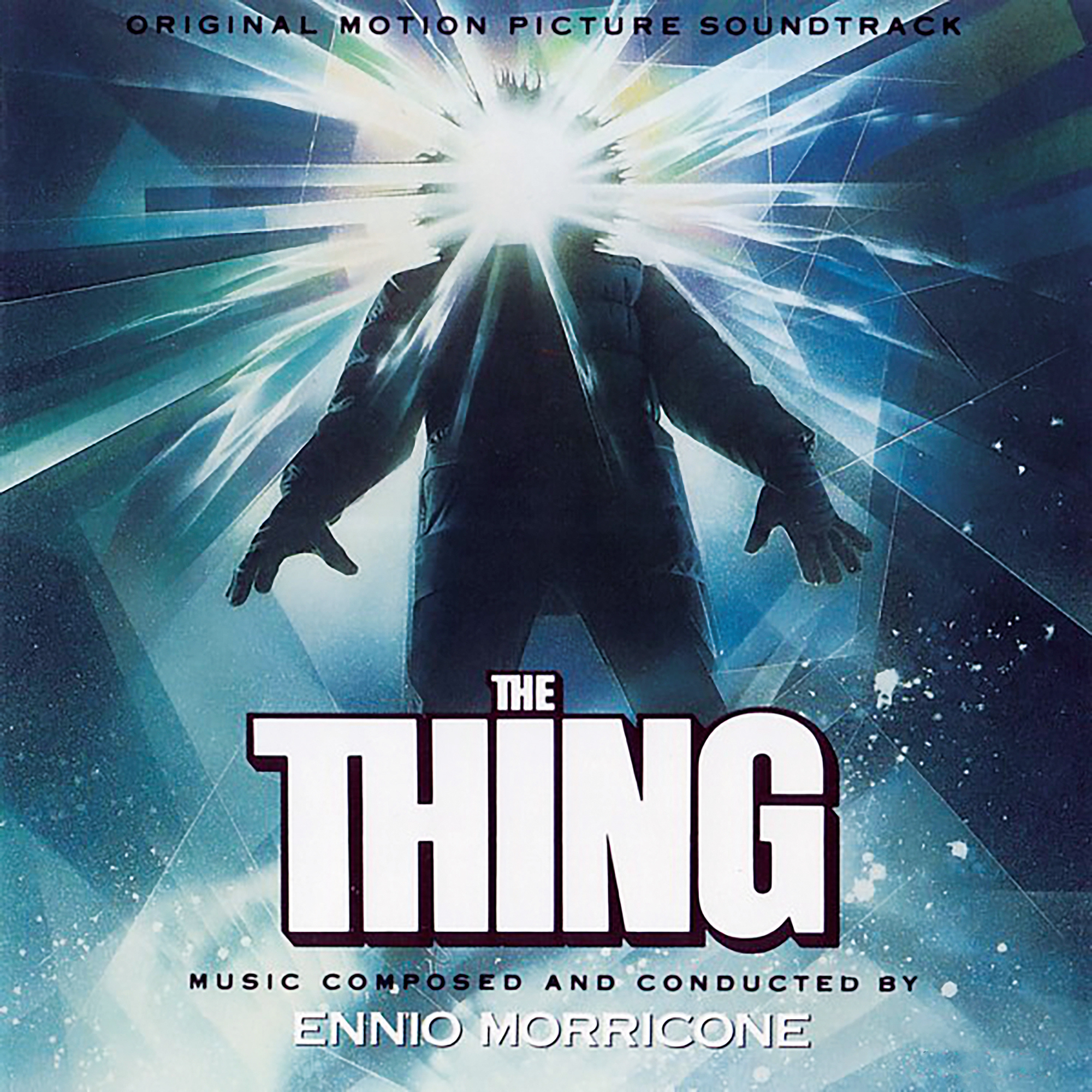
The Thing (1982)
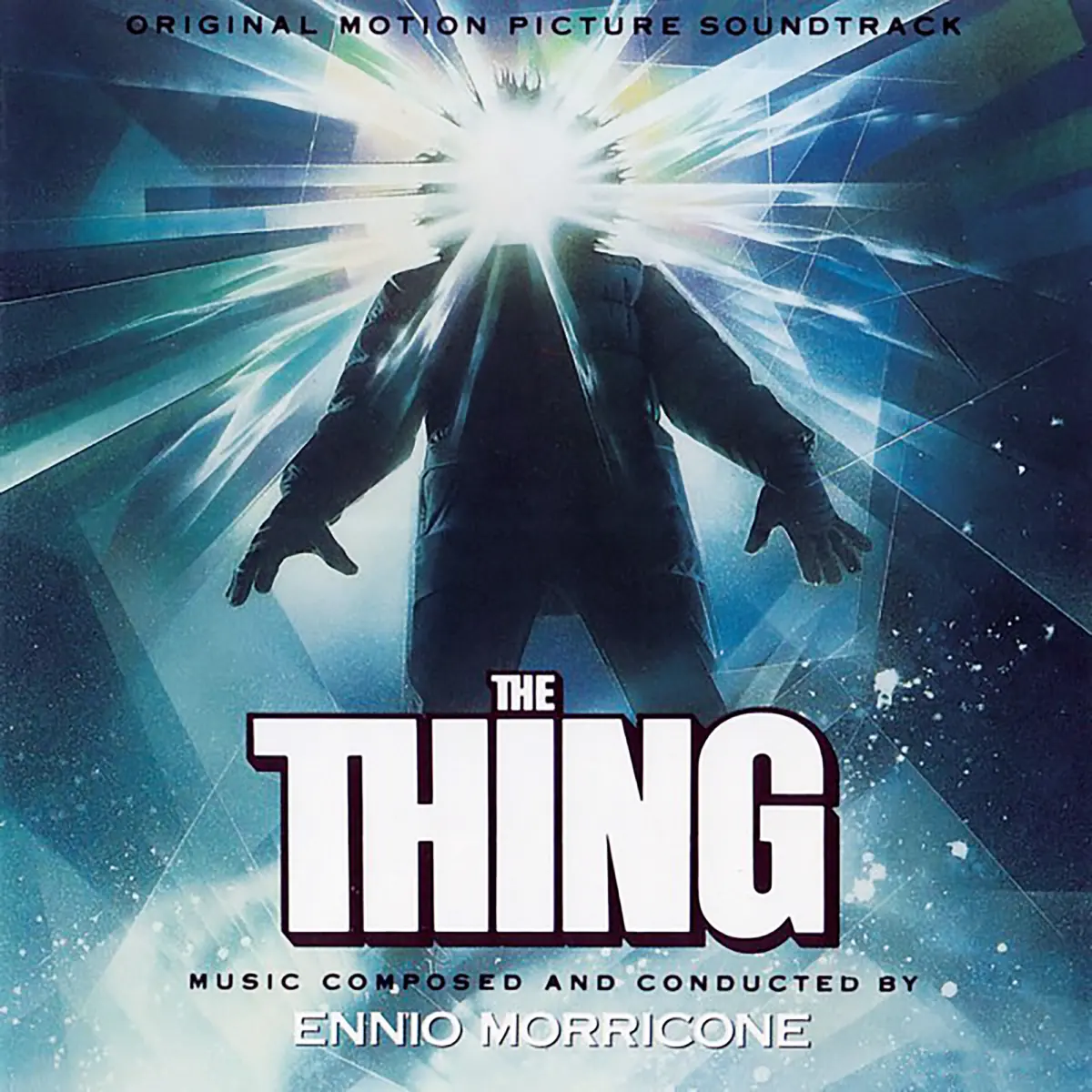
Ennio Morricone – Humanity Part II
Humanity (Part II) serves as the central musical motif running through John Carpenter’s grotesque, sinister body-horror classic. Ennio Morricone fused his characteristic atmospheric orchestral style with heavy synthesizer tones to mirror the film’s bleak, fatalistic narrative arc.
Droning and pulsing, the score clearly reflects Carpenter’s synth-heavy influence, capturing the sonic signature of early-1980s paranoia. Accompanying an unresolved, deeply ambiguous ending, the composition leaves audiences wrapped in sheer existential dread as the outpost burns and the credits roll.
"He added something to it, that I didn’t realise, didn’t ask for. He brought it: this deep, tragic sense that this is the end of things, of everything."
— John Carpenter on Ennio Morricone’s score for The Thing
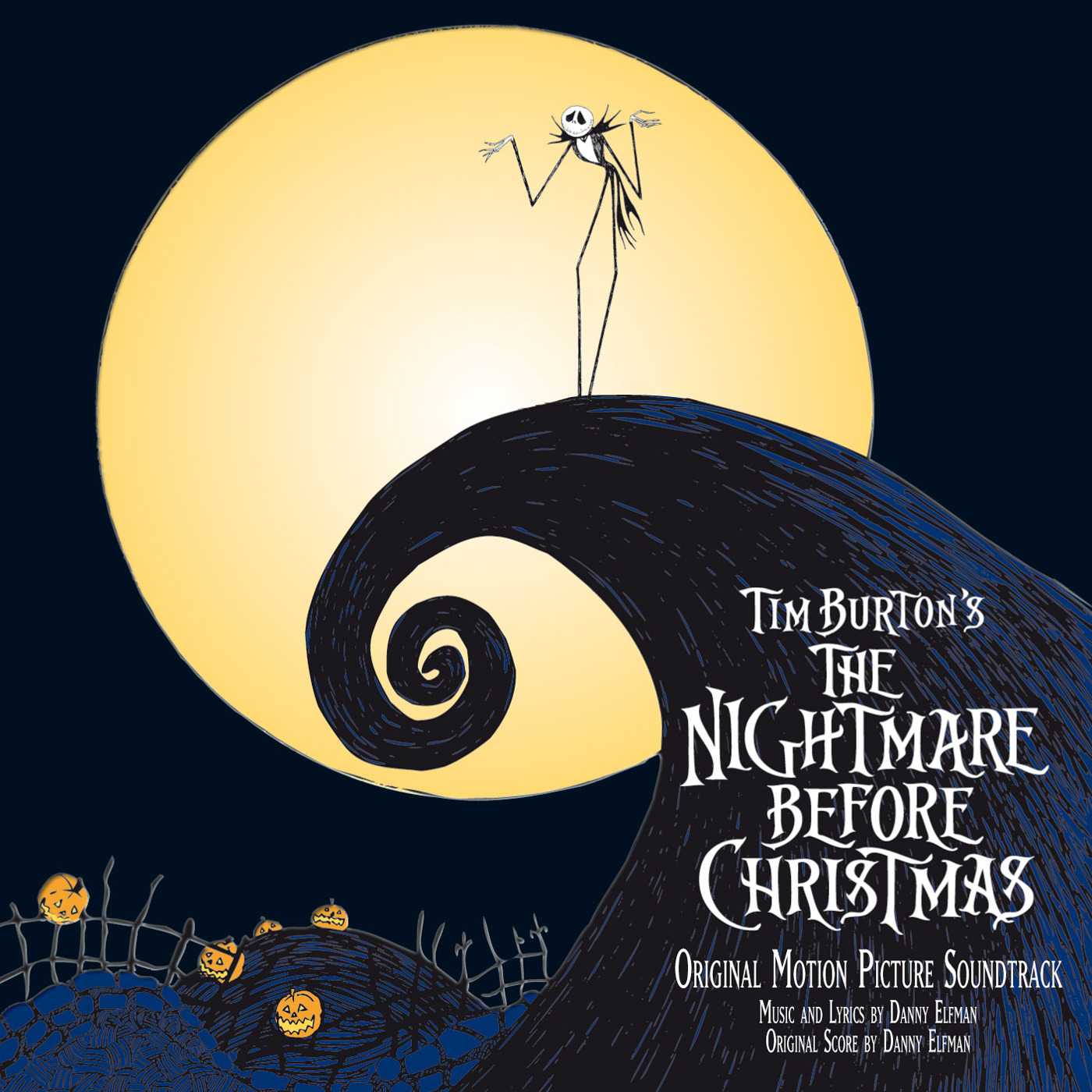
The Nightmare Before Christmas (1993)
The Citizens of Halloween – This is Halloween
Is it a Christmas film or a Halloween film? If Tim Burton aimed to capture both holidays in one stroke, he succeeded brilliantly. The iconic opening sequence introducing the monsters, ghouls, and phantoms of Halloweentown is driven by what became an enduring seasonal anthem.
True to form for a Burton-produced project, Danny Elfman spearheaded the musical identity, even providing the soaring, theatrical singing voice for Jack Skellington. The original motion picture soundtrack remains a cult favorite, celebrated in physical media formats like 2-LP glow-in-the-dark vinyl.
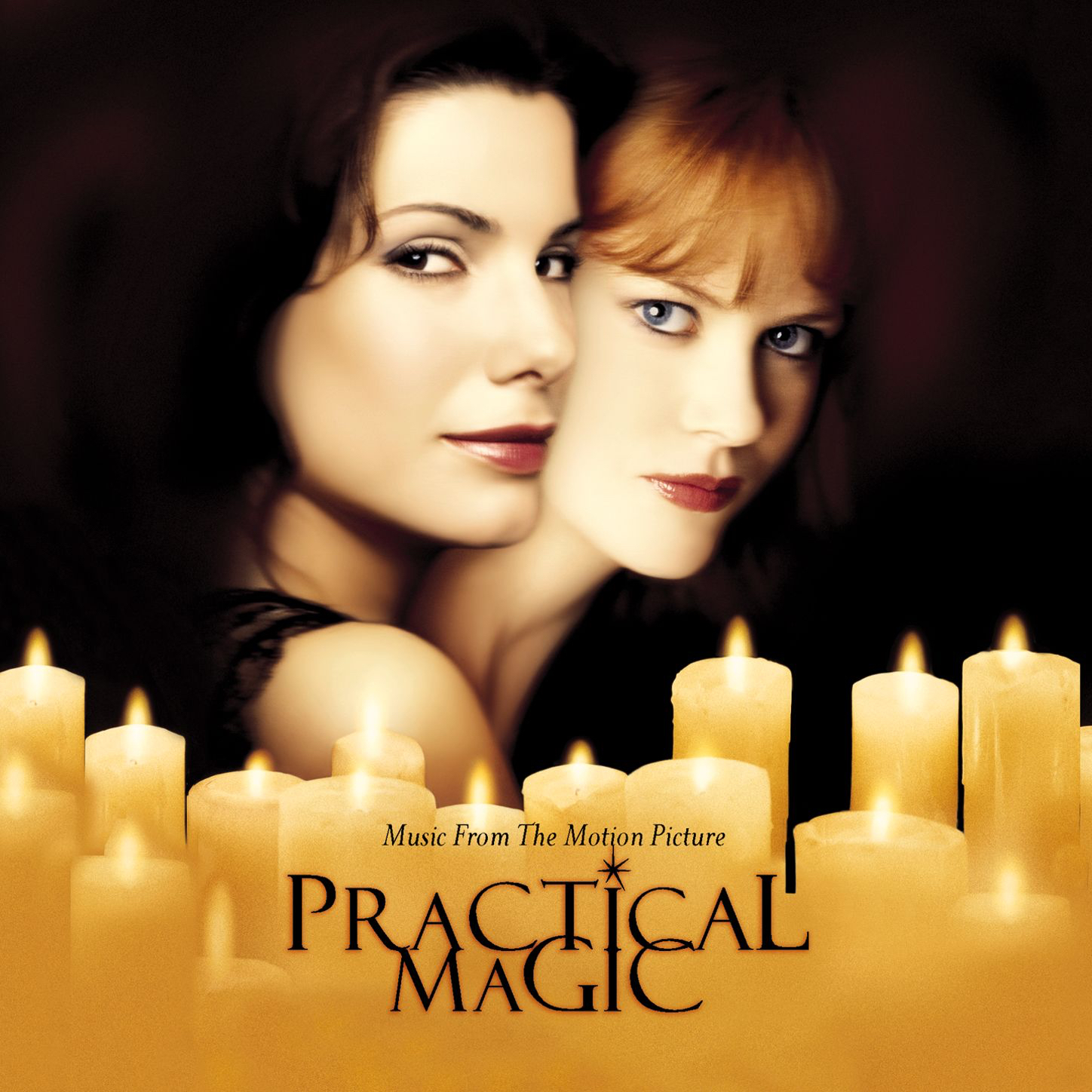
Practical Magic (1998)
Stevie Nicks – Crystal
Witchcraft, sisterhood, and the supernatural converge in this 1990s autumnal cult favorite, anchored by Stevie Nicks’ ethereal, mystical vocals. Practical Magic relies heavily on music for iconic moments: the eerie rendition of Elvis Presley’s Always on My Mind, the whimsical romantic montage set to Faith Hill’s This Kiss, and midnight margaritas soundtracked by Harry Nilsson’s Coconut.
Nicks’ thematic explorations of love, loss, and female resilience stand out particularly during the opening sequence. Young Sally Owens casts a binding spell under the full moon while Crystal plays, joined by Sheryl Crow on backing vocals. This beloved soundtrack captures the warmth and melancholy of magical realism.
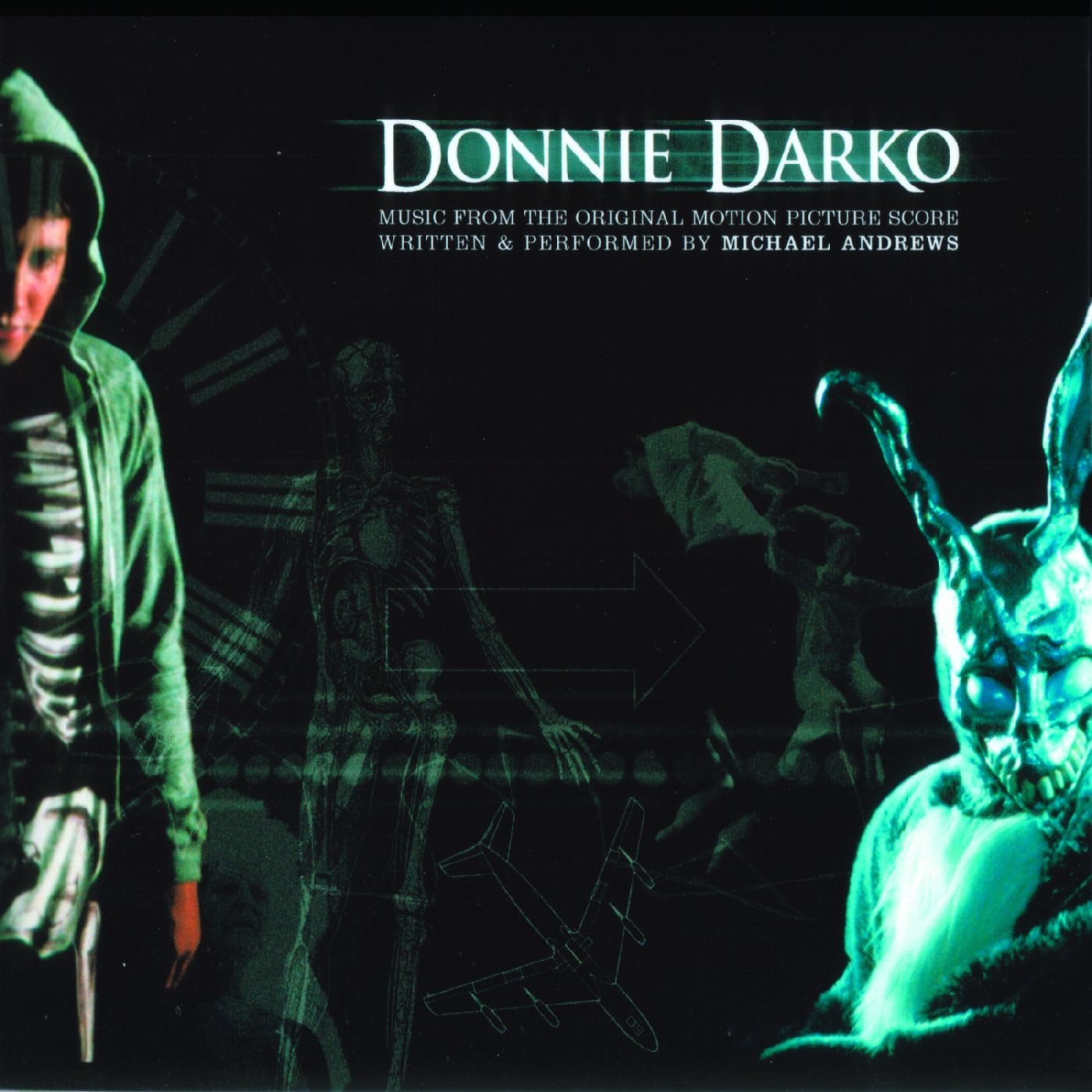
Donnie Darko (2001)
Tears for Fears / Michael Andrews & Gary Jules – Mad World
Selecting a single scene from Donnie Darko defined by its music is nearly impossible, given its peerless soundtrack. From Echo and the Bunnymen’s eerie classic The Killing Moon playing in the opening sequence (a last-minute swap due to budget constraints regarding INXS’s Never Tear Us Apart), music drives the narrative.
However, the film’s emotional apex arrives during the tragic montage set to Michael Andrews and Gary Jules’ cover of Mad World. Recorded specifically for the film, this minimalist interpretation transforms Tears for Fears’ upbeat 1980s pop song into a somber, funereal lament that feels custom-written for Donnie’s fractured psyche.
Shaun of the Dead (2004)
Queen – Don’t Stop Me Now
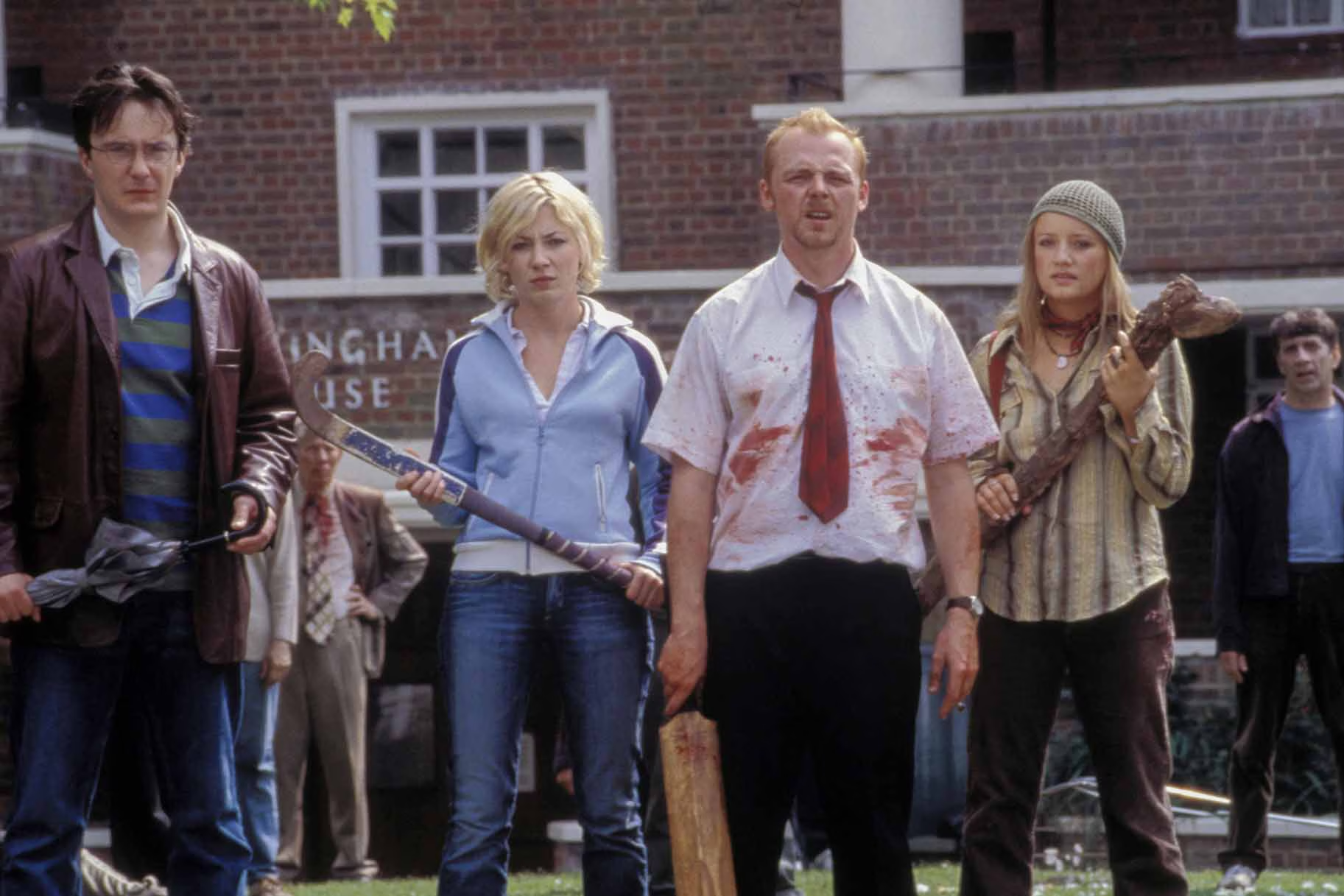
Edgar Wright is a master of the cinematic needle-drop, and the first entry in his acclaimed Cornetto Trilogy proves it. The hilariously slapstick, gory pub fight scene was meticulously choreographed to Queen’s Don’t Stop Me Now before the production had even cleared the licensing rights. The precise synchronicity of pool cue strikes hitting the beat—combined with the track playing diegetically on the pub’s jukebox—elevates the scene’s deadpan brilliance.
Black Swan (2010)
Clint Mansell – Nina’s Dream
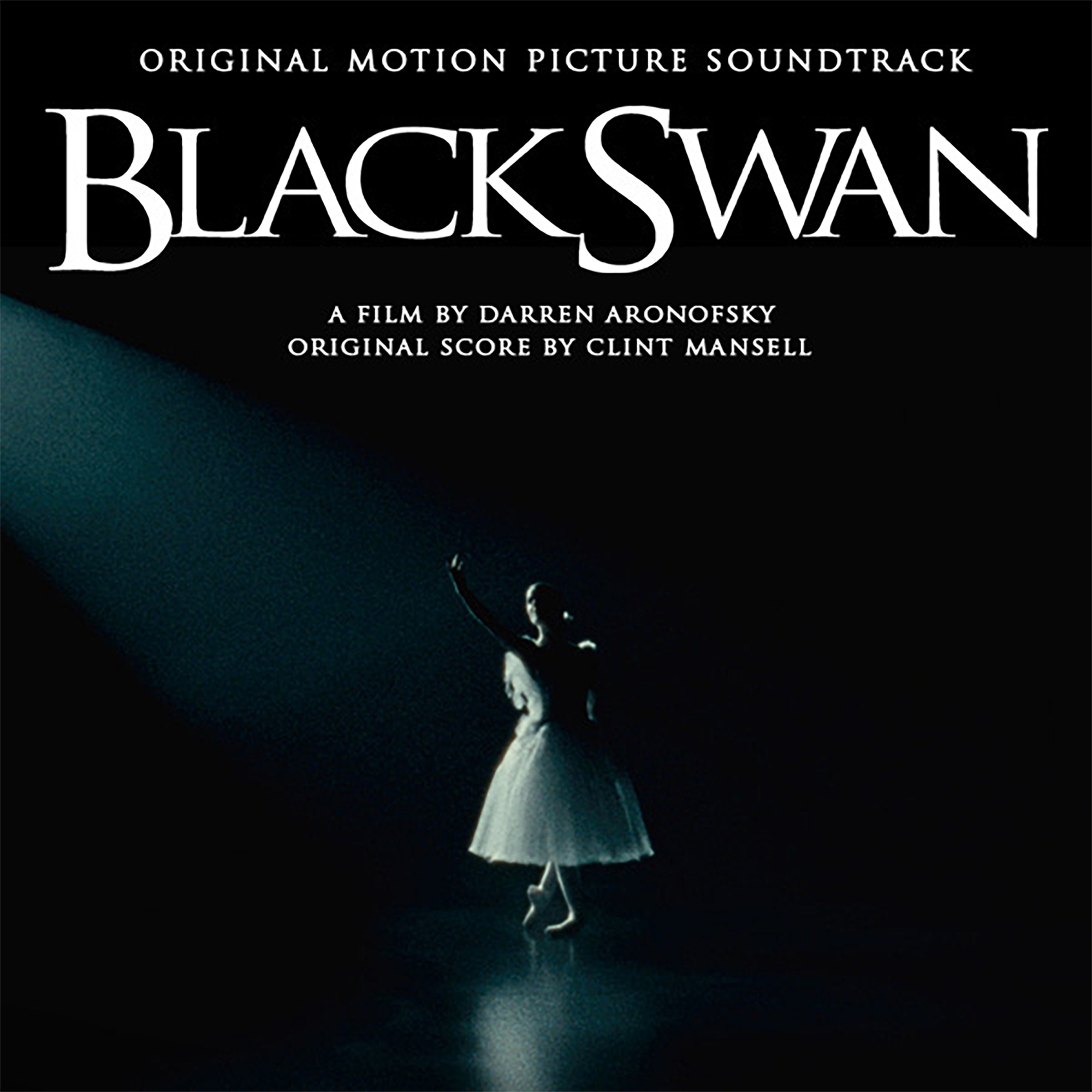
Despite earning five Academy Award nominations—including a Best Actress win for Natalie Portman—Darren Aronofsky’s Black Swan score was disqualified from Oscar contention for utilizing pre-existing classical motifs. Clint Mansell deftly built upon Tchaikovsky’s original Swan Lake themes, infusing darker, more harrowing textures to mirror Nina Sayers’ psychological deterioration.
Director Darren Aronofsky noted the injustice at the time: "It’s a shame, because there’s a lot more work put into this than normal scores. You’ve got to basically pull it apart and reinterpret it for the screen." The opening oboe solo progressively devolves into a cacophonous, paranoid masterpiece.
Insidious (2010)
Tiny Tim – Tiptoe Through the Tulips
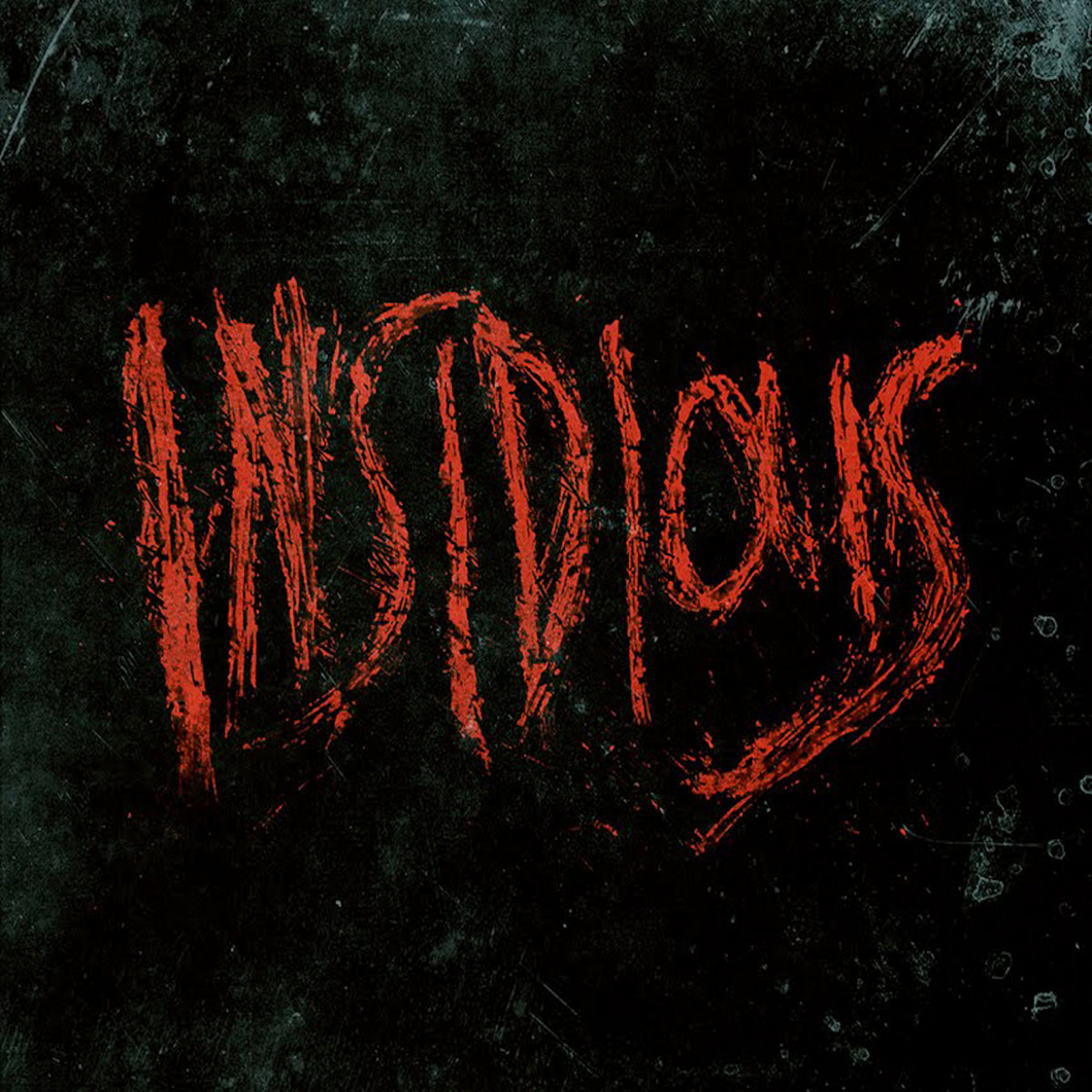
Few horror needle-drops achieve the sheer, skin-crawling juxtaposition of Tiny Tim’s falsetto crooning in James Wan’s Insidious. Originally a whimsical 1929 novelty tune popularized by jazz singer Nick Lucas in early Looney Tunes shorts, Wan weaponized the track to signal the arrival of the terrifying dancing demon.
The historical context of Tiny Tim’s life—specifically his tragic 1996 on-stage collapse while performing this very song—adds an unintended, dark layer of real-world melancholy to the listening experience.
Weapons (2025)
George Harrison – Beware of the Darkness
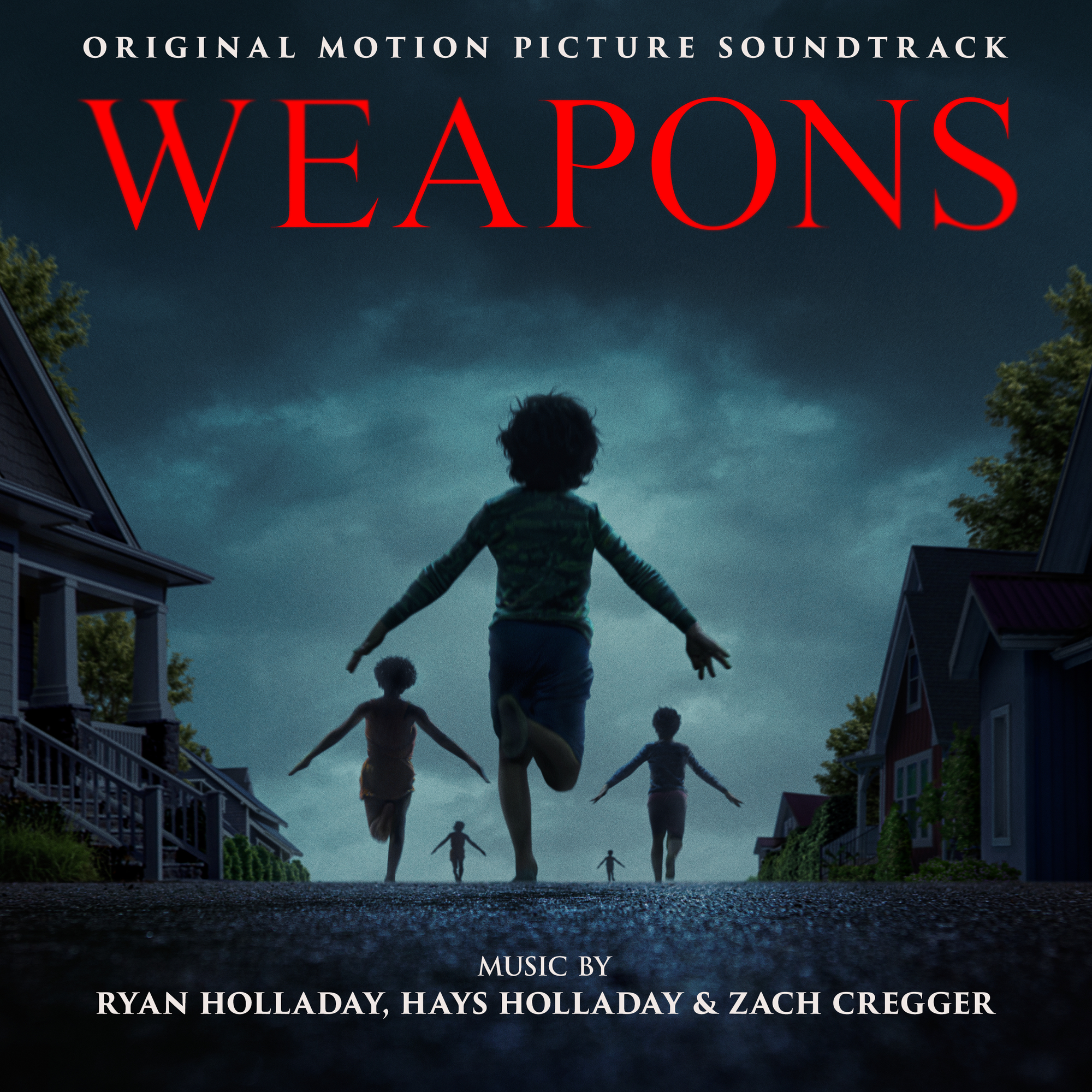
Despite its ominous title, George Harrison’s Beware of the Darkness is a remarkably gentle, rolling acoustic track. In Zach Cregger’s supernatural mystery Weapons, it creates an unsettling paradox. Playing over the film’s chilling opening sequence—where a group of children mysteriously vanish into the night—Harrison’s spiritual warning against despair takes on a literal, sinister resonance.
Backrooms (2026)
Boards of Canada – The Word Becomes Flesh
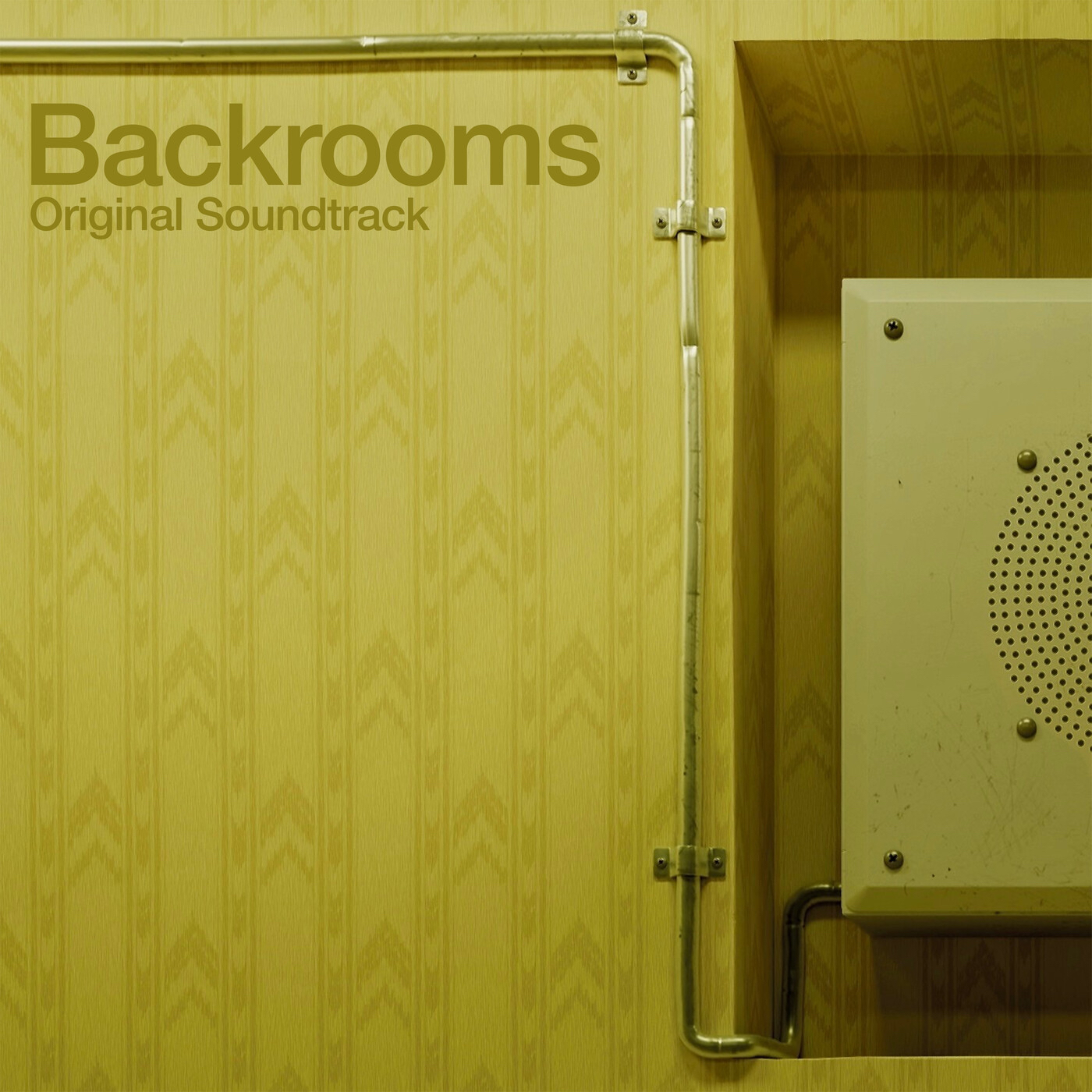
A24’s adaptation of Kane Parsons’ viral web series transformed endless yellow corridors and liminal spaces into box-office gold. Featuring a powerhouse performance by Chiwetel Ejiofor as disillusioned store manager Clark, the film’s soundscape is a masterclass in dark ambient minimalism. Co-scored by Parsons and Edo Van Breemen, the film draws inspiration from Aphex Twin, Burial, and Boards of Canada. The inclusion of Boards of Canada’s The Word Becomes Flesh during the end credits acts as a brilliant sonic mic-drop, allowing the uncanny atmosphere to linger long after the house lights come up.
Supporting Context & Metrics: The Science of Sonic Dread
Why do specific frequencies induce panic? Sound designers and neuroscientists have long studied the intersection of acoustics and human fear response:
Infrasound (Below 20Hz): Sound waves below the threshold of human hearing can cause unexplained physiological symptoms, including a sense of dread, shivers down the spine, and visual hallucinations (sometimes referred to as the "fear frequency").
The Tritone Interval: Historically banned in medieval church music as Diabolus in Musica (The Devil in Music), the augmented fourth interval creates immediate harmonic instability, leaving the human ear craving resolution that never arrives.
Temporal Disorientation: Off-kilter time signatures—such as Carpenter’s 5/4 rhythm in Halloween—prevent the listener from tapping their foot or anticipating the beat, keeping the conscious mind in a state of hyper-vigilant alertness.
Official Statements and Industry Insights
The creative minds behind these auditory landscapes have frequently spoken about the delicate balance between music and visual storytelling:
John Carpenter on Composing Under Pressure:"When you score a movie yourself, you don’t have to explain your vision to a middleman. You sit at the synthesizer, look at the blank spaces, and ask yourself: what does this emptiness need to feel dangerous?"
Darren Aronofsky on Reinterpreting Classical Music:"Tchaikovsky’s Swan Lake is already a tragedy. What Clint [Mansell] did wasn’t just cover it; he injected the modern terror of performance anxiety and identity loss directly into the sheet music."
Richard Kelly on Musical Nostalgia:"Music in film acts as a time machine and an emotional anchor. When you pair an uplifting 80s track with an apocalyptic suburban nightmare, the cognitive dissonance creates a memory that stays with the viewer forever."
Future Outlook
As cinematic technology evolves into immersive audio formats like Dolby Atmos and spatial audio mixing, the future of horror soundscapes promises even greater psychological manipulation. Directors are no longer just filling the left and right stereo channels; they are placing discordant tones, whispers, and ambient drones dynamically in a 360-degree sphere around the viewer.
Whether through the lo-fi hum of analog synthesizers or the uncanny digital soundscapes of modern liminal horror, music remains the ultimate weapon in the filmmaker’s arsenal. As long as audiences seek the thrill of being safely terrified, composers will continue to map the dark contours of human fear through sound.
Further Listening & Exploration
For those looking to expand their physical media and vinyl soundtrack collections with atmospheric, spooky, and cult cinematic scores, consider these essential releases:
Angelo Badalamenti – Twin Peaks Soundtrack: Dreamlike jazz and creeping dread for fans of the surreal.
Thom Yorke – Suspiria (Music for the Luca Guadagnino Film): Fragile piano ballads, ghostly vocals, and unsettling electronics.
Paul Giovanni & Gary Carpenter – The Wicker Man: Essential pastoral folk-horror with a sinister undercurrent.
Various Artists – Twilight Original Motion Picture Soundtrack: Atmospheric indie-rock pairings featuring Paramore, Muse, The Black Ghosts, and Iron & Wine.