Executive Overview
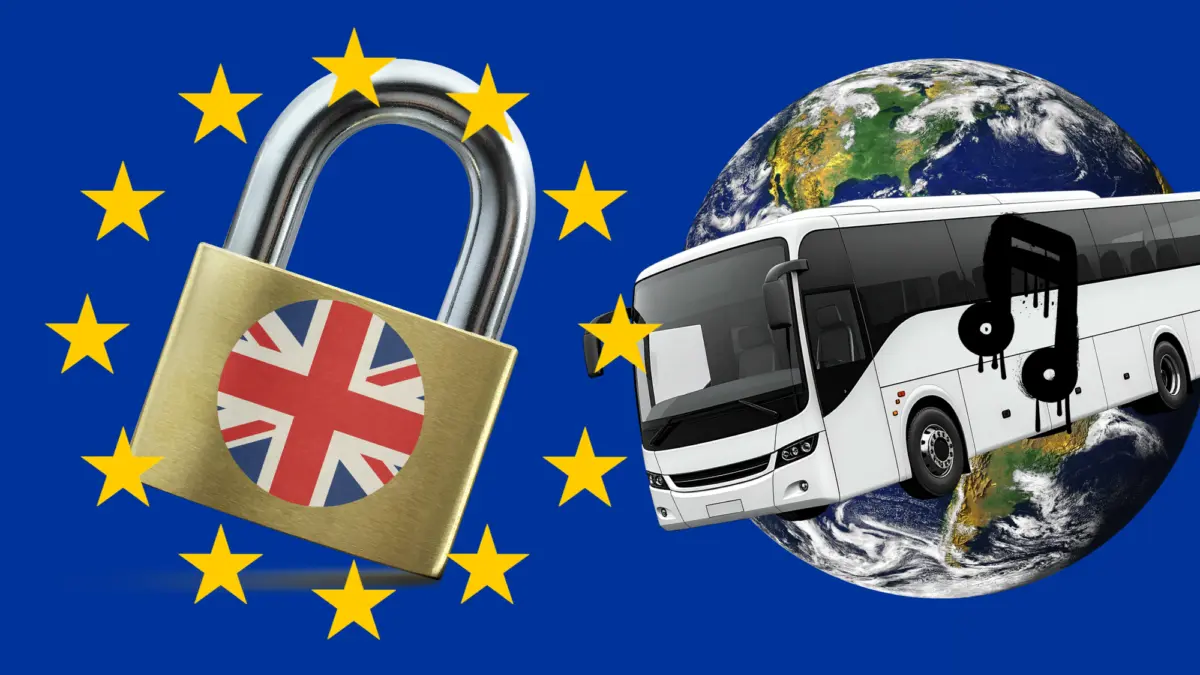
Years after the structural shifts of Brexit fundamentally altered the geopolitical and economic landscape of the United Kingdom and its closest continental neighbours, the continent’s cultural and creative sectors are mounting a renewed, high-stakes push for administrative reform. More than 300 leading cultural organisations across Europe—including powerhouse industry bodies such as UK Music, LIVE, and the Musicians’ Union—have formally united under the banner of the Cultural Exchange Coalition to issue a stark, uncompromising open letter.
Their collective demand is clear and urgent: UK Prime Minister Andy Burnham and European Union leaders must use the upcoming UK-EU Summit to break the protracted deadlock throttling the movement of artists, crews, and creative infrastructure between the UK and the EU.
The letter highlights a deteriorating reality for the creative economy. Describing culture as “Europe’s most powerful connector,” the signatories warn that current regulatory arrangements for touring and creative collaboration are actively weakening international ties. More critically, these post-Brexit bureaucratic hurdles are actively undermining a vital sector that traditionally delivers immense economic value, projects global soft power, and fosters shared cultural understanding.
As the summit approaches, the cultural industries are refusing to let the issue slip down the political agenda. They are demanding the establishment of a dedicated, structured EU-UK dialogue with a concrete pathway forward—moving past vague diplomatic platitudes to deliver tangible, practical solutions that can rescue Europe’s interconnected creative ecosystem from ongoing stagnation.
Detailed Chronology: From Referendum Realities to the 2026 Summit Deadlock
To understand the desperation fueling the latest intervention by the Cultural Exchange Coalition, one must trace the timeline of disruption and unfulfilled political promises that has defined the post-Brexit era for the arts.
The 2016 Watershed and the Immediate Aftermath
Nearly a decade has passed since the 2016 referendum set the UK on a path outside the European Union’s single market and customs union. While political debates raged over trade deals, agriculture, and finance, the creative industries—a crown jewel of the UK economy—faced an overnight transformation in how they operated. The loss of freedom of movement meant that artists, musicians, technicians, and their equipment could no longer flow freely across European borders.
The First UK-EU Summit (May 2025)
Hopes for a turning point spiked ahead of the inaugural UK-EU Summit held in May 2025. Across the music and wider cultural sectors, trade bodies and individual performers mobilized early, urging political leaders to seize the moment to overcome the glaring obstacles inhibiting European tours.
The pressure appeared to yield a diplomatic breakthrough. In the wake of the 2025 summit, officials published a sprawling nine-page “Common Understanding” document. Point fifteen of this text explicitly acknowledged the elephant in the room:
“The European Commission and the UK recognise the value of travel and cultural and artistic exchanges, including the activities of touring artists. They will continue their efforts to support travel and cultural exchange.”
The Reality of Inaction (Late 2025 – Present)
While the wording was warmly welcomed across the industry as a vital political signal, the months that followed revealed a stark vacuum of execution. According to the newly released open letter, “since then, there has been no dedicated formal dialogue nor tangible progress.” In practical terms, the diplomatic goodwill expressed in May 2025 failed to translate into single-permit touring rights, streamlined carnets, or reduced customs delays. For working artists, the status quo remained entirely unchanged.
The 2026 Summit as a Critical Junction
Now, looking toward the 2026 UK-EU Summit, the cultural sector is framing the upcoming talks as a definitive, critical window of opportunity. The open letter asserts that the summit must address the unintended structural consequences of Brexit once and for all, unlocking stifled opportunities for performers, crews, and audiences on both sides of the Channel.
Supporting Context & Metrics: The Cost of Bureaucracy
The frustration articulated by the 300+ cultural organisations is not rooted in abstract grievances; it is backed by hard, empirical data detailing the financial and operational toll of post-Brexit regulations.
The Regulatory Nightmare
Navigating post-Brexit Europe as a touring artist or crew member requires running a bureaucratic gauntlet. Key friction points include:
- Fragmented Visa and Permit Regimes: Different EU member states enforce wildly disparate rules regarding short-term business visits, work permits, and cultural exemptions. A tour spanning France, Germany, and Spain requires separate, highly complex administrative navigation for every jurisdiction.
- Customs and Carnet Complications: The transportation of instruments, lighting rigs, and merchandise now necessitates rigorous customs procedures, including ATA carnets, which add thousands of pounds in upfront costs and expose tours to severe border delays.
- Merchandise Tax Complexities: Varying local tax laws and VAT regulations regarding merchandise sales across EU states create immense accounting burdens, often rendering pop-up pop and indie merchandise sales financially unviable.
The Statistical Evidence
A landmark government-commissioned report published earlier this year laid bare the devastating economic impact of these hurdles:
- The Volume Drop: In 2024, the total number of performances by British artists in European venues plummeted by 21% compared to pre-Brexit baseline figures from 2019.
- Job and Value Losses: Between 2022 and 2024, the UK music industry and broader performing arts sectors suffered an estimated gross value added (GVA) loss of £208 million, alongside the loss of approximately 2,490 creative jobs.
- A Pan-European Crisis: The damage is not confined to the UK. When researchers analyzed metrics across twenty EU member states, the cumulative GVA loss resulting from post-Brexit touring friction for the UK and those European nations combined reached an astonishing £1.04 billion.
These numbers paint a clear picture: the barriers erected by Brexit have starved both British and European economies of cultural revenue, diminished audience access to international acts, and threatened the foundational pipeline of grassroots artist development.
Official Statements and Political Landscapes
Political Shifts and Manifesto Commitments
Ahead of the 2024 UK General Election, the Labour Party explicitly spotlighted “touring artists” within its manifesto pledge to repair trade and investment ties with the European Union by systematically tearing down unnecessary barriers to trade.
While individual UK government ministries retain the capacity to enact domestic support measures to cushion artists against bureaucratic blows, industry experts agree that a lasting cure requires deep, bilateral cooperation between London and Brussels.
The political climate surrounding these negotiations has shifted with the ascension of Andy Burnham to the Prime Ministership. Widely viewed as more pragmatic and candid about the structural damage inflicted by Brexit than his predecessor, Keir Starmer, Burnham’s administration has inspired cautious optimism within the creative sector. Hopes are rising that the current government may genuinely operationalize its manifesto promises. However, given the vast backlog of post-Brexit diplomatic dossiers awaiting attention, the creative industries remain anxious that their plight might be sidelined in broader geopolitical trade discussions.
The Voice of the Coalition
Organised by the newly formed Cultural Exchange Coalition—established last December to unify European creative lobbying efforts—the open letter makes precise, actionable demands of the upcoming summit.
The coalition insists that leaders must:
- Establish Structured Dialogue: Create a dedicated, formal EU-UK dialogue channel with a clear, time-bound pathway to unlock the full potential of bilateral cultural exchange.
- Deliver Practical Solutions: Implement workable exemptions and harmonised rules for the movement of touring professionals, their gear, and essential equipment.
- Restore Programme Cooperation: Secure the UK’s active cooperation and financial involvement in pivotal European funding and mobility frameworks, such as the Creative Europe programme, which historically underpinned international artistic partnerships and grassroots development.
Pan-European Solidarity
The weight of the open letter is amplified by the sheer breadth of its signatories. Beyond domestic heavyweights like the Musicians’ Union, UK Music, and LIVE, the coalition features powerful continental and international institutions. These include the European Music Exporters Exchange, the European Music Managers Alliance, and **Pearle***—the peak organisation representing the European live performance sector—alongside a vast constellation of regional trade groups, festivals, and cultural institutions spanning the continent.
Future Outlook: A Make-or-Break Moment for European Culture
As delegations prepare for the 2026 UK-EU Summit, the stakes could not be higher. For years, independent musicians, mid-tier touring bands, theatrical troupes, and behind-the-scenes technical crews have absorbed the costs of political separation. Many have simply stopped touring Europe altogether, citing prohibitive expenses and logistical nightmares that turn artistic ventures into financial suicide missions.
The open letter issued by the Cultural Exchange Coalition serves as both a warning and an invitation. It reminds political leaders that culture is not an expendable luxury, but an essential engine of economic growth, mutual understanding, and international influence.
If Prime Minister Andy Burnham and European Union leaders fail to move beyond vague commitments and establish a genuine, structured framework for touring mobility at next week’s summit, they risk presiding over the permanent institutionalisation of a cultural chasm. The music and creative industries have laid out their blueprint for recovery; now, the political will of Westminster and Brussels will determine whether Europe’s shared cultural stage can be successfully restored.