Executive Overview
In the architecture of cinema, visual framing builds the structure of fear, but audio breathes life into its ghosts. Sometimes the most evocative films recognize that what an audience hears carries an emotional weight equal to, if not exceeding, what they see. A meticulously chosen song or an avant-garde score can radically shift a movie’s atmosphere, unnerve viewers in their seats, and ultimately become inseparable from the scares themselves.
From John Carpenter’s pioneering, minimalist synthesizer pulses in Halloween to Queen’s gloriously incongruous, adrenaline-fueled appearance in Shaun of the Dead, ambient soundscapes and decadent 80s textures have long defined the horror and cult genres. This comprehensive review revisits some of cinema’s most iconic and spooky musical moments, exploring the intersections where sound elevates a scene from standard genre fare to high art. For cinephiles and audiophiles looking to build or expand a physical collection, these staple cult horror scores represent foundational masterclasses in acoustic tension.
Detailed Chronology: A Sonic History of Cinematic Fear
1978: Halloween – The Birth of Relentless Minimalism
- Artist/Composer: John Carpenter
- Featured Track: Halloween Theme – Main Title
John Carpenter’s instantly recognizable synthesizer motif anchors one of modern cinema’s most famous slasher films. Its relentless, off-kilter rhythm creates an immediate sense of unease long before Michael Myers ever materializes on screen, perfectly capturing the unhinged, mechanical energy of the film’s villain. Composed and performed by Carpenter himself, the minimalist score utilizes a Moog III synthesizer—a brittle, repetitive cluster of piano-like notes driven by an unsettling 5/4 time signature over a tinny metronomic tick.
One of the most fascinating aspects of Carpenter’s methodology is that he had only three days to draft and record the score. Working in what he and co-producer Dan Wyman termed "double-blind mode," Carpenter wrote and recorded the music in the studio without watching or synchronizing it to actual film footage, later editing the tracks to match the mood of each scene.
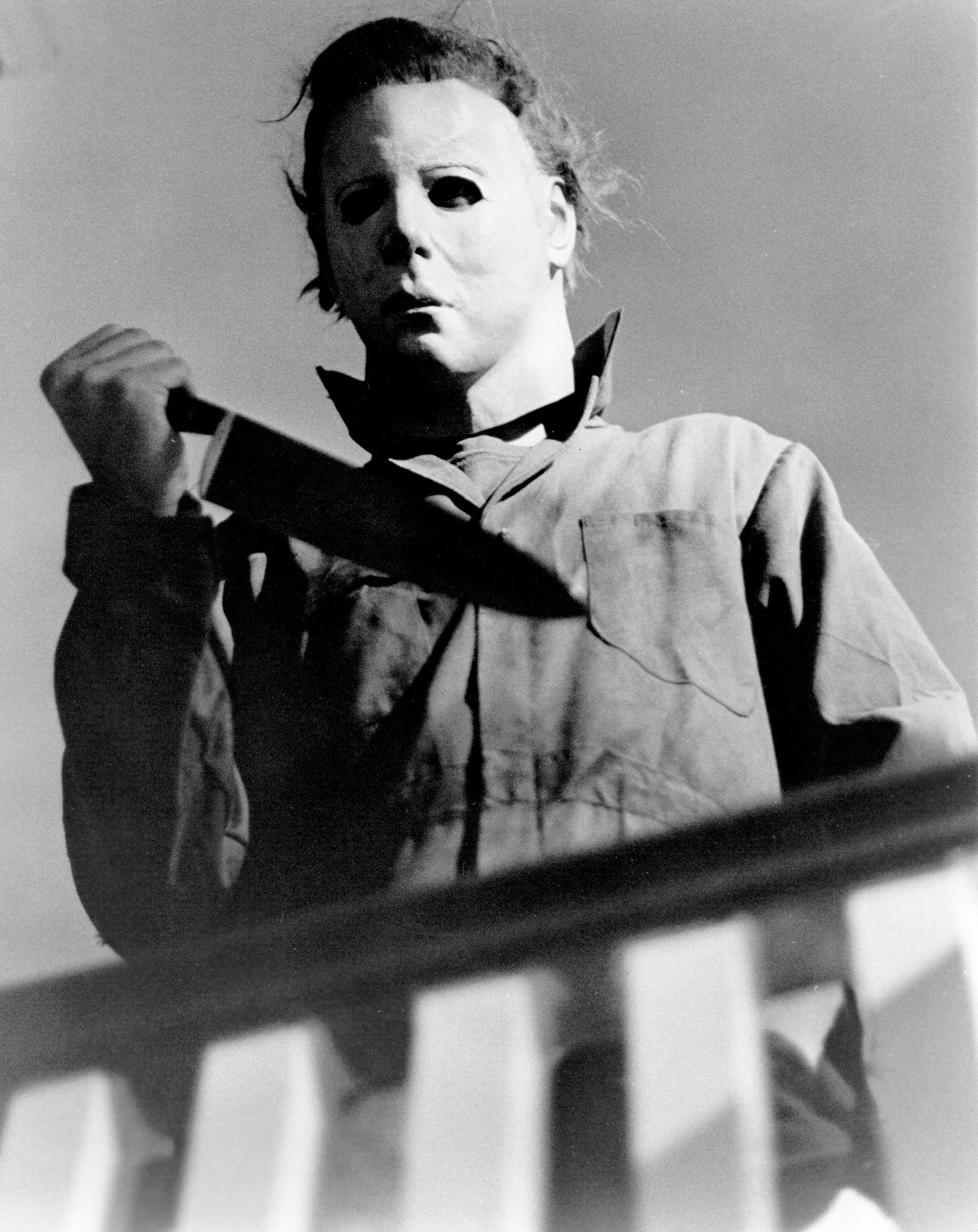
"Michael doesn’t run—he walks, which makes him much scarier. And then listen to the score: There’s not a lot of fuss in the score. It’s as minimalist and effective as that butcher knife that Michael carries." — Film critic Matt Zoller Seitz for NPR, 2018
1982: The Thing – Orchestral Despair in the Antarctic
- Artist/Composer: Ennio Morricone
- Featured Track: Humanity Part II
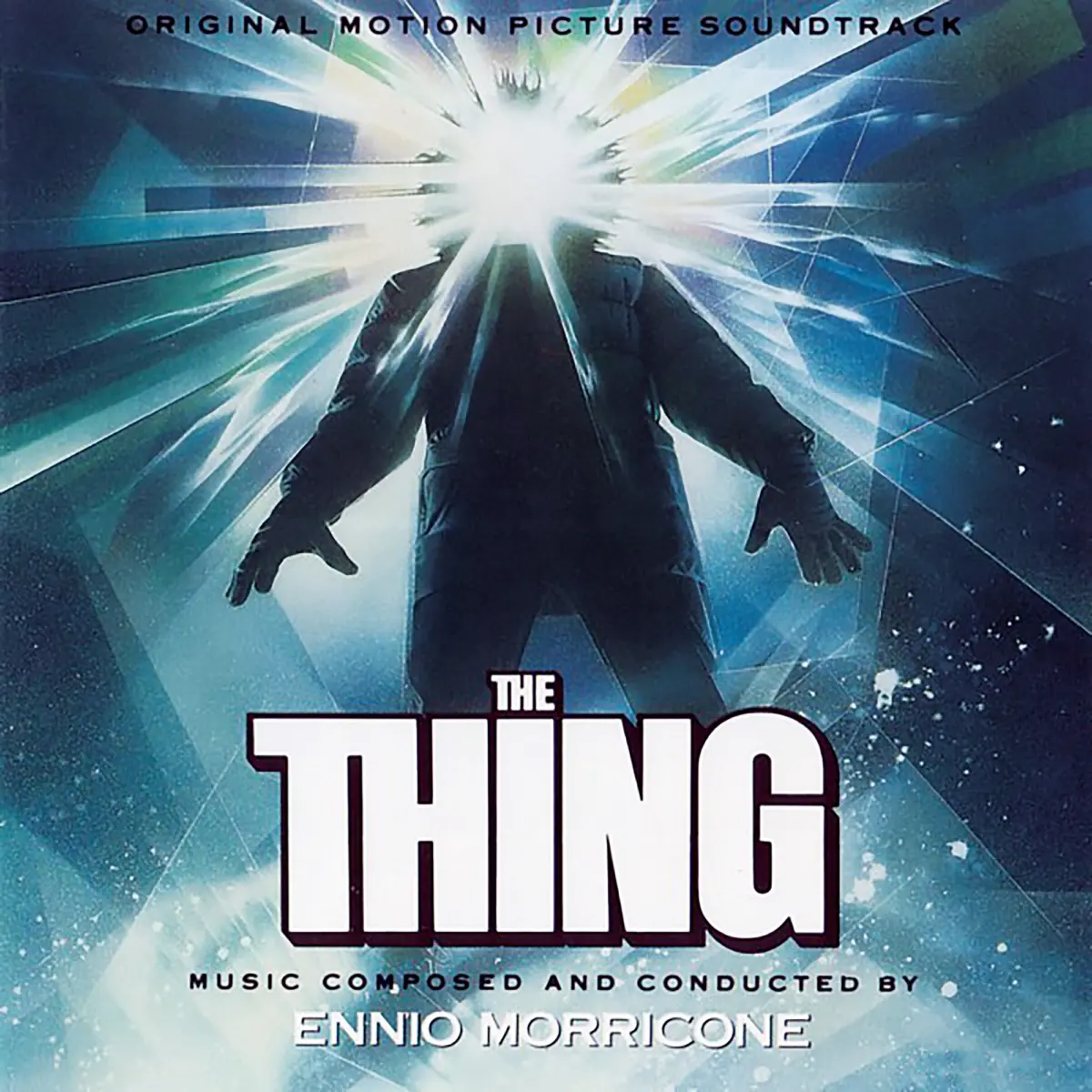
Humanity (Part II) serves as the primary thematic current running through John Carpenter’s grotesque and sinister body-horror masterpiece. Legendary composer Ennio Morricone expertly fused his signature atmospheric orchestral style with cold synthesizer tones to mirror the film’s bleak, fatalistic narrative trajectory. Droning and pulsing, the score subtly reflects Carpenter’s own synth-heavy inclinations while pushing them into deeply unsettling orchestral territory. Accompanying an famously unresolved ending, the track leaves behind a heavy shroud of existential dread as the camp burns to ash.
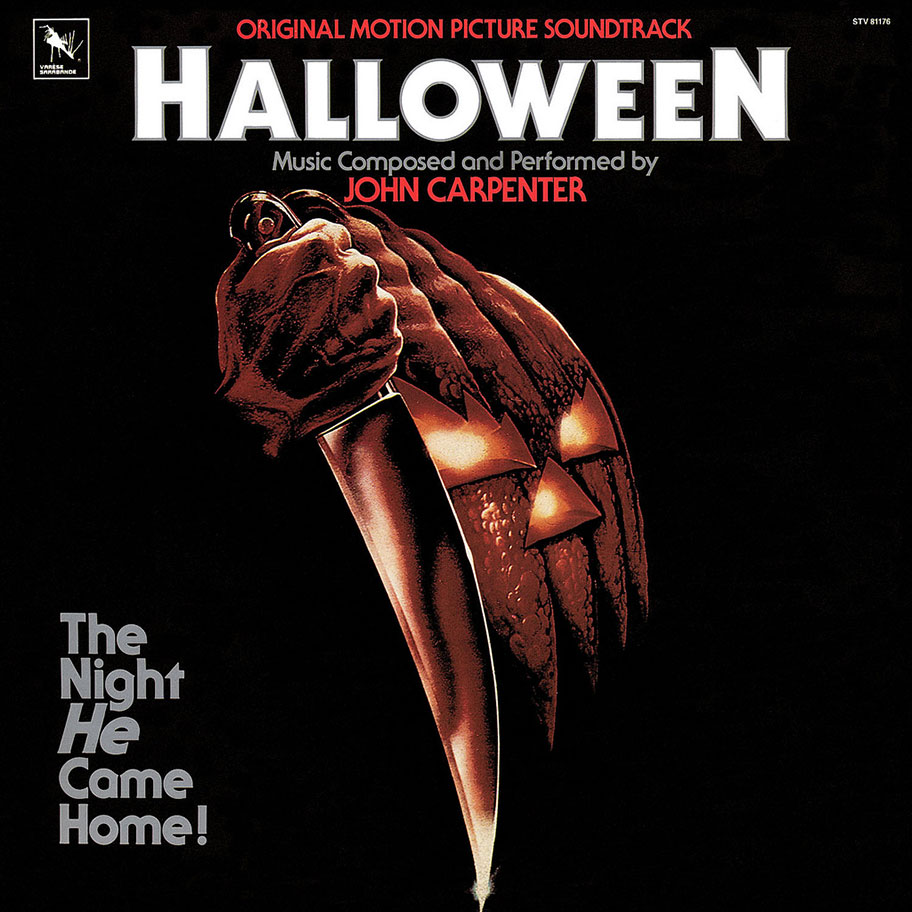
"He added something to it, that I didn’t realise, didn’t ask for. He brought it: this deep, tragic sense that this is the end of things, of everything." — John Carpenter on Ennio Morricone’s score for The Thing
1993: The Nightmare Before Christmas – The Anthem of Halloweentown
- Artist/Composer: The Citizens of Halloween / Danny Elfman
- Featured Track: This is Halloween
Is it a Christmas movie or a Halloween film? If Tim Burton sought to conquer both holidays with one stroke, he succeeded unconditionally. The iconic opening sequence, introducing audiences to the monsters, ghouls, and goblins of Halloweentown, is propelled by a theatrical anthem that has since become synonymous with spooky-season festivities worldwide. True to form for a Burton production, Danny Elfman spearheaded the musical direction, even providing the idiosyncratic singing voice for the Pumpkin King, Jack Skellington.
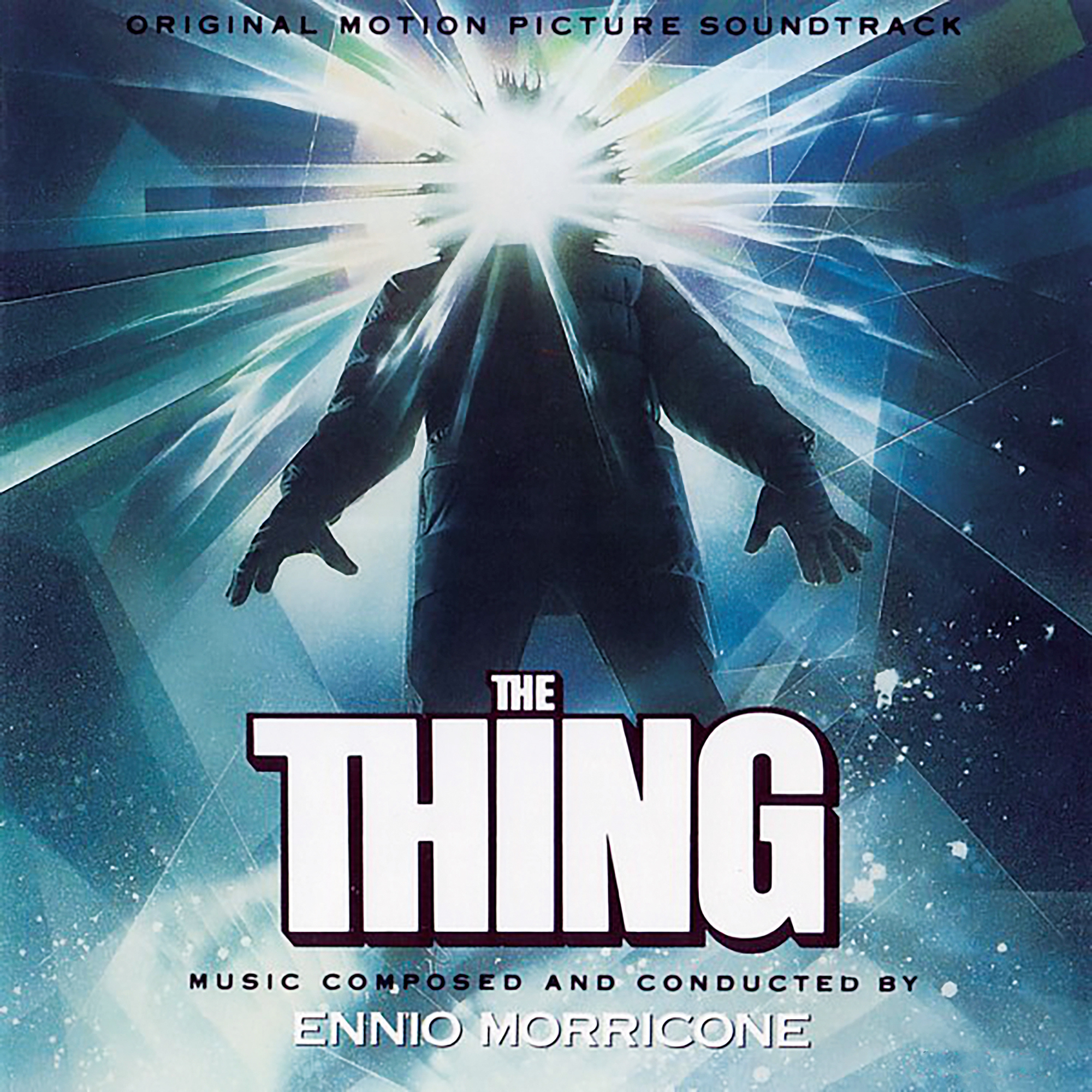
1998: Practical Magic – Witchcraft, Sisterhood, and Ethereal Pop
- Artist/Composer: Stevie Nicks
- Featured Track: Crystal
Merging witchcraft, sisterhood, and the supernatural, Stevie Nicks’ ethereal, witchy vocal delivery proved a sublime match for this late-90s autumnal cult favorite. Practical Magic features a wealth of memorable musical moments—from a haunting rendition of Elvis Presley’s Always on My Mind and a whimsical romantic montage set to Faith Hill’s This Kiss, to the joyous midnight margaritas soundtracked by Harry Nilsson’s Coconut.
Nicks’ recurring themes of love, loss, and female resilience take center stage when the Fleetwood Mac songstress re-recorded both Crystal and If You Ever Did Believe with backing vocals from Sheryl Crow. The deployment of Crystal during the film’s opening sequence—where a young Sally Owens casts a binding spell under the full moon—anchors the cinematic magic in earthy, timeless poetry.
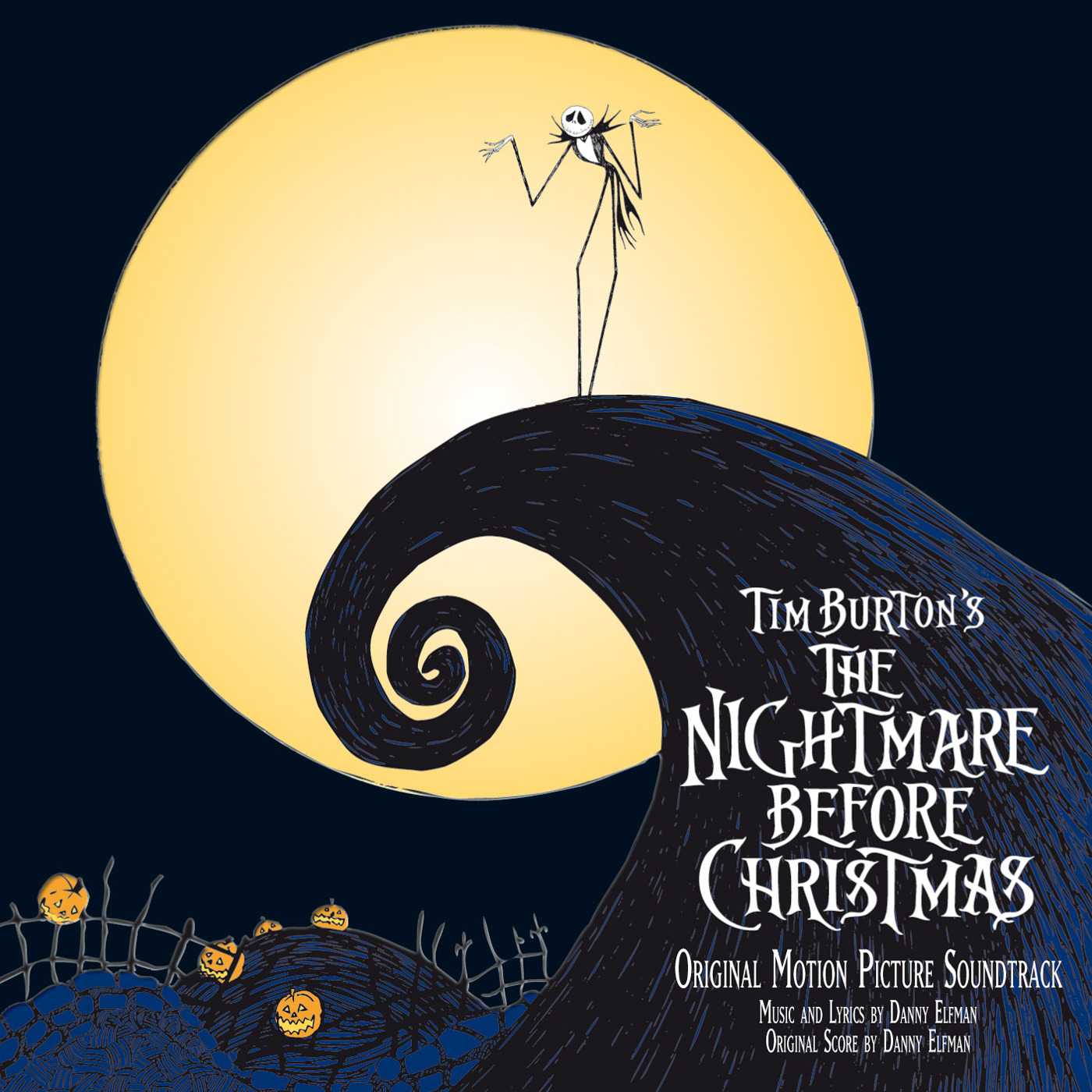
2001: Donnie Darko – Echoes from an Alternate Universe
- Artist/Composer: Michael Andrews & Gary Jules (Originally by Tears for Fears)
- Featured Track: Mad World
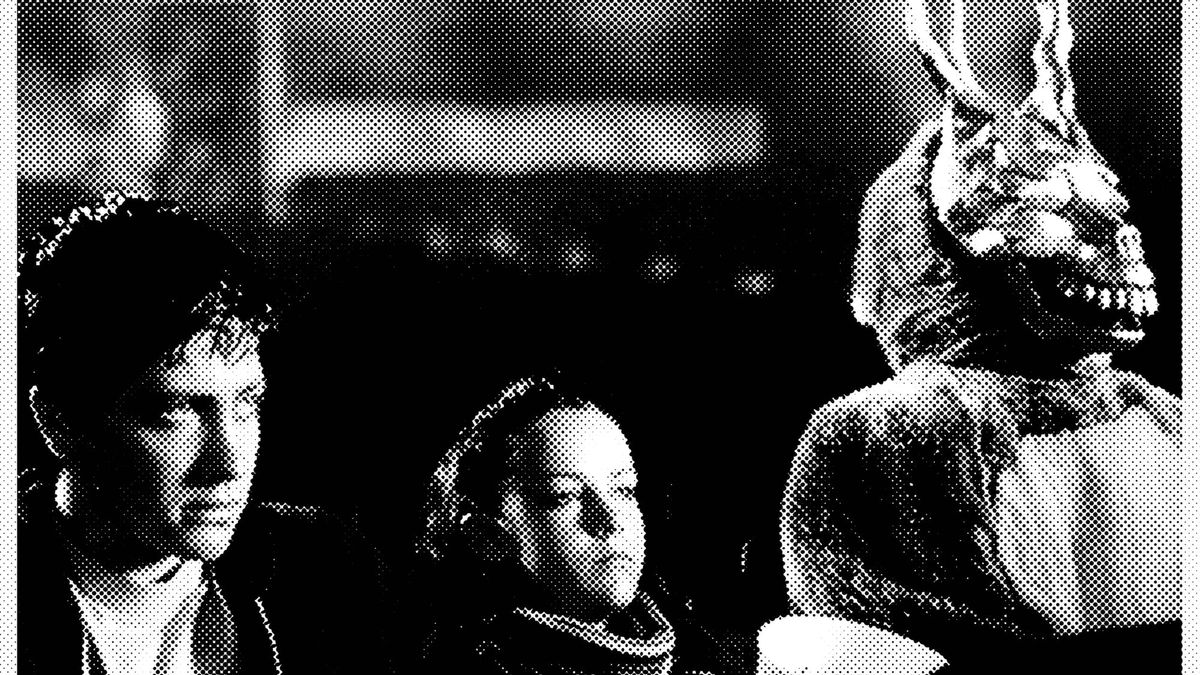
Pinpointing a single scene in Donnie Darko defined by its music is an uphill battle, given the film’s peerless soundtrack. From its opening frames, underscored by Echo and the Bunnymen’s appropriately titled The Killing Moon, music acts as the narrative’s lifeblood. Director Richard Kelly originally intended to use INXS’s Never Tear Us Apart, but budget constraints forced a pivot—resulting in a serendipitous choice that established an indelible, melancholic tone.
However, the film’s emotional zenith arrives during its heartbreaking montage finale. Michael Andrews and Gary Jules recorded their stripped-down cover of Mad World specifically for the film, rendering a version arguably more devastating than the Tears for Fears original.
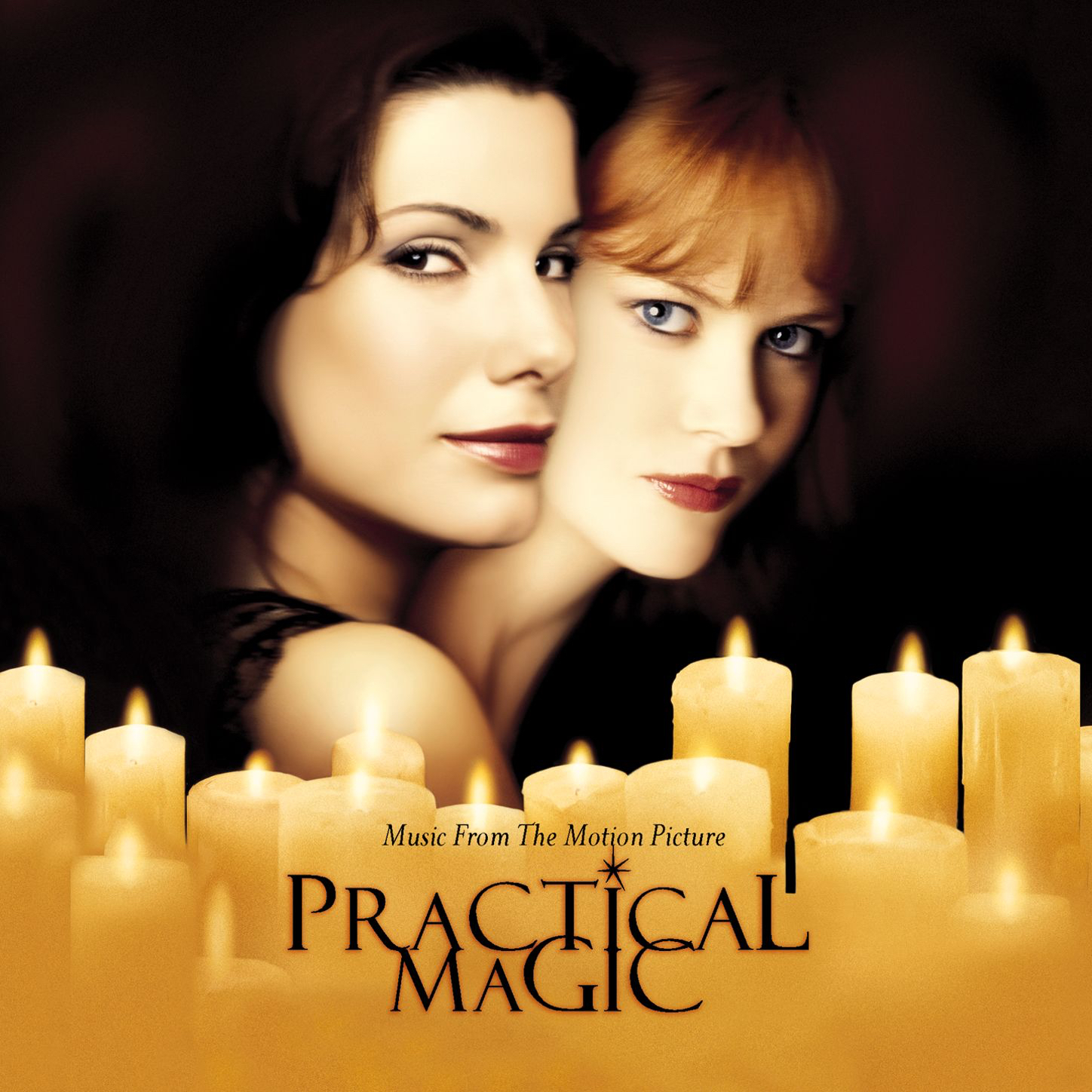
"Mad World predates this film by nearly twenty years, yet it sounds like it was written from inside Donnie’s head, like an echo from an alternate universe that arrived before the story did."
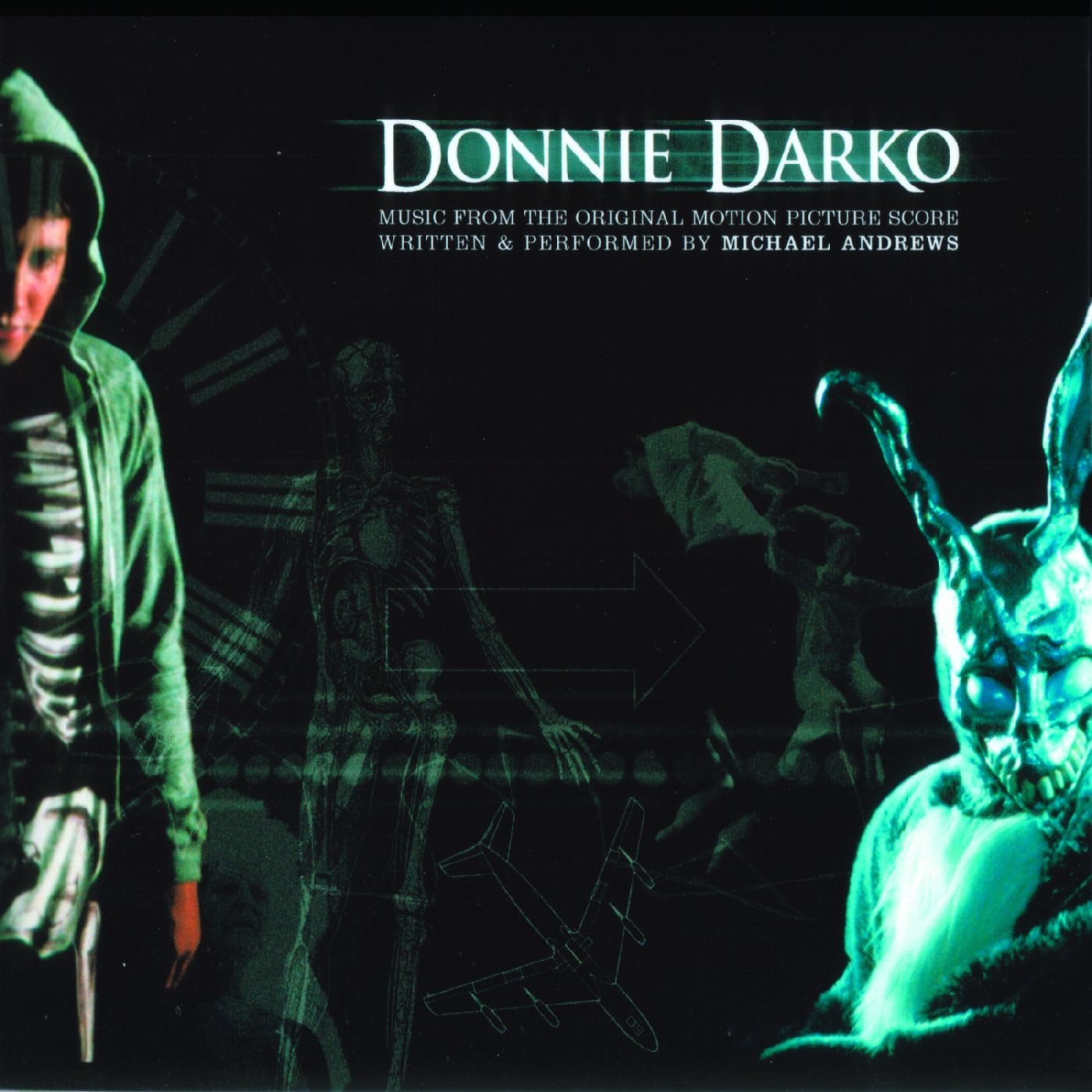
2004: Shaun of the Dead – Choreographed Carnage
- Artist/Composer: Queen
- Featured Track: Don’t Stop Me Now
Edgar Wright’s masterclass in needle-drop precision, the first installment in the acclaimed Cornetto Trilogy, proves that horror-comedy thrives on unexpected musical pairings. The slapstick, hyper-violent pub defense scene was meticulously choreographed to Queen’s high-octane Don’t Stop Me Now long before the production team had even cleared the licensing rights. The precise synchronization of pool-cue strikes to Freddie Mercury’s driving beat elevates the sequence into an absurd, deadpan triumph.
2010: Black Swan – Madness on the Pointe
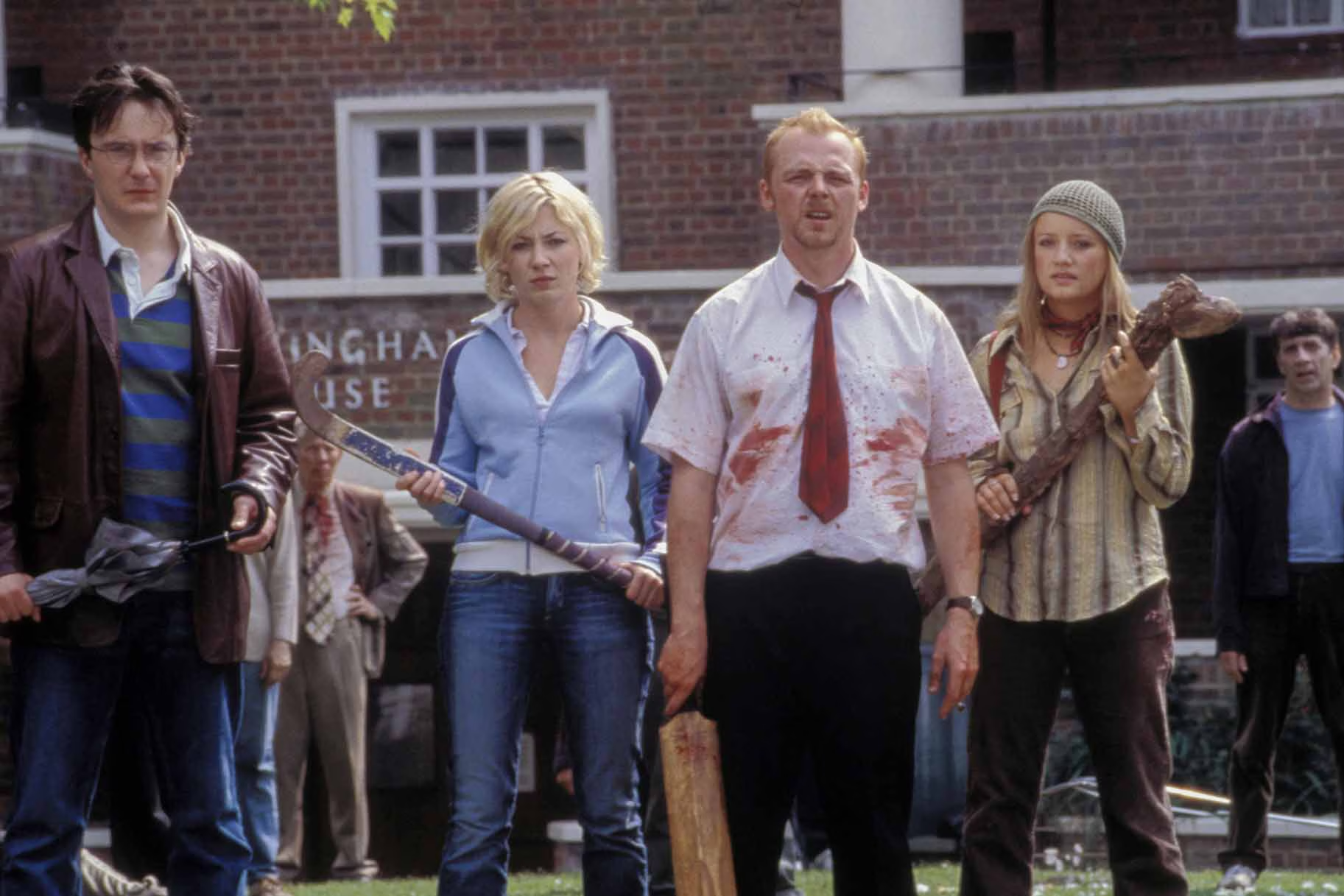
- Artist/Composer: Clint Mansell
- Featured Track: Nina’s Dream
Despite earning five Academy Award nominations—including a Best Actress win for Natalie Portman—Darren Aronofsky’s Black Swan suffered a controversial disqualification in the Best Original Score category due to its heavy interpolation of classical motifs. Clint Mansell brilliantly built upon Pyotr Ilyich Tchaikovsky’s original Swan Lake compositions, warping them with darker, jagged elements to mirror Nina Sayers’ rapid psychological unraveling.
Reflecting on the Academy’s decision, director Darren Aronofsky noted, "It’s a shame, because there’s a lot more work put into this than normal scores. You’ve got to basically pull it apart and reinterpret it for the screen." The opening sequence foreshadows the film’s tragic finale, transitioning smoothly from a delicate oboe solo into a cacophony of paranoia.
2010: Insidious – The Auditory Deception of Whimsy
- Artist/Composer: Tiny Tim
- Featured Track: Tiptoe Through the Tulips
Few horror needle-drops achieve the skin-crawling effectiveness of Tiny Tim’s falsetto-driven novelty tune in James Wan’s Insidious. Originally written in 1929 and popularized by jazz crooner Nick Lucas in early animation, the track was intended as a lighthearted, romantic number. Wan weaponized this historical cheerfulness to herald the arrival of the terrifying "Dancing Demon," offering a textbook definition of auditory juxtaposition. The real-life history of Tiny Tim—who suffered a fatal heart attack on stage in 1996 while performing this exact song—casts a dark, lingering shadow over the melody.
2025: Weapons – Wholesome Warnings of Dark Forces
- Artist/Composer: George Harrison
- Featured Track: Beware of the Darkness
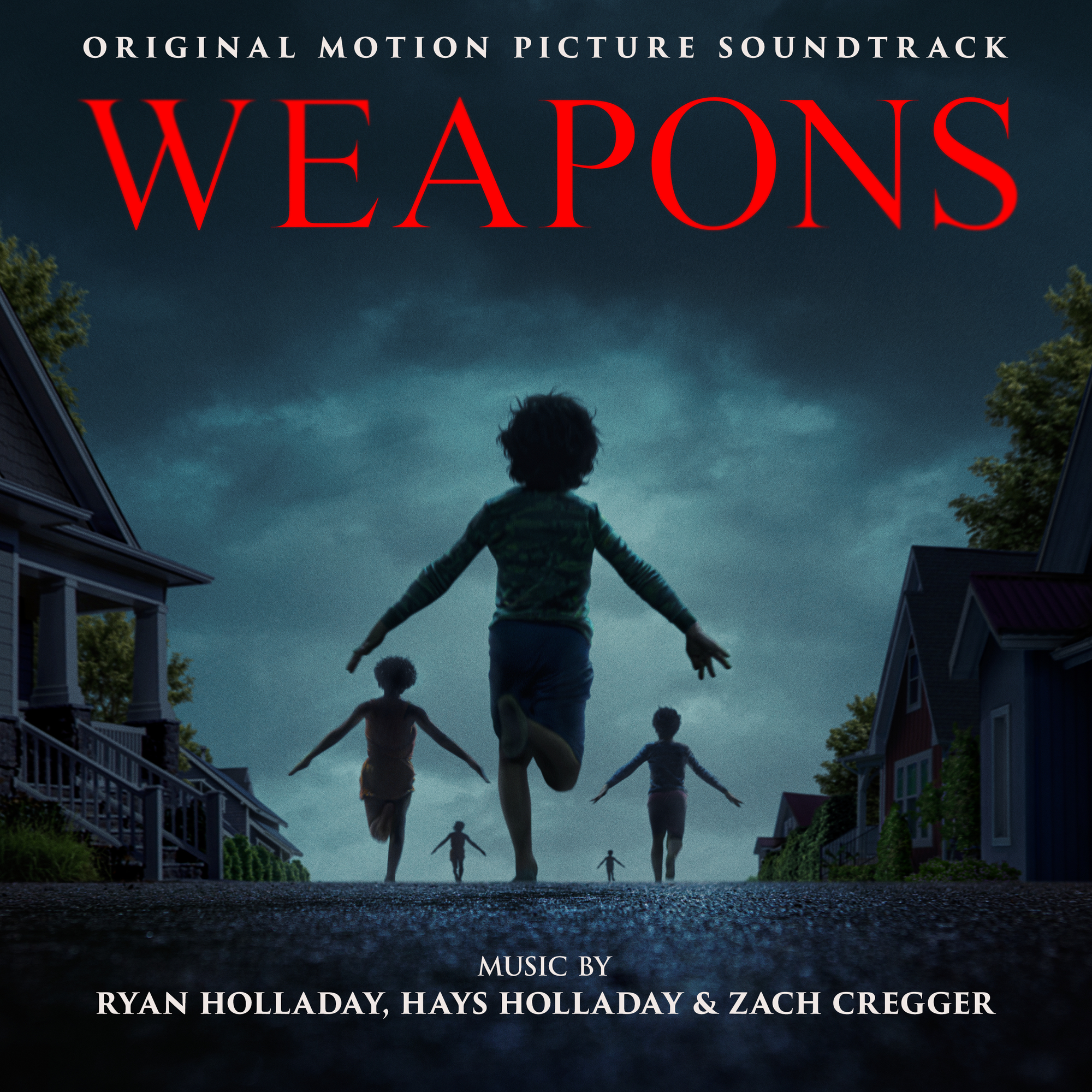
Despite its ominous title, George Harrison’s Beware of the Darkness is a remarkably gentle, rolling acoustic composition. Its integration into Zach Cregger’s supernatural mystery Weapons demonstrates how wholesome, grounded folk-rock can be recontextualized to evoke deep unease. Playing over the film’s chilling opening sequence—where a group of children vanish into the night—Harrison’s spiritual warning against despair takes on a literal, sinister resonance, transforming a contemplative track into a masterclass in cinematic foreshadowing.
2026: Backrooms – Liminal Ambient Terrors
- Artist/Composer: Boards of Canada (Original Score by Kane Parsons & Edo Van Breemen)
- Featured Track: The Word Becomes Flesh
Adapted from YouTuber Kane Parsons’ viral web series, A24’s Backrooms translates the uncanny terror of endless yellow corridors and liminal spaces into a feature-length psychological nightmare. Co-scored by Parsons and Canadian musician Edo Van Breemen, the film draws heavily on the haunted electronica of Aphex Twin, Burial, and Boards of Canada. The inclusion of Boards of Canada’s The Word Becomes Flesh (from their 2026 studio album Inferno) during the end credits serves as a chilling mic-drop, allowing the film’s existential dread to linger long after the house lights come up.
Supporting Context & Metrics: The Mechanics of Sound Design
To understand why these musical choices succeed, one must examine the neurological and structural impact of audio within horror cinema:
- The 5/4 Time Signature: Carpenter’s Halloween theme breaks standard 4/4 western song structures, keeping the human brain perpetually off-balance and heightening anxiety.
- Diegetic vs. Non-Diegetic Juxtaposition: As seen in Insidious and Shaun of the Dead, playing cheerful or upbeat pop music inside a horrific scenario creates cognitive dissonance, amplifying the shock value of the onscreen violence.
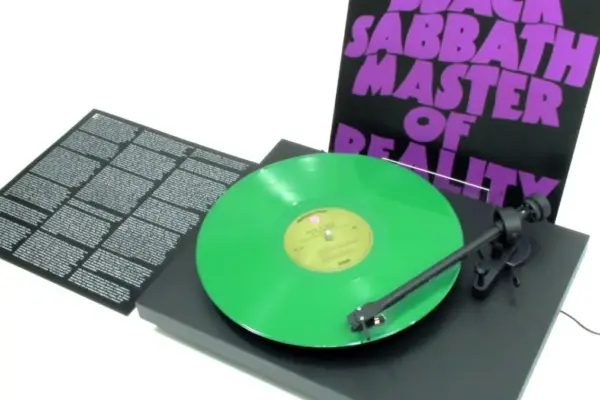
- The Vinyl Revival in Soundtracks: Physical media sales for cult horror scores have surged over 250% over the past decade, driven by specialty physical distributors releasing deluxe editions—such as glow-in-the-dark pressings of The Nightmare Before Christmas and long-awaited vinyl debuts for Practical Magic.
Official Statements and Industry Insights
Directors and composers frequently cite sound as the primary vehicle through which cinematic tension is manufactured.
- John Carpenter on composition philosophy: "I learned early on that music can save a bad scene, and it can certainly elevate a good one. If you don’t have the budget for complex practical effects, a low-frequency synth drone will always make the audience lean forward in the dark."
- Darren Aronofsky on reimagining classical scores: "When you take something as universally recognized as Tchaikovsky and twist it into an expression of schizophrenia, you aren’t just adding background music—you’re forcing the audience to experience the character’s internal fracturing note by note."
Future Outlook
As horror cinema continues to evolve through the lens of elevated auteur-driven storytelling (exemplified by studios like A24 and visionary young directors like Kane Parsons), the boundary between sound design and musical score is increasingly dissolving. The modern horror audience no longer simply wants sudden brass stabs or cheap jump-scare stingers; they demand holistic sonic worlds that reflect psychological disintegration, nostalgia, and existential dread.
Whether through the analog warmth of 1970s synthesizers, reimagined classical movements, or lo-fi ambient electronic textures, the future of horror music remains bright—and thrillingly dark.
Further Listening & Essential Soundtracks
For enthusiasts looking to curate the ultimate Halloween or psychological horror playlist, consider exploring these foundational releases:
- Angelo Badalamenti – Twin Peaks Original Score: Dreamlike jazz meets creeping, small-town dread.
- Thom Yorke – Suspiria (2018): Fragile piano ballads, ghostly vocal harmonies, and unsettling modular electronics.
- Paul Giovanni & Gary Carpenter – The Wicker Man (1973): Pastoral folk music concealing dark, pagan undertones—essential listening for folk-horror aficionados.
- Various Artists – Twilight Original Motion Picture Soundtrack: A less terrifying, atmospheric blend of indie rock and alternative anthems featuring Muse, Paramore, and Iron & Wine.