Executive Overview
In the grand tradition of musical retrospectives, few exercises are as revealing as examining the foundational records that shaped a practicing artist. For acclaimed British singer-songwriter Claire Hamill—whose career spans decades, prestigious collaborations, and critically praised releases like the recent A House Among The Trees with the Claire Hamill Band—the journey back through her personal record collection is more than a nostalgic trip down memory lane. It is a profound archaeological dig into the harmonies, heartbreaks, and serendipitous encounters that forged her artistic identity.
From early childhood harmonies echoing in a family home to chance encounters with rock royalty in London and Los Angeles, Hamill’s musical education was written across the grooves of 7-inch singles, classic LPs, and compact discs. In this exclusive retrospective, curated by journalist Michael Heatley, Hamill opens up her vault of memories, attaching emotional, financial, and historical valuations to 10 defining tracks. Her narrative weaves a tapestry of postwar British life, the trials of working-class family survival, the intoxicating buzz of the 1970s and 1980s music scenes, and the enduring power of a well-crafted melody.
Detailed Chronology: A Musical Evolution Through Ten Records
Hamill’s sonic trajectory unfolds as a chronological timeline, reflecting both her personal maturation and the shifting tides of popular music from the early 1960s to the mid-1990s.
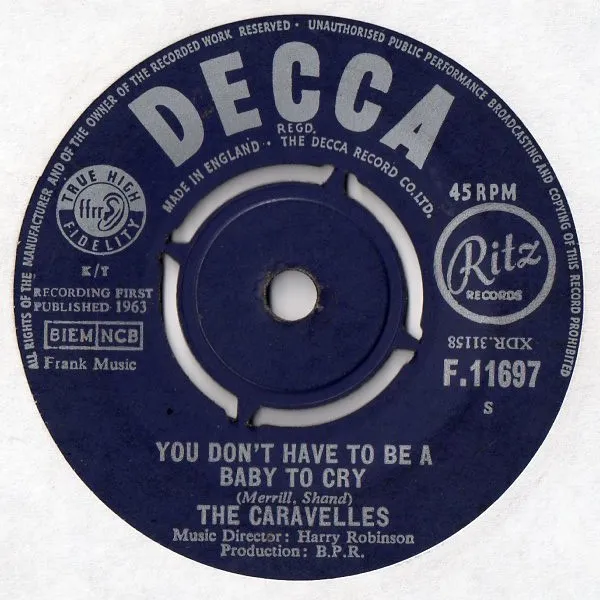
1. The Formative Harmonies: The Caravelles – "You Don’t Have To Be A Baby To Cry" (1963)
- Label/Format: Decca (F 11697), 7" Single, UK
- Market Value: £5
The journey begins in 1963 with the sweet, melancholic strains of The Caravelles. For a young Hamill, listening to her mother and Auntie Josie blend their voices in harmony was the ultimate catalyst. "Listening to people singing in harmony set me on my journey," she reflects.
Shortly after, her family relocated to Teesside when she was 12, where her parents opened a local coffee bar—a rarity that served as a cultural hub for a 30-mile radius, complete with a prized jukebox and a Coca-Cola machine. While other tunes filled the air, this early exposure to vocal interplay laid the foundational bedrock for Hamill’s musicality.
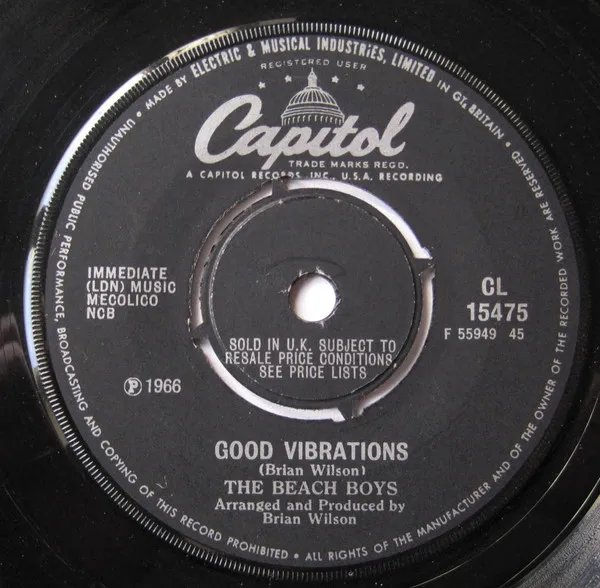
2. The Orchestral Leap: The Beach Boys – "Good Vibrations" (1966)
- Label/Format: Capitol (CL 15475), 7" Single, UK
- Market Value: £8
By 1966, pop music was expanding its outer limits, and so was Hamill’s ear. Hearing The Beach Boys’ masterpiece "Good Vibrations" was a watershed moment. "That was when I heard harmony go into another dimension," she notes. The track’s shifting arrangements and orchestral grandeur provided a massive step forward in her musical education. This wasn’t her family’s first brush with Brian Wilson’s genius, however; "Sloop John B" was a mandatory singalong staple at every family gathering due to its accessible cadence, paving the way for the mind-blowing ambition of "Good Vibrations."
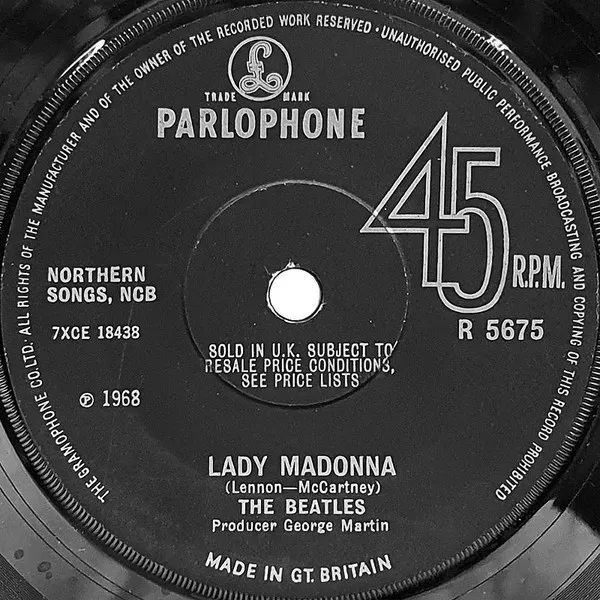
3. Resilience and Recognition: The Beatles – "Lady Madonna" (1968)
- Label/Format: Parlophone (R 5675), 7" Single, UK
- Market Value: £60
Life took a challenging turn when Hamill’s parents separated, forcing her mother—formerly an ICI typist—to retrain and re-enter the workforce to support the family. Hamill immediately connected this fierce resilience to The Beatles’ 1968 hit, viewing her mother as a real-life "Lady Madonna."
The Fab Four loomed large in her development. "Eleanor Rigby" became one of the first songs she mastered on guitar and vocals. A quintessential teenage memory involves holidaying in Whitby with a neighborhood friend whose father played guitar. Invited down to a local pub to perform, a teenage Hamill stepped up, delivered a rendition of "Eleanor Rigby," and won over the room, cementing her confidence as a performer.
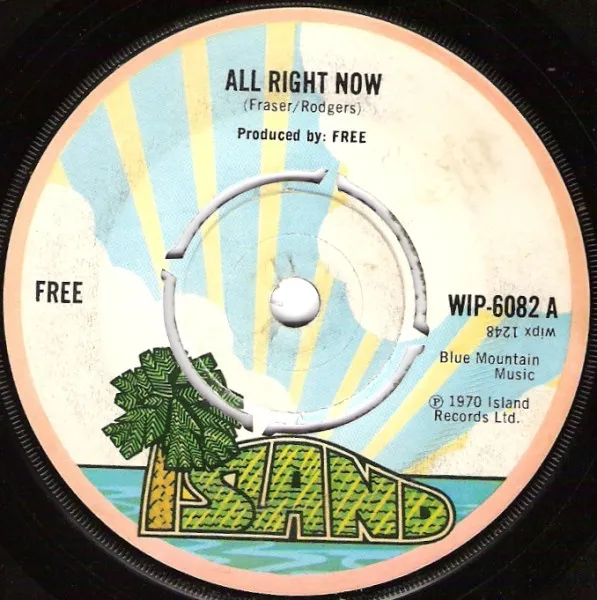
4. Hometown Heroes and Tragic Icons: Free – "All Right Now" (1970)
- Label/Format: Island (WIP 6082), 7" Single, UK
- Market Value: £5
As the 1970s dawned, hard rock and blues-infused folk captured the zeitgeist of British youth. Free were undisputed gods to Hamill and her schoolmates. Adding a layer of local pride, powerhouse vocalist Paul Rodgers hailed from Middlesbrough. Hamill vividly recalls the frenzy at her convent school when girls would storm the top floor just for a glimpse of Rodgers’ mother walking down the road.
By age 17, Hamill found herself in London, rubbing shoulders with guitarist Paul Kossoff at Island Records’ legendary Basing Street studios. What could have been an intimidating brush with fame turned into quiet afternoon tea and casual chats between peers. Reflecting on Kossoff, Hamill offers a poignant observation: "Fame, it’s a terrible thing for young people sometimes…"—a foreshadowing of the tragic fragility often hidden behind rock-and-roll stardom.
5. Finding Her Voice: Judy Collins – "Both Sides, Now" (1970)
- Label/Format: Elektra (EKSN 45043), 7" Single, UK
- Market Value: £5
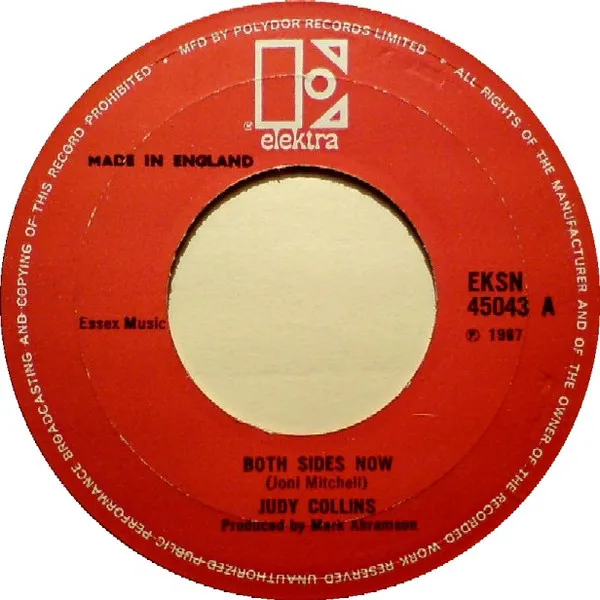
The man who had initially invited Hamill to sing in the Whitby pub eventually became her mother’s long-term partner. Blessed with an exceptional record collection, he introduced Hamill to the work of Joni Mitchell by way of Judy Collins’ rendition of "Both Sides, Now."
The realization that Mitchell—rather than traditional, folk-heavy stylists like Sandy Denny—was the blueprint for her own songwriting aspirations was an epiphany. "I just went, Now I know who I am: I’m like Joni Mitchell, because I write songs as well," she shares. Years later, that circle closed when she was formally introduced to Mitchell in David Geffen’s Los Angeles office—an unforgettable milestone.
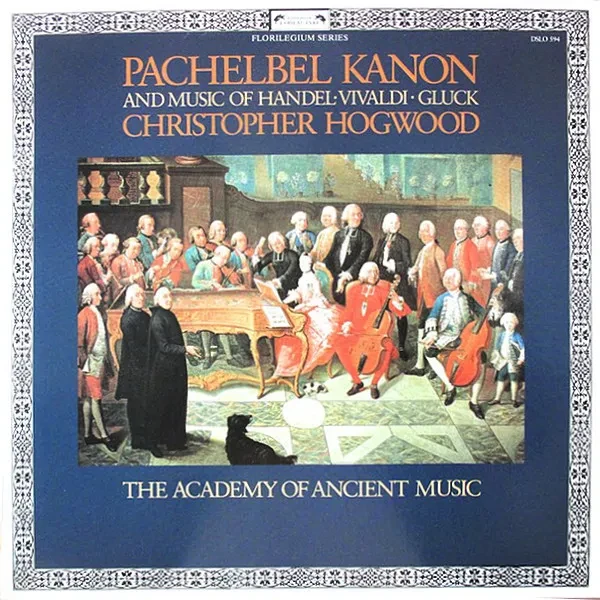
6. Classical Crossovers and Avian Video: Academy of Ancient Music – Pachelbel’s Canon in D (1981)
- Label/Format: L’Oiseau Lyre (DSLO 594), LP, UK
- Market Value: £10
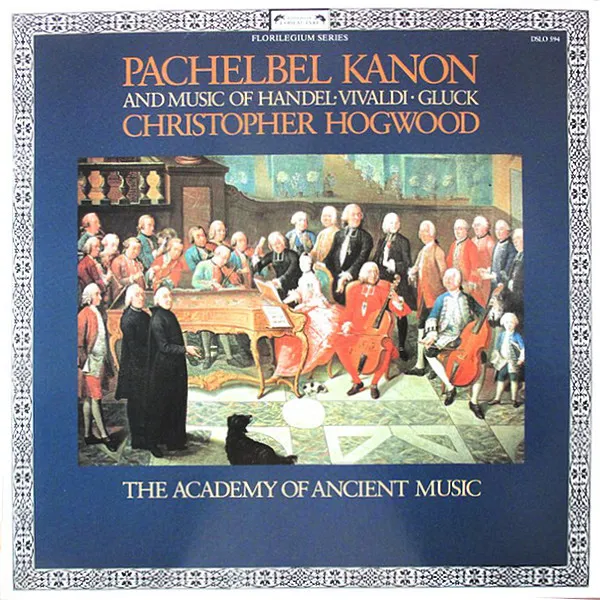
Entering the 1980s, Hamill’s career intersected with television and new-age orchestration. Her then-husband, Nick Austin, launched a satellite television channel dedicated to classical and new-age music, broadcast during the early morning hours on Channel 4.
Michael Appleton, a former producer for The Old Grey Whistle Test, edited a memorable video featuring Emperor penguins marching precisely in time to Pachelbel’s Canon in D, prompting Austin to commission Hamill to write a song around it. While the resulting track achieved considerable popularity, the BBC proved humorously utilitarian when inviting her onto the Saturday morning children’s show Going Live: "No, we don’t want Claire, we just want the penguins."
7. Breathless Innovation and John Peel: Laurie Anderson – "O Superman" (1981)
- Label/Format: Warner Bros (K 17870), 7" Single, UK
- Market Value: £5
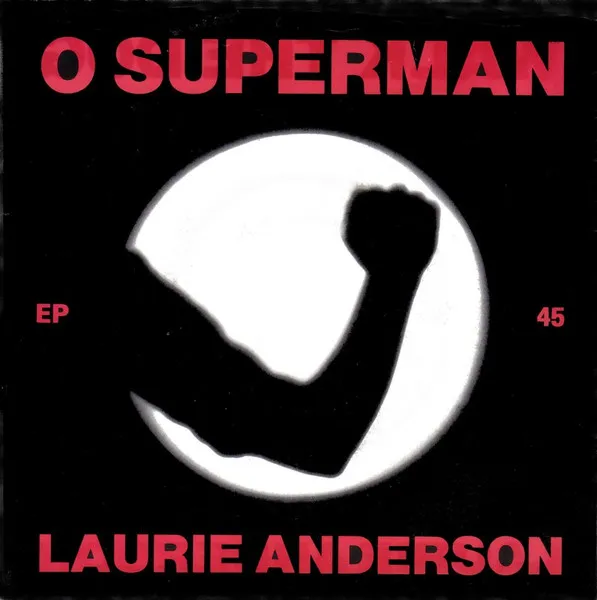
Laurie Anderson’s avant-garde opus "O Superman" left an indelible mark on Hamill, who unashamedly borrowed its signature breathy vocal styling for her own composition, "The Moon Is A Powerful Lover."
First encountered via John Peel’s legendary BBC Radio 1 show, Anderson’s minimalist brilliance epitomized the adventurous spirit of early ’80s broadcasting. Hamill’s connection to Peel extended beyond the radio dial; she recalls a witty reprimand from the champion of underground music at a London industry party: "Claire Hamill, you’ve been to too many of these parties lately; you’re a bit of a ligger, aren’t you?" Despite the teasing, Hamill remembers Peel with profound fondness.
8. Ethereal Elegance: This Mortal Coil – "Song to the Siren" (1983)
- Label/Format: 4AD (AD 310), 7" Single, UK
- Market Value: £15
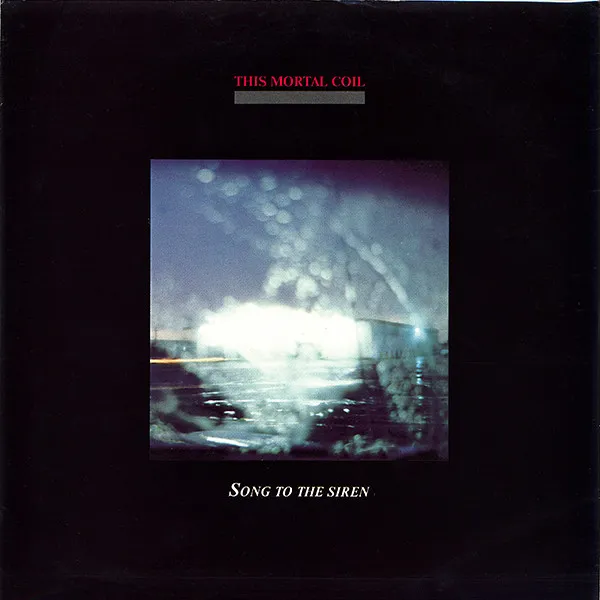
Elizabeth Fraser’s breathtaking vocal delivery on This Mortal Coil’s definitive cover of Tim Buckley’s "Song to the Siren" remains a high-water mark of British alternative music for Hamill.
This record also holds a bittersweet personal resonance. Hamill met Tim Buckley himself in Denver, Colorado, in 1974 while performing at a local club. Impressed by her set, Buckley struck up a friendship with the young artist. Like Paul Kossoff, Buckley’s untimely death represents what Hamill views as a tragic loss of transcendent creative force.
9. Copyright Clashes: John Williams – Rodrigo’s Concierto de Aranjuez (1984)
- Label/Format: Sony Classical (SK 37848), CD, UK
- Market Value: £5
Hamill’s artistic ambitions frequently crossed classical boundaries. Having written lyrics and a contemporary beat around Rodrigo’s iconic Concierto de Aranjuez, she sought to officially record her modern interpretation.
This endeavor led to an administrative hurdle familiar to many songwriters: copyright law. Hamill penned a polite, admiring letter to Joaquín Rodrigo’s daughter, the owner of the composition’s rights, requesting permission to record her lyrical adaptation. The response was swift and definitive: "Absolutely not!" Despite the rejection, the piece remains a cornerstone of her private musical appreciation.
10. The Late Bloomer: Seal – "A Kiss From A Rose" (1994)
- Label/Format: ZTT (ZANG 52CD1), CD, UK
- Market Value: £5
Ironically, despite a lifetime immersed in the inner workings of the music industry, the first record Hamill ever purchased with her own money arrived relatively late. Growing up on a strict 50p-a-week pocket money allowance in a household without a record player, she relied on radio broadcasts and, later, complimentary promotional copies handed out once she entered the business.
It wasn’t until 1994 that she voluntarily walked into a shop to buy Seal’s blockbuster hit. She remains captivated by its structural ingenuity: "I love the way it changes before it goes into the chorus, the pre-chorus; surprising for a pop song, but really good. Lovely arrangement, lovely voice, lovely production."
Supporting Context & Metrics: Evaluating the Vinyl Vault
For collectors and enthusiasts, tracing an artist’s personal archive offers a fascinating glimpse into the secondary market valuation of these milestone releases. While the sentimental value of Hamill’s collection is immeasurable, the current physical media market reflects a healthy appetite for these specific UK pressings:
- Entry-Level Grails (£5 range): Classic staples such as The Caravelles’ You Don’t Have To Be A Baby To Cry, Free’s All Right Now, Judy Collins’ Both Sides, Now, Laurie Anderson’s O Superman, John Williams’ Concierto de Aranjuez, and Seal’s A Kiss From A Rose remain widely accessible to collectors, generally commanding around £5 in VG+ condition.
- Mid-Tier Investments (£8–£15 range): The Beach Boys’ groundbreaking Good Vibrations commands approximately £8, while This Mortal Coil’s 4AD classic Song to the Siren edges higher at £15 due to the enduring cult status of the 4AD catalog.
- The Premium Piece (£60): The standout financial item in Hamill’s curated list is Parlophone’s original UK pressing of The Beatles’ Lady Madonna (1968), valued at £60. Its status as a transitional late-60s single for the band keeps demand consistently high among collectors.
Future Outlook
As Claire Hamill continues to bridge her rich historical legacy with contemporary creation, her recent artistic output proves that her ear for arrangement and storytelling remains as sharp as ever. Her latest project, A House Among The Trees with the Claire Hamill Band, is available now via Archway Ocean, showcasing an artist who has spent a lifetime absorbing the finest elements of vocal harmony, classical composition, and folk-pop craftsmanship.
Fans and music historians eager to experience her enduring stage presence can catch the Claire Hamill Band performing live this September at the upcoming Nene Valley Rock Festival. As she looks forward—while maintaining a deep reverence for the records that built her—Hamill stands as a living testament to the transformative power of song, a journey that began with family harmonies in a postwar British home and continues to resonate across the global musical landscape.