Changing the Narrative: Inside the Fight for Suicide Prevention and the Healing Power of Music
Executive Overview
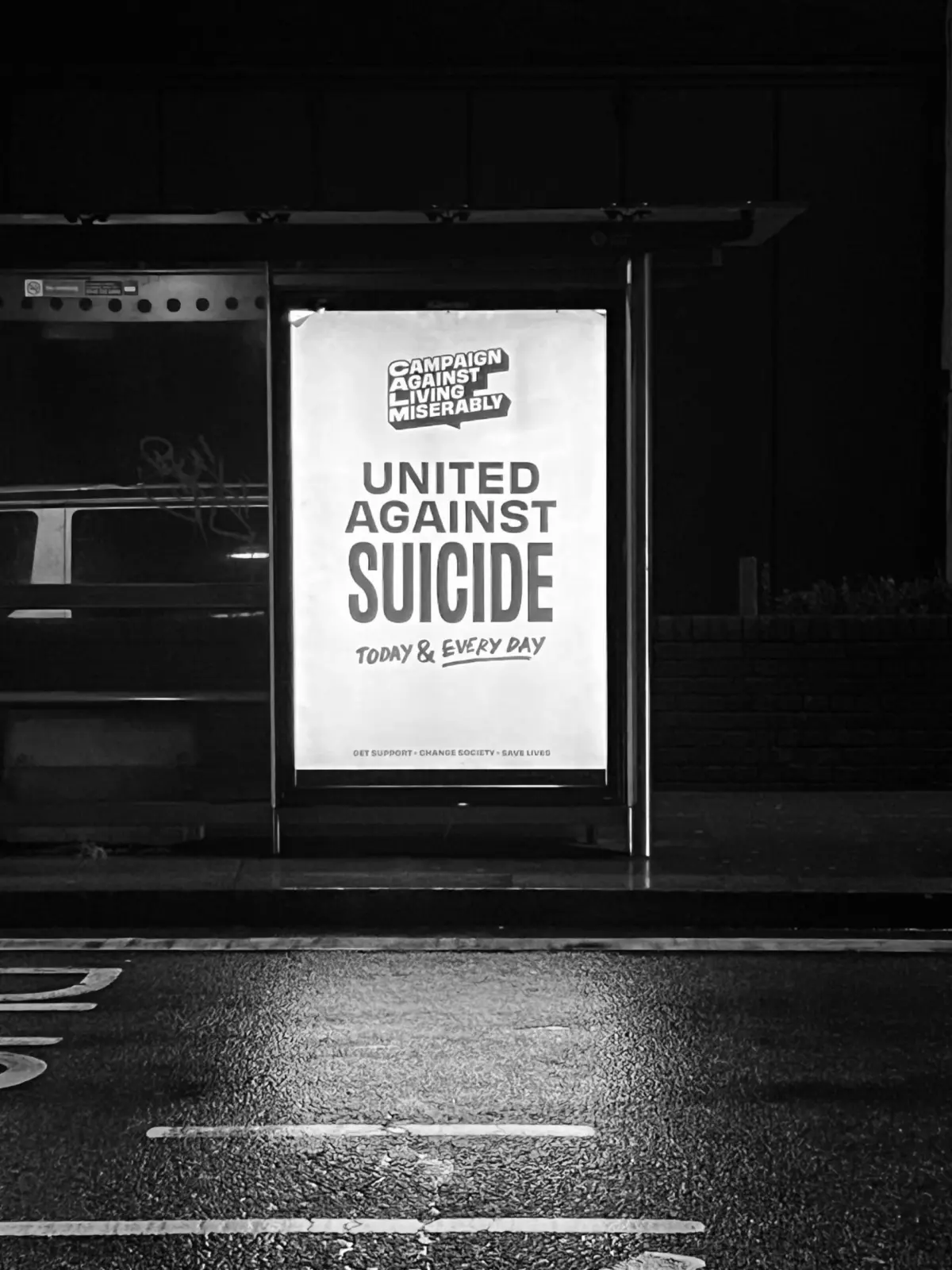
Every year on September 10th, the global community observes World Suicide Prevention Day, uniting to raise awareness, dismantle deep-seated social stigmas, and reinforce a singular, life-affirming truth: suicide is preventable. The focal theme for the 2026 campaign—Changing the Narrative on Suicide—issues a direct call to action. It urges individuals, communities, and institutions to discard outdated taboos, foster open and compassionate conversations, and actively build environments where vulnerable people feel empowered to seek help.
At the intersection of culture and mental health advocacy, iconic independent music retailer Rough Trade has long championed the idea that music offers more than just entertainment; it provides connection, catharsis, community, and, in moments of profound despair, a literal lifeline. This philosophy forms the bedrock of Rough Trade’s ongoing partnership with the Campaign Against Living Miserably (CALM), a leading suicide-prevention charity dedicated to changing public discourse around mental health and providing life-saving support. Leveraging its physical stores, digital platforms, and expansive music community, Rough Trade works tirelessly to amplify CALM’s mission: ensuring that no one has to navigate their darkest moments alone.
To mark World Suicide Prevention Day, we sat down exclusively with CALM Chief Executive Officer Simon Gunning to discuss the state of public health, the hidden pressures weighing on young people and creative professionals, the therapeutic power of music, and the collective responsibility we all share to "reach in" when someone we love is struggling.
Detailed Chronology & Background
While public conversations surrounding mental health have evolved significantly over the past decade, the trajectory of suicide prevention tells a more complex story. Understanding how we arrived at the current public health landscape requires examining the milestones of advocacy, the persistence of systemic stigma, and the changing ways in which communities engage with psychological distress.
The Evolution of Mental Health Discourse
For generations, psychological struggles were treated as private burdens, locked away behind closed doors and social censure. Over the last ten years, grassroots campaigns, public figures, and dedicated charities like CALM have successfully shifted cultural norms, making it far more acceptable for individuals across wide swathes of society to speak openly about anxiety, depression, and stress.
However, Gunning points out a critical disconnect in this cultural progress. While general mental health awareness has improved, the specific, acute topic of suicide remains heavily stigmatized.
"Where we haven’t seen progress, however, is in suicide prevention," Gunning notes. "The whole area of suicide and its prevention is shrouded in stigma and shame, and that is the fundamental change we need to make."
Shifting Cultural Norms and the Need for Proactive Intervention
Historically, society has waited for individuals in crisis to raise their hands and ask for help. CALM argues that this model is fundamentally flawed, particularly given the overwhelming nature of acute psychological pain. Shifting the narrative requires transforming suicide prevention from a reactive medical response into a shared social behavior—an instinctive community practice where people voluntarily check in on one another, much like looking out for physical safety.
This chronology of awareness has driven the development of practical tools, such as CALM’s Conversation Coach and the C.A.R.E. Kit, designed to equip everyday citizens with the confidence to initiate difficult dialogues without fear of saying the wrong thing.
Supporting Context & Metrics
The urgency of this mission is underscored by stark, sobering statistics that reveal the true scale of the crisis in the United Kingdom and beyond.
The Statistical Reality
The Toll: According to CALM’s research data, an estimated 125 people die by suicide every week in the UK, totaling roughly 6,500 deaths annually.
Demographics: Suicide remains the single biggest killer of men under the age of 50. Furthermore, recent epidemiological data highlights a steep, alarming rise in suicide rates among young women under the age of 24.
Prevalence of Ideation: Research indicates that roughly 1 in 4 people will experience suicidal thoughts during their lifetime, and approximately 1 in 3 adults in the UK will attempt to take their own life.
Gunning emphasizes the humanity behind these numbers: "These aren’t other people; they’re our mums, our dads, our brothers, our sisters, our loved ones, our colleagues, and our mates."
Misconceptions Surrounding Seasonal Mental Health
A common public assumption is that suicide rates peak during the bleak, dark winter months when daylight is scarce. However, statistical data consistently points toward a concerning spike during the spring and summer months.
The primary catalyst for this phenomenon is the weight of social comparison. Warmer weather brings societal expectations of joy, outdoor gatherings, picnics, and lavish barbecues. For individuals struggling internally, these outward displays of happiness can exacerbate feelings of isolation, inadequacy, and alienation.
Furthermore, CALM identifies a dangerous misconception regarding the psychological trajectory of suicide. Many assume it is a strictly linear decline—that an individual feels great, gradually feels a bit rubbish, hits rock bottom, and then attempts suicide. In reality, psychological crises rarely follow a straight line. Despair can materialize without warning, or it can fester quietly for years. Crucially, a person may experience suicidal ideation or make an attempt early in life, achieve recovery, and face vulnerabilities again decades later.
The Digital Age and Comparison Culture
In the modern era, digital environments play a massive role in shaping mental well-being. CALM highlights that the core issue is not screen time itself, but the psychological impact of hyper-connectivity.
Comparison culture, online abuse, and the relentless pressure to be perpetually available erode self-worth and a sense of belonging. For someone already fighting internal battles, constant exposure to curated perfection, hostile commentary, or the inability to escape an online feedback loop can intensify feelings of failure, rejection, and hopelessness. The loss of an "off switch"—late-night scrolling, immediate notification pressures, and algorithms that feed negative emotional states—leaves little room for individuals to recover perspective.
Official Statements & Expert Insights
In our in-depth interview, CALM CEO Simon Gunning shared critical perspectives on the structural challenges of suicide prevention, the unique vulnerabilities found within the creative industries, and the profound therapeutic influence of music.
Confronting the Stigma of the "S-Word"
When asked what society must change most urgently, Gunning stresses the necessity of normalizing direct communication:
"We need to profoundly change attitudes towards suicide prevention. We need to make it a social behaviour that we voluntarily adopt for ourselves and for the people that we care about. Suicide prevention is about life and hope, and we need to make sure that people embrace it."
Addressing the fear surrounding conversations about suicide, Gunning offers clear guidance: do not shy away from using the word "suicide," and do not hesitate to ask direct questions about a loved one’s well-being.
Vulnerability in the Creative and Music Industries
While mental health challenges span all professions, creative industries face distinct occupational hazards. Musicians, comedians, and artists operate in spaces that demand intense vulnerability, laying their inner emotional worlds bare before critical audiences.
"Making music, like comedy and art, is massively exposing," Gunning explains. "The artist is baring all for a critical audience. That’s hard, and self-belief can only get you so far. Being a musician is a profession that carries one of the highest suicide rates, and I know this is something the industry is keenly aware of and looking to change with organisations like Help Musicians UK."
Music as a Lifeline and a Superpower
Despite the pressures inherent to the industry, music simultaneously serves as one of humanity’s most powerful psychological anchors. Gunning draws on philosophy, evolution, and modern culture to explain why music resonates so deeply during crises:
"Suicidal thoughts are part of the human condition. We are the only species with massive frontal lobes that have given us language, co-operation, and a tendency to question our place on the planet. It’s given us existential philosophy, existential poetry, and The Cure."
Gunning points to the capacity of great music to evoke precise emotional states—from the joy of Fontaines D.C. and the raw anger of IDLES, to the profound melancholy of Elliott Smith. More importantly, music functions as a tangible tool for survival:
"So many people will tell you that a song or an artist saved their life, and there’s evidence out there that suggests that might actually be the case. Having a ticket to a gig can be the reason a person decides to stay, and there’s fascinating research into the impact music has on the brain to actually regulate it during moments of crisis. The fact is, artists are already playing a huge part in suicide prevention for their fans that they might not be aware of, but we’re looking to work with the industry to bring this superpower out into the open."
Future Outlook
Looking ahead, organizations like CALM, alongside cultural partners like Rough Trade, are charting a path toward a society where suicide prevention is understood not as a burden, but as a collective community duty.
Bridging the Gap: Reaching In, Not Just Reaching Out
The future of suicide prevention relies heavily on shifting the cultural paradigm from reaching out to reaching in. Expecting someone in the depths of a severe crisis to summon the energy to ask for help is often asking too much. Society must cultivate proactive habits—checking in on friends, family members, and colleagues not just when crisis is evident, but as a standard practice of care.
Through the deployment of accessible educational tools, interactive conversation coaches, and strategic collaborations within the music and arts communities, CALM aims to demystify mental health interventions. By encouraging open dialogues, supporting creative workers, and celebrating music as a communal refuge, the narrative surrounding suicide is slowly being rewritten—moving away from shame and silence, and moving firmly toward life, hope, and collective resilience.
If You Need Support
If you are struggling with your mental health, worried about a friend or colleague, or have been impacted by the loss of someone to suicide, support is available right now:
CALM: Call the CALM helpline at 0800 58 58 58 (available daily from 5 PM to midnight), or utilize their anonymous webchat service at thecalmzone.net.
Samaritans: Call free at 116 123, available 24 hours a day, 365 days a year.
Emergency Services: If you or someone you know is in immediate physical danger, call 999 or visit your nearest hospital Accident and Emergency (A&E) department.