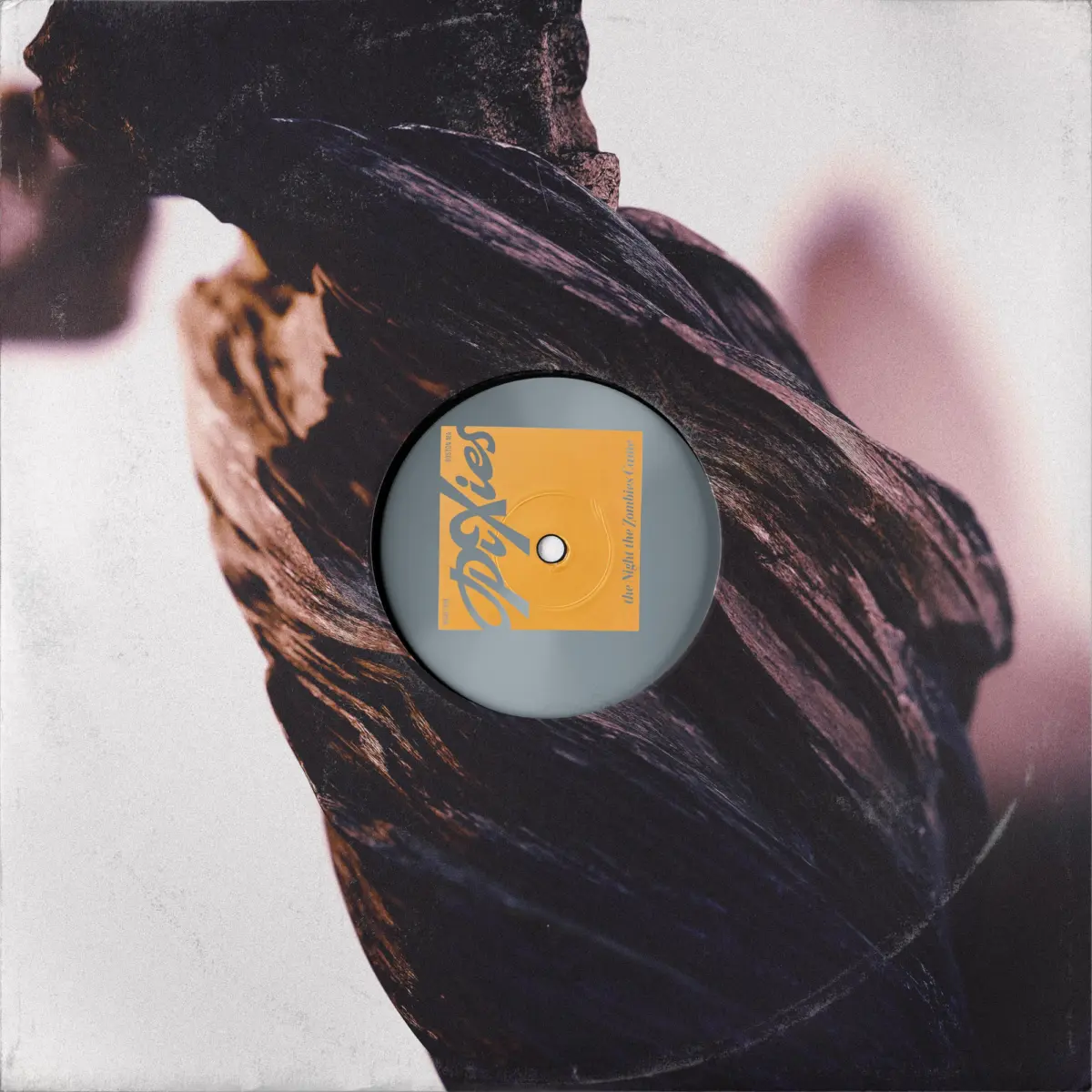
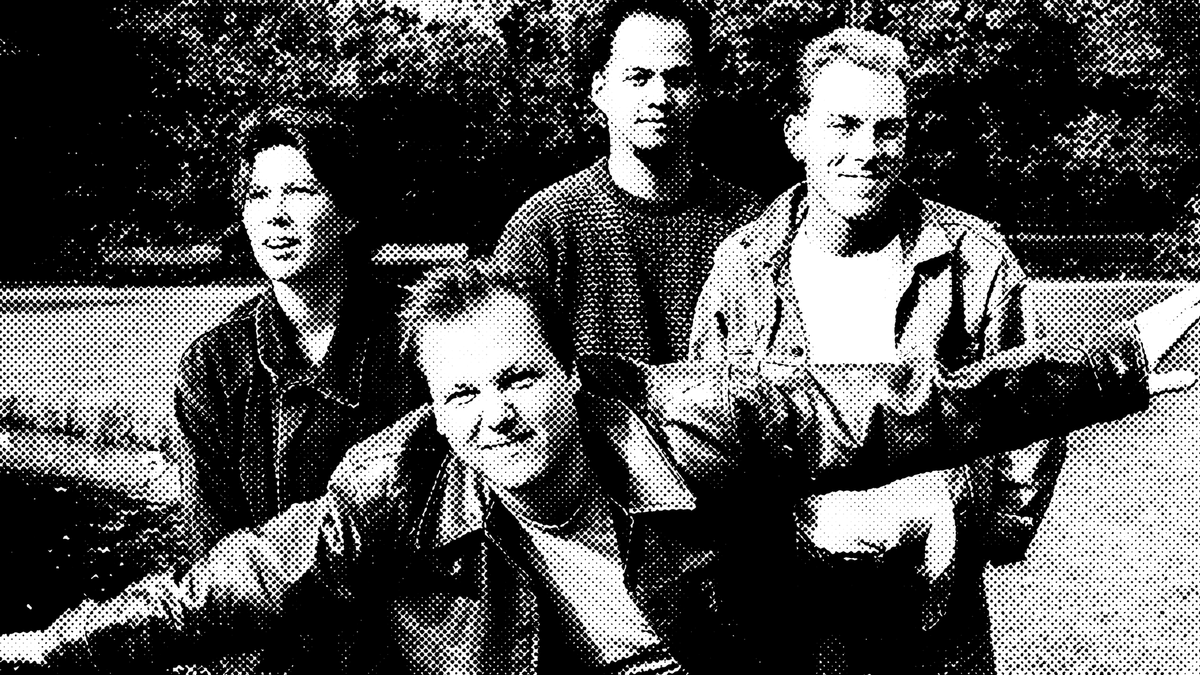
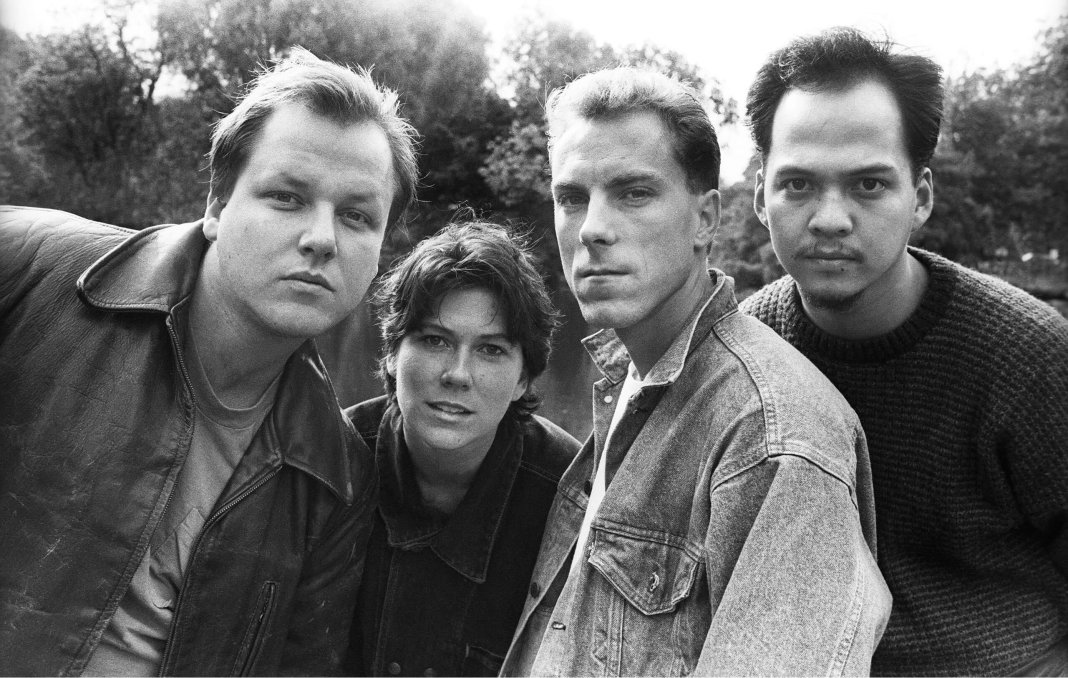
In 2026, the legendary alternative rock architects known as the Pixies mark a monumental milestone: 40 years of defying genre conventions, shaping the underground, and inadvertently writing the blueprint for 1990s alternative culture. To celebrate four decades of sonic chaos and melodic brilliance, the band—featuring founding members Black Francis, Joey Santiago, and David Lovering, alongside bassist Emma Richardson—has launched an extensive worldwide tour titled "Pixies 40." Simultaneously, the group has issued Complete B-Sides: 1988-97, a definitive, remastered compilation marking the first time these treasured, elusive tracks have been officially pressed onto vinyl.
To commemorate the band’s ruby anniversary, former Boston resident and music writer Jacob Fish has offered a deep-dive retrospective, charting the group’s trajectory from Boston obscurity to global touchstones. The Pixies did not merely make music; they engineered a seismic cultural shift. Their improbable genesis—sparked by a classified ad seeking musicians who liked both Hüsker Dü and Peter, Paul and Mary with "no chops please"—yielded an unstable chemical reaction.
For a brief, incandescent window in the late 1980s and early 1990s, the Pixies set the stage for modern alternative rock. They gave birth (and blame) to the angsty, fractious dynamic of an entire decade of bands. From their foundational 1987 EP Come On Pilgrim to 1991’s Trompe le Monde, they accelerated from underground obscurity to mainstream charts while retaining their surreal, volatile identity. Though intra-band friction and financial strain famously caused Black Francis to dissolve the band via fax in 1993, their absence only magnified their mythology. They laid the bedrock for PJ Harvey, Pavement, Weezer, and, most notoriously, Nirvana—who popularized the iconic "quiet-loud" dynamic pioneered by the Pixies. When the band reconvened for a triumphant 2004 reunion tour, they were met by thousands of roaring fans singing songs they never imagined would cross over to such heights.
Detailed Chronology: The Studio Album Rankings
To truly understand the Pixies’ legacy, one must examine their complete studio output. Because founding bassist Kim Deal permanently departed in 1991, musicologist Jacob Fish logically bifurcates the discography into two distinct eras: the peerless original four-album run, and the modern "Pixies 2.0" post-reunion work. Below is the definitive ranking of all nine studio records, analyzing how each holds up four decades into the band’s lifespan.
The Post-Reunion Era (Pixies 2.0)
9. Indie Cindy (2014)
Carrying more baggage than any record in alternative history, Indie Cindy arrived twenty-three years after Trompe le Monde. Assembled from a series of EPs released the previous year, the album found the band wrestling with a post-Kim Deal identity. While produced by Gil Norton—the mastermind behind Doolittle—the record suffers from sterile, overproduced vocals by Black Francis that strip away the murky, vague mystery of classic Pixies vocal performances. However, explosive lead single Bagboy captures classic nervous energy, anchored by a free-flowing bass performance from The Fall’s Simon “Ding” Archer. It ranks ninth as a transitional document of a band relearning how to exist.
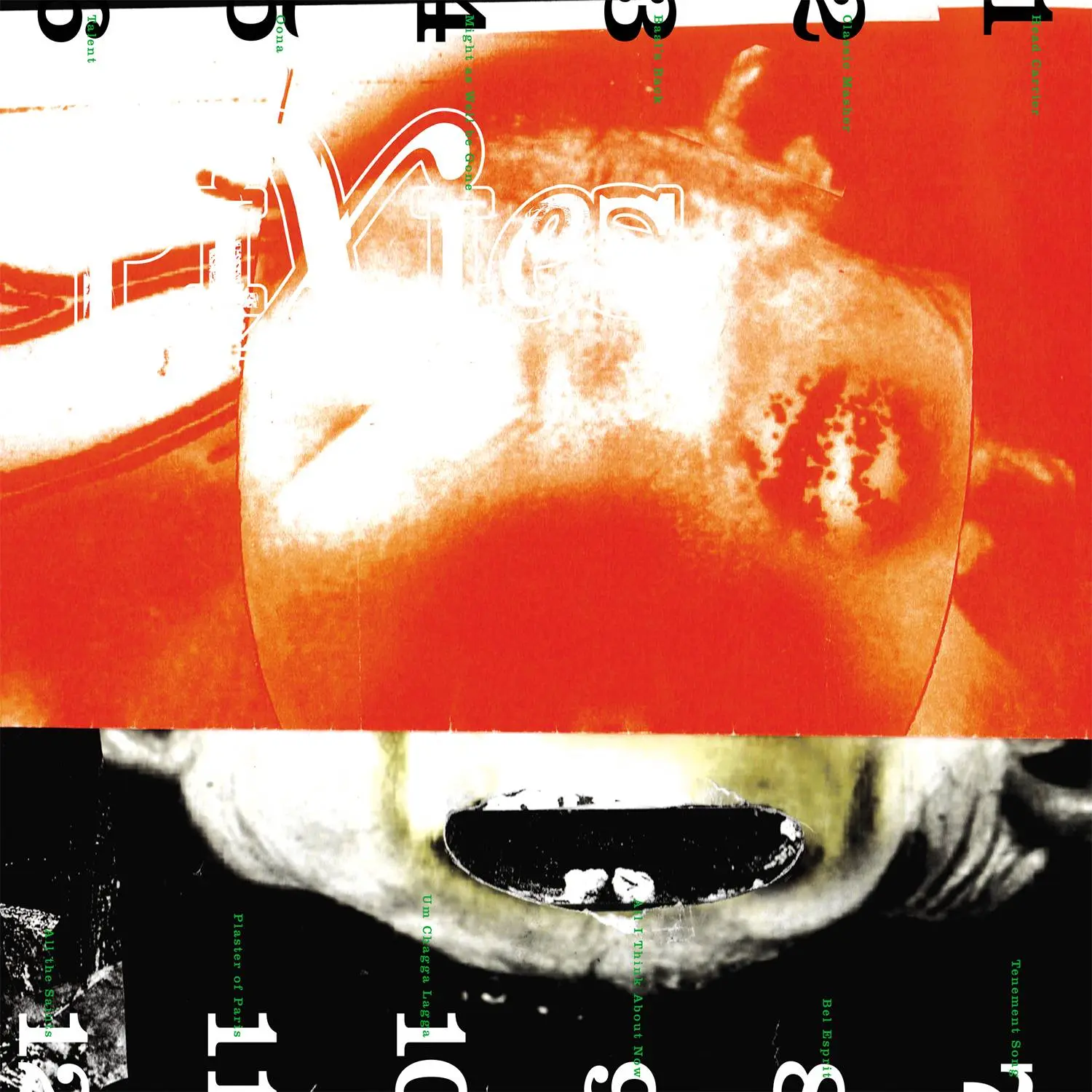
8. Head Carrier (2016)
By Head Carrier, the initial pressure of the reunion had faded. Crucially, this album introduced bassist Paz Lenchantin, whom Black Francis described in a Pitchfork interview as the band’s "sister." For the first time post-reunion, the bassist felt like a genuine member rather than a touring stand-in. Tracks like "All I Think About Now" serve as a bittersweet nod to Deal’s departure, featuring faint echoes of the Where Is My Mind? guitar tone. While still wrestling with the shadows of the past and suffering from overly tuned vocals, the performances are noticeably looser and the songwriting sharper.
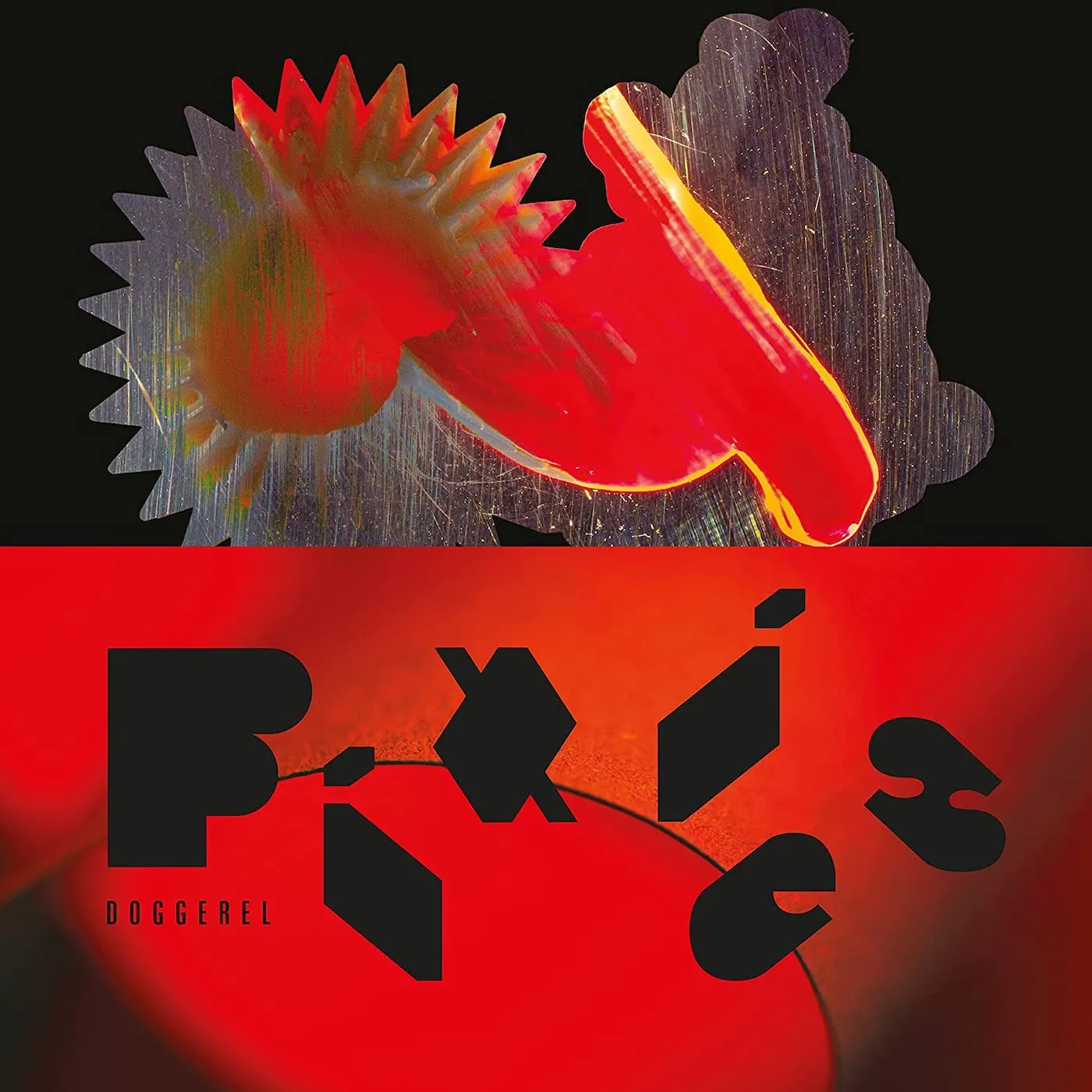
7. Doggerel (2022)
Doggerel originated from demos scrapped during the sessions for 2019’s Beneath the Eyrie. Despite a glossy, pop-anchored production that favors clean, burly textures over raw grit, the underlying demo-era soul remains. Guitarist Joey Santiago noted that the record displays "a good maturity for a band like us but keeping the identity." Francis trades sudden, explosive shifts in volume for atmospheric storytelling. While some critics found the calculated structure inorganic, it stands as a fascinating exercise in aging alternative elder statesmen.
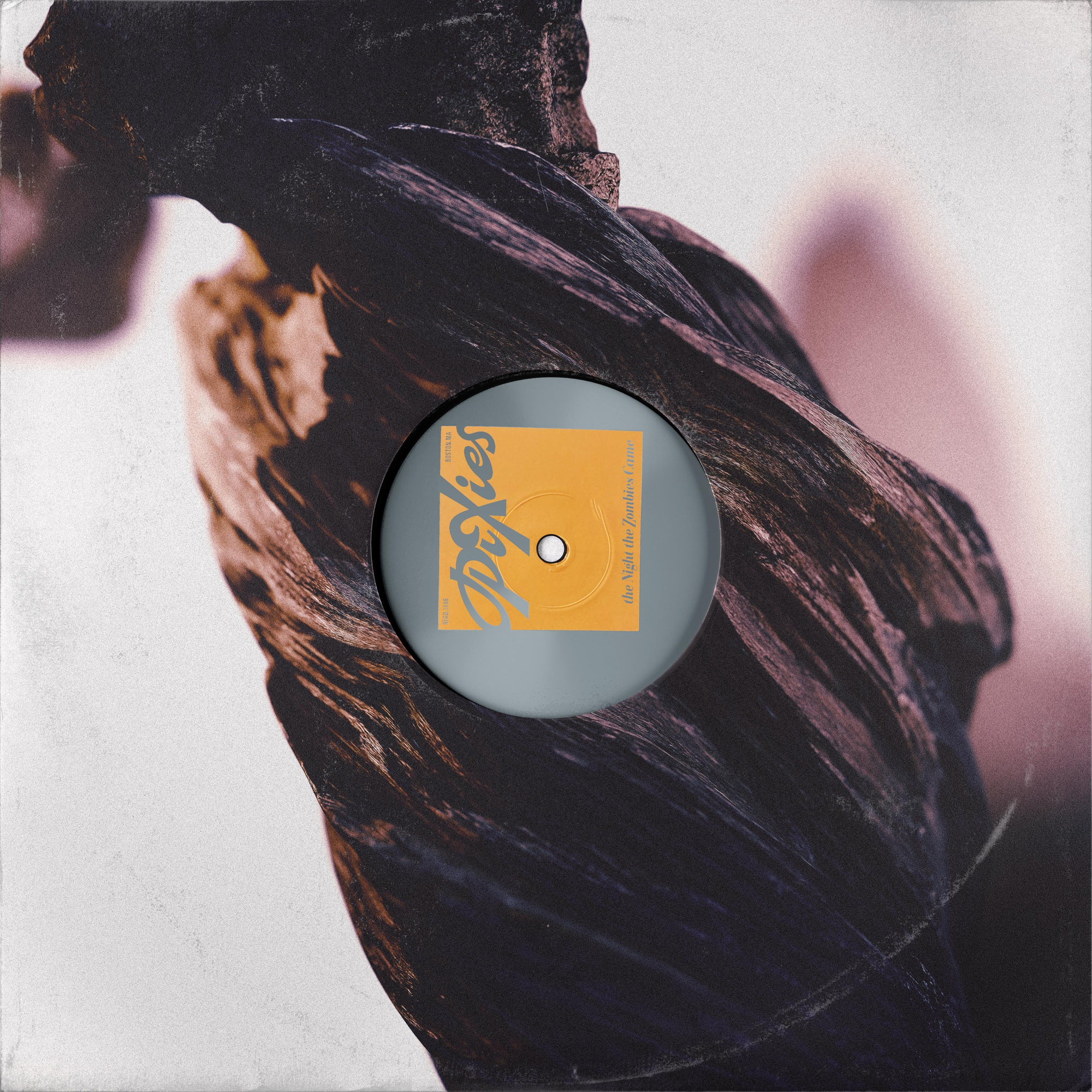
6. The Night the Zombies Came (2024)
Initially dismissed by critics chasing a nostalgic high, The Night the Zombies Came ultimately triumphs by completely abandoning the tropes of the band’s early material. Instead, it leans into a bizarre fever dream of 1950s horror movie imagery, folk tales, and dark humor. A standout track, "Motoroller," features new bassist Emma Richardson delivering a cold, deadpan style reminiscent of Surfer Rosa. Embracing eccentricity over nostalgia, this record proves the Pixies can still sound vital deep into their career.
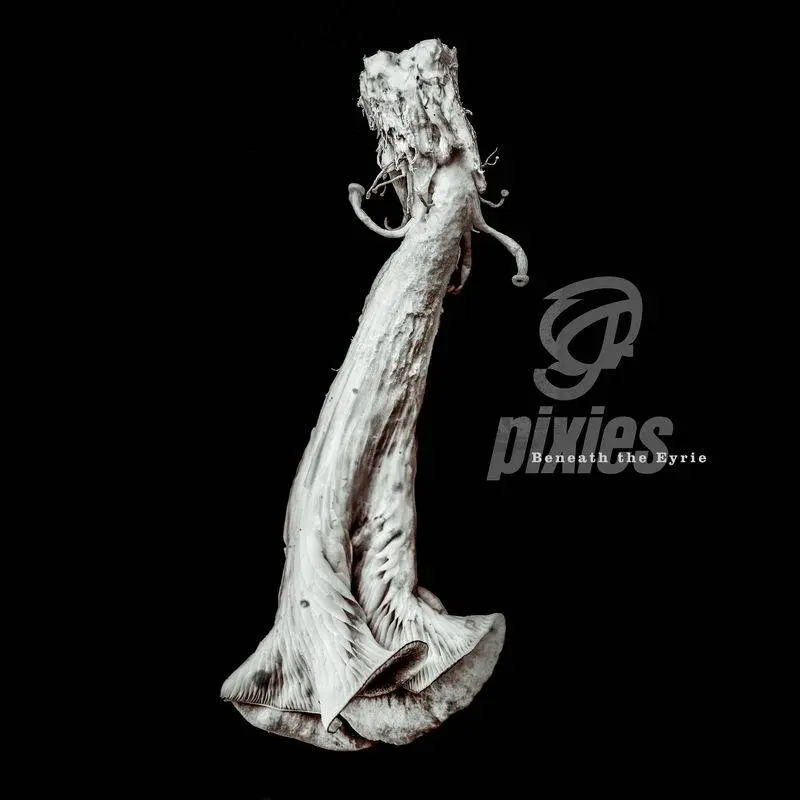
5. Beneath the Eyrie (2019)
Easily the most cohesive and standalone-worthy project of the reunion era, Beneath the Eyrie was recorded in an isolated, converted church in upstate New York. This monastic setting imparted a gothic, cinematic tone. Francis sought to intermingle with the spirit world, life, death, and mysticism. Channeling fast, jangly surf-rock with a dark, sinister bent—and paying homage to their own progeny on tracks like "Long Rider," which channels Pinkerton-era Weezer—this album successfully steps out of the shadow of the band’s legendary past.
The Golden Era: The Original Four-Album Run
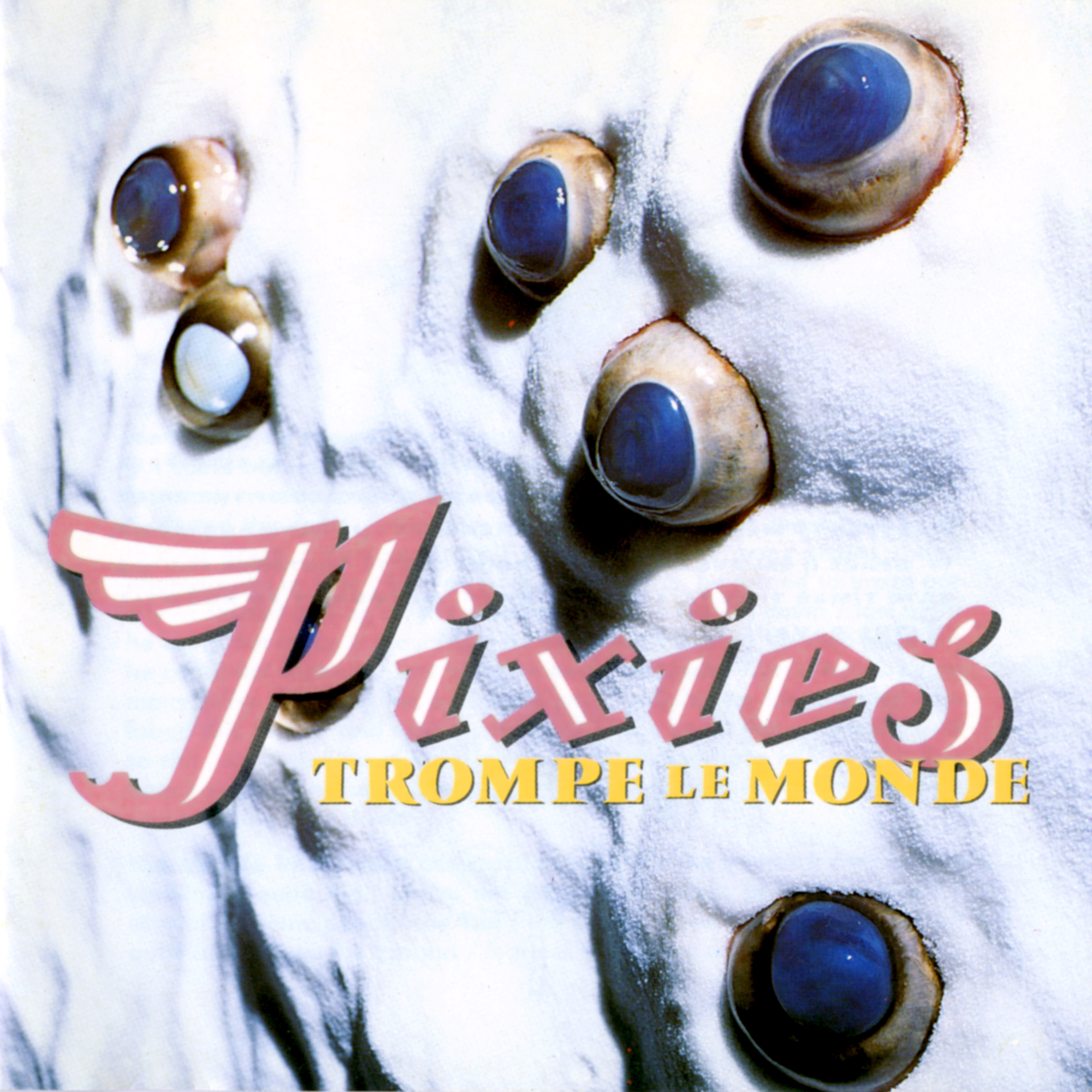
4. Trompe le Monde (1991)
By 1991, internal tensions were boiling over, Deal’s role had shrunk, and the breakup was inevitable. Yet Trompe le Monde sounds less exhausted and more incandescently furious. The tracks are faster, heavier, and metal-adjacent, performed largely in drop-D tuning. Songs like "Planet of Sound" feature intense flanger effects on Francis’s stream-of-consciousness sermons. Described by blog Freaky Trigger as "clean-lined sci-fi pop-metal, perpetually underrated," it races past in under forty minutes, serving as a blistering bridge to Frank Black’s subsequent solo career.
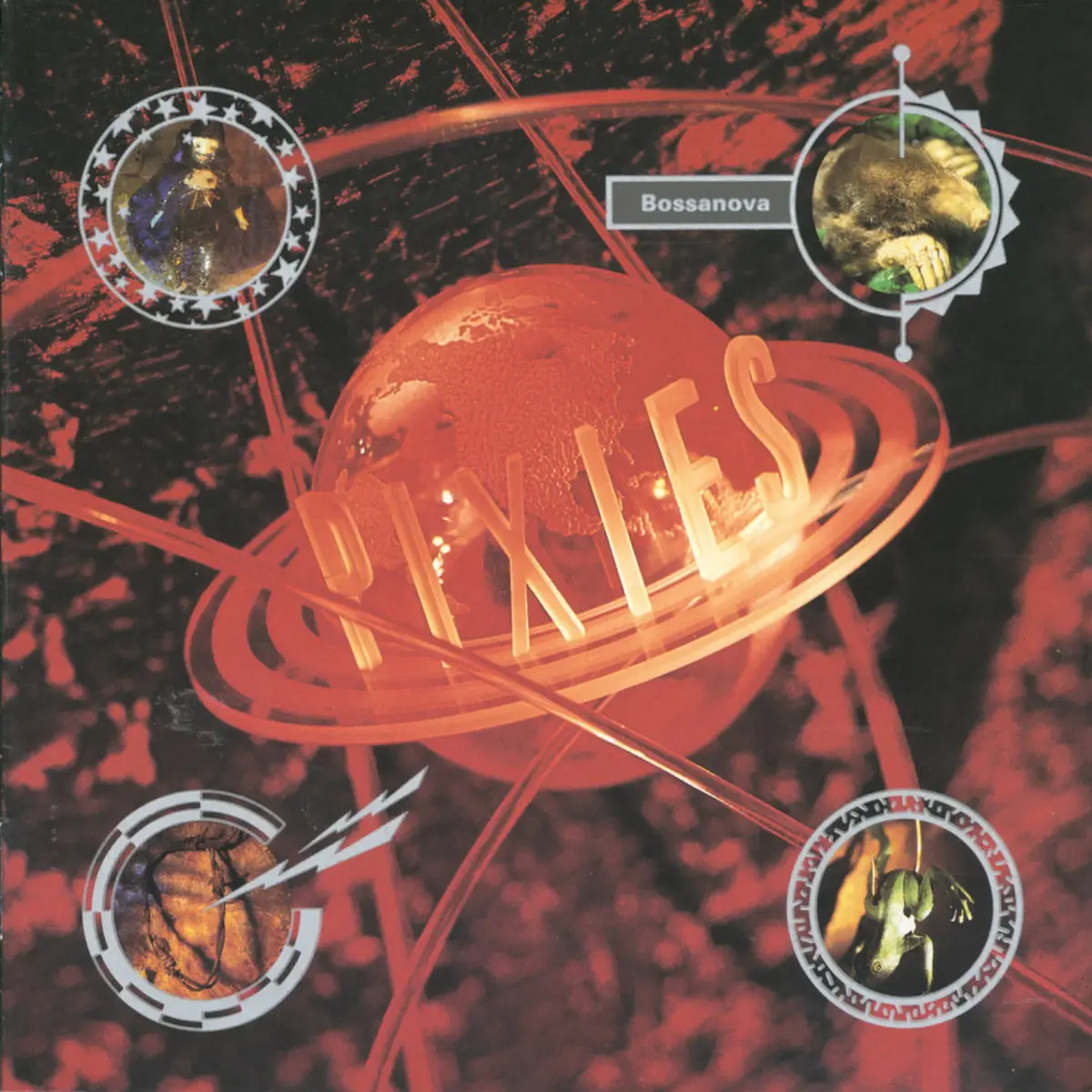
3. Bossanova (1990)
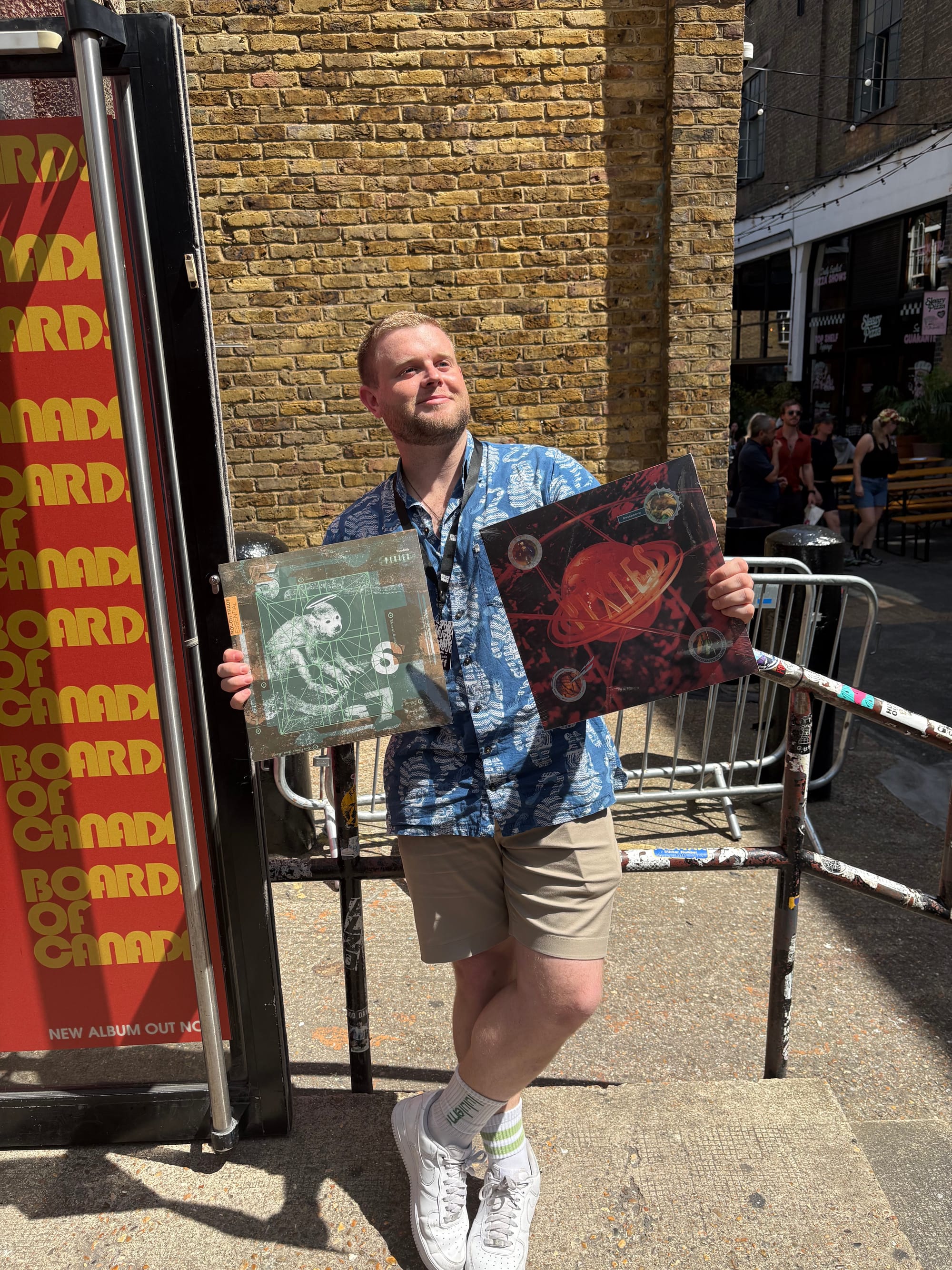
Often unfairly overlooked when stacked against its siblings, Bossanova is arguably the most essential "lost link" in modern rock. It bridges the gap between Surfer Rosa’s harsh grunge textures and Doolittle’s pristine pop melodies. Opening with "Cecilia Ann"—a blaring heavy surf-rock overture that bleeds into the unhinged scream-singing of "Rock Music"—the album shifts lyrically from surrealist sexual infatuations to cosmic sci-fi themes. The inclusion of a theremin on the lush do-wop rock anthem "Velouria" underscores their enduring surf-rock DNA.
2. Surfer Rosa (1988)
An elemental masterpiece of raw underground sound, Surfer Rosa feels remarkably dry and immediate, as though the listener is trapped in a moldy Boston garage with the band. Produced by the legendary "noisemeister" Steve Albini (Nirvana, PJ Harvey), the album weaponizes space, letting drums and guitars scrape violently out of the speakers. Featuring stark explorations of bodily mutilation and grim fantasy—exemplified by "Cactus" (later covered by David Bowie) and the monumental cultural landmark "Where Is My Mind?"—it remains a bizarre, brilliant collision of biblical stream-of-consciousness lyrics and barking guitars.
1. Doolittle (1989)
There are no surprises at the summit: Doolittle is universally recognized as the band’s undisputed masterpiece. From the opening bass notes of "Debaser," producer Gil Norton’s influence is clear. Norton brought clean-toned sheen, studio gloss, and heavy overdubbing that Albini would have abhorred, successfully making the Pixies sound massive without sacrificing their core grit.
A "no-skips" triumph containing generation-defining tracks like "Wave of Mutilation," "Hey," "I Bleed," and the ecologically prescient "Monkey Gone to Heaven," Doolittle balances gorgeous melodic hooks with rage-filled explosions of noise. It launched the band into the mainstream and remains a permanent, unattainable gold standard for alternative music.
Supporting Context & Metrics
To contextualize the Pixies’ 40-year cultural footprint, one must look at how rapidly they transformed the landscape of independent music.
The 3-Year Ascent: In 1988, the Pixies sounded like no other band on earth. By 1991, virtually every major alternative act had absorbed their dynamic playbook.
The Quiet-Loud Formula: While tracing its roots to punk and noise rock, the structural blueprint of alternating whispered verses with screaming, distorted choruses became the defining sonic template for 1990s grunge and indie rock, most visibly utilized by Kurt Cobain and Nirvana.
Vinyl Milestone: The 2026 release of Complete B-Sides: 1988-97 remedies a decades-long oversight, finally honoring the band’s incredible "other" catalog with an official vinyl pressing.
Cross-Generational Influence: The band’s discography has earned the vocal admiration of rock royalty across generations, from David Bowie covering "Cactus" to contemporaries like PJ Harvey and Pavement, down to modern indie torchbearers.
Official Statements & Reflections
Reflecting on the milestone, writer Jacob Fish emphasizes the timelessness of the band’s output, noting that while many bands attempted to borrow from their aesthetic, the Pixies remain entirely unique unto themselves.
Discussing the creative philosophy behind the band’s later catalog, Black Francis shared insight into his lyrical evolution in past interviews with The Independent:
"I wanted to intermingle with the spirit world, with life and death and with the mystical and a more surreal landscape."
Guitarist Joey Santiago similarly characterized their post-reunion maturity in a conversation with Under the Radar, noting that their modern releases continue to showcase "a good maturity for a band like us but keeping the identity."
Future Outlook
As the "Pixies 40" worldwide tour sweeps across major international markets in 2026, the band stands in a rare, enviable tier of musical longevity. Having successfully navigated devastating internal rifts, a decade-long hiatus, permanent lineup transformations, and the heavy burden of their own formidable legacy, the Pixies have proven that their creative engine extends far beyond nostalgia.
Whether fans are spinning the newly pressed vinyl of Complete B-Sides: 1988-97, dissecting the gothic atmospheres of Beneath the Eyrie, or revisiting the pristine pop-noise perfection of Doolittle, the Pixies remain the ultimate touchstone of alternative rock. They entered the scene as four mismatched individuals chasing a strange muse, and four decades later, they remain an untamable, vital force in modern music history.