Executive Overview
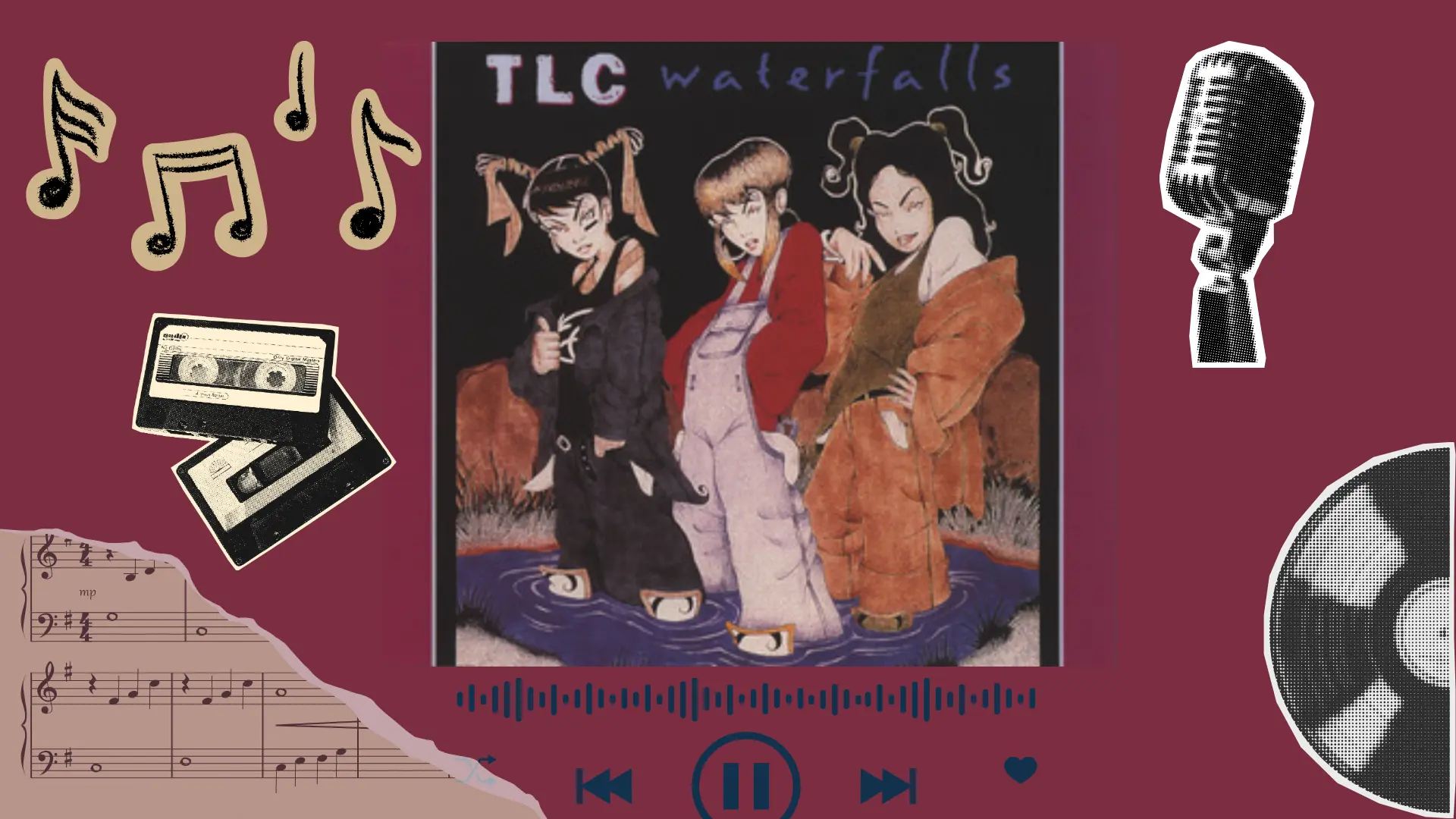
Released in the mid-summer of 1995, TLC’s iconic track "Waterfalls" cemented itself not merely as a commercial juggernaut, but as a watershed moment for popular music culture. Arriving as the third single from their monumental, diamond-certified third studio album, CrazySexyCool (released via LaFace and Arista Records), the song managed an exceedingly rare dual achievement: it dominated global radio airwaves while delivering unblinking, uncompromising social commentary.
Written by Marqueze Etheridge, Lisa "Left Eye" Lopes, and the visionary production collective Organized Noize—who also handled the song’s production—"Waterfalls" caught listeners off guard. Beneath its smooth, polished R&B production and hypnotic, radio-friendly groove lay a stark narrative framework tackling systemic poverty, drug addiction, urban violence, and the devastating peak of the global AIDS crisis.
Decades after its seven-week reign at the summit of the Billboard Hot 100, "Waterfalls" remains a masterclass in balance. It proved that pop and R&B could hold space for heavy, real-world tragedies without sacrificing melody, rhythm, or commercial appeal. By pairing a deeply entrenched folk idiom—the warning against chasing unattainable heights—with gritty, urban realities, TLC (Tionne "T-Boz" Watkins, Rozonda "Chilli" Thomas, and Lisa "Left Eye" Lopes) crafted a cautionary tale that has lost none of its urgent resonance.
Detailed Chronology and Structural Anatomy
To fully appreciate the cultural impact of "Waterfalls," one must deconstruct its meticulous three-part narrative structure. Unlike traditional pop formulas that rely on repetitive themes of romance or heartbreak, TLC structured "Waterfalls" as a cinematic triptych, tracing the collateral damage of human ambition, temptation, and systemic neglect.
The Breakdown: Lyrics and Narrative Arc
Verse 1: The Trap of the Streets
The song opens with a sobering portrait of maternal grief and urban entrapment.
A lonely mother gazing out of the window
Staring at a son that she just can’t touch
If at any time he’s in a jam, she’ll be by his side
But he doesn’t realize he hurts her so much…
So he goes out, and he makes his money the best way he knows how
Another body lying cold in the gutter, listen to me
This verse directly confronts the drug trade and street violence. It avoids glorifying the hustle, instead focusing on the agonizing helplessness of a parent watching a child drift into fatal criminality.
The Chorus: The Central Metaphor
Serving as the emotional anchor, the chorus introduces the song’s defining philosophy:
Don’t go chasing waterfalls
Please stick to the rivers and the lakes that you’re used to
I know that you’re gonna have it your way or nothing at all
But I think you’re moving too fast
The metaphor is deceptively simple yet profoundly layered. "Rivers and lakes" represent the safe, stable, and sustainable paths of life—the grounded realities where people can survive and thrive. Conversely, "waterfalls" symbolize the blinding, self-destructive allure of fast money, reckless risks, and fatal illusions of grandeur. The waterfall looks magnificent and powerful from a distance, but diving into it leads inevitably to a dangerous, violent drop.
Verse 2: The Shadow of the AIDS Crisis
The second verse shifts its gaze to the personal and biological consequences of unchecked temptation, tackling the devastating realities of the 1990s HIV/AIDS epidemic.
Little Precious has a natural obsession
For temptation, but he just can’t see…
One day, he goes and takes a glimpse in the mirror
But he doesn’t recognize his own face
His health is fading, and he doesn’t know why
Three letters took him to his final resting place, y’all don’t hear me
The "three letters"—H-I-V—marked a death sentence for countless individuals during an era defined by profound social stigma, medical panic, and government apathy. By spotlighting this crisis within a mainstream R&B track, TLC brought a vital, life-saving conversation directly into the living rooms of millions of young listeners.
Verse 3: Redemption, Faith, and Reflection
Penned and delivered by Lisa "Left Eye" Lopes, the third verse introduces a rapid-fire, introspective shift in tone. Moving away from third-person storytelling, Lopes turns inward, offering a raw meditation on faith, personal accountability, and the search for grace amid systemic failure.
I saw a rainbow yesterday, but too many storms
Have come and gone, leaving a trace of not one God-given ray…
Who’s to blame for tooting ’caine into your own vein?
What a shame, you shoot and aim for someone else’s brain…
I say the system got you victim to your own mind
Dreams are hopeless aspirations in hopes of coming true
Believe in yourself, the rest is up to me and you
Lopes connects individual self-destruction to broader societal failures ("the system got you victim to your own mind"), bridging the gap between personal responsibility and structural empathy.
Supporting Context and Metrics
The success of "Waterfalls" was not merely critical; it was historically unprecedented. At a time when crossover R&B acts faced rigid formatting boundaries on American radio, TLC shattered commercial ceilings.
Production and Creative Pedigree
- Song Waterfalls
- Artist: TLC
- Album: CrazySexyCool
- Release Year: 1995
- Genre: R&B, Hip Hop
- Songwriters: Marqueze Etheridge, Lisa Lopes, Organized Noize
- Producer: Organized Noize
- Labels: LaFace Records, Arista Records
The Atlanta-based production trio Organized Noize (comprising Rico Wade, Ray Murray, and Sleepy Brown) infused the track with their signature Dungeon Family aesthetic—a lush, organic blend of soulful keyboards, heavy bottom-end hip-hop percussion, and atmospheric background harmonies that set TLC apart from their contemporaries.
Commercial Domination and Chart Statistics
- Billboard Hot 100: "Waterfalls" debuted and steadily climbed to the Number One position in 1995, maintaining its stronghold at the top for seven consecutive weeks.
- Chart Longevity: It became one of the defining anthems of the 1990s, finishing near the top of the year-end charts globally and cementing CrazySexyCool as one of the best-selling female group albums of all time.
Accolades and Milestone Achievements
The cultural footprint of "Waterfalls" was immortalized at the 1995 MTV Video Music Awards (VMAs). Directed by F. Gary Gray, the music video—featuring the group performing submerged in water alongside literal manifestations of the song’s lyrics—cleaned up at the ceremony. It won four major awards:
- Video of the Year
- Best Group Video
- Best R&B Video
- Viewer’s Choice Award
This marked a historic high-water mark for an R&B girl group on an international stage, proving that visual storytelling could match the sonic complexity of their music.
Official Statements and Industry Reception
Upon its release, industry critics and cultural commentators immediately recognized that "Waterfalls" was operating on a higher plane than standard mid-90s radio fare.
Reflecting on the group’s mission during the era, Tionne "T-Boz" Watkins noted in retrospective interviews that TLC never set out to be preachy or didactic. Instead, their goal was documentary-style honesty. "We didn’t want to point fingers," Watkins explained. "We wanted to tell the truth about what we saw happening to our friends, our families, and our communities. If you dress the truth up in a good melody, people will listen—and maybe, just maybe, they’ll think twice before making the same mistakes."
Musicologists have frequently cited "Waterfalls" as a masterclass in tonal juxtaposition. Reviewers at the time noted how the soothing, ethereal vocal delivery of the chorus created a powerful cognitive dissonance with the grim realities described in the verses. This artistic choice ensured that the message felt rooted in deep empathy rather than cold judgment.
Organized Noize’s production approach similarly drew high praise. By stripping away overly aggressive synthesizer arrangements in favor of a melancholic, soulful groove, they allowed the vocal performances of T-Boz and Chilli—punctuated by Left Eye’s fiery, socially conscious rap verse—to carry the emotional weight of the project.
Future Outlook: The Timeless Relevance of "Waterfalls"
As popular music continues to evolve through shifting digital landscapes and micro-genres, the cultural blueprint established by tracks like "Waterfalls" remains enduringly relevant. Modern artists navigating social issues in their music frequently look to TLC’s 1995 masterpiece as a gold standard for how to marry commercial viability with uncompromising artistic integrity.
The issues highlighted in the song—substance abuse, systemic poverty, health crises, and the pressure of chasing impossible societal ideals—are timeless human struggles. As long as listeners find themselves caught in the turbulence of fast-paced, high-stakes environments, the timeless warning will ring out: Don’t go chasing waterfalls; please stick to the rivers and the lakes that you’re used to.
Decades after its debut, "Waterfalls" stands not as a relic of 1990s nostalgia, but as a living, breathing testament to the power of music to educate, comfort, and heal.