Changing the Narrative: Inside the Fight for Suicide Prevention with CALM and Rough Trade
Executive Overview
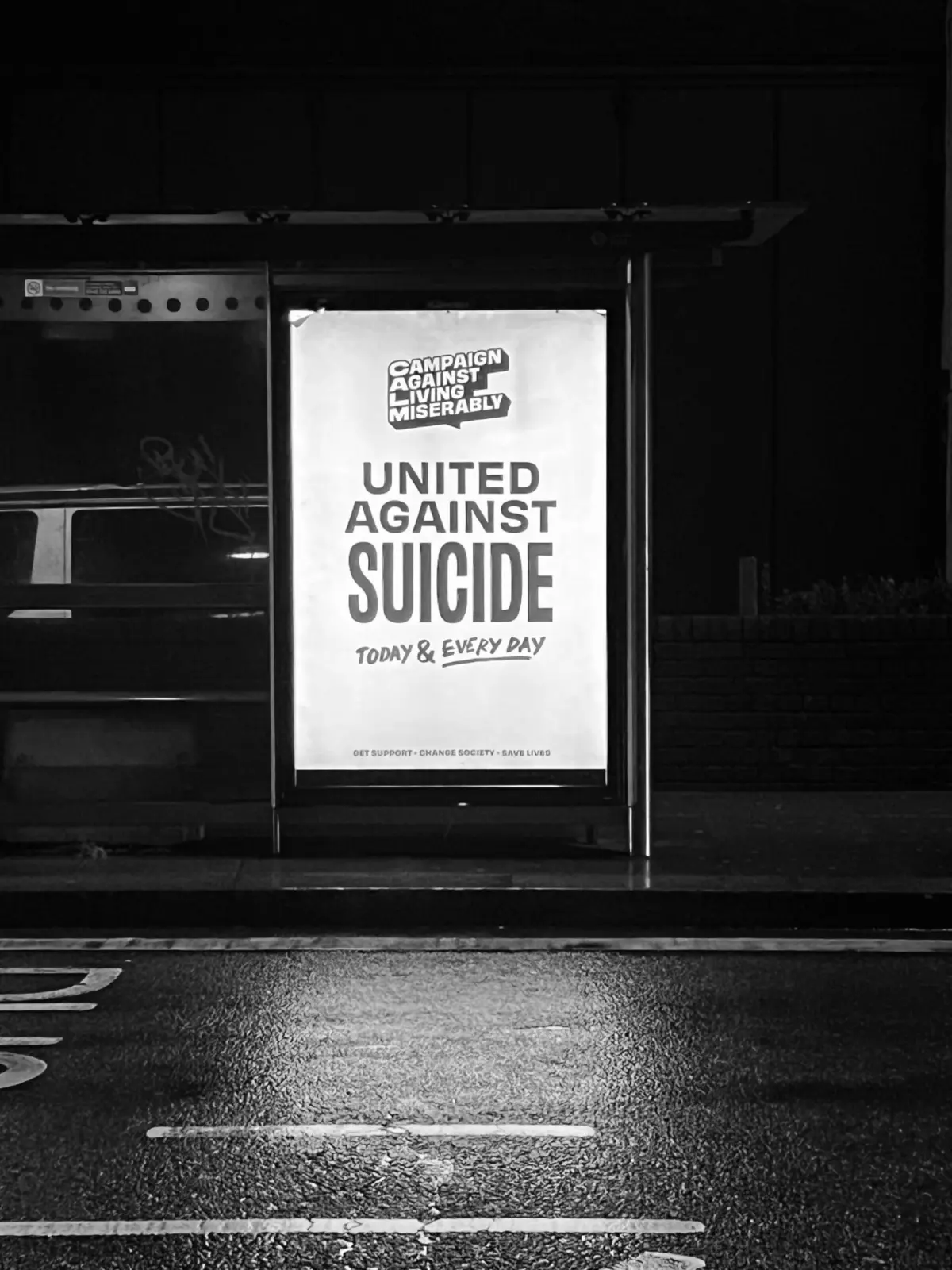
Every year on September 10th, World Suicide Prevention Day unites global communities, advocates, and health professionals in a shared mission: to raise awareness, dismantle deep-seated social stigmas, and reinforce the fundamental truth that suicide is preventable. For 2026, the campaign’s guiding theme—Changing the Narrative on Suicide—issues a direct call to action. It urges individuals, institutions, and industries to initiate open, compassionate conversations and dismantle the atmospheric silence that too often isolates those in crisis.
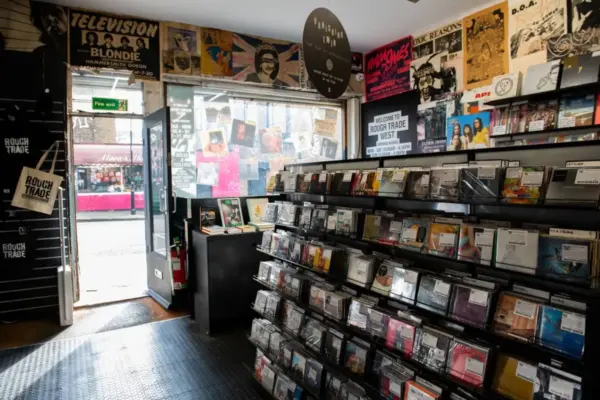
In recognition of this urgent mandate, iconic independent music retailer Rough Trade has deepened its ongoing partnership with the Campaign Against Living Miserably (CALM), a leading UK suicide-prevention charity. Rooted in the belief that music offers connection, catharsis, community, and, ultimately, a lifeline, this collaboration leverages retail platforms, cultural spaces, and the wider music community to amplify CALM’s life-saving mission.
The gravity of this work cannot be overstated. According to CALM’s empirical metrics, approximately 125 people die by suicide every week in the United Kingdom, making it the single biggest killer of men under the age of 50. Concurrently, data highlights a deeply concerning and steep rise in suicide rates among young women under 24. Behind every numerical data point is an individual life, accompanied by families, friends, colleagues, and communities whose worlds are irrevocably altered.
To explore these pressing issues, the intersection of mental health and the creative industries, and the practical steps society must take to reach those in distress, we sat down for an exclusive interview with CALM Chief Executive Officer Simon Gunning.
Detailed Chronology: The Evolution of Mental Health Advocacy and the Persistent Blind Spot of Suicide
Over the past decade, public discourse surrounding mental health has undergone a massive cultural shift. Where mental health was once treated as a taboo subject relegated to the shadows, it is now frequently discussed in workplaces, educational institutions, and media spaces. Much of this progress is attributable to the tireless campaigns spearheaded by organizations like CALM, which have worked systematically to normalize vulnerability and encourage individuals to seek professional help.
However, a chronological examination of public health trends reveals a stark dichotomy. While general awareness of mental health issues has grown exponentially, the specific, acute realm of suicide prevention has lagged far behind.
- The Early Decades of Advocacy: Grassroots movements and clinical advocates spent decades fighting to bring mental illness into the mainstream medical conversation. Public service announcements and educational programs began to chip away at the general stigma of depression and anxiety.
- The Persistence of Shame: Despite broader acceptance of conditions like generalized anxiety or mild depression, the topic of suicide itself remained heavily quarantined behind walls of social shame, legal historical precedent, and morbid dread.
- The Modern Crisis (2020s): The convergence of post-pandemic societal shifts, economic pressures, and hyper-connected digital environments created unprecedented stressors. Despite increased investments in mental health resources, suicide rates remained stubbornly high, exposing a critical disconnect between general mental health awareness and actionable suicide intervention.
This chronological stagnation stems from a fundamental failure to treat suicide prevention as a distinct, actionable social behavior. While society has learned to say "it’s okay not to be okay," it has largely failed to teach communities how to actively confront, discuss, and intervene when someone is actively contemplating ending their life.

Supporting Context & Metrics: The Scale of the Crisis and the Trap of Modern Culture
The statistical reality of suicide in the UK paints a harrowing picture. Approximately 6,500 people die by suicide each year. Clinical studies and population surveys indicate that one in four adults will experience suicidal thoughts during their lifetime, while one in 13 UK adults will attempt to take their own life. These statistics represent mothers, fathers, siblings, partners, colleagues, and lifelong friends.
The Seasonal Misconception
A prevalent cultural assumption posits that darker, colder winter months—characterized by reduced sunlight and seasonal affective disorder—drive the highest spikes in suicide rates. Yet, public health data consistently points toward the spring and summer months as high-risk periods.
According to Simon Gunning, this phenomenon is driven primarily by destructive social comparisons. "We’re expected to embrace warm weather, go on picnics, and host lavish barbecues," Gunning explains. "This isn’t the case for many, or even most, people. Comparisons can be very hard to take when we don’t appear to measure up."
Furthermore, Gunning highlights a glaring misconception regarding the trajectory of suicidal ideation: the belief that it is a strictly linear process.
"The glaring misconception around suicide is that it’s a linear process. We feel great, then a bit rubbish, then totally shit, then we attempt suicide. It’s not like that. It can come out of nowhere or fester for years. And it’s not one-and-done."
The Digital Panopticon: Screen Time and Hyper-Connectivity
In the modern era, digital behavior presents an entirely new vector of psychological distress. CALM identifies the erosion of personal boundaries and the loss of an "off switch" as primary concerns for contemporary mental health.
Rather than fixating arbitrarily on total daily screen time, CALM urges a closer examination of how digital environments impact an individual’s sense of self-worth. Comparison culture, online abuse, and the modern expectation of being perpetually available chip away at psychological resilience. For someone already struggling with isolation or depression, constant exposure to curated digital perfection—or conversely, hostile online interactions—intensifies feelings of failure, shame, rejection, and absolute hopelessness. The absence of cognitive downtime prevents individuals from resetting their perspectives, making their psychological worlds feel increasingly small, harsh, and inescapable.
Official Statements & Expert Insights: An Interview with CALM CEO Simon Gunning
Over the past decade, conversations around mental health have become far more open, thanks in no small part to organisations like CALM. Sadly, suicide remains one of the UK’s biggest public health challenges. Where have we made meaningful progress, and what do you think still needs to change most urgently if we’re to prevent more lives being lost?

Simon Gunning: "It’s true we’ve made progress on mental health. It really is much more acceptable across large parts of society for people to speak openly about their mental health, seek help and be taken seriously in doing so. Sadly, this isn’t always the case and there still is a deep underlying trend towards trivialisation and scapegoating. Where we haven’t seen progress, however, is in suicide prevention. The whole area of suicide and its prevention is shrouded in stigma and shame and that is the fundamental change we need to make. Suicide is horrible… these aren’t other people; they’re our mums, our dads, our brothers, our sisters, our loved ones, our colleagues and our mates.
We need to profoundly change attitudes towards suicide prevention. We need to make it a social behaviour that we voluntarily adopt for ourselves and for the people that we care about. Suicide prevention is about life and hope and we need to make sure that people embrace it."
Young people are often more open when talking about mental health than previous generations, but many still struggle to reach out in moments of crisis. What needs to change to bridge that gap?
Simon Gunning: "It’s a cultural thing. We’ve got to shift stigma away from suicide prevention. When one in four of us will have suicidal thoughts we need to understand that it’s a part of the human condition. What’s more, it’s the most preventable cause of death, so we need every adult in the UK to understand, and be willing and able, to confront suicide.
It’s also a huge thing to expect someone struggling to reach out. We need to be better as a society at reaching in, which means asking, rather than waiting for someone to tell us they need help. We know that can feel like a scary thing, which is why we’re developing a host of practical tools, including our Conversation Coach, to help people practise those conversations."
Music has always been a source of connection, comfort and community, but the industry can also be very demanding and unsteady. Are people working in creative industries particularly vulnerable to poor mental health and suicide risk?
Simon Gunning: "Yes. Making music, like comedy and art, is massively exposing. The artist is baring all for a critical audience. That’s hard and self-belief can only get you so far. Being a musician is a profession that carries one of the highest suicide rates, and I know this is something the industry is keenly aware of and looking to change with organisations like Help Musicians UK."
Throughout history, music has given people a language for emotions that can be difficult to express. Do you think artists and musicians have a unique role to play in encouraging conversations around mental health?

Simon Gunning: "Without a doubt. Suicidal thoughts are part of the human condition. We are the only species with massive frontal lobes that have given us language, co-operation and a tendency to question our place on the planet. It’s given us existential philosophy, existential poetry, and The Cure. Great music can evoke great emotion — joy (Fontaines D.C.), anger (IDLES) and melancholy (I’m going with Elliott Smith here).
Where we step in as CALM is the power of music as a tool for suicide prevention. So many people will tell you that a song or an artist saved their life, and there’s evidence out there that suggests that might actually be the case. Having a ticket to a gig can be the reason a person decides to stay, and there’s fascinating research into the impact music has on the brain to actually regulate it during moments of crisis. The fact is, artists are already playing a huge part in suicide prevention for their fans that they might not be aware of, but we’re looking to work with the industry to bring this superpower out into the open. Music can be a safe place, a refuge and a life-affirming stimulant to get the fuck up and do something."
For someone who worries a friend, colleague or loved one might be struggling, what’s the most important thing they can do? And just as importantly, what shouldn’t they do?
Simon Gunning: "Don’t avoid the S-word (suicide). Don’t avoid really asking how they’re doing. Do visit thecalmzone.net, do use the NHS and listen to lots and lots of varied music. It will nourish your soul."
Future Outlook: Building a Culture of "Reaching In"
As society looks toward the future of mental health advocacy, the blueprint for effective suicide prevention is shifting from passive awareness to active intervention. Organizations like CALM and cultural partners like Rough Trade are pioneering a collective movement centered on proactive engagement.
The future of prevention relies on dismantling the intimidation factor associated with direct questioning. Rather than waiting for a friend, family member, or colleague to exhibit textbook symptoms or muster the immense courage required to ask for help, the cultural imperative must evolve toward "reaching in." Equipping the public with practical psychological tools—such as CALM’s C.A.R.E. Kit and Conversation Coach—demystifies the intervention process, proving that everyday citizens can safely and effectively navigate difficult conversations about life, hope, and survival.
By uniting grassroots music communities with clinical mental health expertise, advocates are successfully forging new pathways to support. Survival remains the overwhelmingly likely outcome when intervention occurs, proving that with sustained cultural shifts, open dialogue, and accessible support networks, we can effectively change the narrative on suicide for generations to come.
If You Need Support
If you are struggling, worried about someone in your life, or have lost someone to suicide, support is available right now:
- CALM: Call the anonymous, confidential helpline on 0800 58 58 58 (open daily from 5pm to midnight), or access their webchat services at thecalmzone.net.
- Samaritans: Call free on 116 123, available 24 hours a day, 365 days a year.
- Emergency Services: If you or someone you know is in immediate physical danger, call 999 or visit your nearest hospital Emergency Department (A&E).