Few creative partnerships in the history of American cinema have defined a generation as profoundly as the collaboration between actor Anthony Michael Hall and writer-director John Hughes. During the cultural zenith of the 1980s, this dynamic duo forged a cinematic vocabulary for suburban adolescence that resonated globally. Together, they manufactured a brand of high-school realism characterized by awkward vulnerability, sharp generational critique, and iconic comedic timing.
Their four-film run—beginning with National Lampoon’s Vacation (1983), which Hughes wrote, followed by Hughes’s directorial trifecta Sixteen Candles (1984), The Breakfast Club (1985), and Weird Science (1985)—catapulted Hall from a precocious young actor into the pantheon of the era’s reigning "Brat Pack."
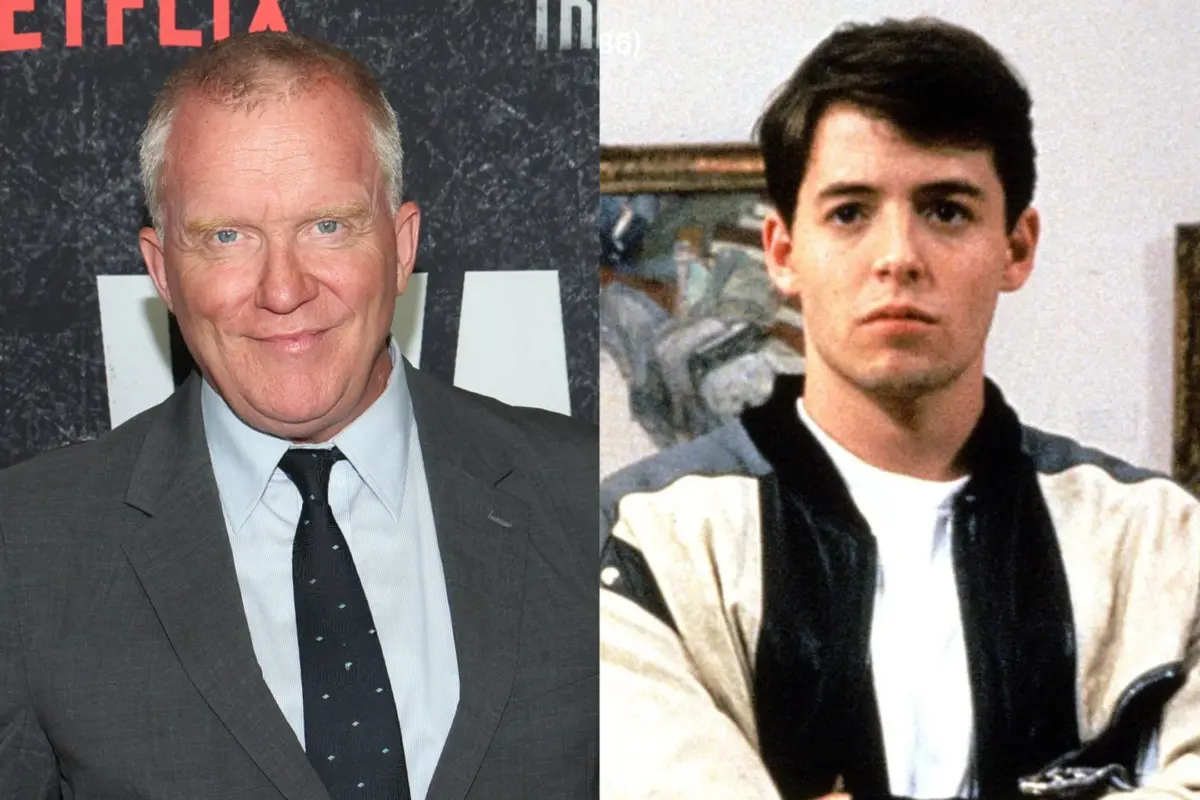
Yet, this golden age came to an abrupt and emotionally fraught halt in 1986. At the height of his adolescent fame, Hall made the calculated professional decision to decline starring roles in two career-defining Hughes projects: Ferris Bueller’s Day Off and Pretty in Pink. Driven by a burgeoning self-consciousness regarding typecasting and an urgent desire to evolve into more mature, diverse dramatic spaces, Hall stepped away from the cinematic universe that built him.
The immediate fallout was not merely professional; it sparked a personal rupture that deeply wounded Hughes, a notoriously sensitive auteur whose artistic output mirrored the very anxieties of the teenagers he immortalized. In a recent, deeply reflective appearance on Danielle Fishel’s podcast Teen Beat, Hall opened up about the complex mechanics of that split. He detailed how a young actor’s ambition inadvertently alienated his mentor, creating a permanent chasm in a relationship that was never fully mended before Hughes’s untimely death from a heart attack in 2009 at the age of 59.
This comprehensive retrospective explores the anatomy of that 1986 schism, examining the pressures of teen stardom, the artistic divergence between two brilliant minds, and the enduring legacy of a collaborative partnership that reshaped Hollywood forever.
Detailed Chronology: From Cult-Classic Genesis to the 1986 Crossroads
The Golden Era: 1983–1985
The narrative of Anthony Michael Hall and John Hughes’s partnership is one of rapid, meteoric ascension. Hall, blessed with an uncanny ability to balance neurotic comic energy with genuine emotional depth, became Hughes’s ultimate cinematic surrogate.
When Hughes transitioned from successful screenwriter to first-time feature film director with Sixteen Candles, he cast Hall as "The Geek"—an unnamed, braces-wearing freshman whose relentless pursuit of social status and romantic validation anchored the film’s chaotic comedic subplots. The role instantly defined Hall as an archetype of 1980s youth culture.
The momentum accelerated exponentially with The Breakfast Club (1985), where Hall delivered a masterclass in nuance as Brian Johnson, the high-achieving "brain" whose internal pressures regarding academic perfection culminate in one of the most poignant confessions in teen movie history. Later that same year, Hall expanded his range into sci-fi comedy territory with Weird Science, playing Gary Wallace, a techno-geek who conjures his dream woman using a home computer.
By the mid-1980s, Hall was not merely an actor; he was an economic engine for studios and a cultural touchstone for millions of teenagers navigating the labyrinth of identity formation. However, beneath the veneer of box-office triumphs and teen magazine covers, creative fatigue and professional anxiety were brewing behind the scenes.
THE HUGES-HALL COLLABORATION TIMELINE
┌───────────────────────────┬───────────────────────────────────────────┐
│ Film                      │ Anthony Michael Hall's Role & Impact      │
├───────────────────────────┼───────────────────────────────────────────┤
│ National Lampoon's        │ Rusty Griswold: Established comic timing  │
│ Vacation (1983)           │ and chemistry with Chevy Chase.           │
├───────────────────────────┼───────────────────────────────────────────┤
│ Sixteen Candles (1984)    │ "The Geek": Invented the neurotic,        │
│                           │ lovable 1980s adolescent archetype.       │
├───────────────────────────┼───────────────────────────────────────────┤
│ The Breakfast Club (1985) │ Brian Johnson: Delivered career-defining  │
│                           │ dramatic vulnerability as "The Brain."    │
├───────────────────────────┼───────────────────────────────────────────┤
│ Weird Science (1985)      │ Gary Wallace: Headlined high-concept sci- │
│                           │ fi comedy as tech-obsessed teen.          │
└───────────────────────────┴───────────────────────────────────────────┘
The Turning Point: 1986
By 1986, Hall was facing a critical juncture that many child and adolescent stars fail to navigate successfully: the looming threat of permanent typecasting. Having spent his formative years playing variations of the awkward, brilliant, or socially marginalized teenager, the actor feared that continuing down the Hughes path would permanently anchor him to high school corridors.
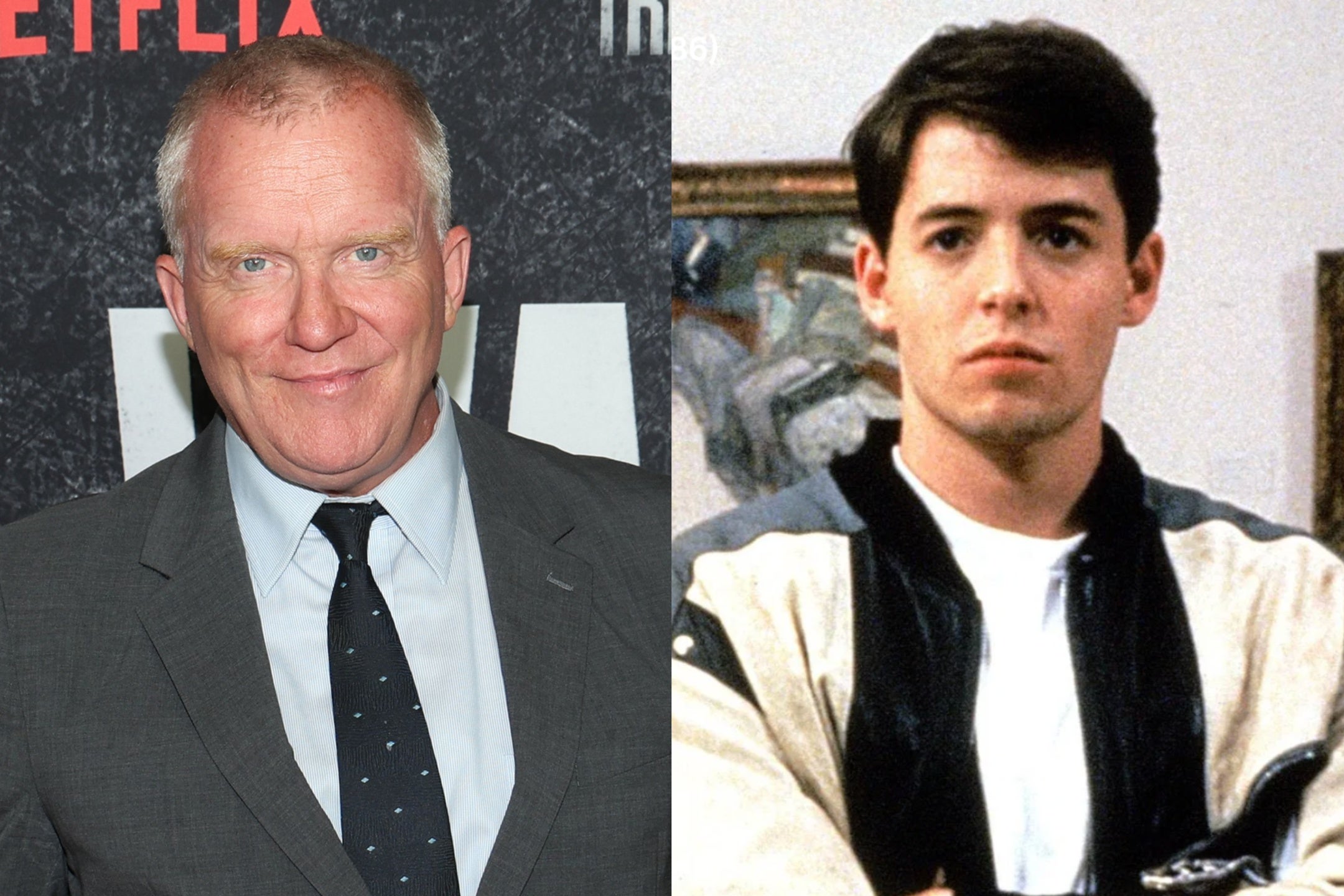
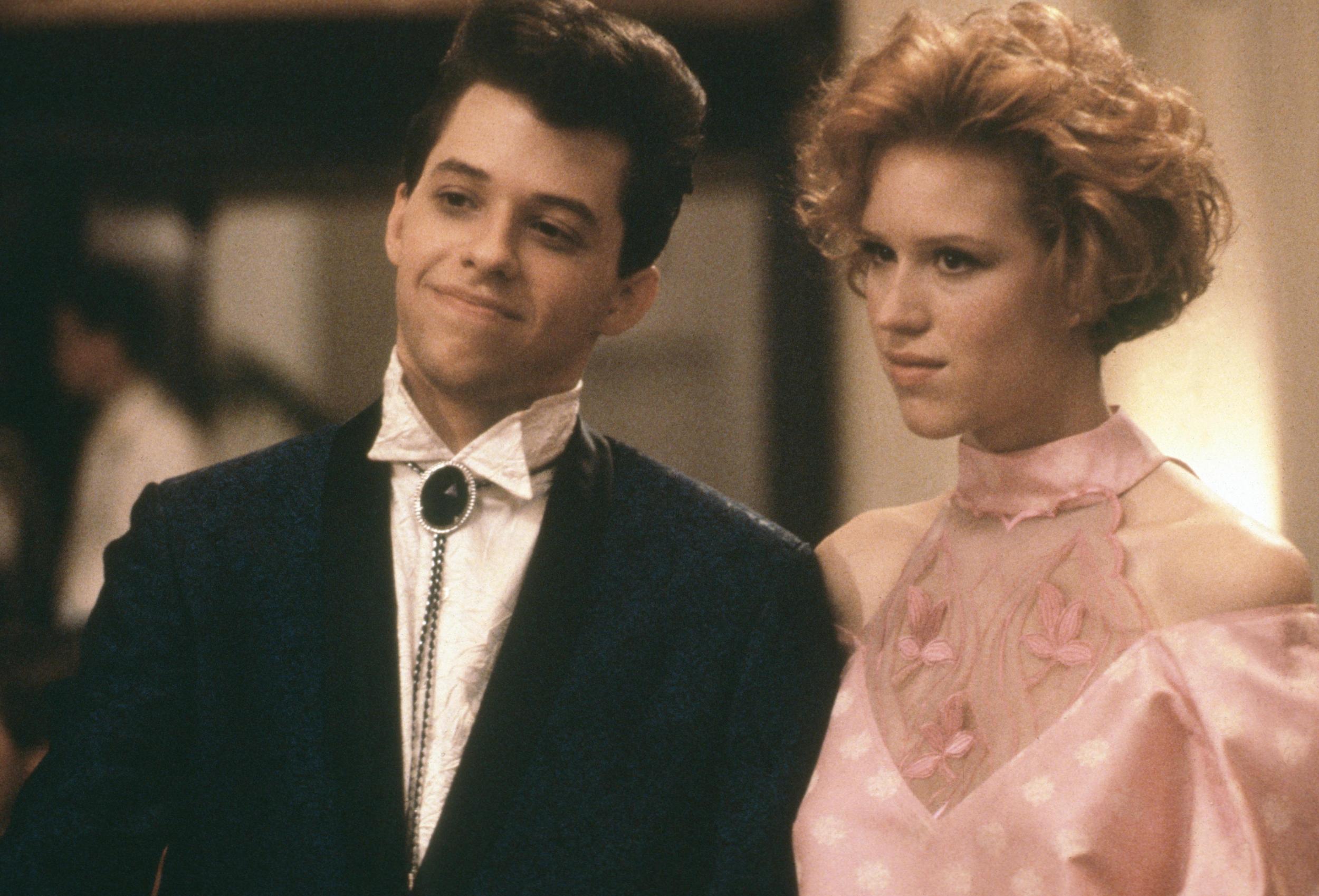
John Hughes, meanwhile, was operating at an unprecedented creative velocity. Fresh off his directorial successes, he conceived two major projects slated for 1986: Ferris Bueller’s Day Off and Pretty in Pink. According to Hall, the titular role of Ferris Bueller—an effortlessly charismatic, authority-defying slacker—had been explicitly written with him in mind. Simultaneously, Hughes envisioned Hall for roles in Pretty in Pink, a romantic drama exploring cross-class high school dynamics.
Faced with the opportunity to cement his status as the undisputed king of teen comedies, Hall made the bold, career-altering choice to walk away.
“With Ferris Bueller, that had actually been written for me by John,” Hall recalled on the Teen Beat podcast. “He wanted me to do both films at the time, and I just felt it was important that I move forward. I think that was heartbreaking for him in a way.”
This decision triggered an immediate professional pivot and an unfortunate personal alienation. Hughes, who poured his own adolescent neuroses, insecurities, and sentimental idealism into his screenplays, absorbed the refusal not merely as a business choice, but as a personal rejection.
Supporting Context & Metrics: The Cost of Reinvention
Breaking the Mold
Hall’s departure from the Hughes stable required an aggressive strategy of career diversification. To shed the "geek" persona, Hall made unconventional and high-risk choices.
In a move that stunned television audiences, he joined the cast of NBC’s Saturday Night Live for the 1985–1986 season at just 17 years old, making him one of the youngest cast members in the show’s history. While his tenure on SNL was critically mixed and short-lived, it signaled an immediate intent to operate outside the safety net of John Hughes’s cinematic universe.
POST-HUGHES CAREER TRAJECTORY METRICS
┌──────────────────────┬──────────────────────┬───────────────────────────────────┐
│ Project              │ Year                 │ Genre / Significance              │
├──────────────────────┼──────────────────────┼───────────────────────────────────┤
│ Saturday Night Live  │ 1985–1986            │ Sketch Comedy (Youngest cast)     │
├──────────────────────┼──────────────────────┼───────────────────────────────────┤
│ Out of Bounds        │ 1986                 │ Action / Thriller                 │
├──────────────────────┼──────────────────────┼───────────────────────────────────┤
│ Edward Scissorhands  │ 1990                 │ Gothic Fantasy / Character Acting │
├──────────────────────┼──────────────────────┼───────────────────────────────────┤
│ The Dark Knight      │ 2008                 │ Blockbuster / Comic Book Thriller │
└──────────────────────┴──────────────────────┴───────────────────────────────────┘
Following SNL, Hall starred in the gritty 1986 action thriller Out of Bounds, attempting to reintroduce himself as a hard-edged leading man. Though the film failed to capture the cultural resonance of his earlier work, it paved the way for more mature character-acting opportunities in the decades that followed. Most notably, Hall delivered a chilling performance as the obnoxious, insecure bully Jim in Tim Burton’s gothic masterpiece Edward Scissorhands (1990) and later appeared as Mike Engel in Christopher Nolan’s blockbuster superhero epic The Dark Knight (2008).
The Alternative Castings
The vacuum left by Hall’s refusal was swiftly filled by other rising stars who would likewise become synonymous with 1980s cinema.
Ferris Bueller’s Day Off: The role of Ferris went to Matthew Broderick, whose effortless charm and fourth-wall-breaking charisma turned the film into a timeless cultural phenomenon and a defining classic of American cinema.
Pretty in Pink: Jon Cryer ultimately secured the iconic role of "Duckie" Dale, while Andrew McCarthy took on the romantic lead of Blane McDonough opposite Molly Ringwald. Cryer’s performance as the heartbroken, eccentric best friend became instantly legendary, proving that the characters penned by Hughes possessed an inherent vitality independent of any single actor.
Hall has consistently maintained an attitude of grace regarding his contemporaries, noting that time heals professional rivalry. “We’ve lived long enough to know you have to wish everyone success in life, and you can’t harbor resentment,” Hall reflected. “It doesn’t do anything for anyone. So I think that those films, they were great. I think Jon Cryer is a very nice guy. I’ve met him since; I’ve met Andrew [McCarthy]. I just chose not to make that film.”
Official Statements & Reflections
The passage of time has allowed Anthony Michael Hall to process the complex legacy of his early career with remarkable candor and emotional maturity. Speaking candidly about the friction that developed between himself and John Hughes, Hall emphasized the underlying sensitivity that defined the filmmaker’s personality.
"It led to, unfortunately, a rupture in our friendship. For years, John, because I think like the youthful characters he wrote, he was a very sensitive guy, even though he was a so-called adult at the time. I think that, that hurt his feelings in a way that I didn’t anticipate. I was really just trying to move forward professionally, but at the same time with full acknowledgement of what he’d given me."
Despite the years of estrangement that followed their 1986 parting of ways—a distance that persisted until Hughes’s sudden death from a heart attack in Manhattan on August 6, 2009—Hall’s prevailing emotion remains one of profound gratitude.
"It was just such an incredible experience," Hall said of his four-film run with the director. "It really was life-changing, and I credit John with giving me my career. It’s really a great opportunity to work with him."
These reflections offer a revealing glimpse into the fragile ecosystems of Hollywood creative partnerships. The very emotional intelligence and acute sensitivity that enabled Hughes to write authentic, deeply felt teenagers also made him uniquely vulnerable to personal slights, complicating professional boundaries when youthful ambition collided with mentorship.
Future Outlook: The Enduring Legacy of the Brat Pack Era
As Hollywood continues to cycle through nostalgia-driven reboots, sequels, and analytical retrospectives, the cultural footprint of the John Hughes and Anthony Michael Hall collaboration remains unassailable. Films like The Breakfast Club and Sixteen Candles are no longer viewed merely as commercial teen comedies; they are studied as sociological artifacts of late-20th-century American youth culture.
For Anthony Michael Hall, now 58, the journey from teenage icon to respected veteran character actor is a testament to resilience and strategic reinvention. While the 1986 split with Hughes resulted in an irreparable personal silence before the filmmaker’s passing, the artistic body of work they left behind continues to captivate new generations of viewers through streaming platforms, home media, and academic film studies.
The story of Hall’s rejection of Ferris Bueller and Pretty in Pink serves as a cautionary yet inspiring tale about the perilous intersection of art, ambition, and personal relationships in the entertainment industry. It underscores the difficult choices young artists must make to preserve their creative autonomy, even when those choices carry a heavy personal toll. Ultimately, the rupture between Hall and Hughes highlights a poignant universal truth: growth often requires leaving behind the very environments—and mentors—that made that growth possible in the first place.