For over four decades, the Alien franchise has loomed large over the landscape of science fiction and horror cinema. Since Ridley Scott first unleashed his claustrophobic masterpiece upon unsuspecting audiences in 1979, the universe of Weyland-Yutani, facehuggers, and Xenomorphs has evolved from a lone B-movie-style monster feature into a sprawling, multi-generational multimedia powerhouse. Yet, according to its original visionary, the franchise was once on the brink of permanent extinction.
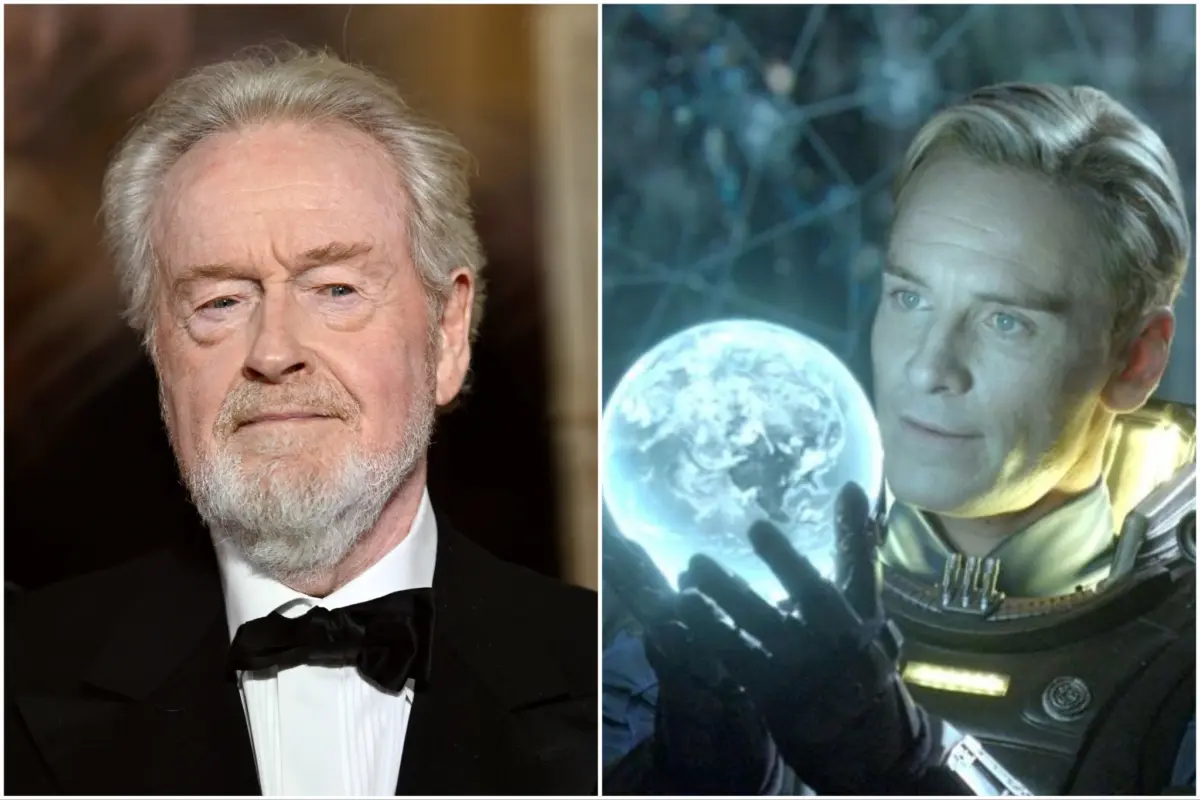
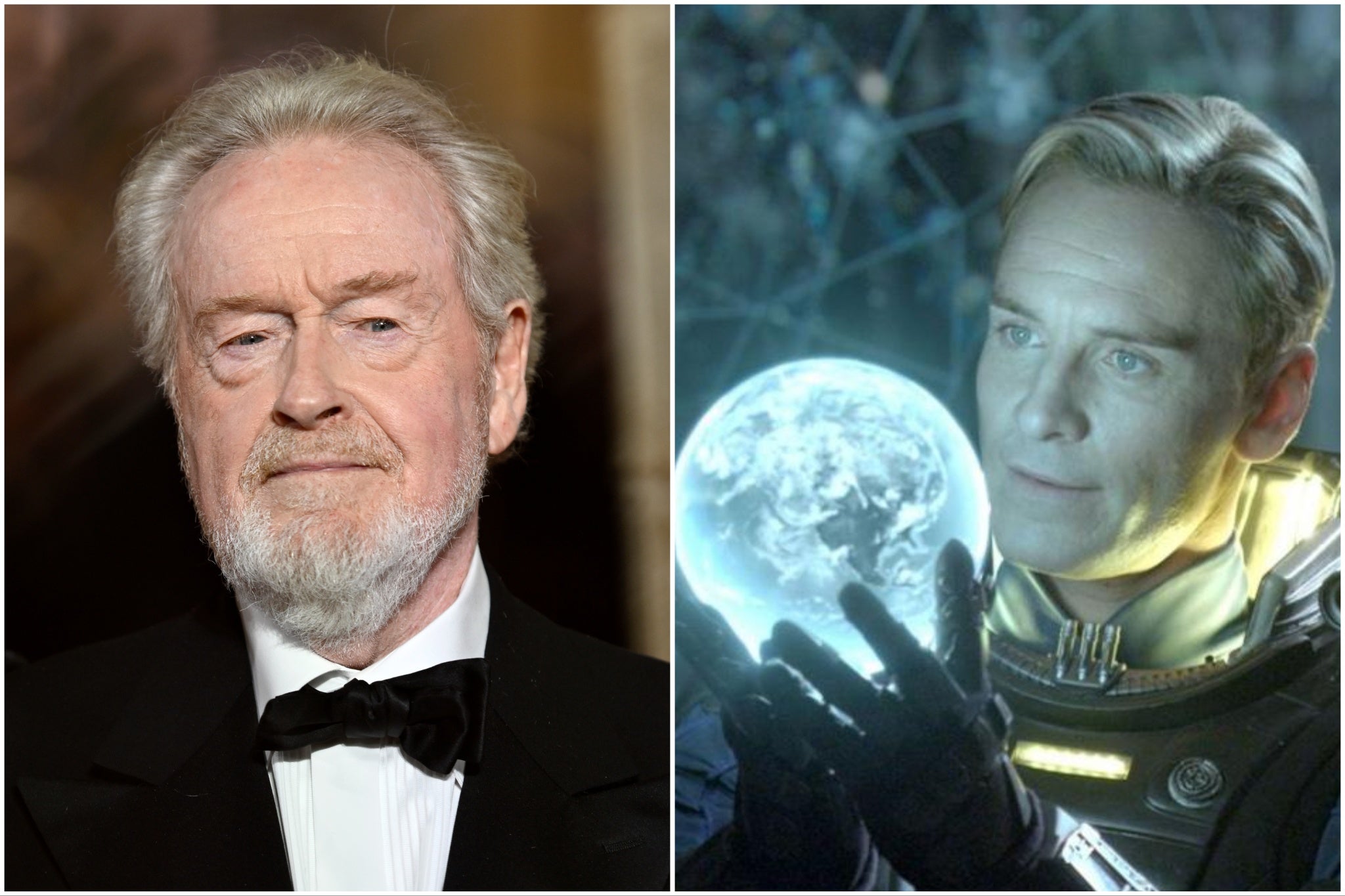
In a candid, unfiltered retrospective interview with French media outlets Brut and AlloCiné, Ridley Scott laid bare his candid assessment of the iconic sci-fi property. The British filmmaker pulled no punches, declaring that following the release of 1997’s Alien Resurrection, the studio system had effectively run the franchise into the ground. Feeling compelled to rescue his cinematic child from creative purgatory, Scott took matters into his own hands, sparking a renaissance that birthed 2012’s Prometheus and its 2017 sequel, Alien: Covenant.
Scott’s bold interventions not only restored viability to the intellectual property but also reshaped its overarching mythology, moving away from standard creature-feature tropes toward grand existential inquiries into human and synthetic origins. Now, as the franchise continues to expand through modern iterations—including Fede Álvarez’s 2024 interquel Alien: Romulus and Noah Hawley’s television series Alien: Earth—Scott is looking toward the horizon. Signaling plans to reunite with actor Michael Fassbender to conclude his prequel trilogy, the director proves that his fascination with the cosmic horrors he helped popularize remains as fierce as ever. This comprehensive retrospective explores the trajectory of the Alien franchise, examining its near-death experience in the late 1990s, Scott’s calculated resurrection via Prometheus, and the enduring cultural footprint of one of cinema’s most resilient universes.
Detailed Chronology: From Masterpiece to Misstep
To understand why Ridley Scott felt compelled to resuscitate the Alien universe, one must trace the winding, often volatile trajectory of the series across the late 20th century. What began as a singular, atmospheric triumph of suspense steadily mutated through various directorial lenses, yielding a mixed bag of critical and commercial milestones.
The Golden Era: 1979–1992
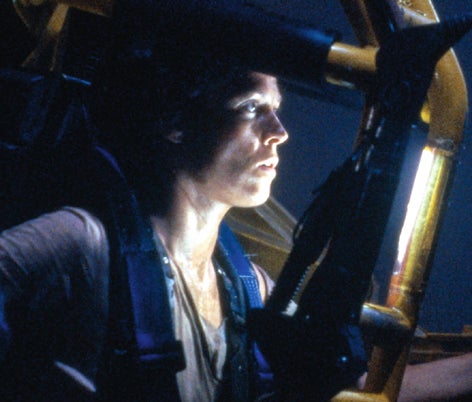
It all began in 1979 with Scott’s eponymous Alien. Starring Sigourney Weaver in her breakout role as the resilient warrant officer Ellen Ripley, the film followed the crew of the commercial towing vessel Nostromo as they investigated a distress signal on a desolate moon, inadvertently bringing aboard a parasitic organism of terrifying biological perfection. Blending industrial sci-fi aesthetics with relentless slasher horror, the original film was a seismic cultural event that cemented Scott’s status as an auteur of the highest order.
Instead of rushing out a direct carbon-copy sequel, 20th Century Fox handed the reins to visionary Canadian filmmaker James Cameron for 1986’s Aliens. Shifting the tone from gothic horror to high-octane military sci-fi, Cameron’s sequel proved to be a rare cinematic achievement: a follow-up that matched—and in the eyes of many fans, surpassed—the original. Weaver earned an Academy Award nomination for Best Actress, a rare feat for a performance in a genre film.
The momentum continued, albeit with growing creative friction, when David Fincher stepped into the director’s chair for 1992’s Alien 3. Beset by notorious studio interference, script rewrites on the fly, and budgetary constraints, the film took a bleak, nihilistic turn by killing off Ripley’s surviving companions from the previous film in its opening moments. Despite its troubled production history, Alien 3 has since undergone critical reappraisal for its distinctive visual style and uncompromising existential dread, though it marked a clear fracturing of the fanbase’s consensus.
The Stumble: Alien Resurrection and the Franchise’s Fall
By the mid-1990s, 20th Century Fox was eager to milk further profits from the property, greenlighting a fourth installment directed by French auteur Jean-Pierre Jeunet and penned by a rising young screenwriter named Joss Whedon. Released in 1997, Alien Resurrection traded in traditional dread for surreal, darkly comedic, and body-horror-heavy aesthetics, featuring a cloned Ripley infused with Xenomorph DNA alongside a colorful crew of space smugglers.
The resulting film was a financial and critical disappointment domestically. Grossing just $47.8 million at the North American box office, Alien Resurrection became the lowest-earning installment of the core series in the United States and Canada. Critical reception was decidedly polarized, and behind-the-scenes sentiment soured quickly.
Whedon famously distanced himself from the final product, remarking in a 2005 interview that the studio’s execution rendered his script "almost unwatchable." For his part, Jeunet defended his eccentric vision years later during an anniversary interview with The Independent, cheerfully offering an expletive-laden retort to detractors of his polarizing cosmic experiment.
Regardless of its cult status decades later, the box-office anemic performance of Alien Resurrection signaled to Hollywood power brokers that the audience’s appetite for further space-faring horrors had been exhausted. For all practical purposes, the franchise was dead and buried.
Supporting Context & Metrics: The Numbers Behind the Revival
While crossover experiments like Alien vs. Predator (2004) and Aliens vs. Predator: Requiem (2007) kept the brand name visible on theater marquees, they were widely regarded by purists as commercial cash-grabs that dragged the prestigious sci-fi property further into cinematic irrelevance. The true psychological and narrative core of the Alien universe lay dormant for a staggering fifteen years.
This prolonged silence was broken only when Ridley Scott chose to re-engage with the universe he had abandoned three decades prior. In his interview with Brut, Scott did not mince words regarding his foundational dominance over the property:
"I did the best one by far," the director asserted definitively. *"Full stop. End of the f**ing story. Then they let it die. After [Alien] 4, they killed it. So I sat there thinking, I’m going to bring it back."
Collaborating first with writers Jon Spaihts and later Damon Lindelof, Scott engineered a narrative pivot. Instead of pursuing another messy sequel in the distant timeline of the Ripley saga, he opted to wind the clock back. The result was Prometheus (2012), a philosophical, high-budget prequel that explored the creation of humanity and the mysterious origins of the Engineers—the towering extraterrestrial beings hinted at in the original 1979 film.
Prometheus deployed a formidable ensemble cast featuring Noomi Rapace, Charlize Theron, Idris Elba, and Michael Fassbender as David, an enigmatic, coldly analytical android whose complex psychological evolution would become the thematic anchor of Scott’s modern entries. Commercially, the gamble paid off: Prometheus hauled in over $400 million globally, outperforming its predecessors domestically with a $126.4 million North American take and proving that audiences were still hungry for high-concept cosmic terror when helmed by its original creator.
Official Statements & Industry Perspectives
Scott’s candid remarks offer a fascinating glimpse into the proprietary relationship a master filmmaker maintains with their creation. Having established the aesthetic blueprint for modern cinematic science fiction—influencing everything from Blade Runner to The Thing—Scott views the commercial missteps of the late 90s as a direct insult to the meticulous world-building of the 1979 original.
By initiating the prequel cycle with Prometheus and continuing it with Alien: Covenant (2017), Scott intentionally shifted the franchise’s intellectual weight. Where early films were straightforward survival thrillers, Scott’s modern contributions grapple with themes of creation, hubris, creator-creation conflict, and artificial intelligence.
The director’s critical eye has not stopped at his own work or past sequels; it extends to the modern custodians of the IP. Reflecting on Fede Álvarez’s recent interquel, Alien: Romulus (2024)—which bridged the gap between the original film and its immediate sequel to favorable box-office returns—Scott offered a characteristically measured, paternalistic critique to AlloCiné:
"The one that just came out was OK. I think it needs some help. So, I’ve gone back in."
This sentiment underlines Scott’s unyielding drive to steer the overarching narrative of the universe himself. Rather than standing aside while younger filmmakers mine his sandbox, Scott remains actively engaged in mapping out the final chapters of his overarching prequel vision.
Future Outlook: What Lies Ahead for the Xenomorph
As the Alien franchise moves deeper into the 2020s, its expansion shows no signs of slowing down. The property is currently thriving across multiple mediums, balancing theatrical blockbusters with prestige television production.
On the small screen, FX’s ambitious television spinoff Alien: Earth, created by Noah Hawley (Fargo, Legion), has been officially renewed for a second season, signaling network confidence in expanding the franchise’s lore into terrestrial settings long before the events of the original films.
Meanwhile, on the cinematic front, Ridley Scott’s gaze remains fixed on bringing closure to his prequel arc. Confirming his intent to reunite with Michael Fassbender, Scott revealed that he already possesses a concrete narrative foundation for the next theatrical installment.
"I’ve already got a footprint for the next Alien," Scott revealed. "We did Prometheus, and then Alien: Covenant. So, I’m picking up where we left off in Covenant with Michael Fassbender, who now thinks he’s Ozymandias."
This thematic continuation promises to explore the chilling trajectory of David, the rogue android whose god complex and obsession with biological engineering threaten to extinguish humanity entirely. Whether this upcoming project will serve as the definitive capstone to Scott’s prequel trilogy or merely another chapter in an endlessly mutating cinematic saga remains to be seen.
What is certain, however, is that more than forty-five years after the Nostromo first answered a faint, ominous distress signal in the dark reaches of space, Ridley Scott’s creation refuses to stay dead. Through creative re-invention, unyielding directorial vision, and a refusal to let past failures define its legacy, the Alien universe continues to terrify, captivate, and evolve.