Executive Overview
The intersection of engineering, art, and commerce has long been the lifeblood of the audio industry. Today, however, that intersection is experiencing a profound structural evolution. Driven by shifting consumer habits, a resurgence in tangible, physical-media consumption, and the expansion of immersive live entertainment, career opportunities within music technology and audio production are diversifying at a breakneck pace.
A comprehensive review of the latest market data and active recruitment pipelines reveals a landscape brimming with potential. Whether you are an industry veteran looking to steer the technological vision of a global powerhouse or an ambitious newcomer trying to secure your first foothold in a warehouse or studio, the current hiring climate reflects a robust industry eager for talent.
This month’s career roundup highlights roles ranging from iconic, high-stakes theatrical environments—such as managing sound for Cirque du Soleil in Las Vegas—to cutting-edge retail flagships, historic live performance hubs, non-profit advocacy groups, and specialized engineering firms. This report provides an in-depth analysis of these openings, dissecting what employers are looking for, the structural demands of each position, and the broader economic shifts currently shaping the audio technology landscape.
Detailed Chronology & Industry Context
The current surge in audio technology recruitment is not an isolated phenomenon; it is the result of several converging trends that have gained momentum over the past several years. Following the post-pandemic stabilization of live events and consumer electronics supply chains, companies are reinvesting heavily in physical spaces, experiential retail, and high-end live productions.
The Retail Renaissance and Flagship Experiences
For over a decade, music gear acquisition was largely migrating to online-only vendors, digital marketplaces, and direct-to-consumer digital channels. However, the pendulum is swinging back toward tactile, community-driven retail experiences. Brands realize that consumers—particularly younger generations raised on software-based production—are actively seeking hands-on engagement with hardware.
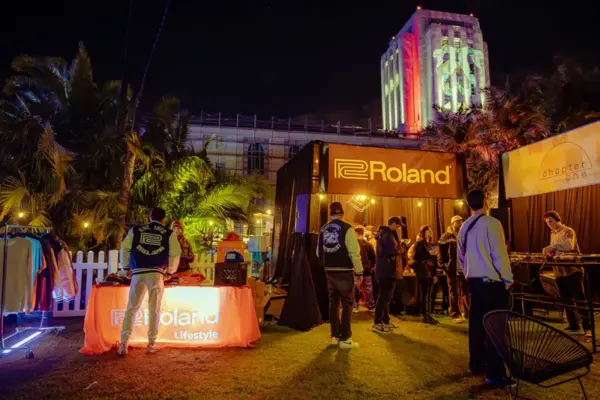
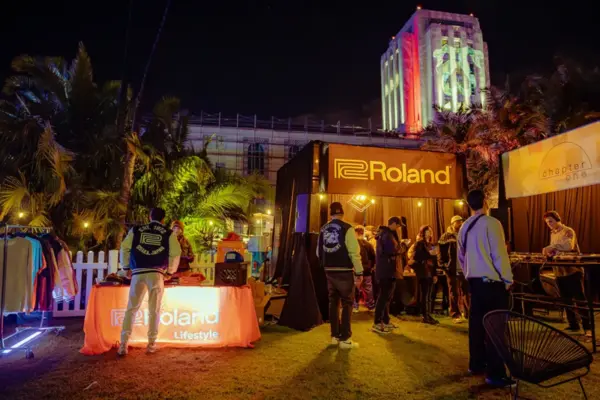
This shift is underscored by major brick-and-mortar investments, most notably Roland’s decision to open its first-ever standalone US retail flagship in New York City. Opening its doors this season, the space is designed to serve as an immersive cultural hub rather than a traditional point-of-sale environment. Consequently, the recruitment profile for modern music retail has shifted. Employers are no longer just looking for salespeople; they require hybrid professionals who possess deep technical knowledge, educational prowess, and community management skills.

Live Entertainment and Immersive Production
Concurrently, the live events sector has recovered with staggering vigor. Audiences are flocking to physical venues, demanding higher production values, immersive soundscapes, and flawless execution. Historic venues are upgrading their technical infrastructure to remain competitive, while long-running theatrical spectacles continue to push the boundaries of spatial audio and acoustic engineering. The demand for meticulous production management has never been higher, as technical directors must now balance complex digital networks, legacy analog systems, and strict safety and operational budgets.
Featured Career Openings: In-Depth Analysis
To help professionals navigate this dynamic hiring market, we have categorized and analyzed the most notable current job openings across the music technology and audio production sectors.
1. Cirque du Soleil Entertainment Group – Head of Audio (“O”, Las Vegas)
- The Environment: Las Vegas, Nevada – Resident theatrical production.
- The Role: Overseeing all audio operations for one of the world’s most visually and acoustically demanding water-based theatrical productions.
- Job Breakdown: The role requires a rare blend of administrative acumen and high-pressure, live-mixing expertise. The Head of Audio manages sound design execution for daily performances, rehearsals, and specialized training sessions. Responsibilities encompass budgeting, staff scheduling, purchasing next-generation audio systems, and executing critical hardware repairs.
- Industry Significance: This is a pinnacle role for live sound engineers. It proves that theatrical sound design requires not only artistic sensitivity to complement complex choreography (especially in acoustically challenging aquatic environments) but also enterprise-level logistical management.
2. Roland Corporation – Store Manager (New York City Flagship)
- The Environment: New York City, New York – First standalone US flagship retail space.
- The Role: Directing the daily operations, product experiences, and community education programs of Roland’s historic American retail footprint.
- Job Breakdown: Beyond traditional retail management tasks—such as inventory tracking, sales analytics, and staff supervision—the Store Manager acts as a cultural ambassador. They are tasked with running educational workshops, facilitating immersive product demonstrations, and cultivating a welcoming environment for artists of all skill levels.
- Industry Significance: This role highlights the evolution of music gear retail. Physical storefronts must now function as community centers and creative incubators to justify their existence in a digital-first economy.
3. The Queen, Wilmington – Production Manager
- The Environment: Wilmington, Delaware – Historic multi-venue entertainment complex.
- The Role: Overseeing technical production across four distinct spaces within the historic facility.
- Job Breakdown: The Queen houses the Main Hall (a full-scale concert venue), The Crown (an intimate live comedy and performance space), Knight’s Bar (a showcase for local acts), and Olympia (a private event suite). The Production Manager is responsible for the lighting, sound, and staging infrastructure across all four zones.
- Industry Significance: Multi-venue operations provide exceptional professional growth. A Production Manager in this setting gains rapid, diversified experience managing everything from heavy rock concerts and corporate AV setups to delicate acoustic performances within a single working week.
4. QSC – Event Production Lead
- The Environment: Corporate and commercial live sound manufacturing and media production.
- The Role: Managing internal and external event production, vendor relations, and inventory for QSC’s diverse slate of corporate events and trade shows.
- Job Breakdown: The candidate will oversee live physical events while also managing technical standards for QSC’s state-of-the-art $1 million production studio and control room. Responsibilities include equipment maintenance, vendor coordination, and executing high-end virtual and recorded presentations.
- Industry Significance: As audio manufacturers increasingly rely on direct-to-consumer content creation, podcasts, and digital trade shows, the need for hybrid event producers who understand both live staging and broadcast-quality control rooms has spiked.
5. Women’s Audio Mission – Studio Manager / Staff Engineer
- The Environment: California (part of the California for the Arts network).
- The Role: Engineering audio projects and managing studio operations while fostering an inclusive environment for underrepresented groups in audio.
- Job Breakdown: Working under the umbrella of arts advocacy, the Studio Manager / Staff Engineer handles tracking, editing, and mixing across a vast spectrum of media. This includes musical projects, audiobooks, podcasts, voice-overs, and post-production sound for film and digital media.
- Industry Significance: Diversity, equity, and inclusion remain critical growth areas for the audio industry. Organizations like Women’s Audio Mission are vital for dismantling historical barriers to entry, offering holistic career pathways for women and gender-fluid engineers.
6. The Sky Church – Analog Apostle
- The Environment: Specialized live performance and immersive art venue.
- The Role: Technical curator and operational engineer for analog-centric performances and interactive installations.
- Job Breakdown: Catering directly to the analog audio community, this role demands deep expertise in vintage and hardware-based setups—including legacy mixing consoles, tape machines, modular synthesizers, outboard signal processors, and complex patch-bay routing.
- Industry Significance: The "analog revival" is more than a nostalgic trend; it is a thriving subculture. Venues dedicated entirely to tactile, non-digital workflows require specialized engineers who understand the quirks and maintenance realities of vintage gear.
7. CyberCoders (Recruitment Agency) – Acoustic Test Engineer
- The Environment: Acoustic research, development, and manufacturing testing facilities.
- The Role: Evaluating acoustic performance specifications for professional audio hardware, specifically PA systems and transducers.
- Job Breakdown: Using advanced measurement tools such as HATS (Head and Torso Simulators) within anechoic and reverberant chambers, the engineer measures critical metrics including frequency response, harmonic distortion, impedance curves, and transfer functions.
- Industry Significance: This position represents the rigorous scientific foundation underlying the consumer audio experience. Without precise acoustic testing, high-end sound reinforcement systems cannot meet the demanding specifications required by modern venues and touring acts.
8. Audio-Technica – Warehouse Associate
- The Environment: Global audio manufacturer distribution center.
- The Role: Logistics, inventory control, and fulfillment operations.
- Job Breakdown: The foundational entry-level role involves inspecting incoming gear, processing outgoing shipments, and maintaining warehouse inventory integrity.
- Industry Significance: For ambitious job seekers without formal engineering degrees, supply chain and warehouse operations within renowned audio companies offer a proven pathway to upward mobility. Dedication in logistics often leads to internal transitions into quality assurance, technical support, and project management within a few short years.
Supporting Context & Metrics: The Modern Audio Job Market
To better contextualize these openings, we must examine the broader metrics governing the music technology and pro-audio sectors:
- The Shift Toward Hybrid Skill Sets: According to recent industry surveys, over 65% of mid-to-senior level audio production roles now require cross-functional capabilities (e.g., a live sound engineer who understands Dante networking and video streaming, or a retail manager skilled in digital content creation).
- Geographic Concentration: While remote work has altered software development sectors, hardware manufacturing, live entertainment, and studio engineering remain heavily concentrated in major cultural hubs such as New York, Los Angeles, Nashville, and Las Vegas, though regional hubs (such as Wilmington and various state arts networks) are expanding rapidly.
- The Educational Gap: Employers frequently cite a shortage of candidates who possess both theoretical acoustic knowledge and practical, hands-on troubleshooting experience with complex hardware ecosystems.
Future Outlook: Where the Industry is Headed
Looking toward the remainder of the decade, several key trajectories will define career opportunities in music tech and audio production:
- Spatial Audio Integration: As Dolby Atmos and immersive formats become standard across gaming, film, streaming music, and live performance, engineers will need specialized training in spatial mixing and multi-channel calibration.
- The Blurring of Retail and Education: Flagship stores like Roland’s new NYC location signal that music retail is transforming into an experiential educational service. Professionals who can teach, mentor, and build community around gear will be the most sought-after leaders in commerce.
- Sustainable Manufacturing and Logistics: Environmental considerations are beginning to impact supply chains and product design. Acoustic engineers and logistics managers who understand sustainable material sourcing and energy-efficient manufacturing will find themselves at a distinct advantage.
Conclusion
The current employment landscape in music technology and audio production is vibrant, diverse, and full of upward mobility. Whether your passion lies in turning physical knobs on vintage tape machines at an analog performance space, fine-tuning acoustic measurements in an anechoic chamber, managing the complex logistical gears of a historic multi-venue theater, or orchestrating the sonic majesty of a world-class resident show in Las Vegas, the opportunities are there for the taking.
For industry veterans and newcomers alike, success in this evolving market requires a blend of technical rigor, adaptability, and an enduring passion for the art of sound.